Magnetic activity cycles in 138 Sun-like stars help scientists understand the Sun's past—and Earth's future
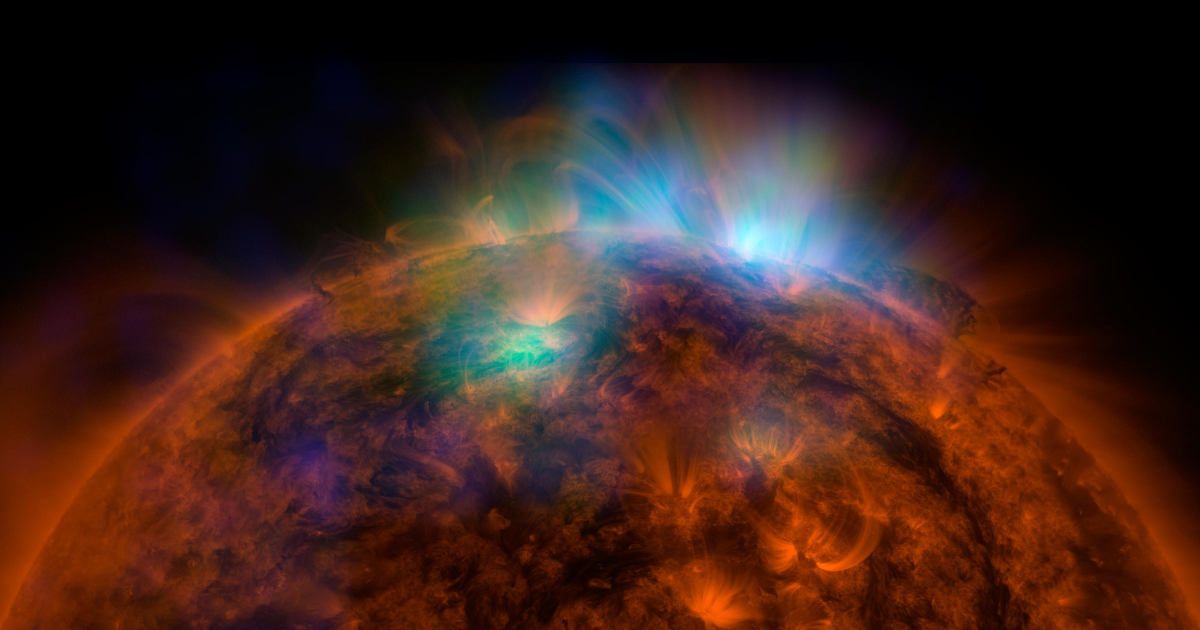
Astrophysicists have discovered that the Sun's 11-year magnetic activity cycle, which drives everything from stunning auroras to disruptions in our technology, is not unique among stars. This new insight, based on the study of younger, faster-rotating stars, could act as a "crystal ball" for predicting future space weather events, which are becoming an increasing threat to our modern, digital society, according to Macquarie University.
Published in Monthly Notices of the Royal Astronomical Society, the study led by Dr. Deepak Chahal of Macquarie University found that our Sun's magnetic cycles closely resemble those of younger, more active stars. The research, which analyzed a decade of data from 138 Sun-like stars, challenges the previous assumption that the Sun was a cosmic anomaly.
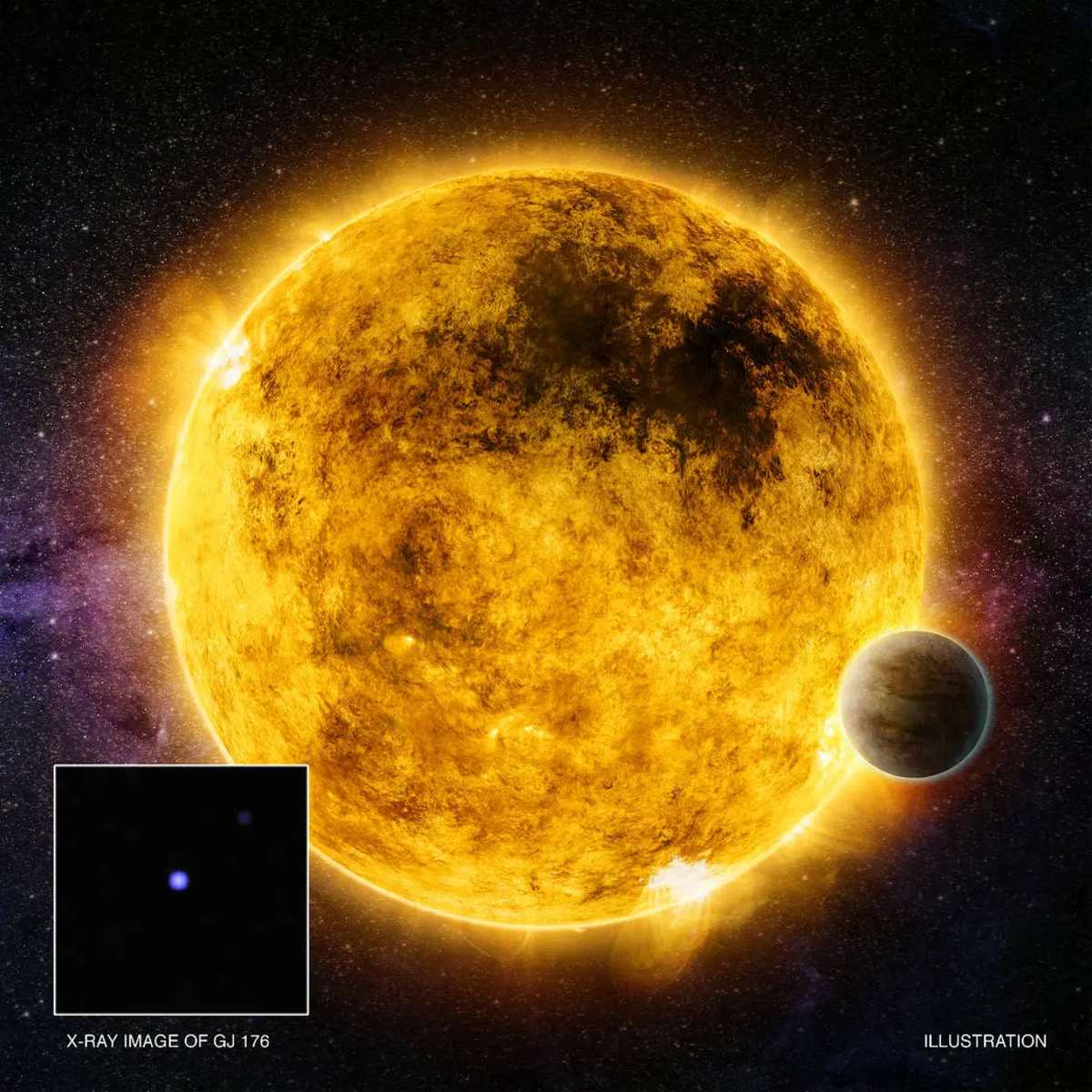
In an insightful observation, Dr. Chahal explained that by studying the magnetic activity of younger, faster-rotating stars, researchers are able to peer into the Sun's past. He stated that this method provides a way to see what our star was like in its youth and how its magnetic behavior has evolved over billions of years. He elaborated, “We found several young Sun-like stars with magnetic cycles similar to our Sun, but shorter. As these stars age and slow down, they may evolve to have cycles like our Sun’s current 11-year cycle.”
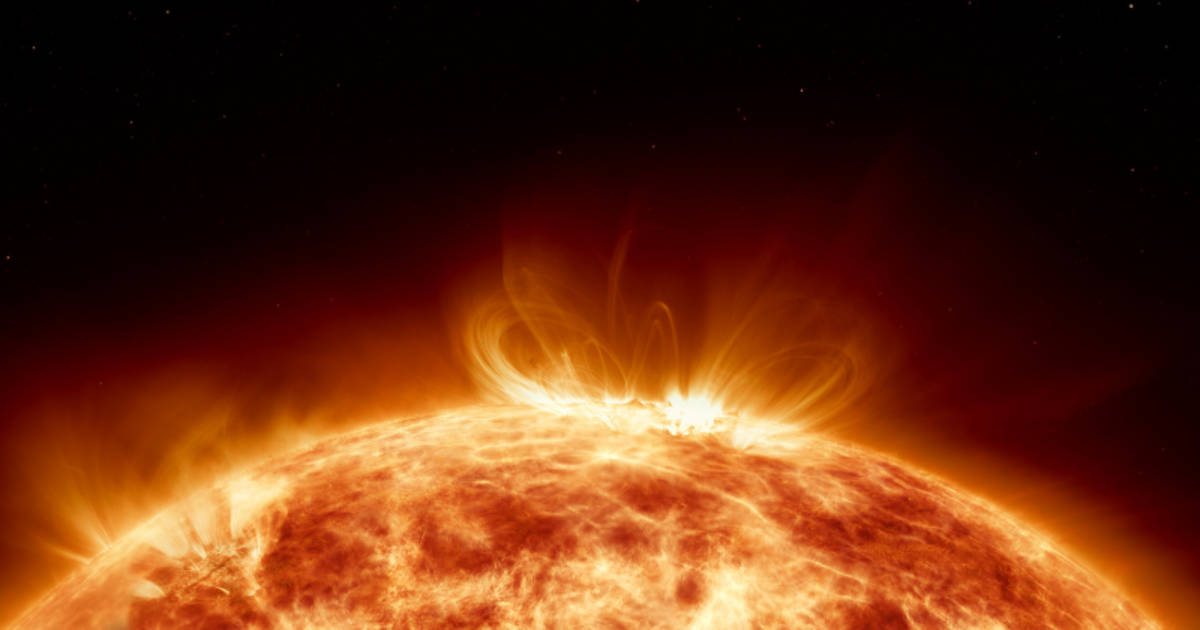
The Sun’s magnetic cycle, which causes its poles to flip every 11 years, has a profound impact on Earth. During a period of high activity, known as solar maximum, the Sun emits more sunspots, solar flares, and coronal mass ejections (CMEs). These powerful eruptions can send charged particles hurtling through space, which, when they hit our planet, can cause a range of issues.
While a solar flare might create a beautiful aurora, a powerful CME can disrupt radio communications, damage satellites, and even take down power grids. The risk is not theoretical: a severe solar storm in 1989 caused a major power outage in Quebec, and the Carrington Event of 1859 crippled telegraph systems worldwide. “If a solar storm the size of the Carrington event occurred today, it could cause unimaginable damage," said co-author Associate Professor Devika Kamath. “Our interconnected digital world today is far more vulnerable than the simple telegraph networks of 1859. A similar event could disrupt everything from GPS navigation and mobile phone networks to banking systems and air traffic control, potentially causing trillions of dollars in damage,” as mentioned by Macquarie University.
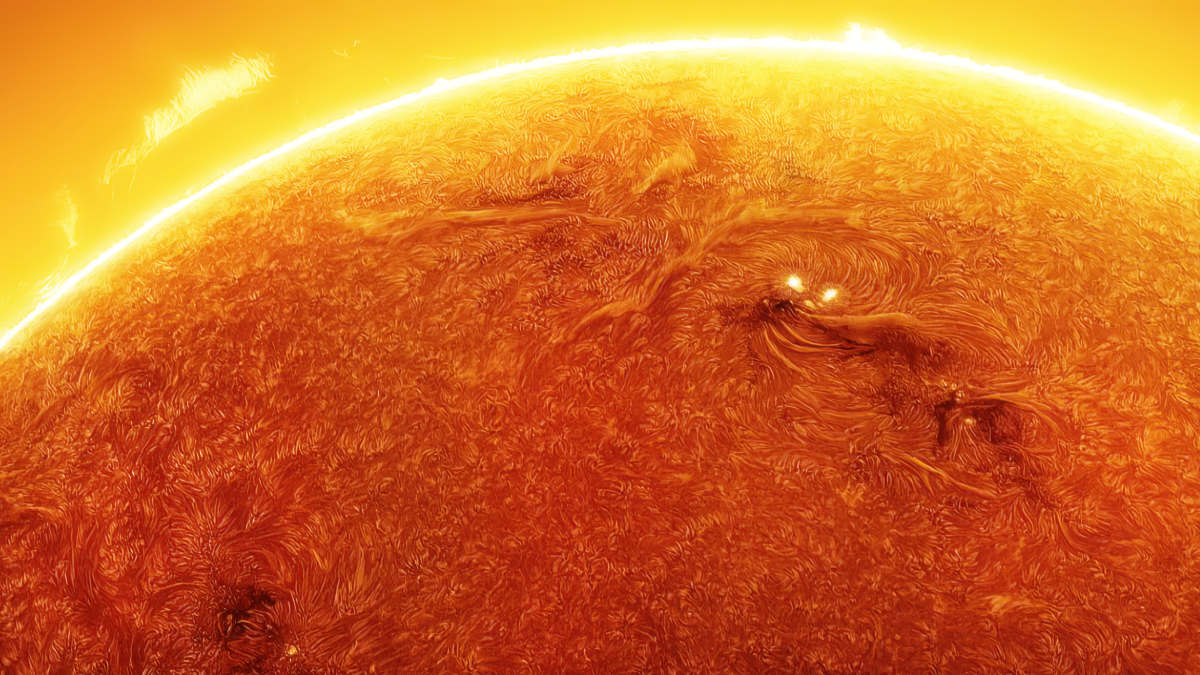
The new findings could significantly improve our ability to predict dangerous space weather and help protect our technology-dependent infrastructure. Co-author Professor Richard de Grijs highlighted the broader implications of the research, stating, “Understanding the patterns of stellar activity cycles helps us better predict when dangerous space weather events might occur, not just around our own Sun but potentially around other stars with planetary systems.” The study provides a crucial new perspective on the Sun's magnetic behavior, offering a scientific advantage for preparing for the inevitable space weather that comes with living near an active star.
More on Starlust
Massive solar flare bursts from the sun cause radio blackouts across parts of North America
Next solar superstorm could hit Earth harder than ever, scientists explain why