Astronomers detect faint radio whisper from universe's unexplored era and it may unlock secrets to our cosmic past
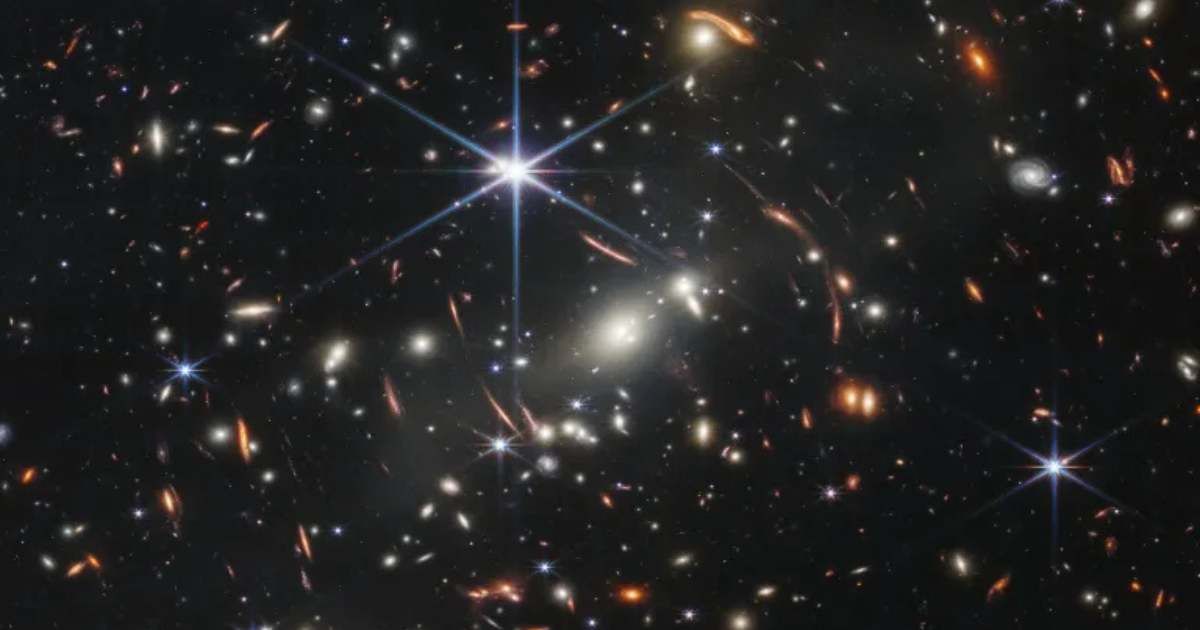
There has been much debate about how the universe began, with some believing that the stars were responsible for illuminating it. However, a recent study delved into a faint radio "whisper" from a 21-centimeter hydrogen line, and it could be the key to understanding the properties of those primordial stars and black holes that defined our cosmos. Researchers sought the help of advanced methods to isolate the faint, sought-after signal. According to Dr. Ridhima Nunhokee, lead author of the first phase, detecting the Epoch of Reionization requires painstakingly identifying and removing all other radio noise, including emissions from nearby galaxies, the Earth’s atmosphere, and even the telescope itself, a process called foreground subtraction.
Curtin-led @ICRAR research has found the Universe was warm, rather than cold, before it lit up. Dr Ridhima Nunhokee & Prof Cathryn Trott edge closer to detecting the elusive Epoch of Reionisation. 👇 #CurtinResearch #ICRAR https://t.co/mOlYXd0Ea5
— Curtin Media (@CurtinMedia) October 1, 2025
This decade-long pursuit of the universe's earliest light has yielded a surprising finding: the cosmos was warmer than previously theorized before the first stars and galaxies ignited, according to the International Center for Radio Astronomy Research (ICRAR). "We have developed methods to deal with the foreground contamination, and subtract the signals we don’t want, but also better understand our telescope and come up with a clean signal,” Dr. Nunhokee commented. One of the main aims of the study was to understand the Epoch of Reionization, long considered an unexplored area of cosmic history.
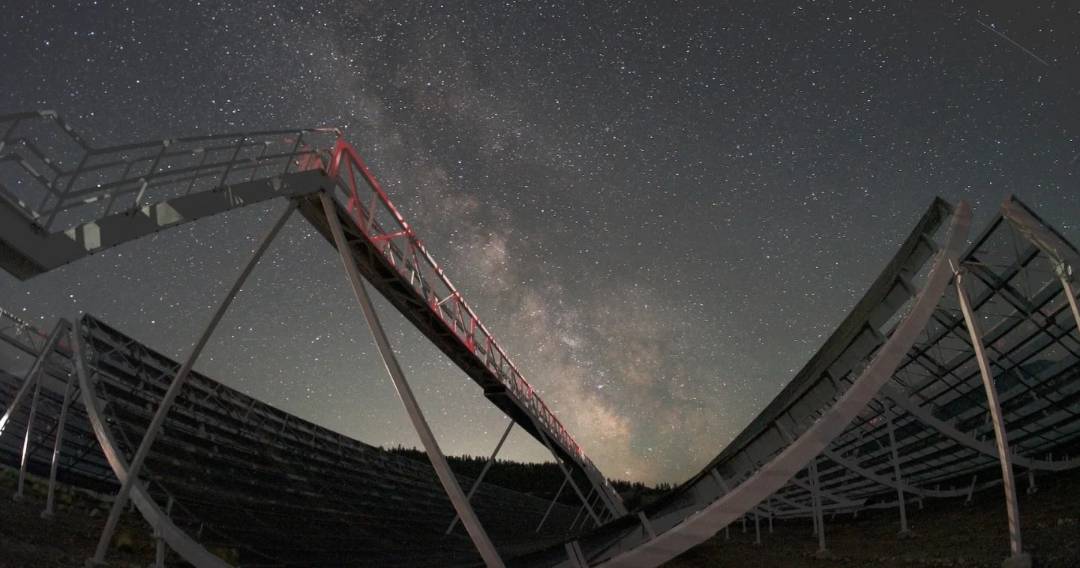
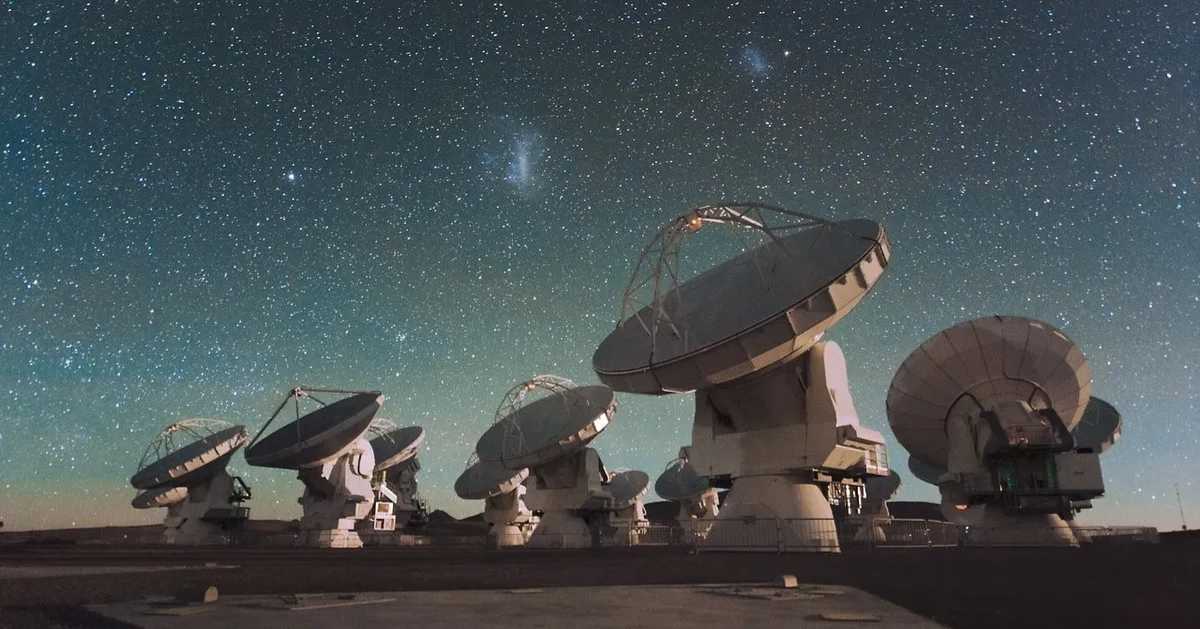
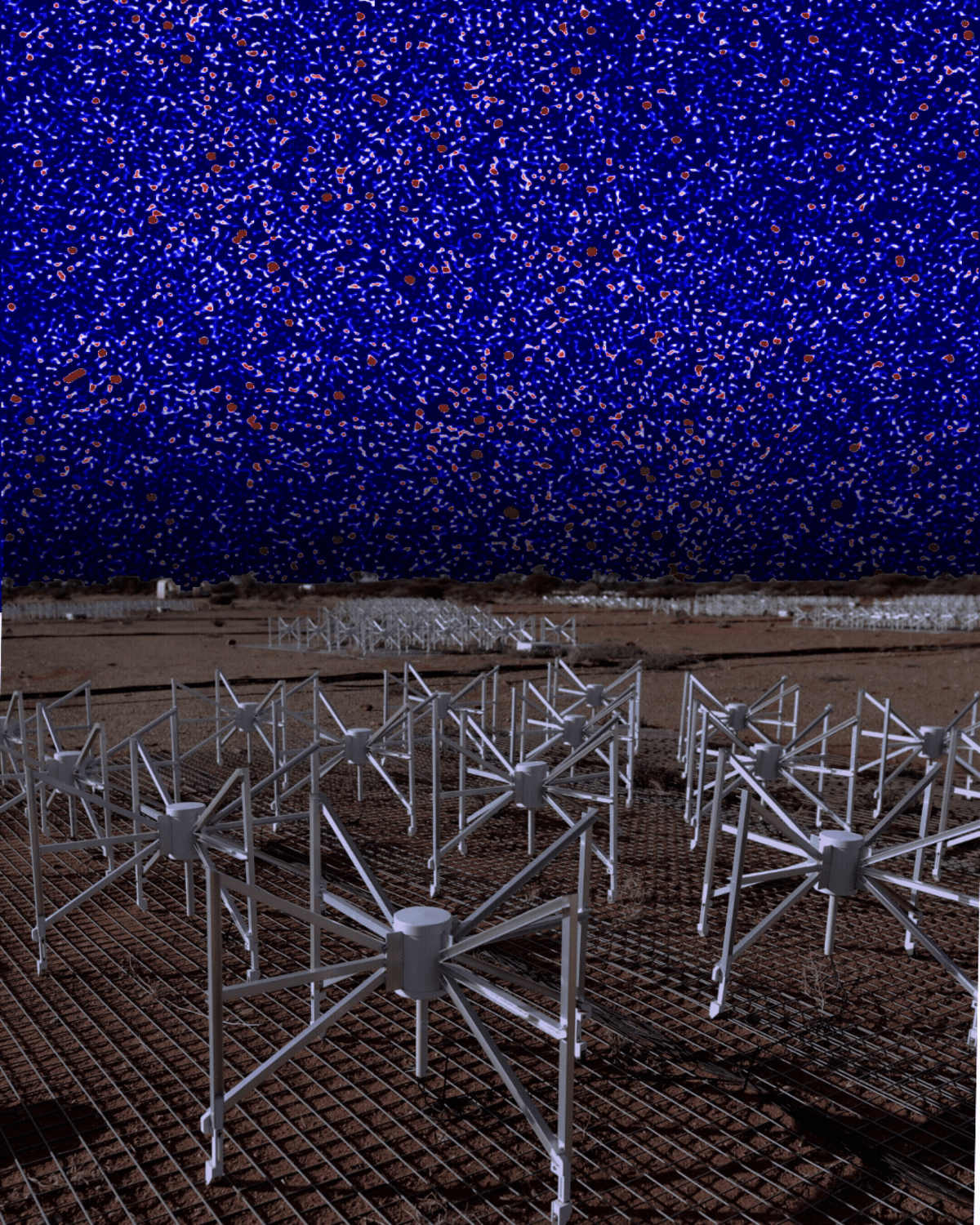
An international team of astronomers, spearheaded by Curtin University's International Center for Radio Astronomy Research (ICRAR), has ruled out a "cold start" for a pivotal. The Epoch of Reionization, a phase theoretically marking the end of the Cosmic Dark Ages roughly a billion years after the Big Bang, saw the opaque gas between galaxies become transparent, allowing light to travel freely. The ICRAR-led group has been hunting for this elusive radio signal using the Murchison Widefield Array (MWA) telescope in Western Australia.
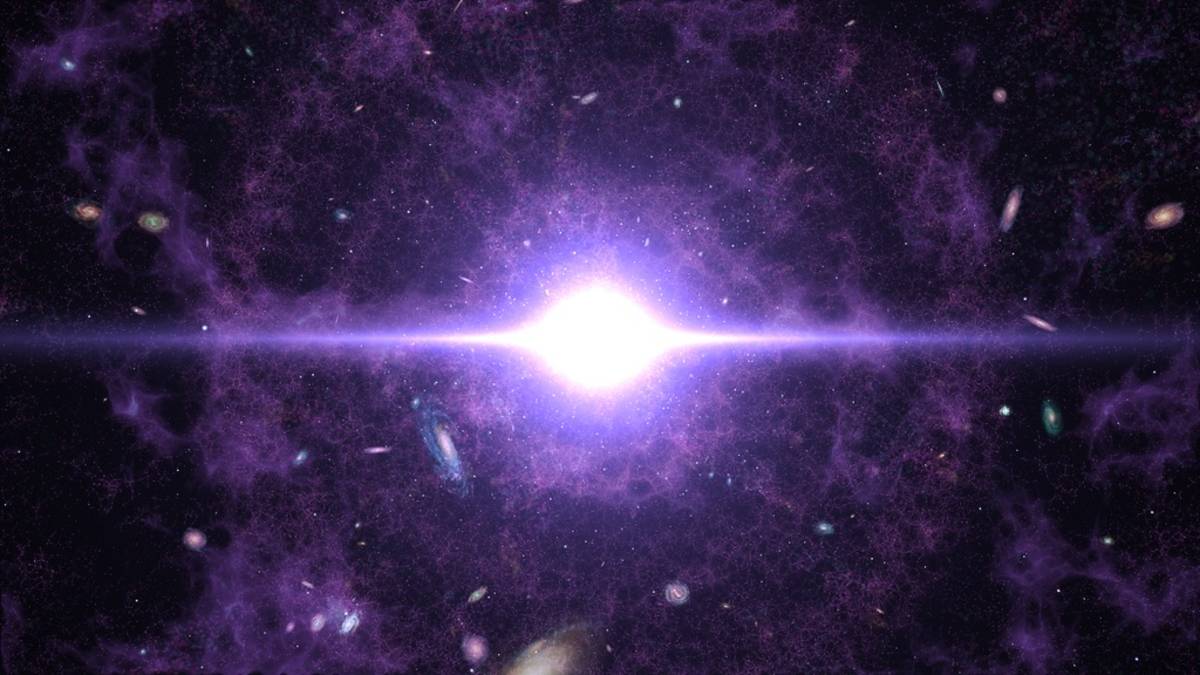
In a two-phase research effort, the scientists managed to integrate about ten years' worth of MWA data. This improved quantity and quality of observation was key to their discovery. “Our measurements show that it is at least heated by a certain amount," stated Professor Cathryn Trott, who led the second phase of the research. "Very cold reionization is ruled out."
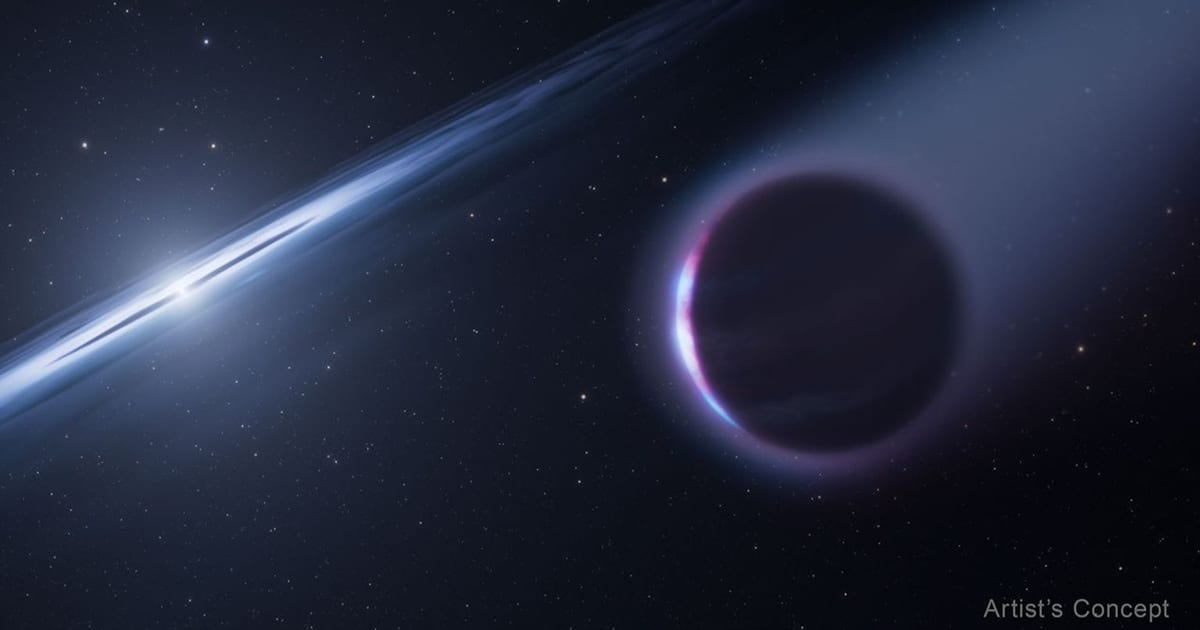
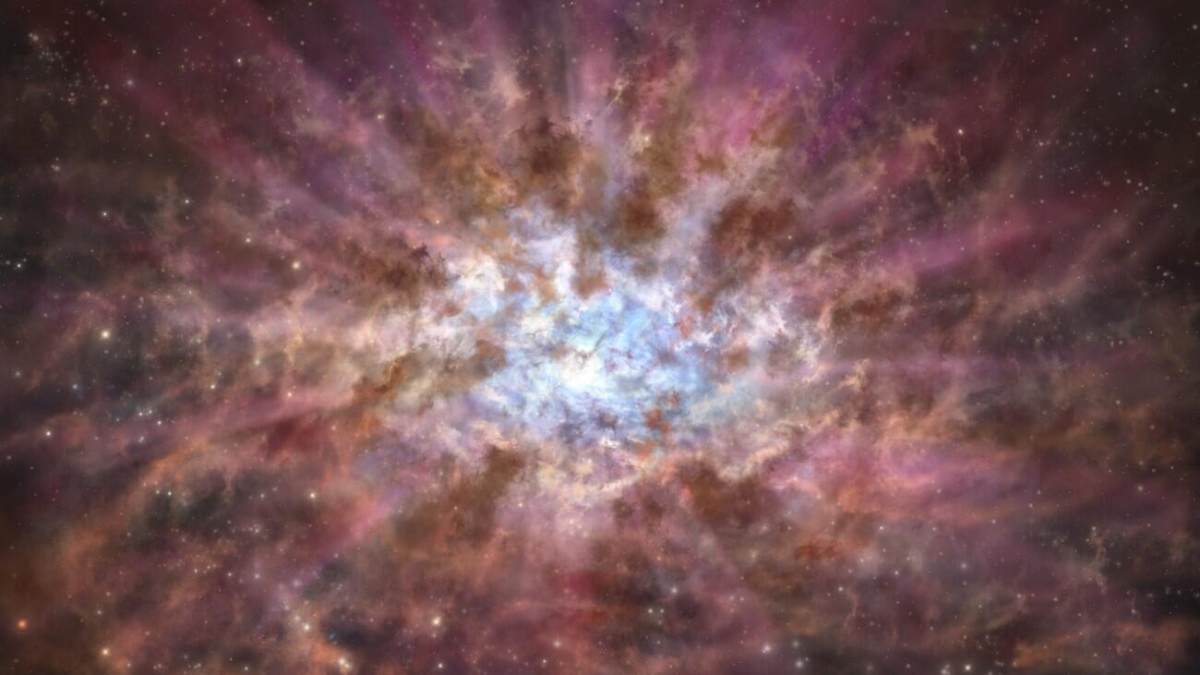
The team suggests this "pre-heating" was likely generated by X-rays originating from early black holes and stellar remnants that spread throughout the young universe. This early energy injection warmed the intergalactic medium, the gas between galaxies, effectively eliminating the possibility of a "very, very cold" universe immediately preceding the cosmic dawn.
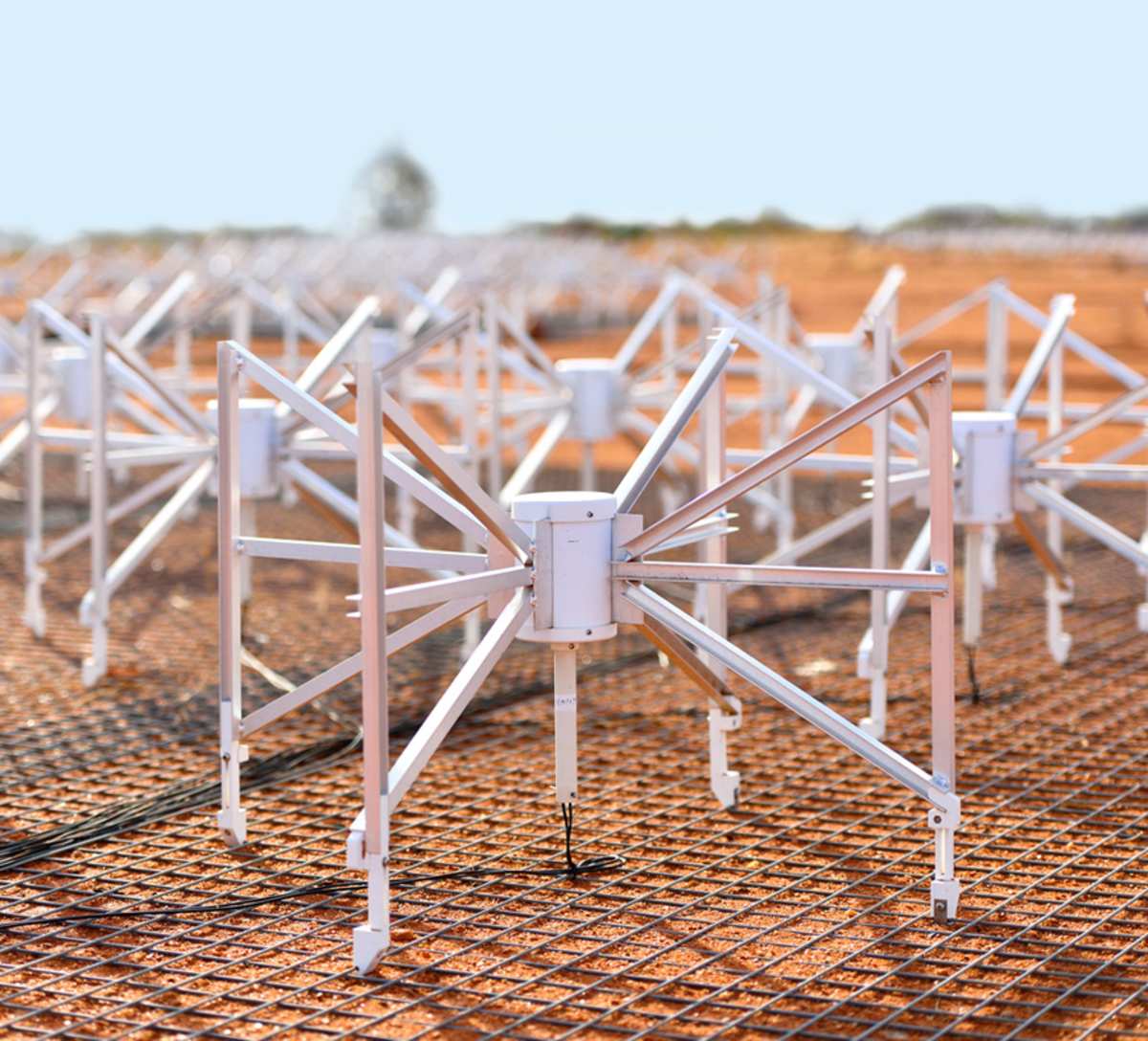
The team's findings were published in a pair of papers in The Astrophysical Journal. The initial results, "Limits on the 21cm power spectrum from MWA observations," appeared on August 8, 2025, while the second phase paper, "Improved limits with the MWA using Gaussian information," was published overnight.
This breakthrough represents a significant step forward in our understanding of the universe's infancy. By effectively clearing away much of the cosmic clutter, the astronomers have narrowed the search field considerably for the ultimate detection of this elusive epoch. The findings also underscore the vital role of sustained, long-term observation in unlocking the deepest secrets of our cosmos. The techniques developed during this extensive project will now be applied to the search for the Reionization signal using the massive SKA telescopes, which are currently under construction on Wajarri Country in Western Australia and in South Africa. The team remains confident the sought-after signal is "buried in there," awaiting cleaner, more precise data.
More on Starlust
'Infant' universe had magnetic fields weaker than your typical toy magnet, study reveals
Astronomers uncover 'most pristine' star, a cosmic relic from the early universe