Artemis II Commander Reid Wiseman named NASA JPL Deputy Director days after winning Stephen Hawking medal
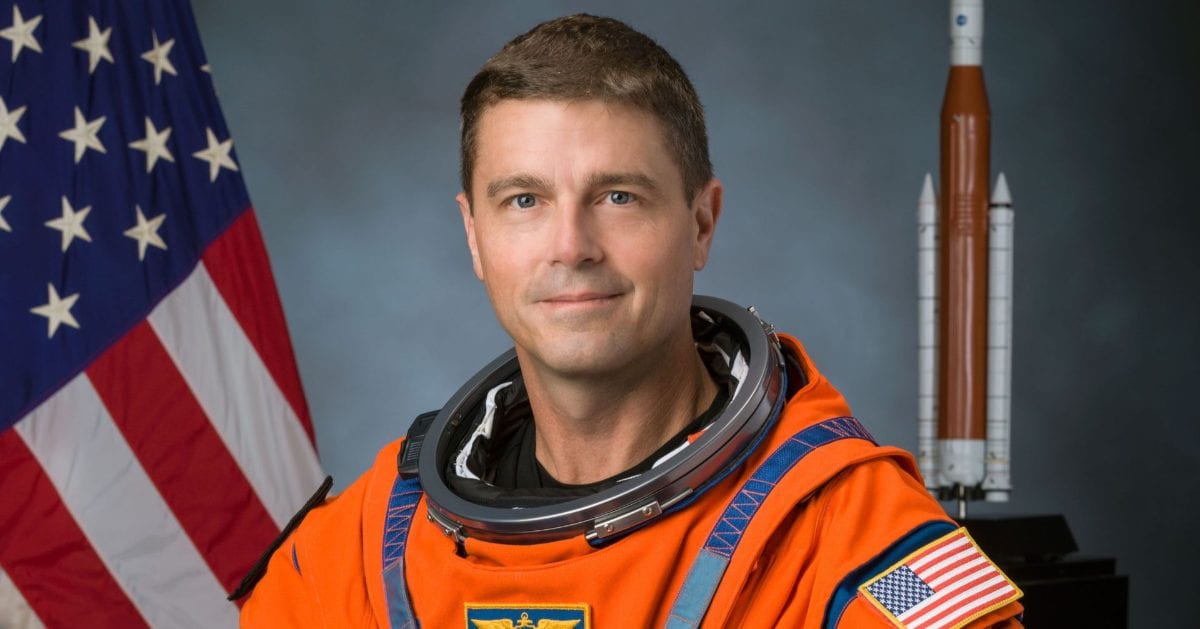
Artemis II Commander Reid Wiseman has been named in a key leadership role at NASA’s Jet Propulsion Laboratory (JPL), days after winning the prestigious Stephen Hawking Medal. Wiseman has been appointed as the deputy director, who will be responsible for the strategic leadership, stewardship, and continuous improvement of laboratory operations. He has also assumed the role of an associate vice president at the California Institute of Technology (Caltech) and will begin his duties on November 30, 2026. Notably, Wiseman and Artemis II Pilot Victor Glover have moved away from active spaceflight to an emeritus status to help future astronauts prepare for upcoming missions.
Welcome to the team, Artemis II Commander Reid Wiseman. Let’s Dare Mighty Things! 🚀 https://t.co/RVoGu5obF3
— NASA JPL (@NASAJPL) October 29, 2026
“As commander of Artemis II, he helped carry America back around the Moon, and now, as an emeritus astronaut, he will continue giving back to NASA from a new vantage point at JPL,” NASA Administrator Jared Isaacman said in a statement. “Reid is joining a storied laboratory that has made an enormous amount of history, and there is a lot more ahead. I am excited to see what he and the JPL team accomplish in the years to come.”
Pasadena, California here we come! I am thrilled to join @Caltech and @NASA’s Jet Propulsion Laboratory as they continue their legacy into the next 90 years of deep space exploration... The stars are calling and WE MUST GO! https://t.co/Y3Ij9ic37e
— Reid Wiseman (@astro_reid) October 29, 2026
“Pasadena, California, here we come! I am thrilled to join Caltech and NASA’s Jet Propulsion Laboratory as they continue their legacy into the next 90 years of deep space exploration…” Wiseman posted on X after the appointment. “The stars are calling and WE MUST GO!”
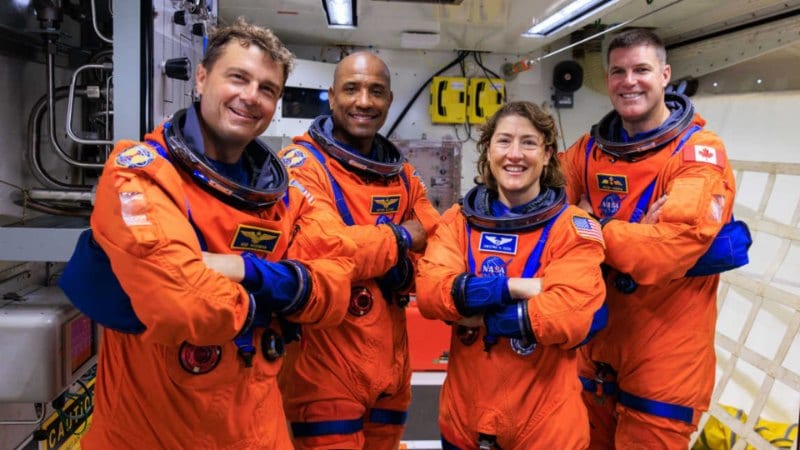
Wiseman is a former U.S. Navy Captain who led the Artemis II mission that launched on April 1. With Glover and mission specialists Christina Koch and Jeremy Hansen, he journeyed 695,081 miles during the lunar flyby—traveling farther from Earth than any humans in history and breaking the distance record set by the Apollo 13 crew in 1970. He joined NASA’s astronaut corps in 2009 and flew on his first space mission in 2014, serving as a flight engineer aboard the International Space Station (ISS) for Expedition 41 and spending 165 days in space. Artemis II was his second spaceflight, in which he spent nearly 10 days flying around the Moon and back. Wiseman also once lived in a habitat on the ocean floor for eight days in 2016 while commanding NASA’s 21st Extreme Environment Mission Operations expedition.
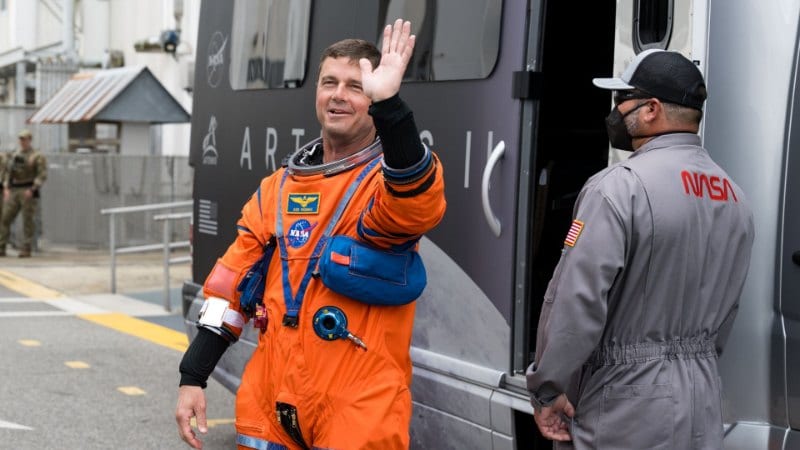
“I’ve explored the furthest reaches of what a human can explore at NASA — and there were truly no words in the English vocabulary to describe seeing the Sun disappear behind the Moon from deep space. But that experience was really the jumping off point to go do the impossible things that Caltech and JPL dream, dare together, and do for NASA and the nation,” Wiseman said after his appointment. This comes just days after he won the Stephen Hawking Medal for Science Communication at the Starmus VIII festival alongside his crewmates Glover, Hansen, and Koch. Apart from Wiseman, Koch has also taken on a key leadership role at NASA. Earlier this month, she was announced as the acting deputy chief engineer at the agency to fill in for the incumbent Katherine Van Hooser. Koch will begin her service on November 1, and she will oversee the engineering and technical aspects of the agency's projects and programs.
More on Starlust
Artemis II Pilot Victor Glover reveals tense moment when crew received 'cabin leak' warning in space
President Trump awards NASA's Artemis II crew the Congressional Space Medal of Honor