Artemis II update: Crew set to spot rare solar eclipse, make detailed surface observations and more
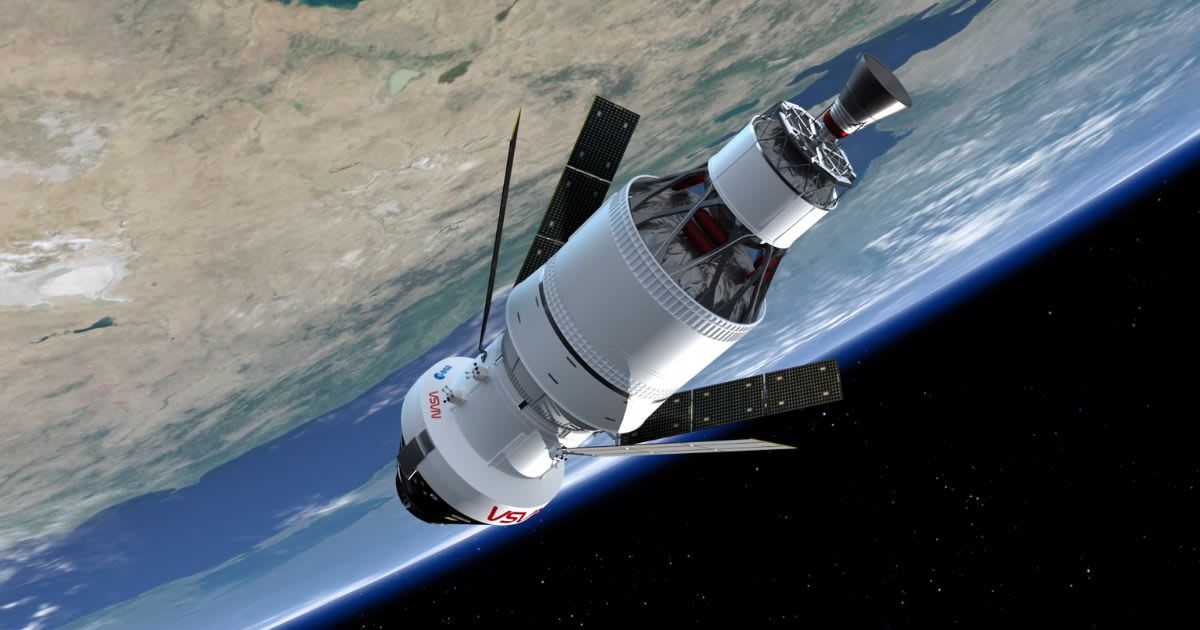
After a successful translunar injection burn (TLI), Artemis II’s Orion spacecraft is now all set on its free-return lunar trajectory. At the April 2 press briefing, NASA confirmed the confirmation of this 5-minute, 50-second maneuver and offered more insights into the mission’s status as well as plans for the rest of the 10-day trip around the Moon. On April 6, the crew will get a crucial six-hour window to observe the lunar surface like never before. Apart from seeing craters, ancient lava flows, cracks, and ridges, the astronauts will also get to experience a one-of-a-kind solar eclipse from deep space.
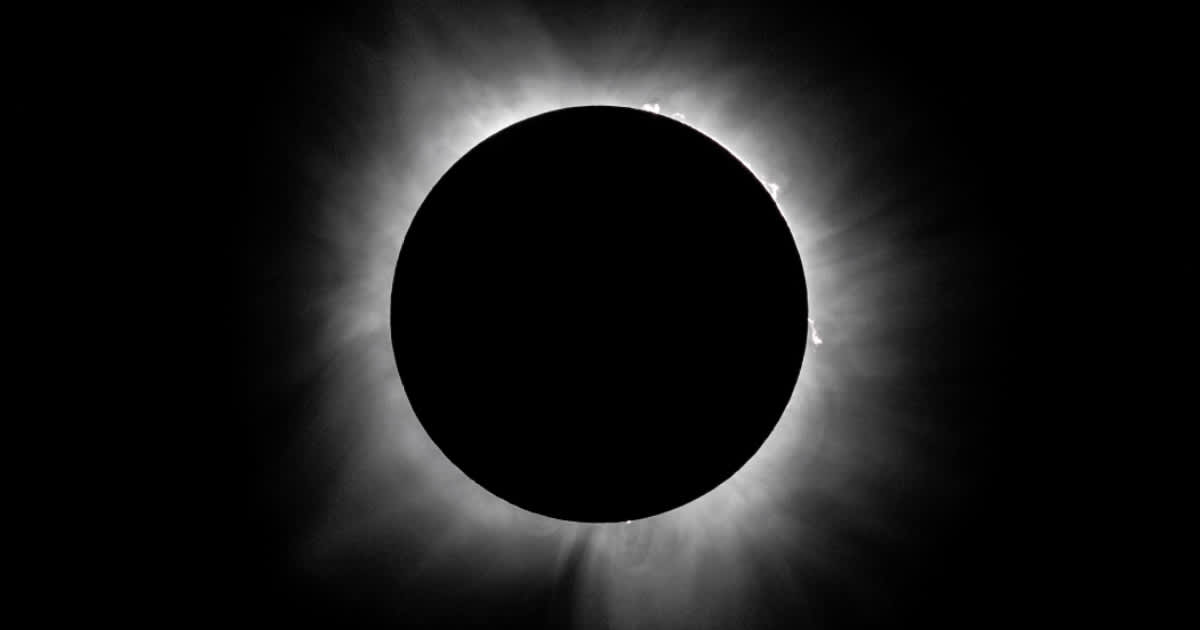
As the Sun passes behind the Moon from Orion’s perspective, the Artemis II crew will be able to see a mostly darkened lunar surface, with the Sun's normally imperceptible corona becoming visible instead. “It’ll be really cool when they’re out and beyond the Moon,” said Dr. Lori Glaze, Acting Associate Administrator for NASA's Exploration Systems Development Mission Directorate. “With the Moon eclipsing the Sun, they’ll be able to see the Sun’s corona. They’ve been trained on it, and they’re looking forward to it.” This opportunity will also allow the crew to spot flashes of light from meteoroid impacts and dust lofting above the Moon's edge, as well as deep space targets, including planets.
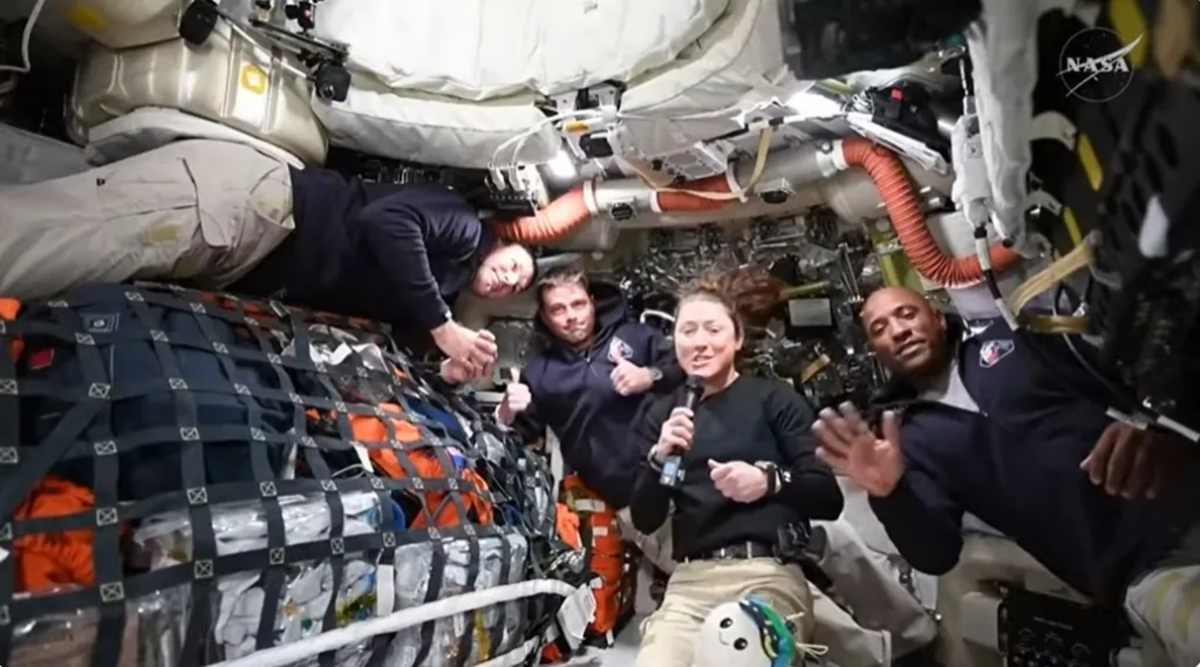
Aboard the Orion spacecraft (named Integrity by the crew), the flywheel exercise system was put to use. It uses a yo-yo-like cable mechanism to support aerobic exercises like rowing and resistive movements such as squats and deadlifts. Despite weighing just 30 lbs, the machine can generate up to 400 lbs of resistance. In comparison, the International Space Station uses nearly 4,000 pounds of exercise equipment spread across about 850 cubic feet, which is impossible for capsules like Orion. Artemis II Flight Director Judd Frieling spoke to Commander Reid Wiseman and shared, “His arms were really, really tired, and he got a great cardio workout. So we took some samples of what the carbon dioxide was while we were doing exercise, and that was all great as well.”
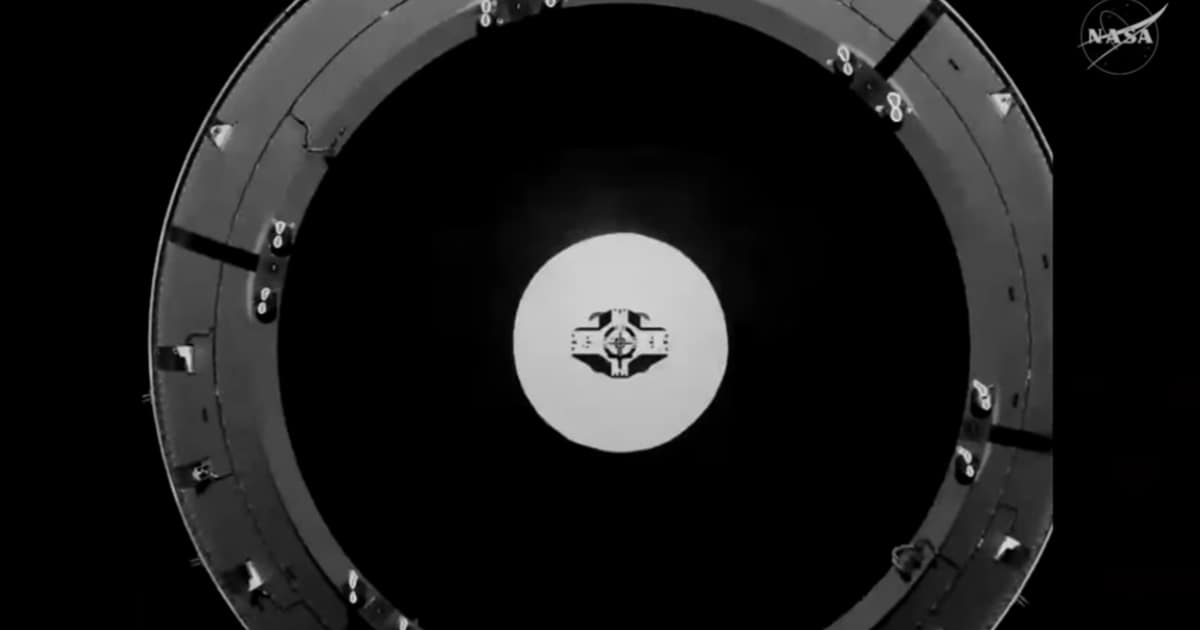
Another key Artemis II status update was the crew successfully demonstrating proximity operations with the upper stage. This involved backing away from the stage with a controlled “backflip”-type move and manually piloting Orion to within about 30 feet of the upper stage. This was a crucial milestone not just for this flight but for future Artemis missions, which will see spacecraft dock with each other.
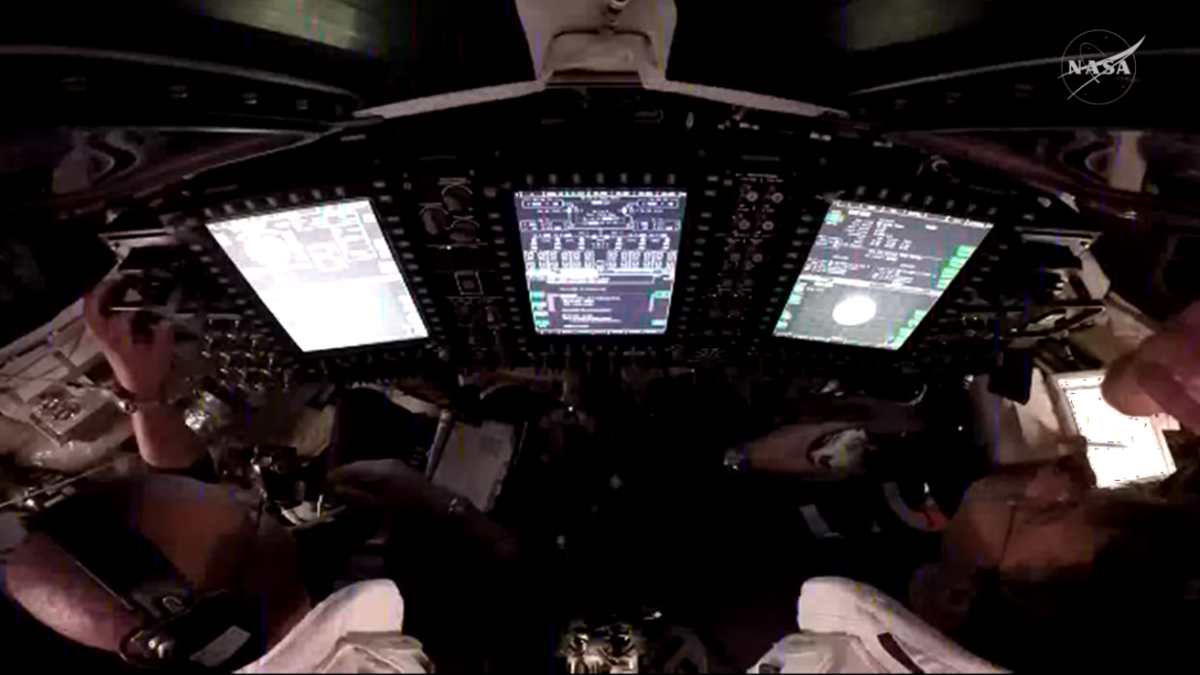
Mission management also discussed how Artemis II’s visual observations are going to be different from those of the Apollo program. Frieling, in fact, reiterated how the Moon would be roughly the size of a basketball at arm’s length from the crew's vantage point. Moreover, the handheld cameras that are accompanying the crew are also equipped with really long lenses and are expected to provide really high-resolution images. However, Dr. Glaze added that it will take longer to get the data (images) down to Earth and observe them properly. She explained, “While the camera technology that we have up there is outstanding and we'll have very, very high-resolution, high-quality images, the downlink from the Moon is not as great as it could be, as it is from low Earth orbit.”
Following the successful @NASAArtemis translunar injection burn, the Orion capsule’s communications have once again transitioned from the Near Space Network to the Deep Space Network.
— NASA JPL (@NASAJPL) April 3, 2026
This is one of many planned comms handovers on the crew's journey around the Moon. 📡 pic.twitter.com/QaCiiaIEly
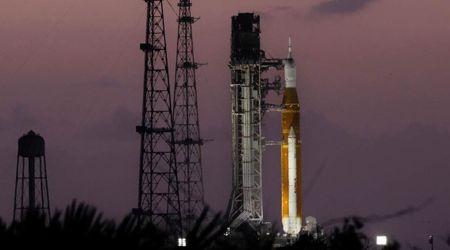
At the briefing, NASA also confirmed that a cause had been found for the brief post-launch communications blackout. This was due to a ground configuration issue with relay satellites, which was quickly resolved and had no impact on the mission. They also addressed concerns around the mobile launcher’s condition after the SLS rocket lifted off. Dr. Glaze called the damage “largely cosmetic” and stated that it was much better than the Artemis I launch situation.
More on Starlust
NASA's SpaceX Crew-11 astronaut reveals he temporarily lost the ability to speak in space
The Artemis II crew had a toilet scare aboard the Orion spacecraft