Artemis II crew to get solar radiation forecasts from two new U.S. university-developed models
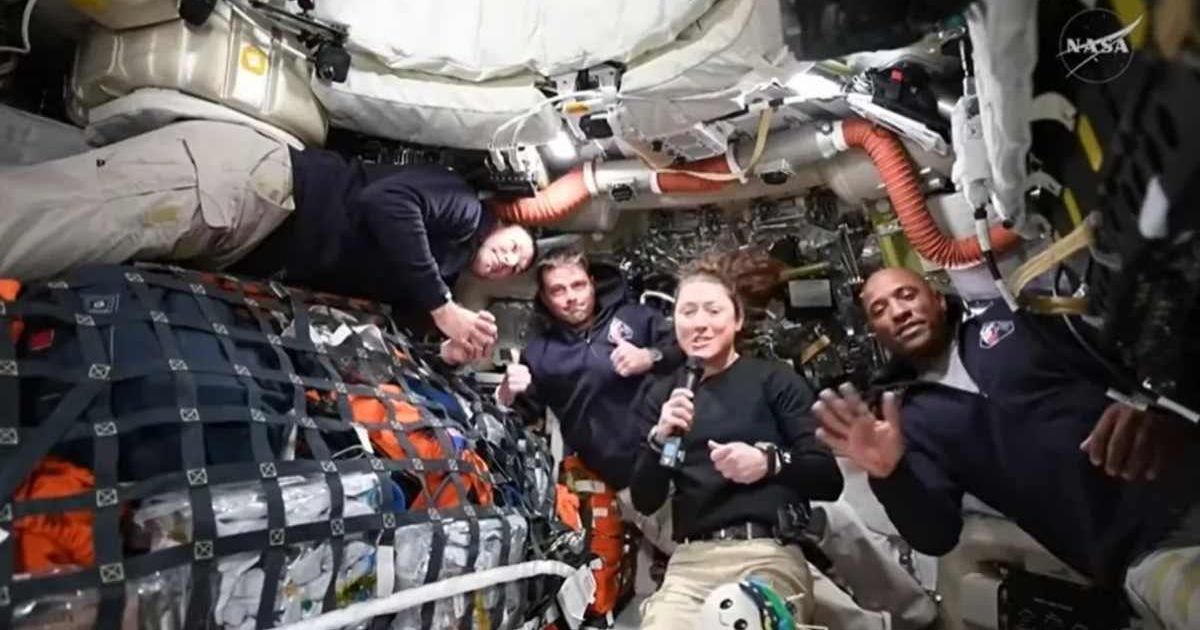
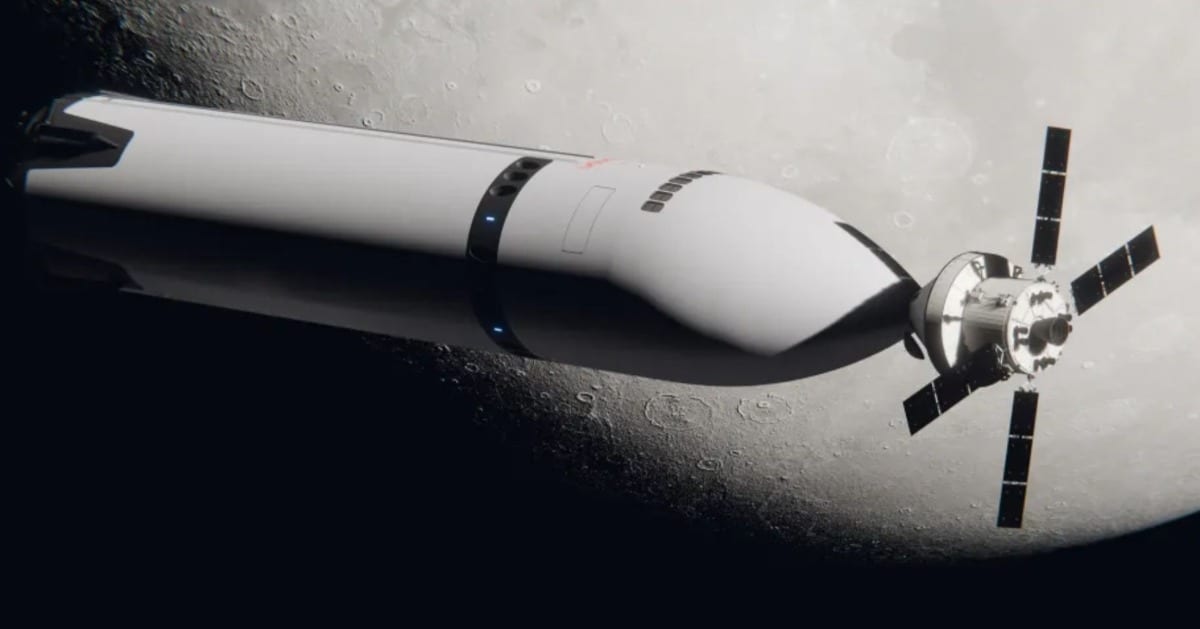
To go around the far side of the Moon, the Orion spacecraft must also venture outside of Earth's protective magnetic field. This makes monitoring the Sun and the space weather it is responsible for all the more crucial during the Artemis II mission. This will not just ensure the safety of the astronauts currently on their way to the Moon but will also help NASA prepare better for future crewed missions to deep space. After all, Artemis II is essentially a test flight, and NASA's Space Radiation Analysis Group (SRAG) is using this opportunity to check out a couple of new solar radiation forecast models developed by the University of Michigan Engineering.
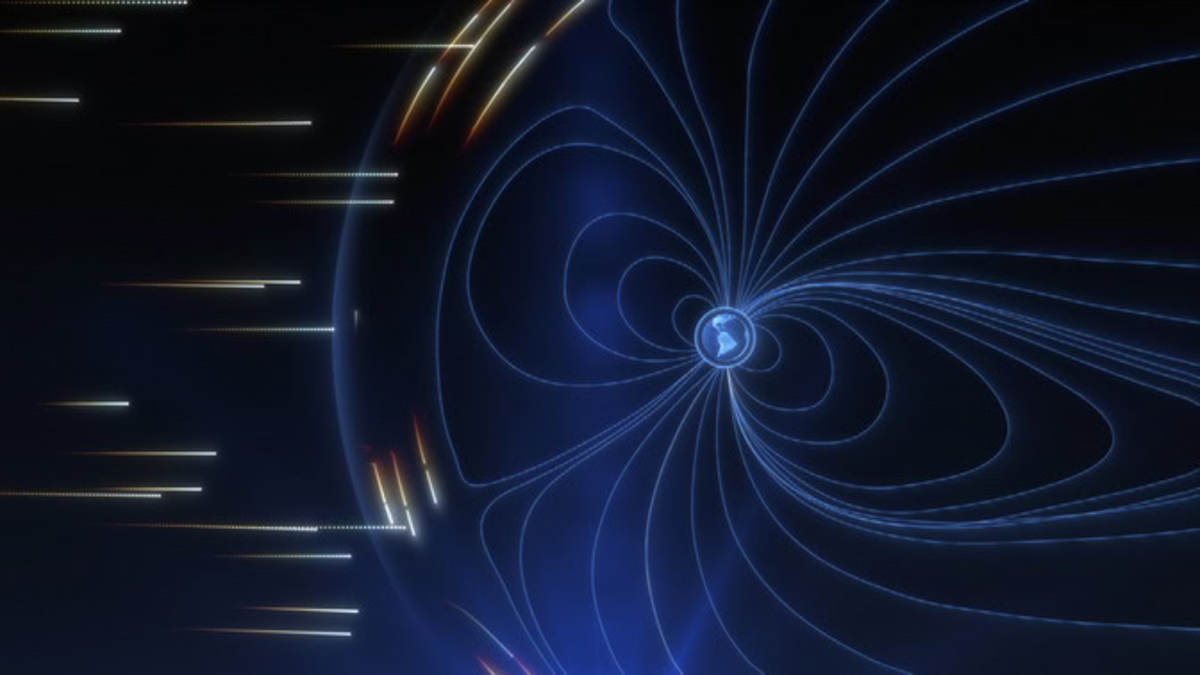
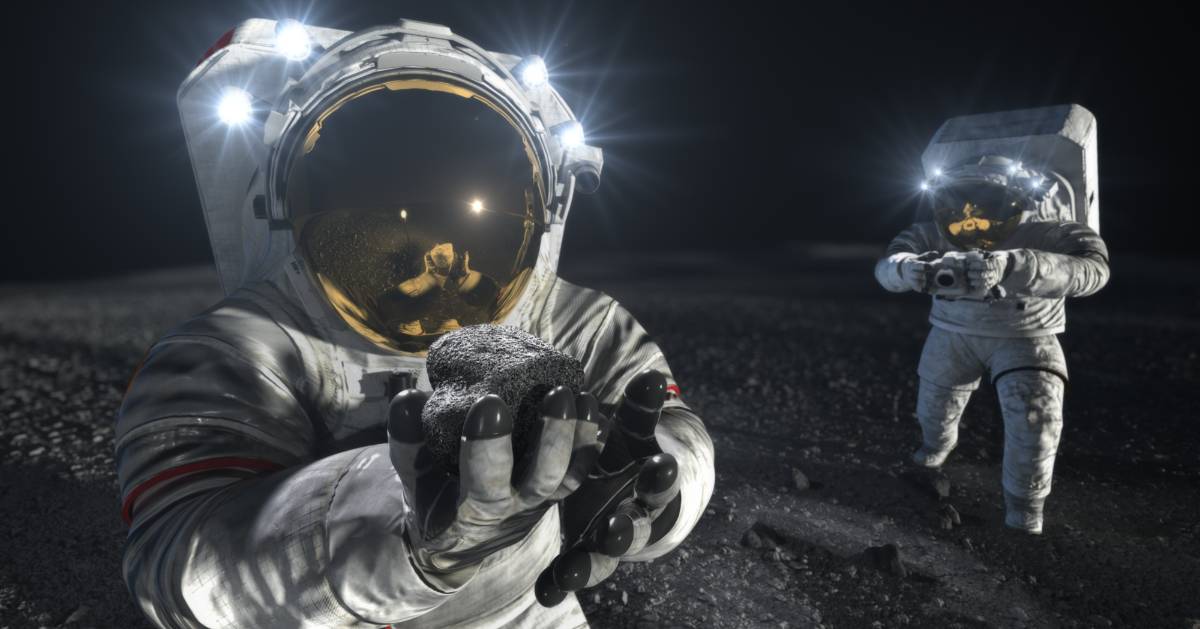
Solar particle events triggered by coronal mass ejections and solar flares will be the biggest threat to the Artemis II crew. If a significant particle event takes place in the vicinity of the spacecraft, the radiation levels inside it could shoot up, and too much exposure can increase the chances of developing cancer and other health disorders. Of course, the astronauts have been trained to deal with a situation like this. Should an event like this come to pass, they will reconfigure their cabin inside Orion, removing stowed equipment from the storage bays and placing it along the areas most exposed to radiation, thereby adding mass between themselves and the charged particles.
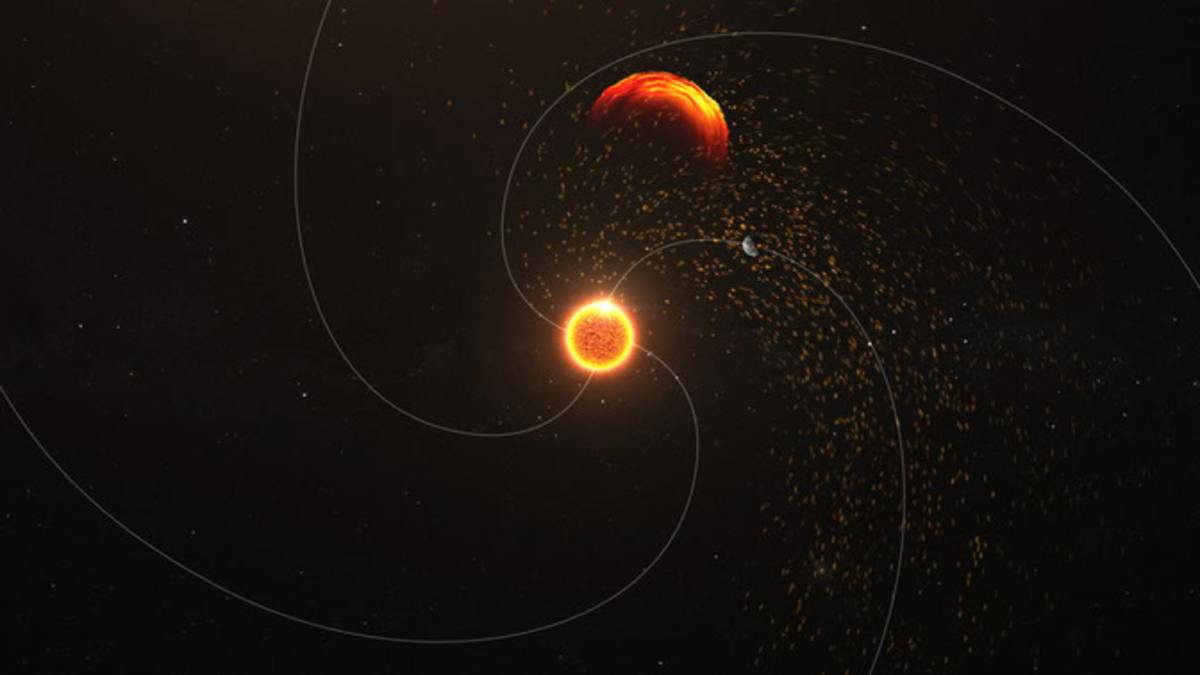
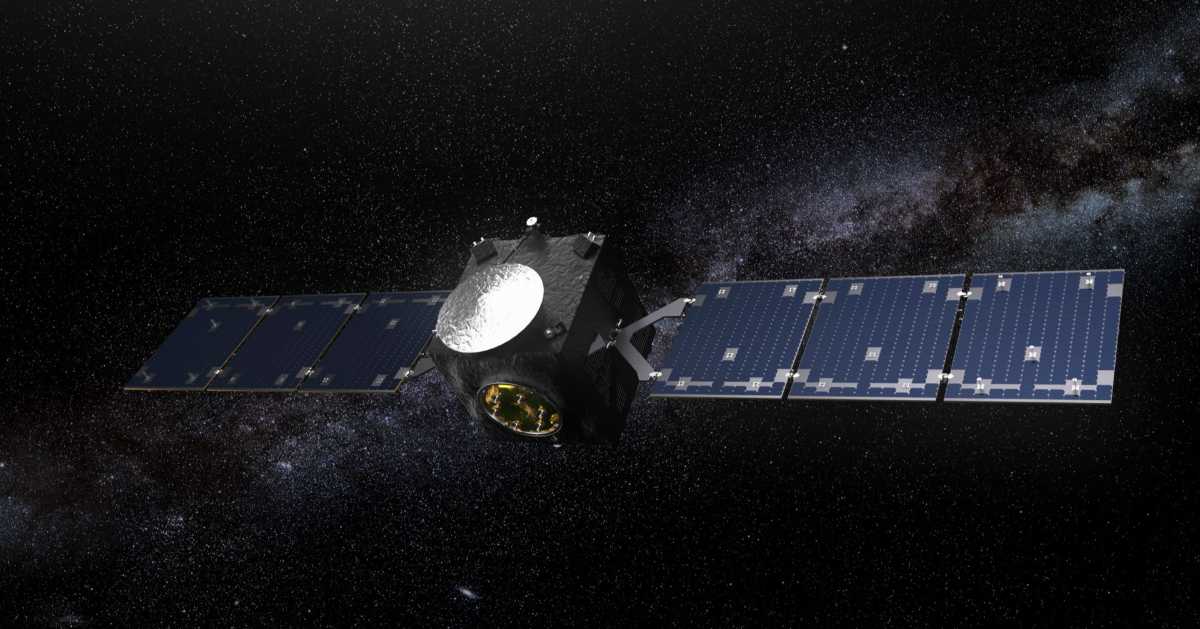
What the models will do is provide the crew with warnings of harmful solar radiation up to 24 hours in advance, therefore giving them a head start for taking the aforementioned safety measures. The machine-learning model, in particular, forecasts the odds of dangerous solar radiation, similar to how your everyday weather forecast provides the hourly percent chance of rain. The predictions are based on the imagery obtained by the Solar Dynamics Observatory (SDO), which observes the entirety of the Sun and its magnetic field in both visible and ultraviolet (UV) light, and the Solar Heliospheric Observatory (SOHO), responsible for photographing the corona.
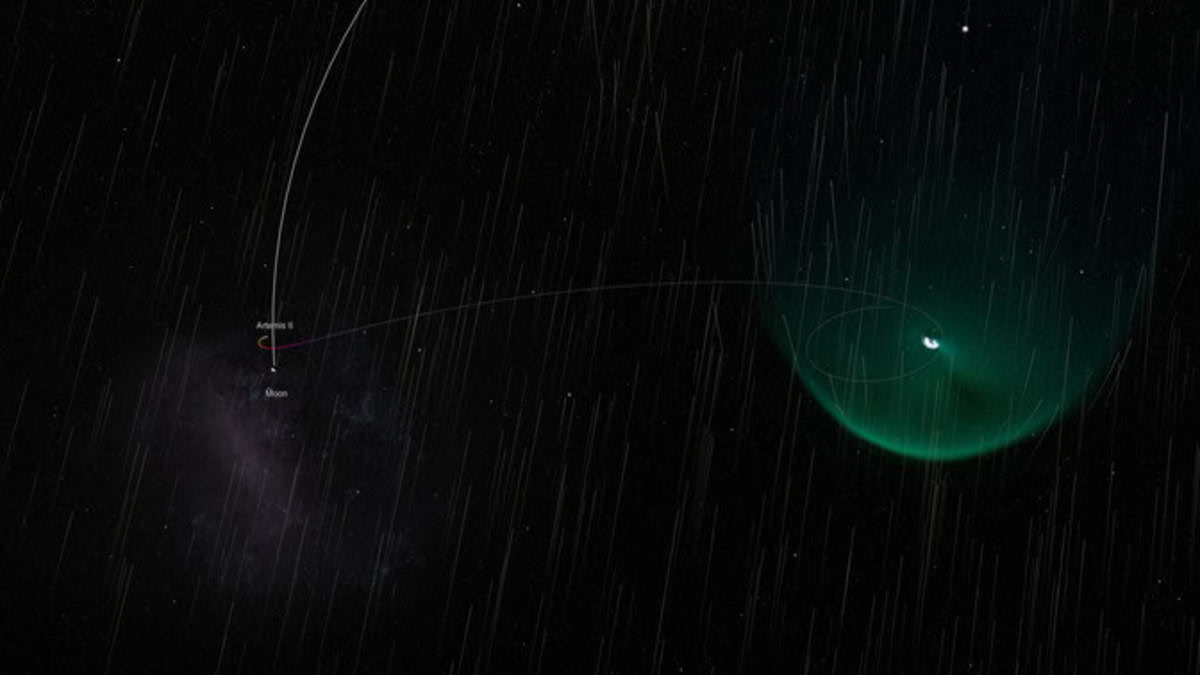
“We are looking at the sun 24/7, specifically the magnetic evolution of the sun and events such as flares and eruptions, to see if any extra energy will be released,” said Lulu Zhao, University of Michigan assistant professor of climate and space sciences and engineering and the principal investigator of the CLEAR Center, which developed the forecasting tools with funding from NASA. Now, the machine learning model, as useful and crucial as it is, only calculates the probability of a dangerous particle storm but not any details about the storm itself, such as how long it will last. This is where the second physics-based model comes in. The second model will predict both the timing of a particle storm at Earth and the Moon and the possible duration of the radiation event.
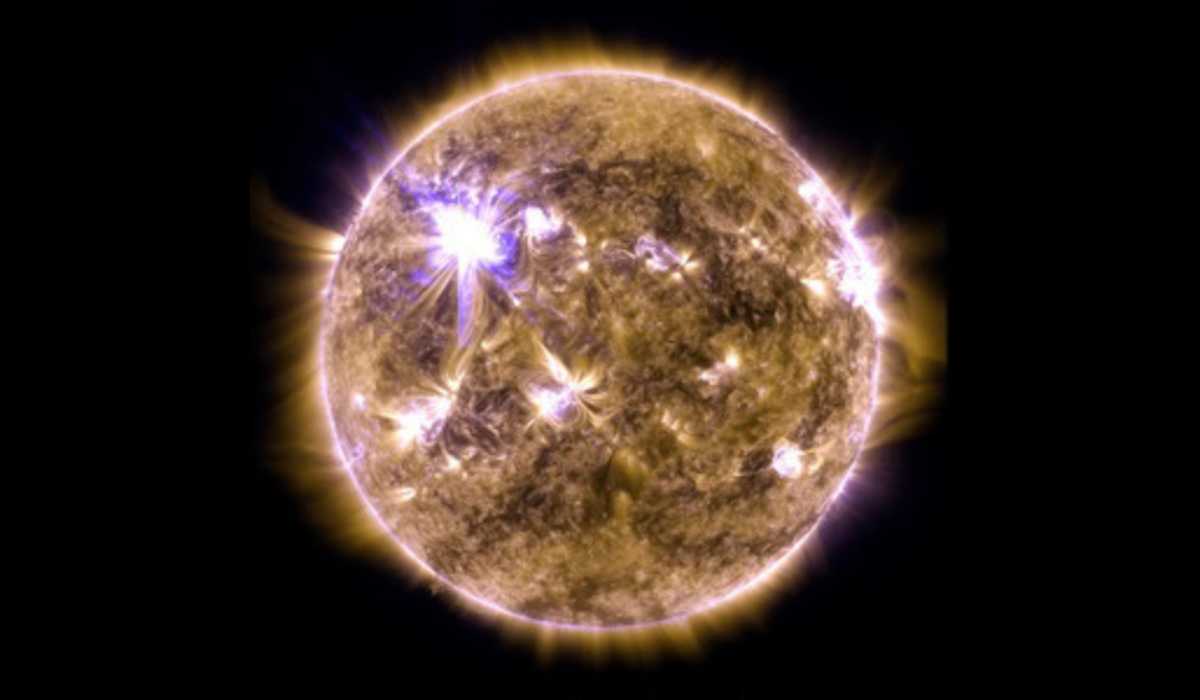
Based on a model of the solar corona, also devised by scientists at the University of Michigan, the tool will run continuously throughout the mission. Whenever there is an eruption, NASA's Moon to Mars office will upload its speeds to a database, which will be automatically taken up by the model for the estimation of radiation exposure. “We asked NASA to reserve 3,000 processing units on their supercomputer for us during the mission so the model can run as quickly as possible whenever there is an eruption,” Zhao said. “We can’t afford delays because the harmful particles can reach Earth so quickly.”
The translunar injection burn not only sets the Artemis II astronauts on the path to the Moon — it also puts the crew in a free return trajectory, which will allow them to use Moon's gravity to return to Earth. https://t.co/kax5kH9s9x
— NASA Artemis (@NASAArtemis) April 3, 2026
As it stands, the Artemis II mission has left Earth's orbit and is officially on its way to the Moon following the translunar injection (TLI) burn. The launch preparation encountered a few technical anomalies. There was even a fear that intense solar activity in the first half of 2026 would make it a high-risk window for the mission. But so far, Artemis II has progressed nominally, barring a few minor issues that were resolved pretty quickly.
More on Starlust
The Artemis II crew had a toilet scare aboard the Orion spacecraft
Artemis II completes translunar injection, leaves Earth orbit and heads toward the Moon