Artemis II second wet dress rehearsal: NASA starts countdown to mock launch

NASA has begun the countdown for the Artemis II wet dress rehearsal at the Kennedy Space Center in Florida, marking a critical step toward the crewed lunar flyby mission. The clock started at 6:50 pm EST on Tuesday, February 17, or L-49 hours and 40 minutes, with the simulated launch window set to open at 8:30 pm on Thursday, February 19, 2026. It is important to note that the “L-time” convention follows real time, while “T-time” stops during holds and can be reset as well.
Launch controllers have arrived at their consoles at @NASAKennedy to begin the second wet dress rehearsal for Artemis II.
— NASA (@NASA) February 18, 2026
The tanking portion of the test will be streamed live to our YouTube channel on Feb. 19. Timely updates can be found on our blog: https://t.co/40PMWktQjO pic.twitter.com/0WeZ8uNqgj
This test will load cryogenic propellants into the Space Launch System (SLS) rocket’s tanks, run through most launch procedures, recycle the countdown clock (when needed), and practice draining the fuel for potential scrubs, making sure teams are ready for the actual launch tentatively targeted for March 6, 2026.
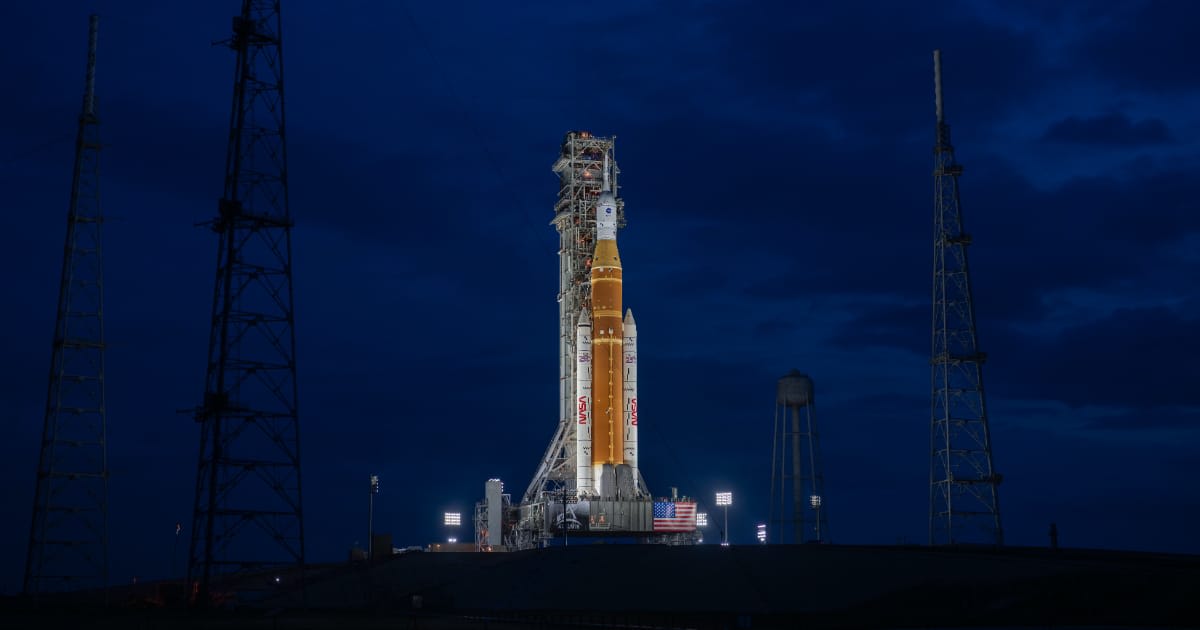
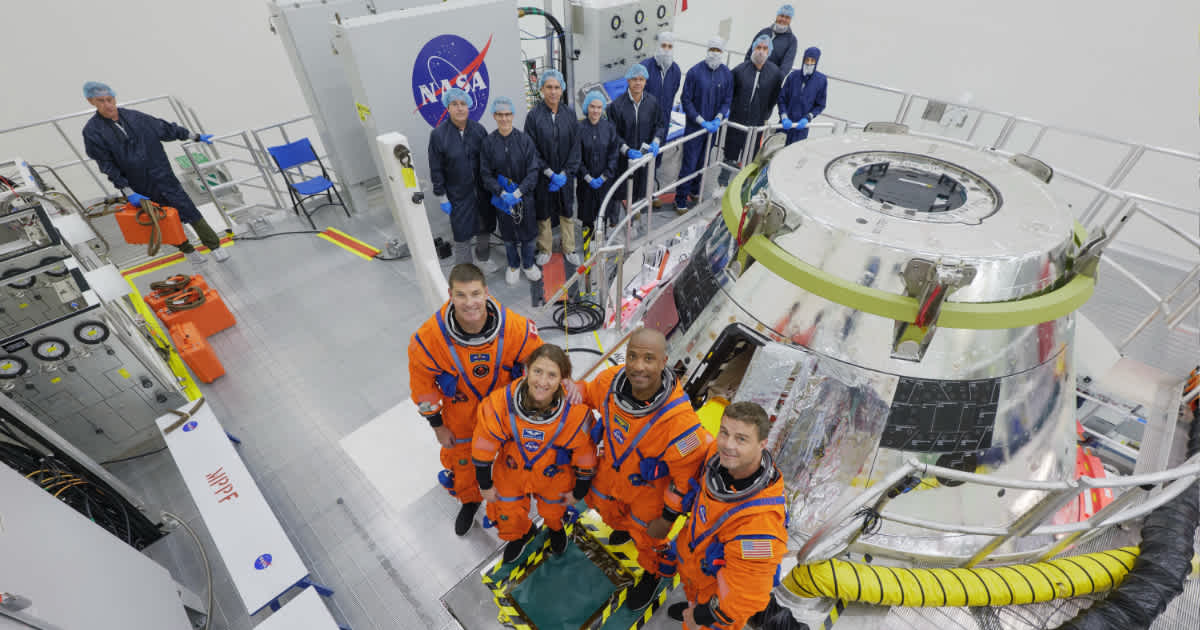
Launch teams at Kennedy, along with support teams from Johnson Space Center’s Mission Control in Houston, amongst other NASA centers, will execute a detailed timeline of events. This includes powering up the life-sustaining Orion capsule, the core stage, and the interim cryogenic propulsion stage (ICPS) before loading the propellants. During the rehearsal, the Artemis closeout crew will also perform closeout operations, which include closing the Orion crew module and launch abort system hatches.
During the terminal countdown, teams have to resort to the following holds to fix issues without always having to recycle the clock. They can pause at 6 minutes for the whole launch window (unless less than 6 minutes are left for liftoff) or hold up to 3 minutes between T-6 and T-1:30 and resume right away. Longer holds in that window, or any pause after T-1:30 before automation starts, mean recycling back to T-10 if time allows.
A taste of what’s to come.
— NASA (@NASA) February 10, 2025
This animation reveals in vivid detail how the Artemis II mission will launch from @NASAKennedy, fly around the Moon, and splash back down on Earth — all with four astronauts aboard. Watch the full version here: https://t.co/QpBvVYgxsZ pic.twitter.com/YexT3gqn3L
This wet dress rehearsal follows a recent confidence test on February 12, 2026, that partially filled the core stage LH2 tank to check a couple of replacement seals. They were put in place to counter the excessive hydrogen concentrations detected during the initial rehearsal that concluded on February 3, 2026. This earlier confidence test caught a ground equipment filter issue, causing reduced LH2 flow, prompting a swap that will also be tested with this dress rehearsal.
At the end of a successful wet dress rehearsal, teams will install temporary platforms on the mobile launcher for flight termination system checks on the solid rocket boosters and core stage intertank to meet Eastern Range safety regulations. Preparations for the same are already in progress, with personnel having moved the required equipment near the launchpad. The test can go on till 12:30 am on Friday, February 20, 2026. Once completed, teams will begin analysis of the data gathered during the test and decide if the Artemis II mission launch can take place on March 6 or will have to be delayed further to address any issues that may be detected during the rehearsal.
More on Starlust
Artemis II: All you need to know about the February 19 wet dress rehearsal
NASA advances Artemis IV preparations with key water system activation at Stennis Space Center