NASA conducts 'confidence test' of Artemis II SLS rocket, catches issue with liquid hydrogen flow
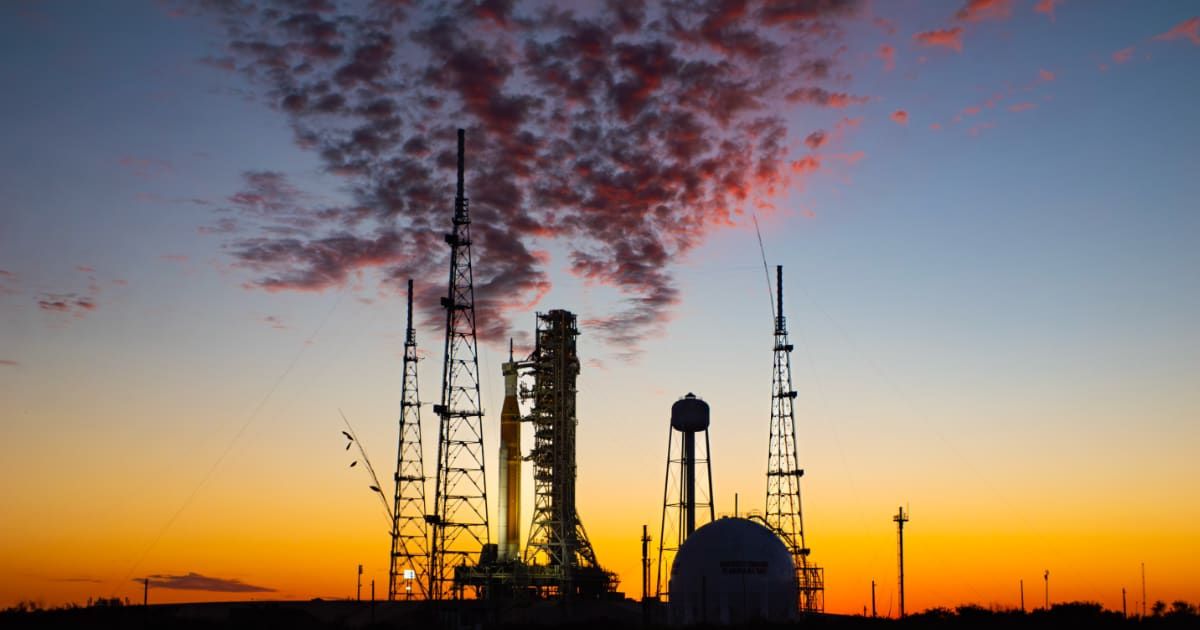
NASA completed a key confidence test on the Space Launch System (SLS) rocket for the Artemis II mission to verify the newly replaced seals in the area that showed higher-than-allowable hydrogen gas concentration during the wet-dress rehearsal. On February 12, 2026, engineers filled the SLS core stage’s liquid hydrogen tank partially, achieving several critical objectives despite an issue that emerged with ground support equipment. The issue resulted in a reduced hydrogen flow to the SLS core stage. A filter in the ground support equipment is suspected to be the cause.
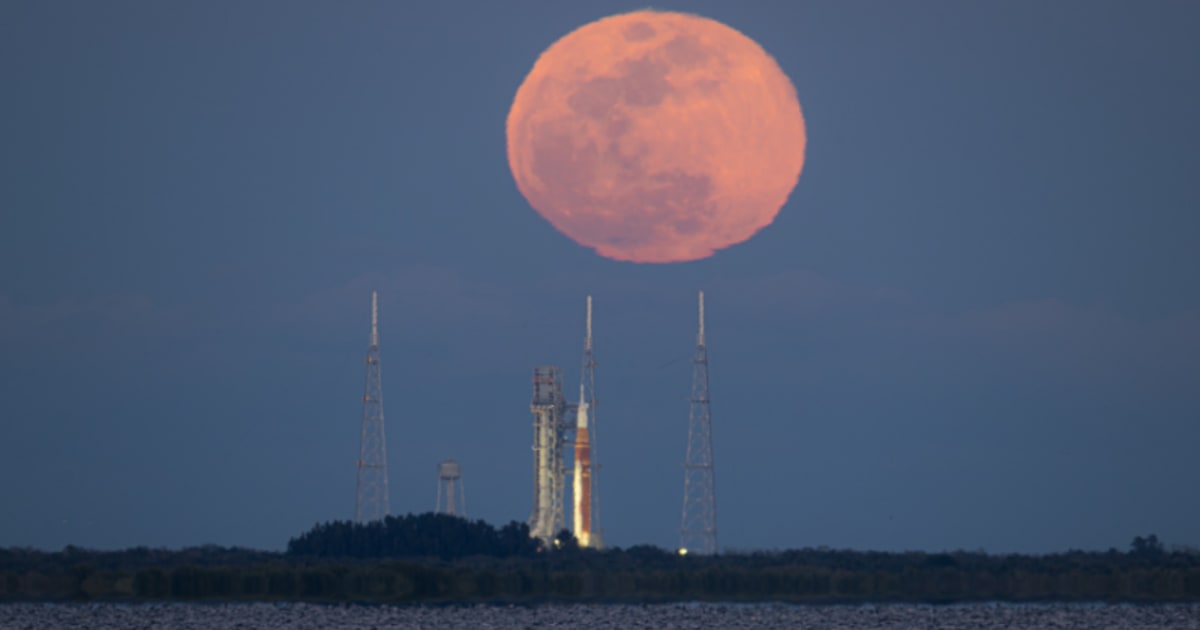
Following the test, NASA teams were scheduled to empty the hydrogen lines over the weekend to maintain safe conditions. They are also supposed to inspect the ground support equipment and replace the faulty filter before deciding on the date of another wet dress rehearsal this month. After concluding the first wet dress rehearsal on February 3, 2026, technicians had accessed the tail service mast umbilical (TSMU) on the mobile launcher, removed interface plates from both rocket and ground sides without having to roll the extremely heavy stack back to the Vehicle Assembly Building (which remained a possibility until NASA confirmed otherwise), and swapped out the faulty seals around the two fueling lines that supply liquid hydrogen to the core stage of the rocket.
NASA completed a wet dress rehearsal for the Artemis II mission in the early morning hours on Feb. 3. To allow teams to review data and conduct a second wet dress rehearsal, NASA will now target March as the the earliest possible launch opportunity for the Artemis II mission.… pic.twitter.com/jSnCUPLQb6
— NASA (@NASA) February 3, 2026
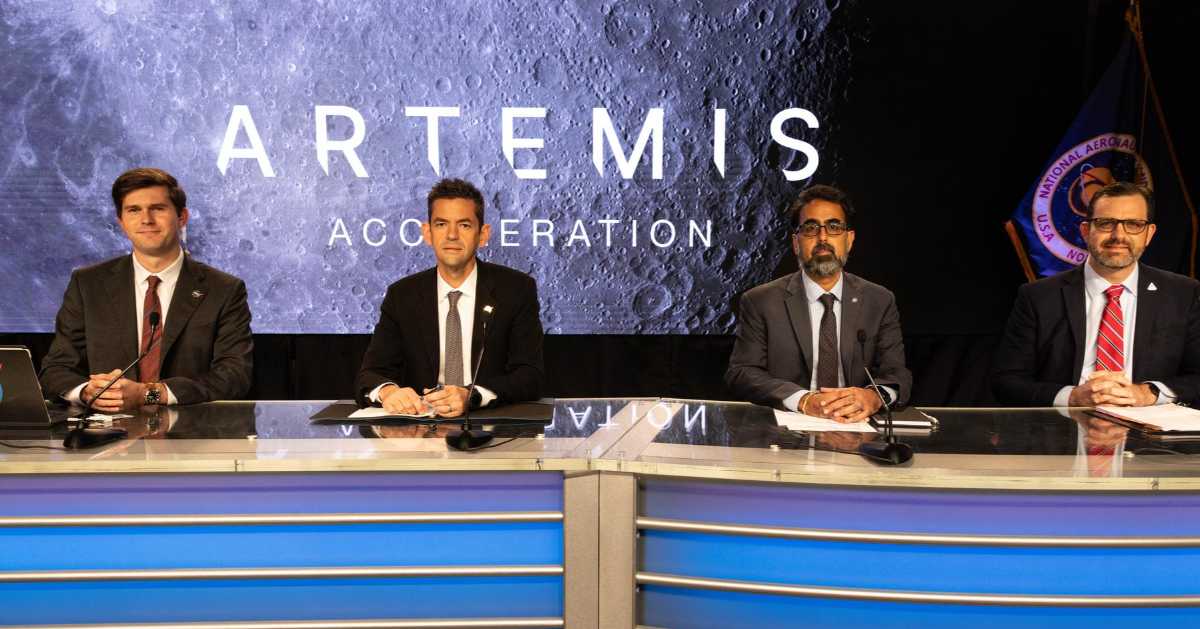
Artemis Launch Director Charlie Blackwell-Thompson noted in the news conference held in the aftermath of the first wet dress rehearsal that pad-based repairs, proven during Artemis I, allow efficient fixes, thereby providing a cushion against delays that can occur due to rollbacks. What's also important to note is that for the upcoming full wet dress rehearsal, NASA has introduced procedural changes, including closing the Orion crew module hatch before the test, keeping closeout crews off the pad, doing away with the crew access arm retraction step, which was already verified to have been functional, and adding two 30-minute holds during tanking to help spot and troubleshoot issues in real time.
A taste of what’s to come.
— NASA (@NASA) February 10, 2025
This animation reveals in vivid detail how the Artemis II mission will launch from @NASAKennedy, fly around the Moon, and splash back down on Earth — all with four astronauts aboard. Watch the full version here: https://t.co/QpBvVYgxsZ pic.twitter.com/YexT3gqn3L
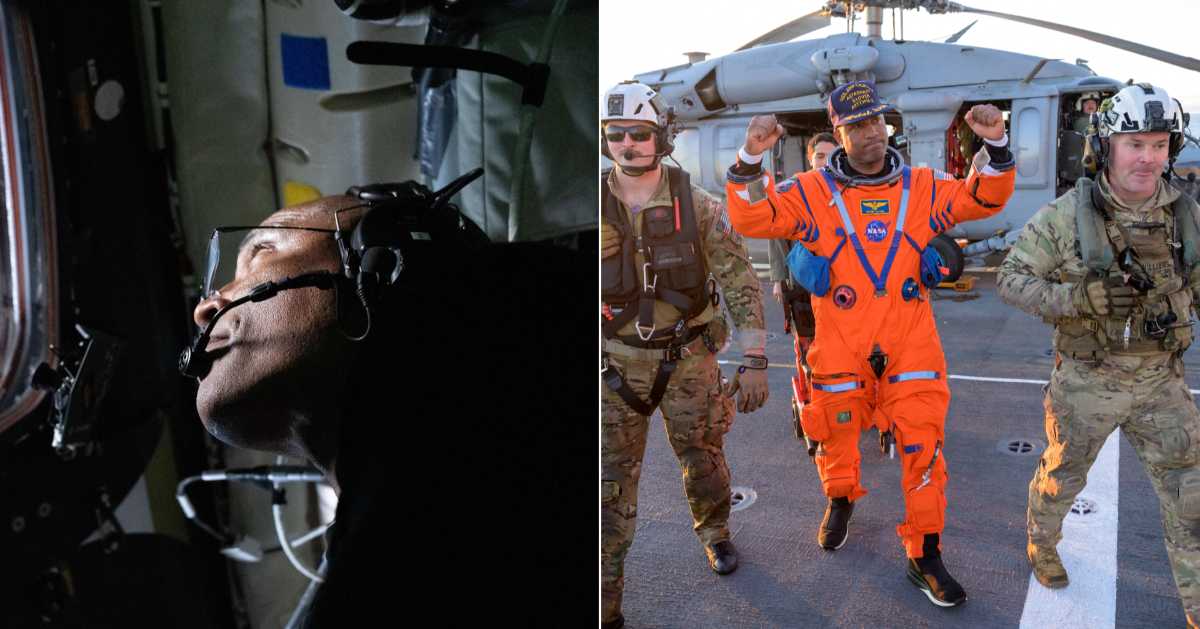
March is the earliest opportunity to send astronauts Reid Wiseman, Victor Glover, Christina Koch, and Jeremy Hansen on their 10-day mission, the highlight of which would be a lunar flyby. The mission will test human operations aboard Orion using a fuel-efficient free return trajectory. Success here will build on the underlying data that points to the fact that the Space Launch System (SLS) rocket and Orion stack can indeed function as designed with humans on board, after Artemis I’s uncrewed demo performed admirably even with delays of its own.
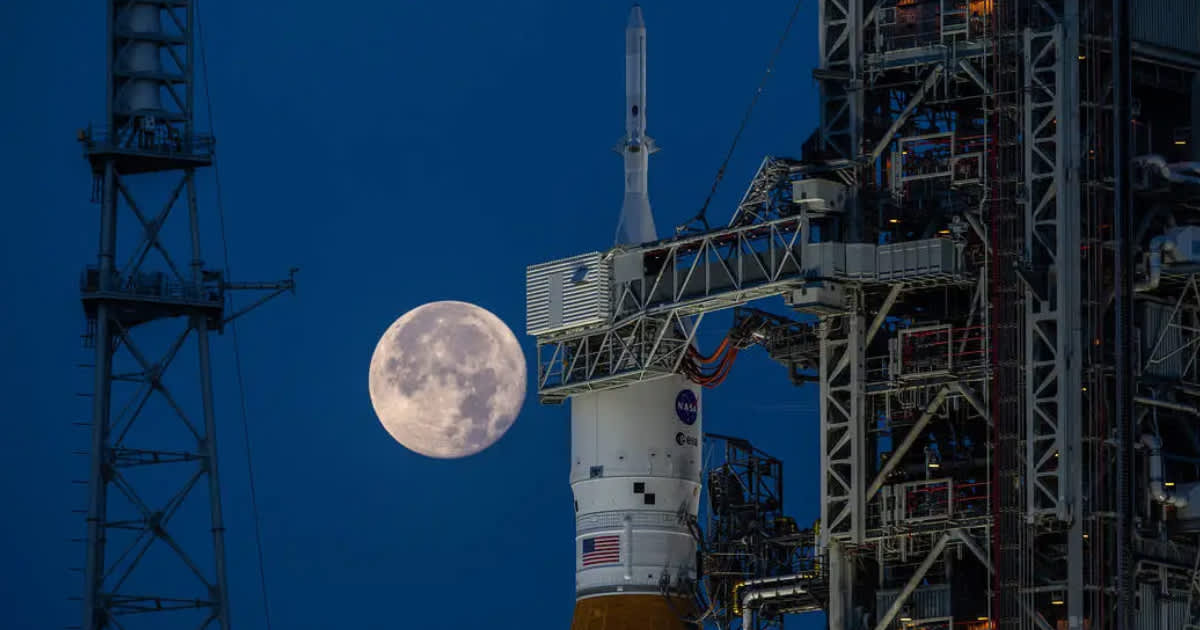
This mission serves as a precursor to more global aerospace industry collaborations with the Artemis program missions that are in the pipeline for NASA. Artemis missions are possible because of the combined efforts of its international partners, like the ESA and the CSA, and commercial partners such as SpaceX and Blue Origin, to deliver humans to the lunar surface and to Gateway, poised to be the lunar orbiting lab deployed with Artemis IV.
More on Starlust
NASA advances Artemis IV preparations with key water system activation at Stennis Space Center
NASA's Artemis II and Crew-12 astronauts will be first to carry latest smartphones to space