Artemis II: NASA powers up SLS rocket's core stage hours before second wet dress rehearsal
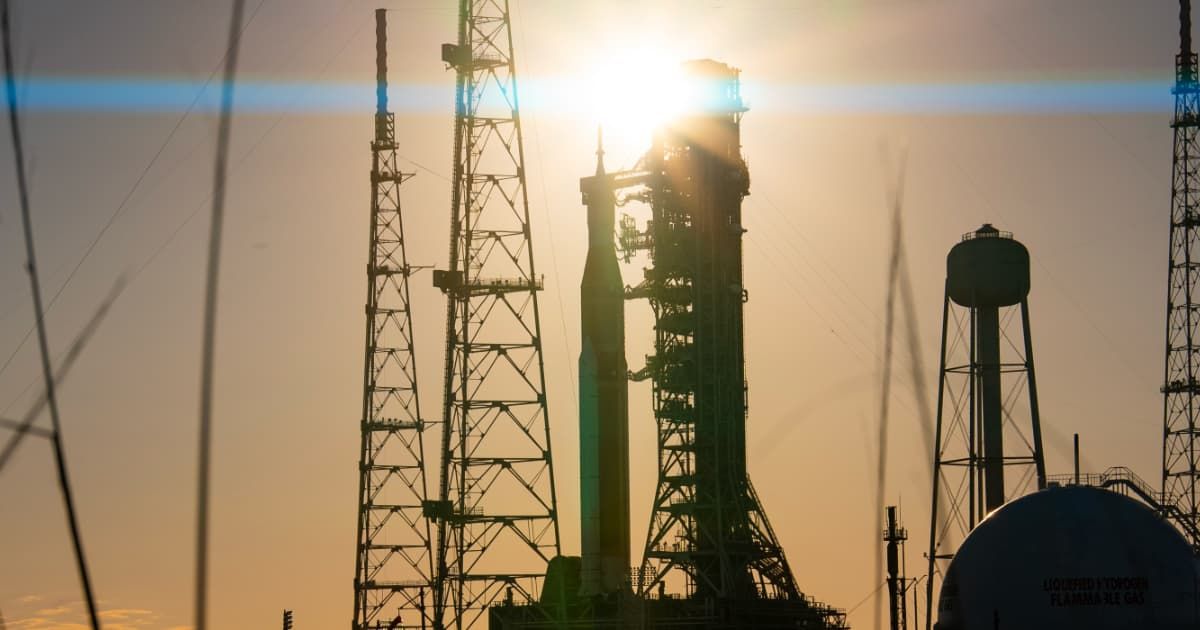
According to NASA, the early hours of Wednesday, February 18, 2026, in Florida saw the agency take a few key steps as a part of the countdown to the second wet dress rehearsal for its Artemis II mission. At around 3 am EST, teams powered up the Space Launch System (SLS) rocket’s core stage in preparation for loading more than 700,000 gallons of cryogenic fuel during the upcoming tanking phase.
The second wet dress rehearsal for the Artemis II mission continues as teams power up the rocket’s core stage — which contains propellant tanks — and charge the Orion spacecraft’s flight batteries.
— NASA (@NASA) February 18, 2026
Tomorrow, teams will practice fueling the rocket. https://t.co/R6CRW9PcdO pic.twitter.com/l80UhQ6hhn
The interim cryogenic propulsion stage (ICPS) also received power overnight, while operators began charging the batteries of Orion, named Integrity by this mission’s crew, at approximately 11 am EST, or L-33 hours and 30 minutes into the countdown. Core stage battery charging was also on the schedule in the afternoon, alongside final preparatory steps to the umbilical arms of the mobile launcher.
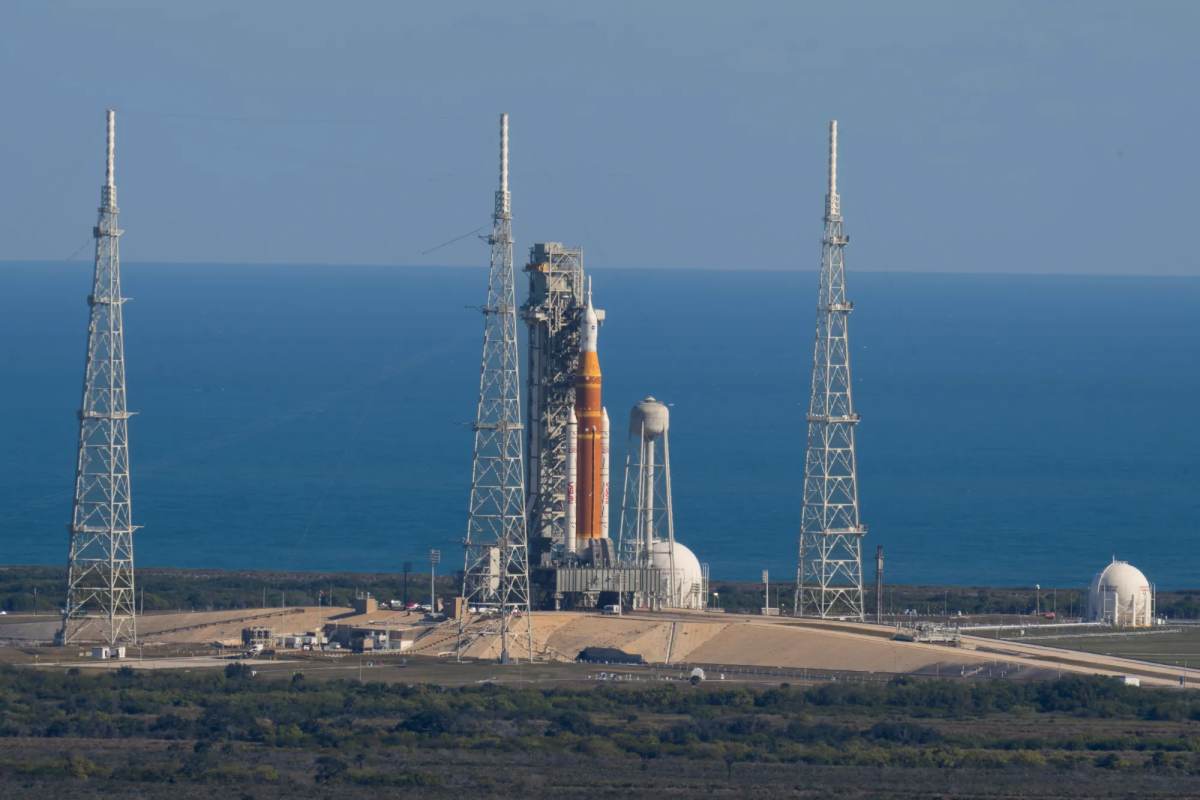
Later in the day, engineers were also supposed to have taken part in what is known as a “walkdown” at Launch Pad 39B. This second wet dress rehearsal had been awaited with great anticipation ever since all February launch plans were scrapped following the previous rehearsal that was concluded on February 3, 2026. The morning after this rehearsal will yield more public information as NASA management sits down for a news conference to address their observations.
Countdown was initiated at 6:50 pm EST on Tuesday, February 17, or L-49 hours and 40 minutes, targeting a simulated launch window opening at 8:30 pm on Thursday, February 19, 2026. Today, NASA is scheduled to conduct chilldowns of the propulsion systems on board both the SLS core stage and ICPS, as well as of the transfer lines. As far as the fueling is concerned, it will happen in stages—slow and fast fills, followed by the top-off and replenish milestones. Slow fill ensures that the tanks and associated hardware are thermally conditioned before fast fill begins. The top-off stage involves filling the tanks to full capacity, while during the replenish stage, the evaporation of the propellants is counteracted by the continuous addition of small quantities of fuel into the tanks.
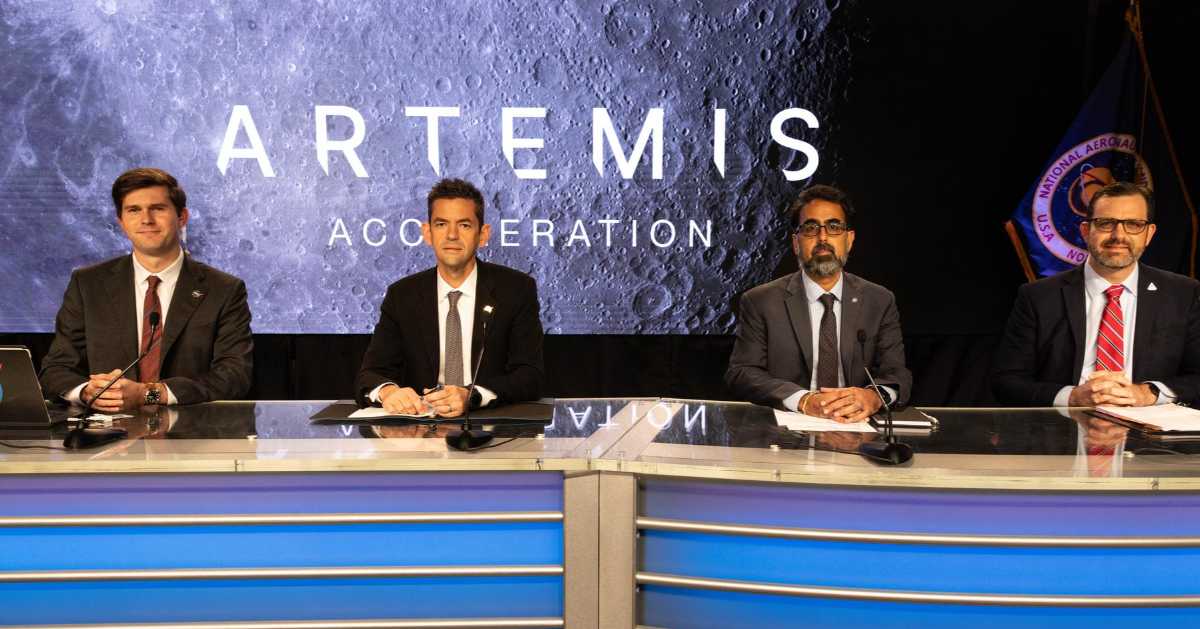
Launch teams from Kennedy Space Center, alongside support from Johnson Space Center’s Mission Control and other NASA facilities, manage a precise timeline of the countdown. This rehearsal also features an additional hour’s worth of countdown procedures, divided into two 30-minute holds for troubleshooting any issues that may arise. Upon culmination, temporary platforms will be installed on the mobile launcher for flight termination system checks. It will be interesting to see what the mission managers determine once post-rehearsal data analysis by engineers is conducted. The bone of contention will be whether the March 6 launch holds or requires further delays.

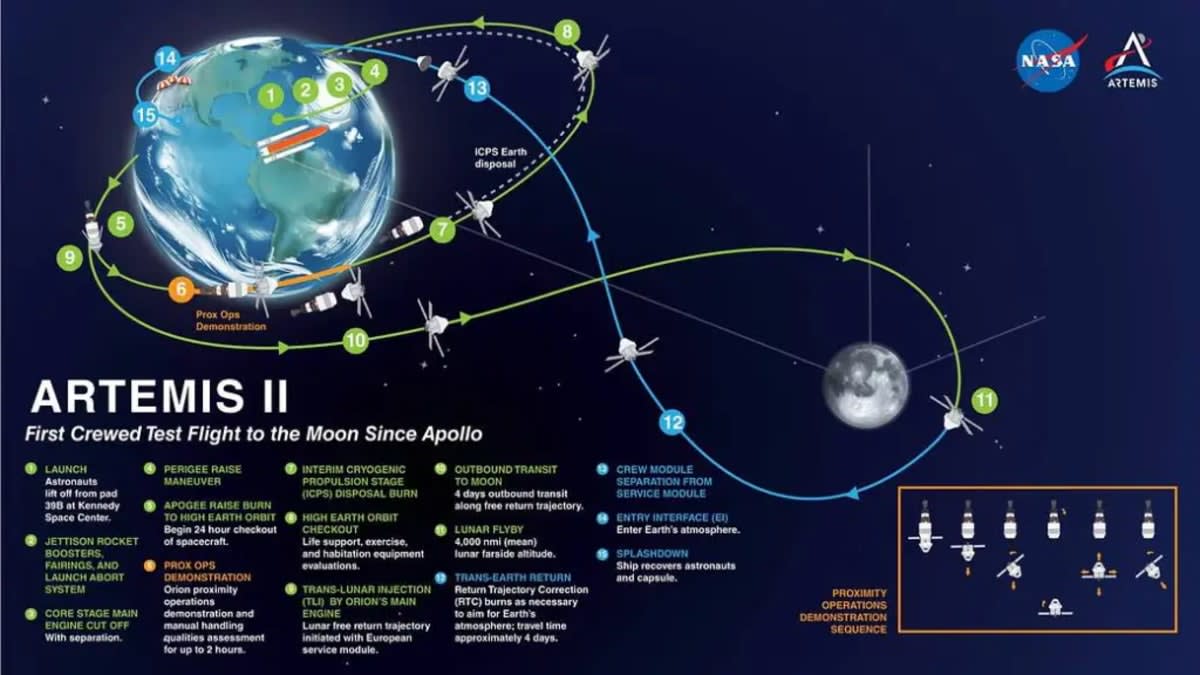
In the longer timescale, the Artemis program aims to return humans to the Moon for the first time since the Apollo program. Artemis II is an important milestone for NASA and its partners in this pursuit. The lunar flyby featuring astronauts Reid Wiseman, Victor Glover, Jeremy Hansen, and Christina Koch will test the suitability of the SLS rocket and the Orion spacecraft for crewed deep space missions, thereby acting as a stepping stone to returning humans to the surface of the Moon.
More on Starlust
NASA's Artemis II and Crew-12 astronauts will be first to carry latest smartphones to space
NASA could give a shoutout to your own 'Moon crew' during the Artemis II coverage: Here's how