Artemis II mission availability: NASA just updated April launch windows

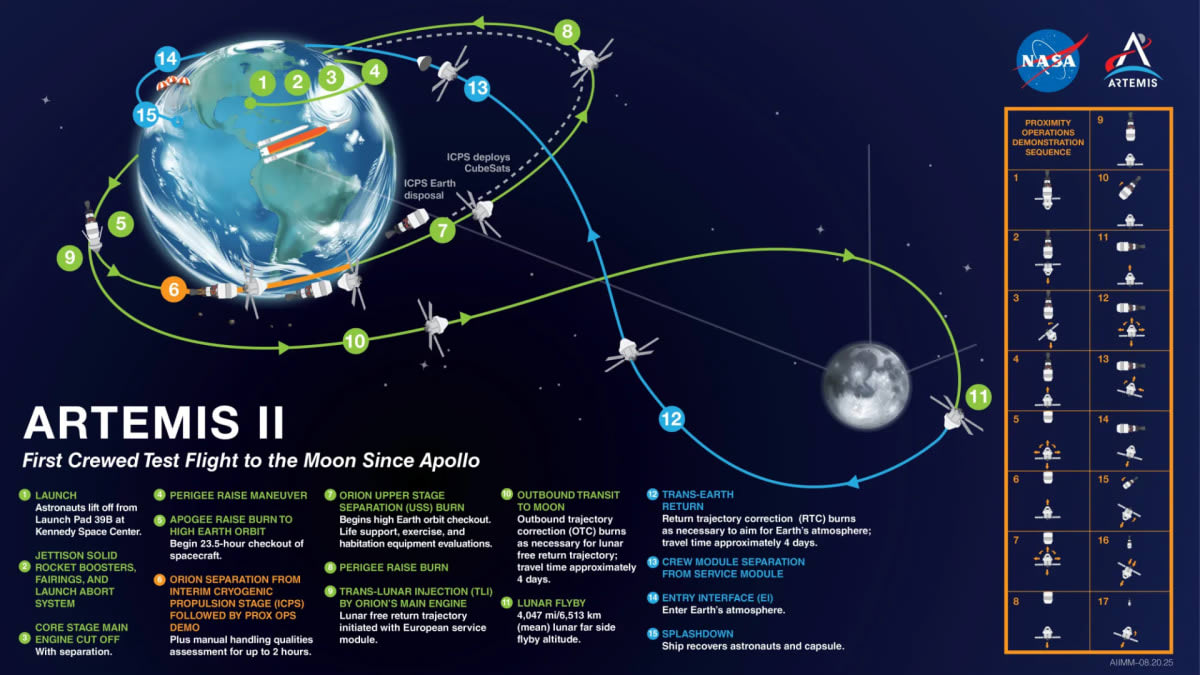
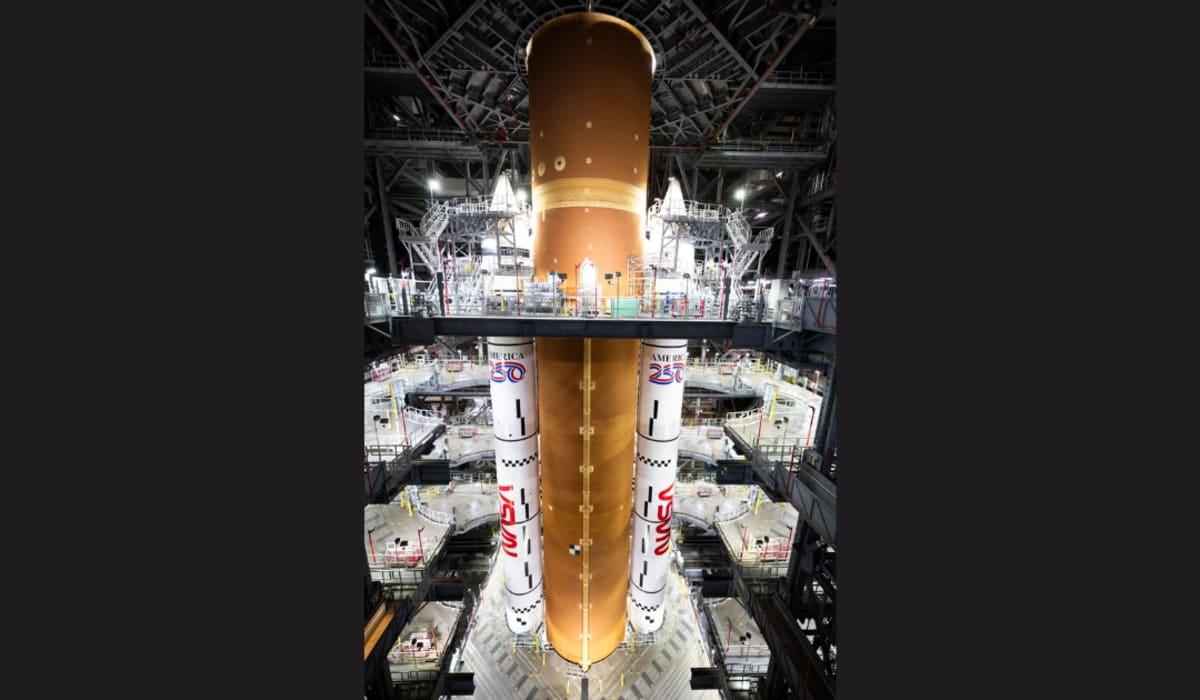
During a news conference on March 12, 2026, NASA announced that it will attempt to launch Artemis II as early as April 1, 2026. And while the following day had initially not been part of the available windows in April, mission managers informed the media that April 2 is also now open for a launch. At the moment, the first six days in April, as well as the 30th will have launch windows in the evening hours. To meet this target, teams at Florida’s Kennedy Space Center are currently ahead of schedule in completing the repairs and testing certain components of the SLS rocket inside the Vehicle Assembly Building. Following the completion of work at the VAB, the 4-mile journey to Launch Pad 39B will commence on March 19, 2026.
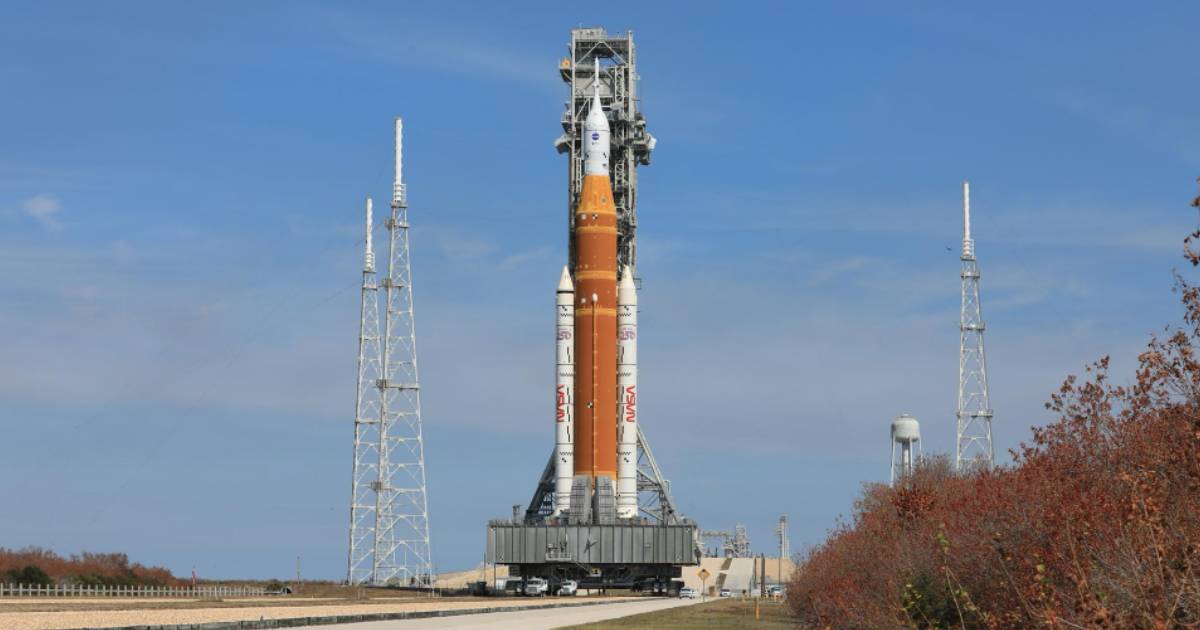
When asked if possible launch windows exist beyond the month of April, Dr. Lori Glaze, Acting Associate Administrator of Exploration Systems Development Mission Directorate, remarked, “So my answer to that is we are focused on April. I've said in the past that, you know, yes, there are opportunities in other months, but right now we are solely focused on April." And while mission managers expressed a reasonable amount of confidence in being able to launch on April 1, they also discussed tasks that stand in the way.
John Honeycutt, the Chair of the Artemis II Mission Management team, spoke about some “interesting data” gathered during the building of Thrust Vector Control Actuators for Artemis III, which could have a bearing on this upcoming mission. “So we got to go figure out kind of what that means to this mission. I don't think it's a big deal, but it's just doing the analytical work to close it out and make sure that the little bit of an issue they're seeing in the actuators for Artemis III doesn't indict the Artemis II actuator,” elaborated Honeycutt. Sean Quinn, Exploration Ground Systems Program Manager, also mentioned that teams are in the process of testing the flight termination system at the VAB.
These updates have come in the wake of the two-day-long Flight Readiness Review, during which mission managers assessed the readiness of the hardware and the teams and discussed the various risks associated with the flight. A wet dress rehearsal, which is a simulated tanking test, will likely not take place again. This is because the repeated filling up of cryogenic fuel can put strain on the rocket’s tanks. Dr. Glaze, expressing confidence over the repairs made so far, said, “We certainly want to test and always make sure that everything's working. But you know, we've now done a couple wet dress rehearsals. We've exercised the team, we've exercised the hardware. And I'll just tell you from my perspective, when we tank the vehicle the very next time, I would like it to be on a day that we could actually launch. And if we are able to successfully fully tank the vehicle, I want to be able to poll 'go' to launch.”
More on Starlust
All about Christina Koch, the first woman to fly around the Moon as part of Artemis II