Artemis II astronaut Christina Koch steps away from spaceflight as she takes on new role at NASA
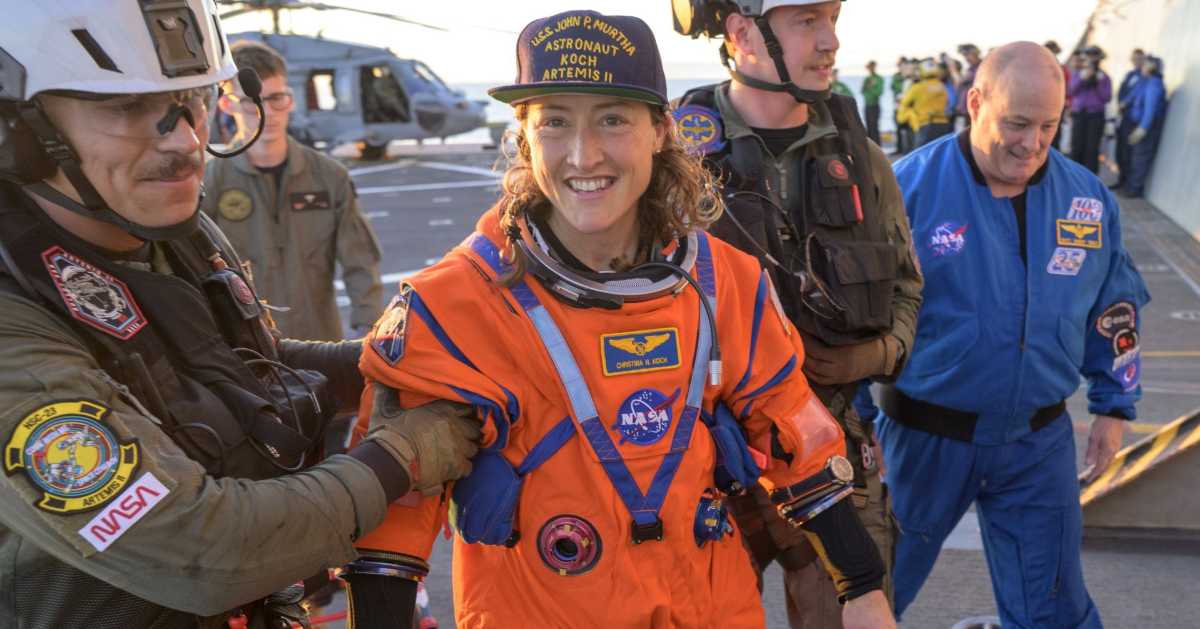
NASA astronaut Christina Koch is stepping away from active spaceflight duty, as she will be taking on a new role. The space agency announced Tuesday, October 13, that Koch has been appointed as acting deputy chief engineer starting November 1, and she will succeed Katherine Van Hooser, who is retiring from NASA next week after 35 years of service. Koch will no longer be able to participate in space missions, as she will oversee the engineering and technical aspects of the agency's projects and programs.
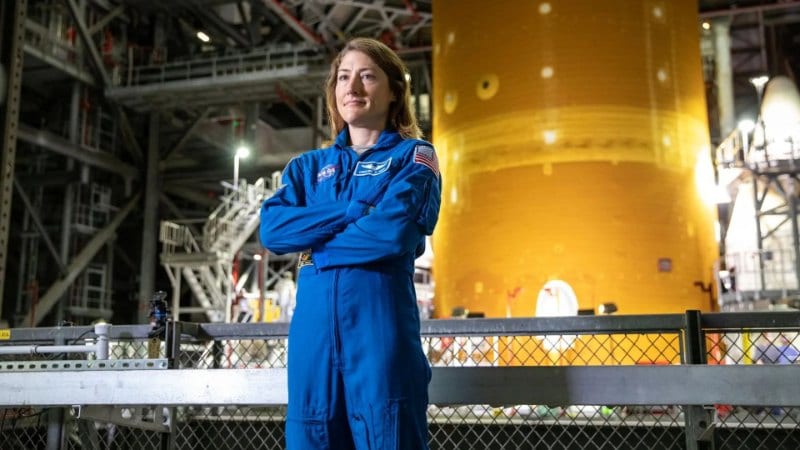
Koch has been on two space missions in her astronaut career. She flew to space for the first time in 2018 for a long-term mission to the International Space Station (ISS) and most recently on NASA’s historic Artemis II, where she served as a mission specialist. Accompanied by three others—Reid Wiseman, Jeremy Hansen, and Victor Glover—Koch spent nine days travelling to and from the Moon and became the first woman to launch on a lunar mission.
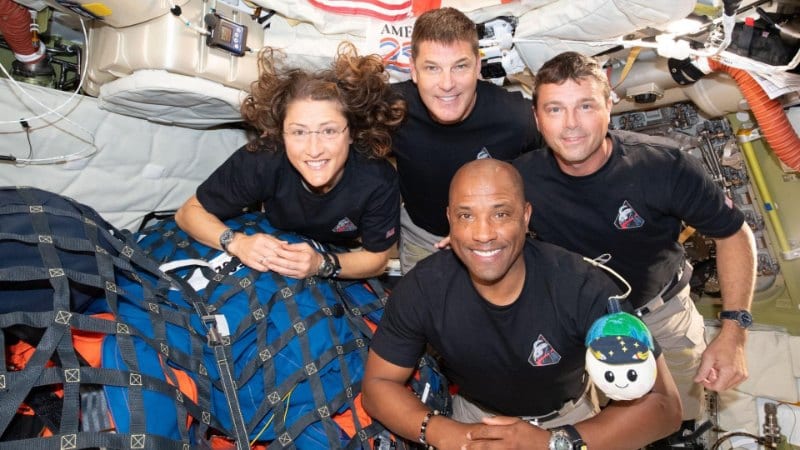
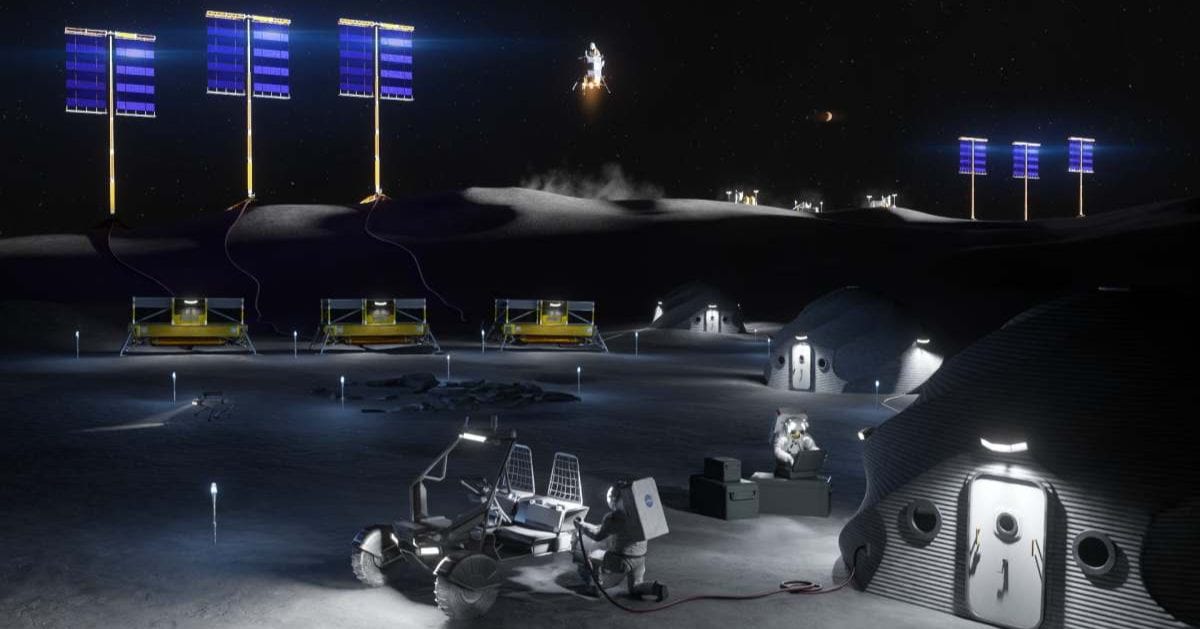
“After spending nearly a year living and working aboard the International Space Station and helping lead America back around the Moon on Artemis II this year, she brings an extraordinary combination of technical expertise, operational experience, and judgment to this role,” NASA Administrator Jared Isaacman said in a statement. “I am excited to see the impact she will have across NASA as we return Americans to the lunar surface, build the Moon Base, get underway on nuclear power in space, and develop the capabilities that will ultimately take us on to Mars.”
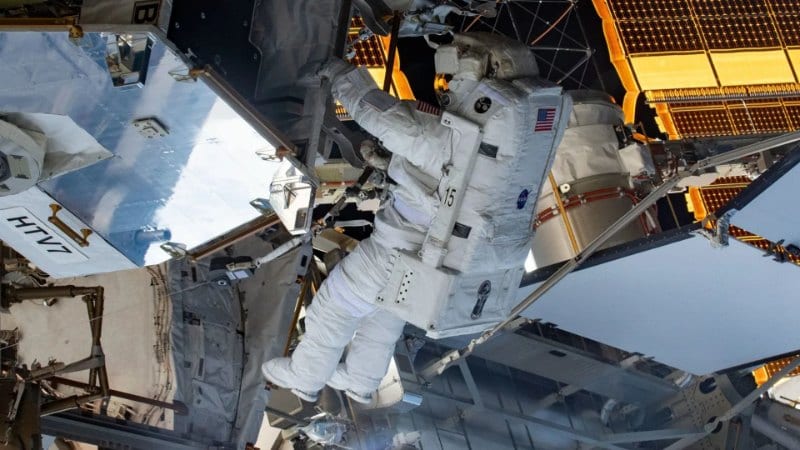
During her ISS mission, Koch spent 328 consecutive days in space—the longest single stay by a woman—and participated in the first-ever all-female spacewalk in October 2019 with fellow NASA astronaut and Crew-12 commander Jessica Meir, who returned to Earth from the station earlier this month. She was selected for astronaut training in 2013 and completed her training in 2015. Her career at the agency began as an electrical engineer at the Goddard Space Flight Center, where she helped develop instruments for space missions. Koch also has experience in long-term field work in the Arctic and Antarctica.
Koch is the third Artemis II astronaut to step away from spaceflight
In September, Artemis II commander Reid Wiseman and pilot Victor Glover transitioned to emeritus status at NASA’s Johnson Space Center, meaning they will not be assigned to new space missions. However, they will be active as consultants to NASA and share their knowledge and mentor the active astronauts. Their experience from Artemis II will be especially valuable for the Artemis III astronauts who are preparing for their mission to test docking technologies in Earth orbit next year.
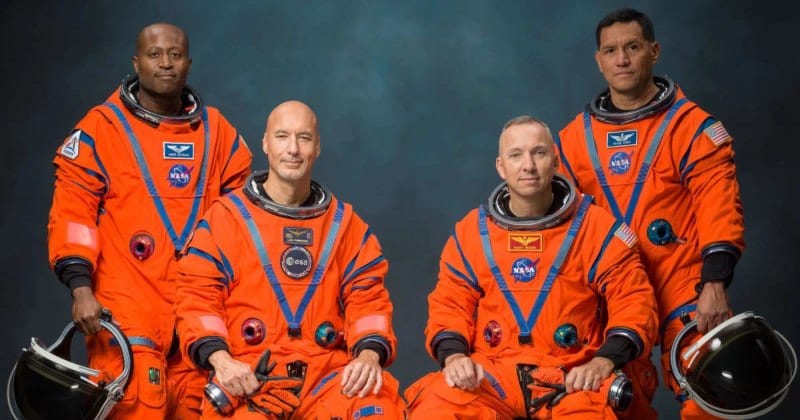
Artemis III will also utilize the Orion spacecraft, which was tested during Artemis II for the first time with humans onboard. It will be a highly complicated mission involving multiple rockets and spacecraft to enable a Moon landing under Artemis IV, which is targeted for 2028.
More on Starlust
Watch: SpaceX’s first Starship to survive an ocean splashdown is finally back at Starbase
Japan’s historic first Martian moon sample collector to launch for Phobos on October 19