Are we alone in the universe? NASA's technosignature grant could help solve the mystery

A new wave in the search for life beyond Earth is centering its gaze on "technosignatures," direct evidence of technology used by an intelligent alien civilization. According to the University of Rochester, this new approach is powered by a recent grant from NASA and aims to answer that age-old question: Are we alone in the universe?
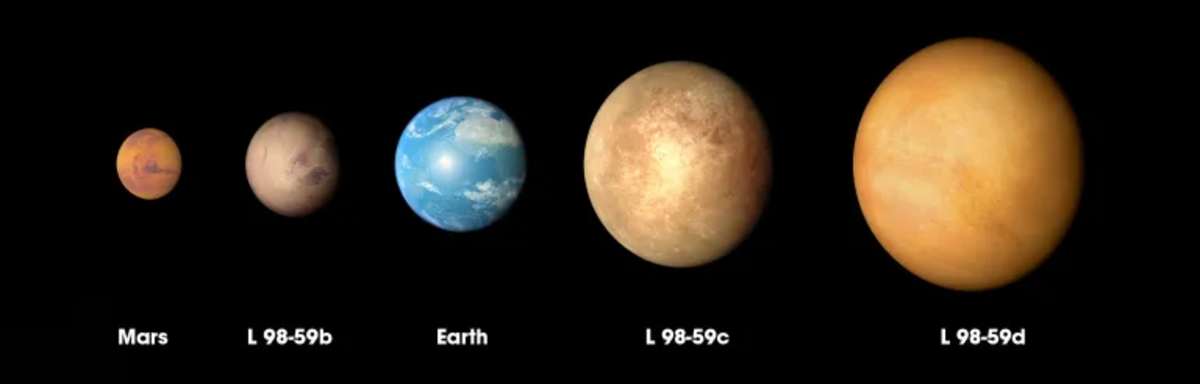
Since the first exoplanet was discovered in 1995, a finding that contributed to a Nobel Prize, astronomers have come across several Earth-like planets that could harbor liquid water and, with that, life. 10 years ago, the search for life focused on so-called "biosignatures," signs of simple, non-technical life. But an increasing number of researchers think the hunt should shift to technological output.
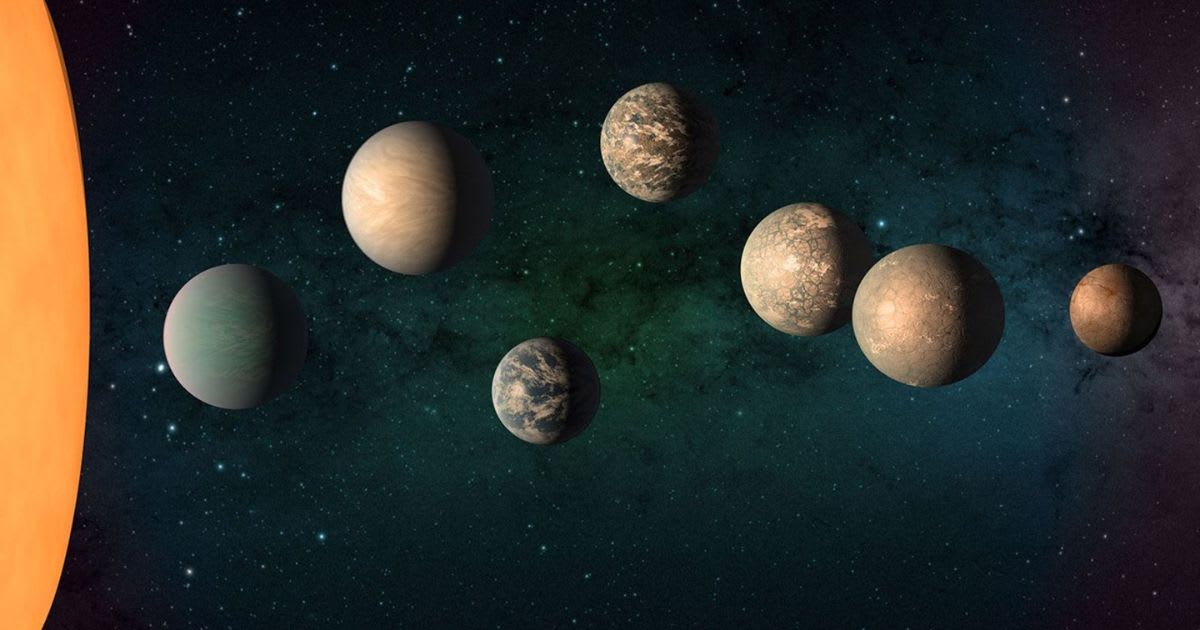
In 2020, NASA awarded a first-of-its-kind grant to University of Rochester professor Adam Frank and his team to study technosignatures. And that's exciting, because we now know precisely where to look: the thousands of known exoplanets, especially those in habitable zones. Frank's research is based on a simple premise: alien civilizations, like ours, would need energy, and the ways to produce it are finite and based on universal physics and chemistry. "Aliens are not magic," says Frank. That means, using Earth-based knowledge, researchers can predict what alien technology, such as pollution or solar panels, might look like on a distant world.
The NASA grant has allowed the team to develop an online library of technosignatures. This will be a reference for future astronomers, telling them which specific wavelengths to check for signs such as pollutants or reflected light that could indicate technological activity on an exoplanet. Unidentified flying objects (UFOs) and unidentified aerial phenomena (UAPs) may tickle our brains, but Frank warns that the rigorous analysis of data from exoplanets, and not questionable sightings, is the way forward. For instance, while advanced telescopes found possible signs of ocean plankton on K2-18b—a planet eight times the size of Earth about 124 light-years away—Frank stresses that more data is required to confirm the findings.
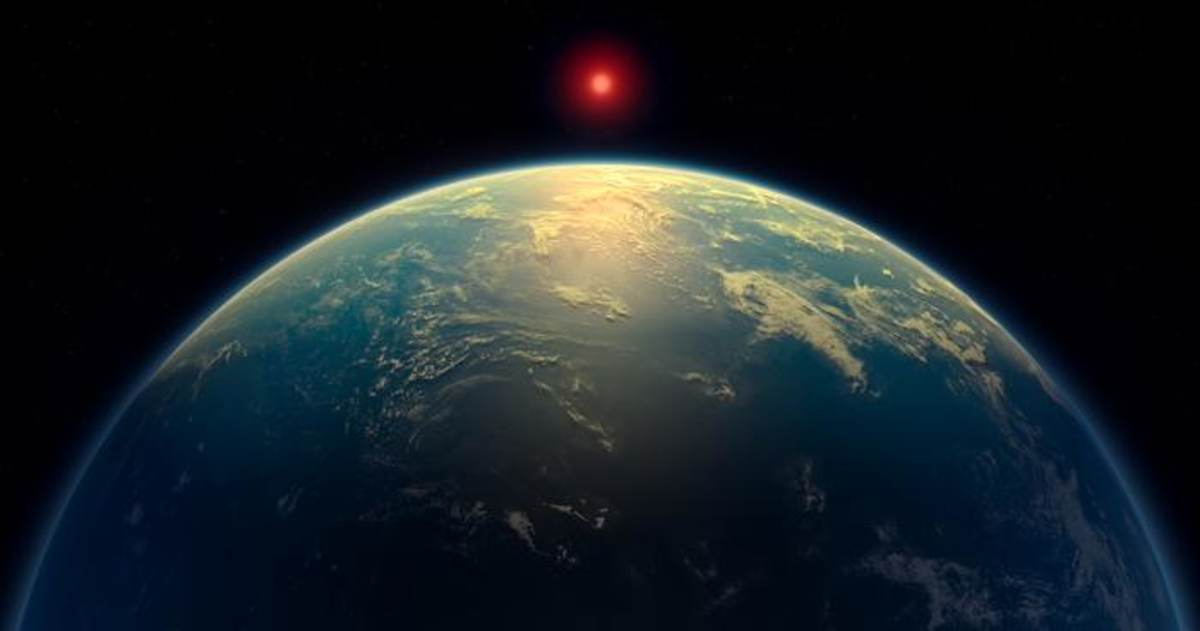
Frank, a scientist who prefers "to know" rather than "to believe," has the intuition that the universe is too vast and ancient to have Earth as the sole cradle of intelligent life. Yet he qualifies this by saying that intelligent life might be rare and short-lived; hence, the scientists searching for them need to overlap in time with them. Even if a civilization is found, Frank believes observation will be the most likely form of "contact," as the enormous distances involved make two-way conversation nearly impossible. Thanks to new telescope technology and this new research direction, Frank concludes that humanity is on the verge of scientifically answering the greatest question of all: Is there life elsewhere in the universe?
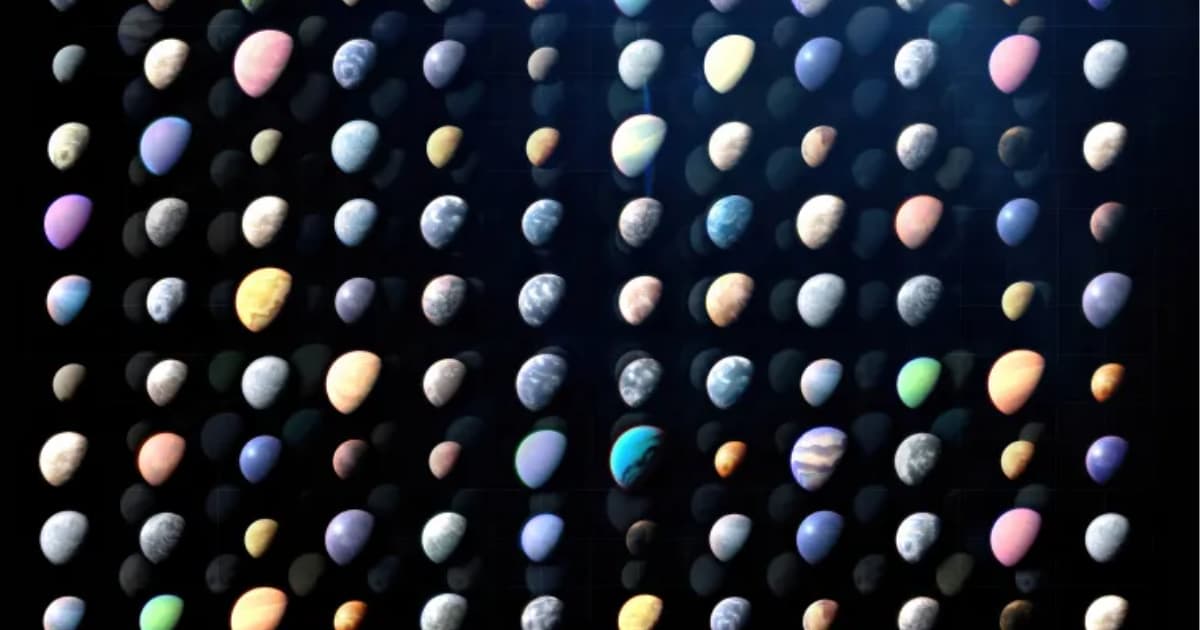
Just as the search for alien technology is heating up, the official count of confirmed planets beyond our solar system has reached a monumental new figure: more than 6,000 exoplanets have been identified in NASA's database, marking a milestone resulting from decades of observation by space telescopes. Amazingly, the database has grown from 5,000 to more than 6,000 confirmed worlds in only three years, a testament to how rapidly astronomers are populating the galactic map.
More on Starlust
Habitable 'super-Earth' discovered less than 20 light-years away, fueling search for alien life
Even if aliens exist in our galaxy, they are probably about 33,000 light-years away: Researchers