ESA and JAXA's BepiColombo to arrive at Mercury later this year after 8-year journey—what to know
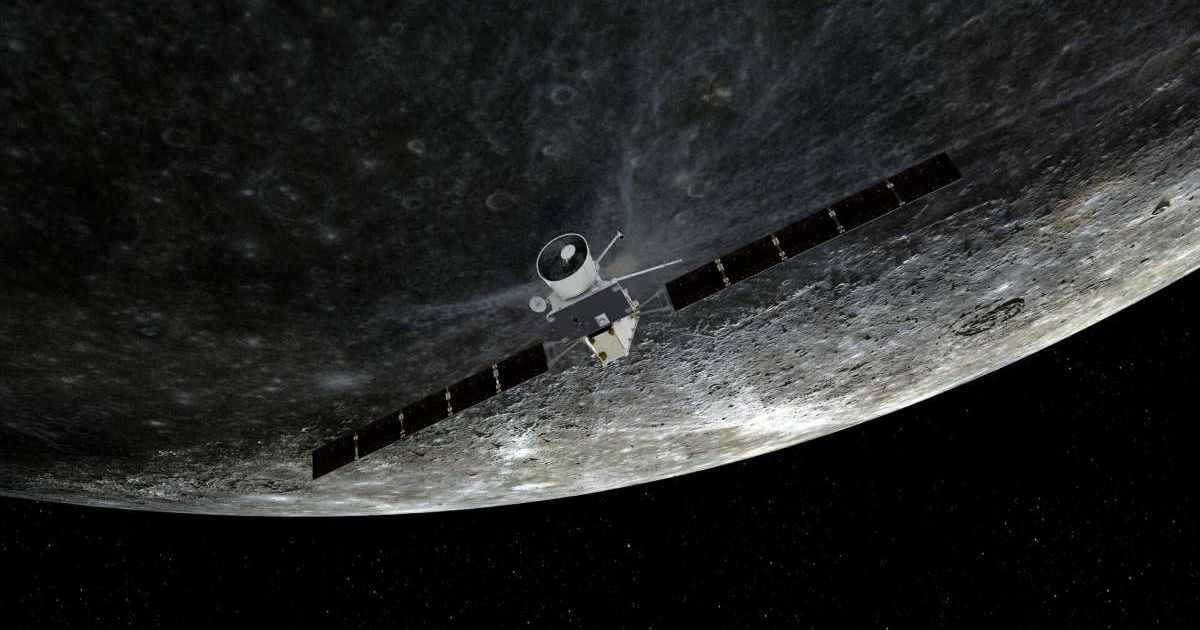
The BepiColombo spacecraft, which has been cruising through space for the last eight years, is set to arrive at Mercury later this year. Launched in October 2018, it was the first dual-spacecraft mission jointly developed by the European Space Agency (ESA) and the Japan Aerospace Exploration Agency (JAXA) to investigate Mercury, which is the least explored planet in our solar system.
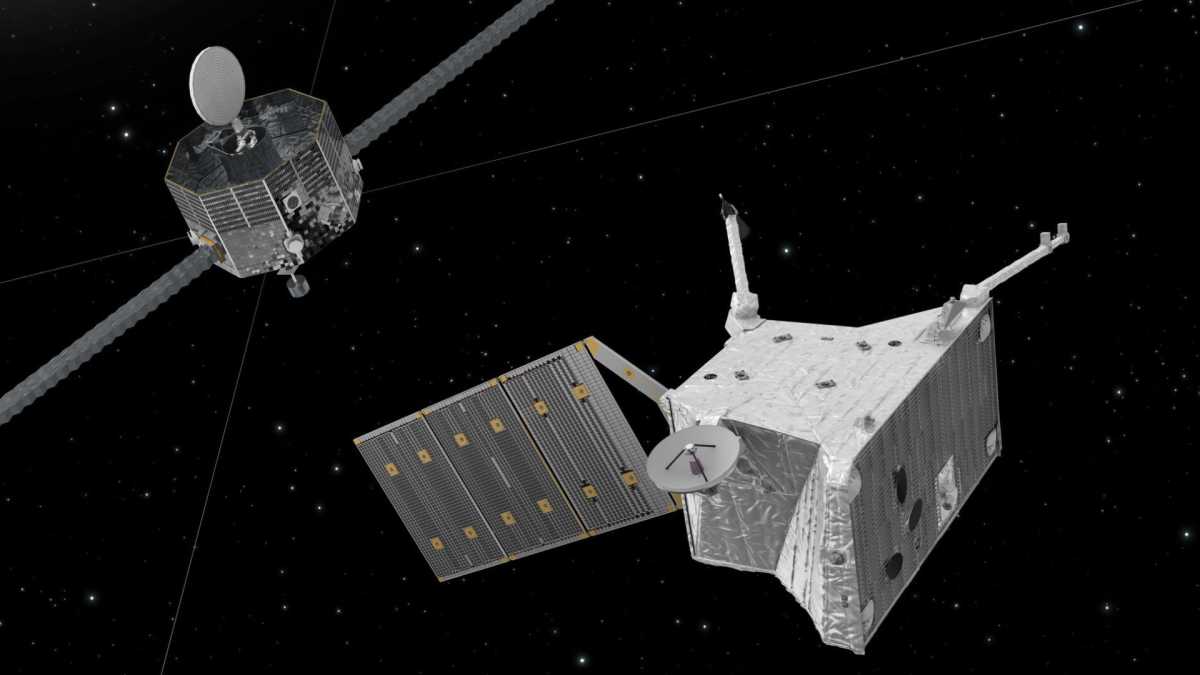
With the day of its arrival inching closer, there is bound to be considerable excitement over several major events that will precede BepiColombo’s orbit insertion. BepiColombo consists of the Japan-made Mercury Magnetospheric Orbiter (MMO or Mio) and Europe’s Mercury Planetary Orbiter (MPO)—both of which are stacked on top of the Mercury Transfer Module (MTM), which is propelling them towards the planet.
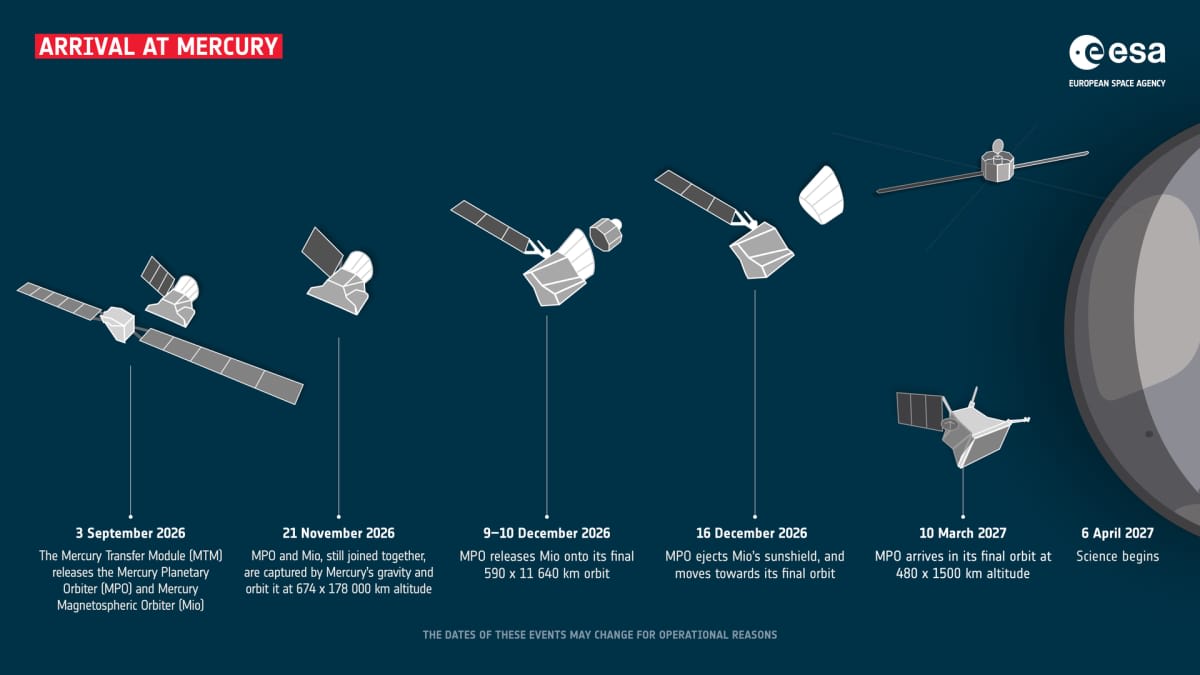
According to ESA, the first of the forthcoming stages is the separation of the MTM from Mio and MPO. "After separating, MPO and Mio go through extensive spacecraft and instrument commissioning before the science phase of the mission can begin," the agency said in a statement. The following is the sequence of events that will take place before the probes continue towards their final orbits.
-September 3, 2026: MTM separates from the two probes. MPO's thrusters take over the propulsion task.
-November 21, 2026: MPO and Mio, still stacked on top of each other, enter Mercury’s polar orbit.
-December 9-10, 2026: Mio enters its final elliptical polar orbit after release by MPO.
-December 16, 2026: MPO releases Mio's sunshield (MOSIF), and descends to its own orbit using its thrusters.
-March 10, 2027: MPO arrives in its final orbit.
-April 6, 2027: The science phase of the mission begins.
Why the BepiColombo mission matters
BepiColombo was named after Italian mathematician and engineer Giuseppe (Bepi) Colombo, and it’s only the third mission to Mercury. Furthermore, it will be only the second spacecraft to enter the planet’s orbit. The mission’s objective is to study and understand the composition, geophysics, atmosphere, magnetosphere, and history of Mercury.
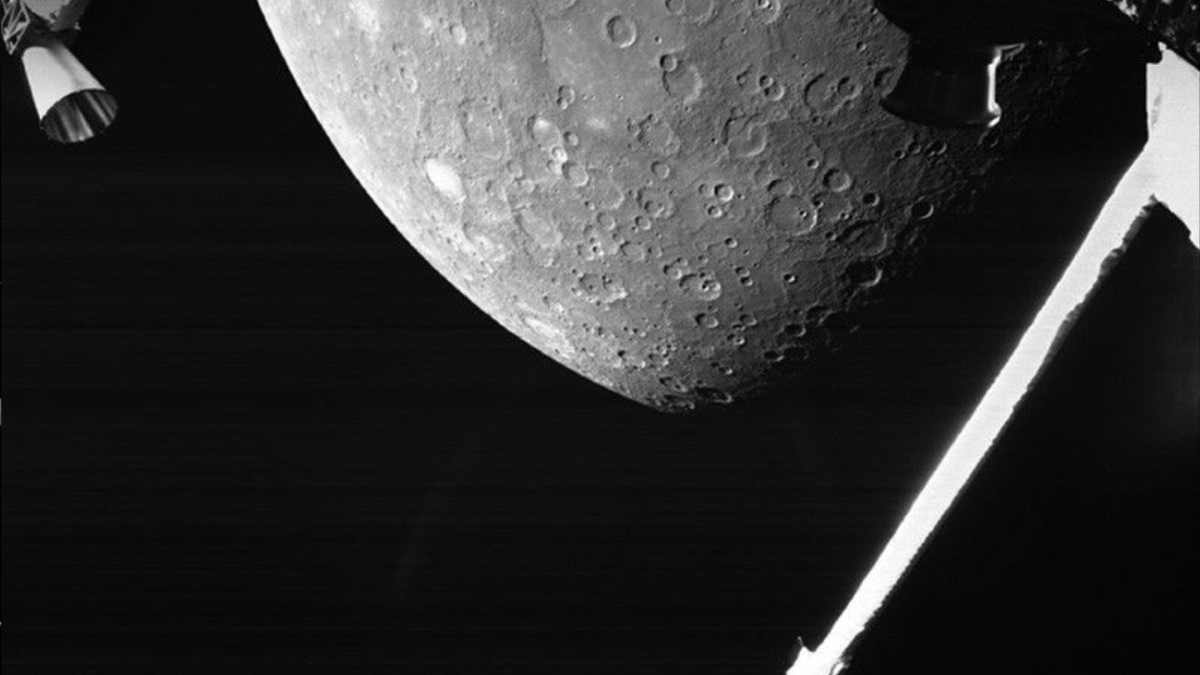
According to ESA, the two probes will together map the planet's mineralogy and elemental composition, determine whether its interior is molten or not, and investigate the extent and origin of Mercury’s magnetic field. The Mio is equipped with five instruments to study Mercury’s magnetosphere and its interaction with the solar wind, analyze electric fields, and investigate the sources of sodium in the planet’s exosphere, whereas the MPO has 11 instruments to study Mercury’s interior, topography, and the influence of the solar wind, and map the surface, among other tasks. Findings from this mission may help scientists answer questions like why this planet has ice in polar craters despite being so close to the Sun.
More on Starlust:
First 'true sugar' molecule found in interstellar space could reshape what we know of life's origins
Could a world trapped in endless day and night still host life? Here's what scientists found