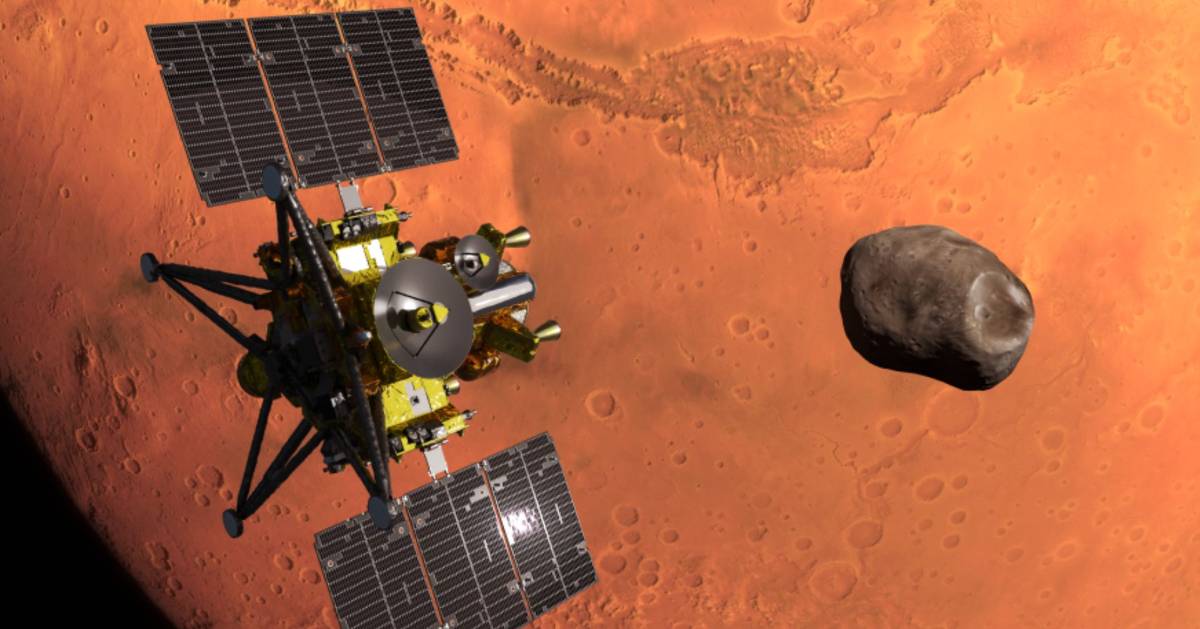
NASA’s Curiosity rover crosses more than 5,000 days on Mars, defying its odds of survival
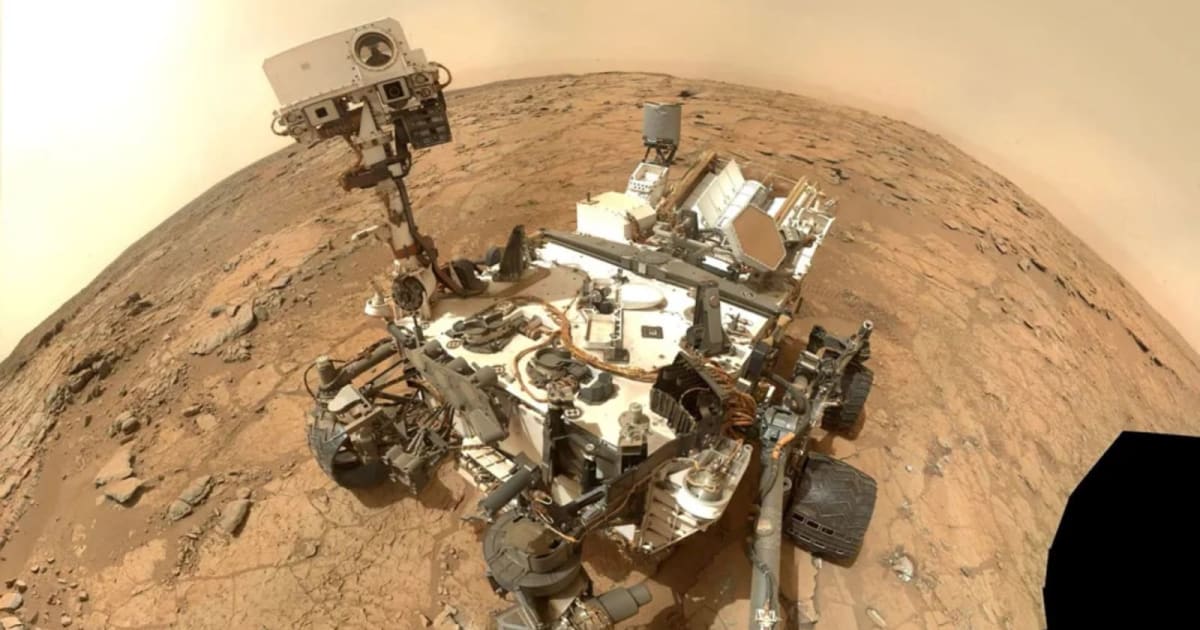
NASA’s Curiosity rover has unlocked a new milestone by surviving more than 5,000 days on Mars. Launched on November 26, 2011, the rover reached Mars in August 2012 and it has survived far, far longer than what was expected. Curiosity had a primary mission of just one Martian year (roughly 669 Mars days and 687 Earth days) but it is currently in its 14th Earth year (well into the 7th Martian year) of exploration. According to NASA, each Martian day or ‘sol’ is roughly 40 minutes longer than a day on Earth.
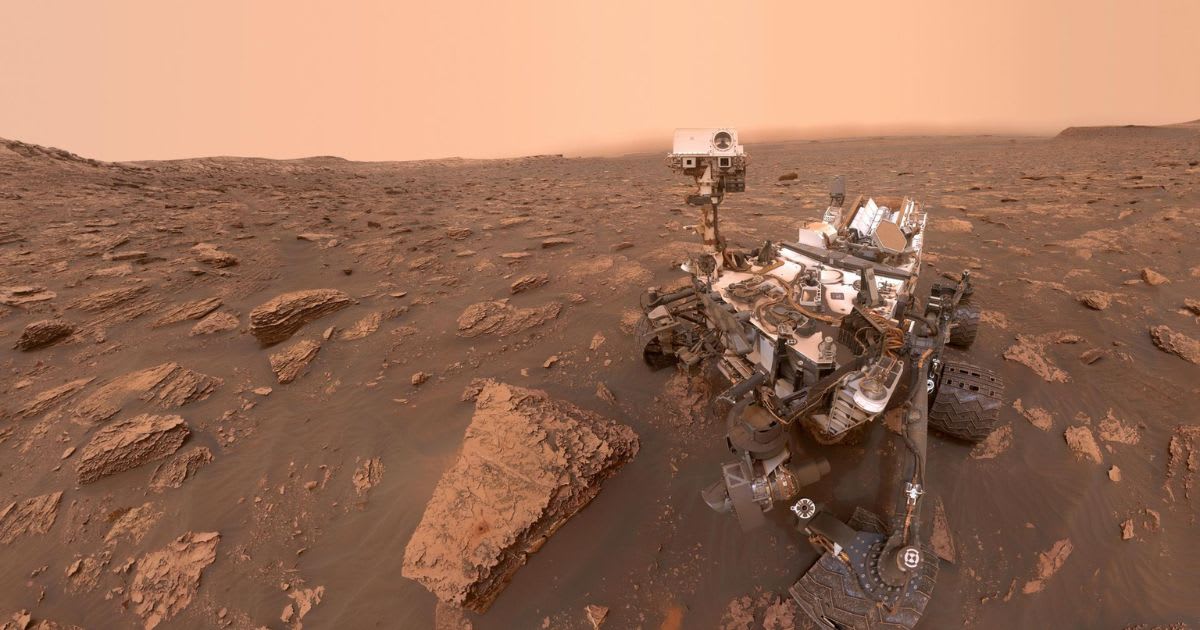
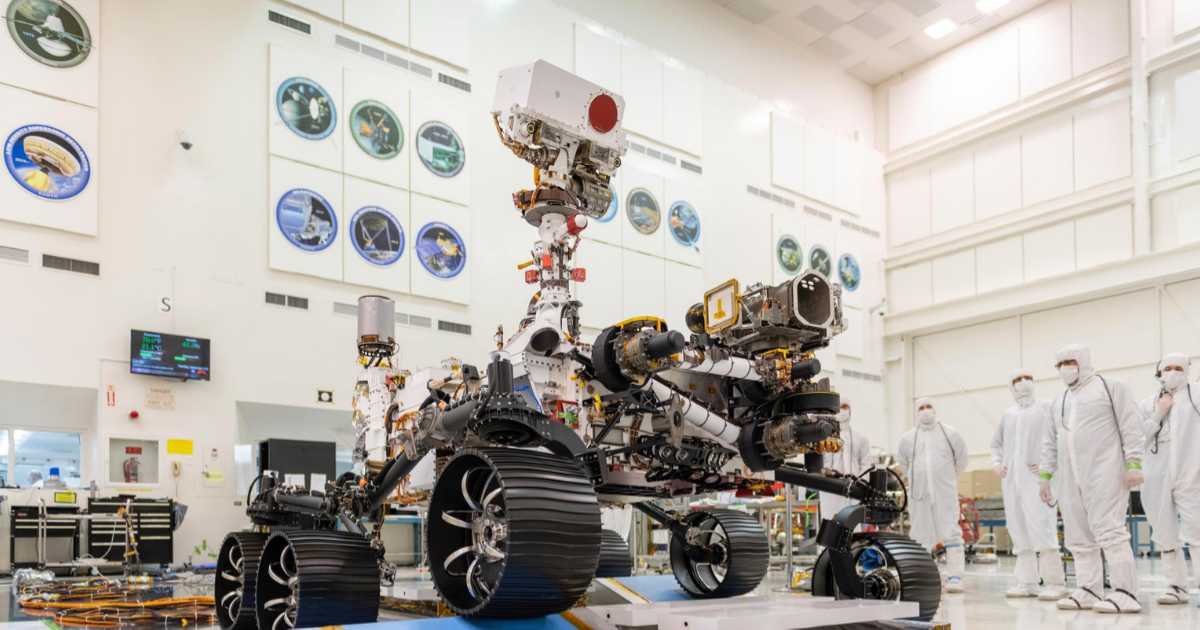
Curiosity is the size of a small SUV, measuring about 10 feet in length and 9 feet wide. While it wasn’t the first rover to land on Mars, NASA did achieve something unprecedented when it touched down on the red planet. Prior to Curiosity, the agency would use giant airbags to land rovers on the surface. These airbags, after being dropped from the sky, would bounce around, and mission teams would wait for the bouncing to stop so the airbags could deflate and rovers could roll out. But this technique was only suitable for small-sized rovers unlike Curiosity, which weighed 1,982 pounds on Earth and 743 pounds on Mars.
This problem inspired an ingenious technique that changed the way NASA explored Mars. Engineers came up with a robotic jetpack idea that involved a sky crane to deliver Curiosity to the surface. When the rover hit the Martian atmosphere, it was enclosed inside a protective aeroshell with a heatshield and a giant parachute to slow down its descent. Once it slowed down dramatically, the parachute was released and the jetpack with thrusters took over—it hovered over the surface to find a suitable landing spot and lowered the rover on ropes. As the touchdown was confirmed, the ropes were cut and the jetpack flew away for a controlled crash landing far off from Curiosity’s range. A few years later in 2021, NASA used the same mechanism to land the Perseverance rover as well.
Where is Curiosity now?
The Curiosity rover is in the Gale Crater, its landing site, and it is currently exploring rocks on the slopes of the 3-mile-tall Mount Sharp. Curiosity was launched with the objective to assess whether Mars ever had an environment capable of supporting microbial life. Prior to its 5,000-sol accomplishment, the rover reached the one-kilometer mark in its climb of Mount Sharp on August 26. It even sent a stunning panoramic image captured on the 4,972nd and 4,973rd sols of its mission featuring a view down the mountain within a broad valley nicknamed “Valle Grande”.
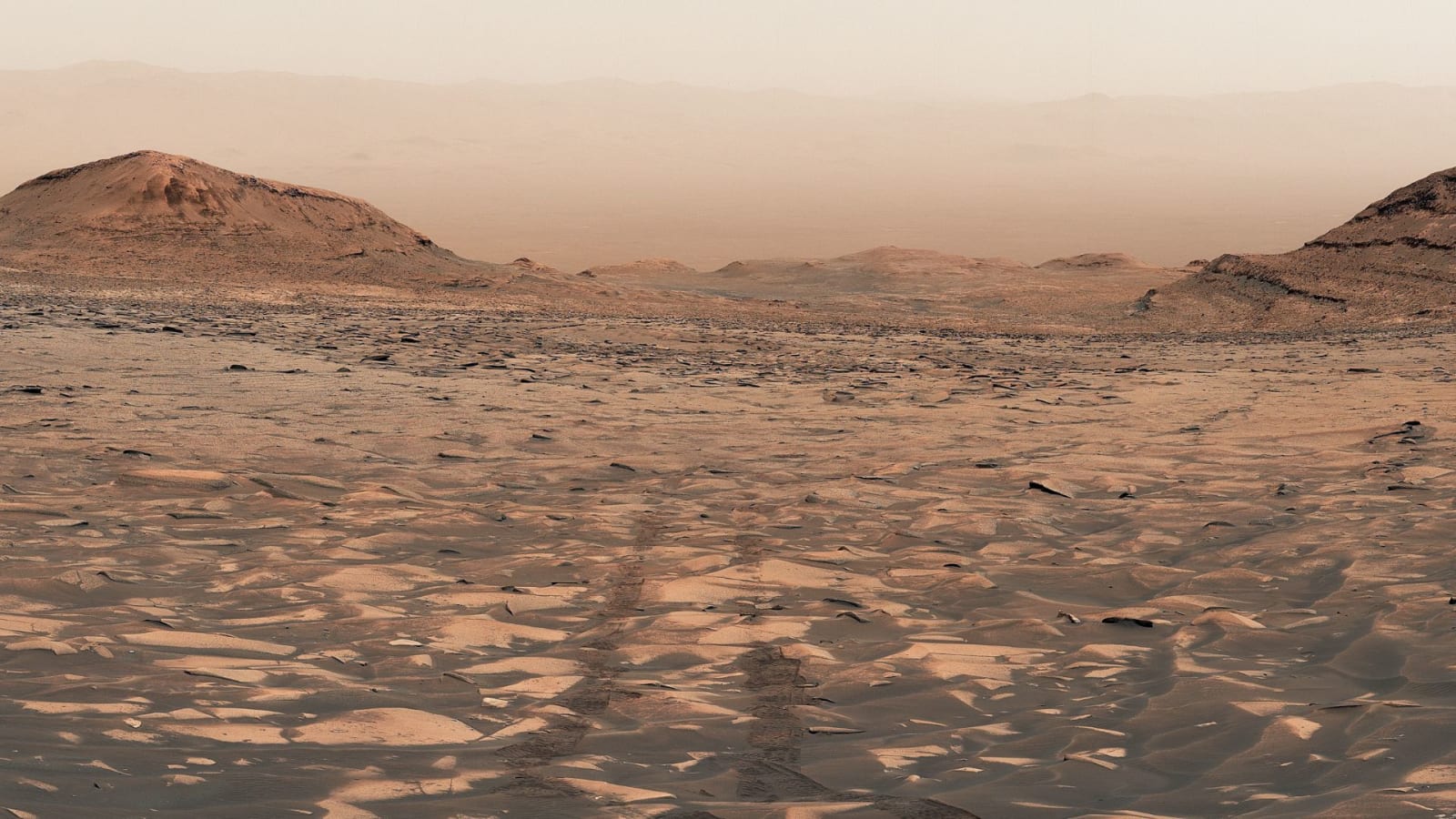
“The view is a single panorama made up of 323 individual images snapped by Curiosity’s Mast Camera, or Mastcam. The color has been adjusted to match lighting conditions as the human eye would see them on Earth,” NASA said in a statement. Earlier in July, Curiosity made an exciting discovery in “Valle Grande”, a region that once experienced repeated cycles of shallow water and drying. This discovery featured a field of honeycomb-like textures called 'polygonal fractures’. These features, scientists believe, are likely to be mud cracks that formed through repeatedly occurring wet-dry conditions on Mars. This clue is key to confirming whether the red planet was hospitable enough for life to thrive. On September 2, NASA posted on X that Curiosity was busy examining a wind-formed ripple that could reveal a lot about the climate and surface on Mars and how they’re changing over time.
More on Starlust:
NASA tests new rover technology that would put Perseverance and Curiosity to shame
Strange ‘jellyfish’ object spotted on Mars in NASA’s Curiosity image. Is it a UFO?