ESA and JAXA's BepiColombo spacecraft begins Mercury arrival after 8 years in space
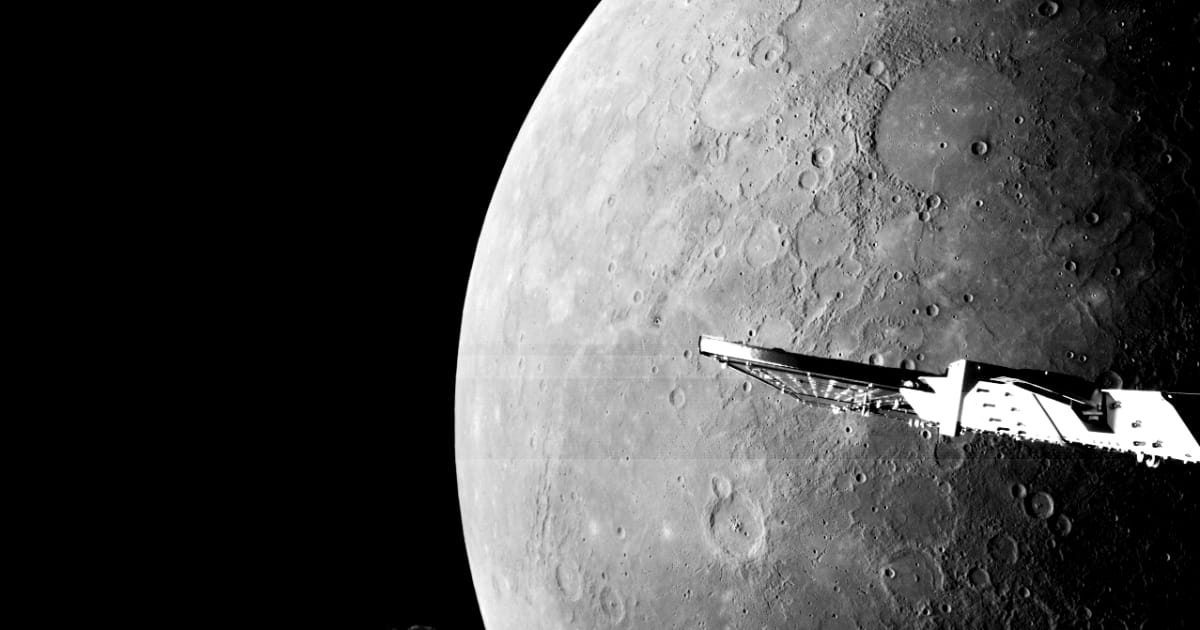
After a long journey of 8 years, the joint European Space Agency (ESA) and Japanese Aerospace Exploration Agency (JAXA) mission BepiColombo has officially entered its arrival phase at Mercury. The milestone happened today, on September 3, years after the spacecraft left Earth back in 2018. Commenting on this milestone, Bruno Sousa, ESA's head of operations definition and engineering, said during the livestream, "It will basically be a new mission starting today."
What’s BepiColombo?
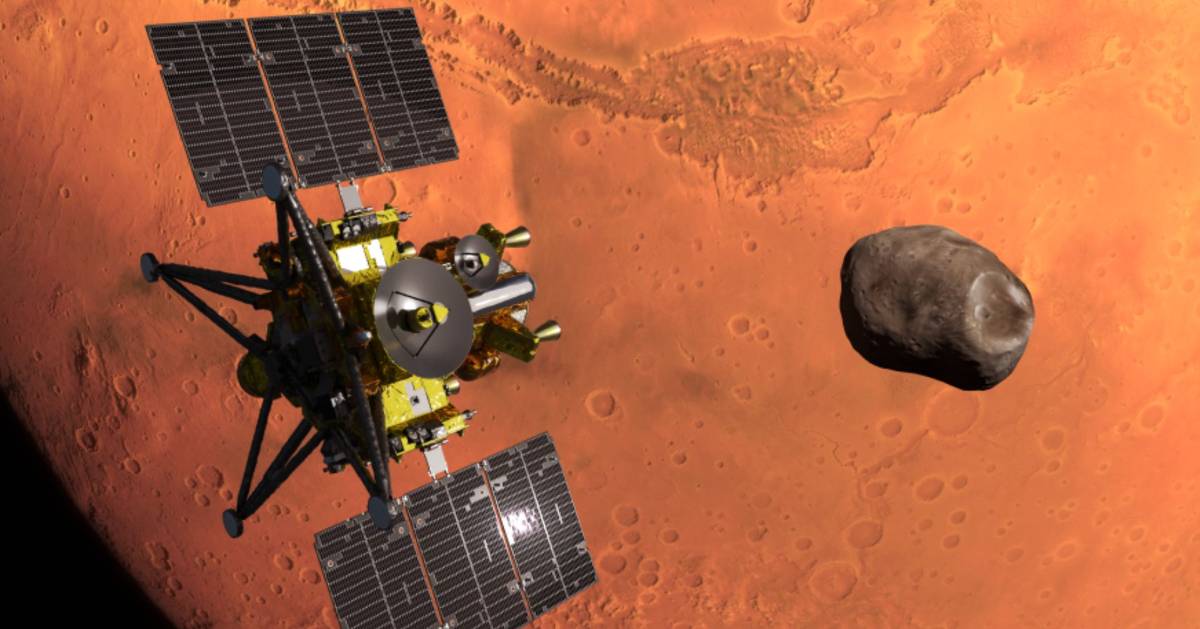
BepiColombo spacecraft is built around three main pieces that have been traveling together since launch. The first one is the Mercury Transfer Module, which handles power and propulsion for the journey. The other two are separate science orbiters that rode along with it. Earlier today, the transfer module released its payload and officially separated from the two orbiters it had been carrying for nearly eight years.
This goodbye is for good 🥺
— ESA Science (@esascience) September 3, 2026
Today, the two @BepiColombo explorers, @ESA's Bepi and @JAXA_en's Mio, are bidding farewell to their robot friend, MTM, who has powered their journey for the past eight years.
Watch the separation operations live starting 13:45 CEST… pic.twitter.com/pbBMG5apj3
Those two orbiters, which are titled ESA's Mercury Planetary Orbiter and JAXA's Mercury Magnetospheric Orbiter (nicknamed Mio), will now travel together for roughly six more months before finally settling into orbit around Mercury.
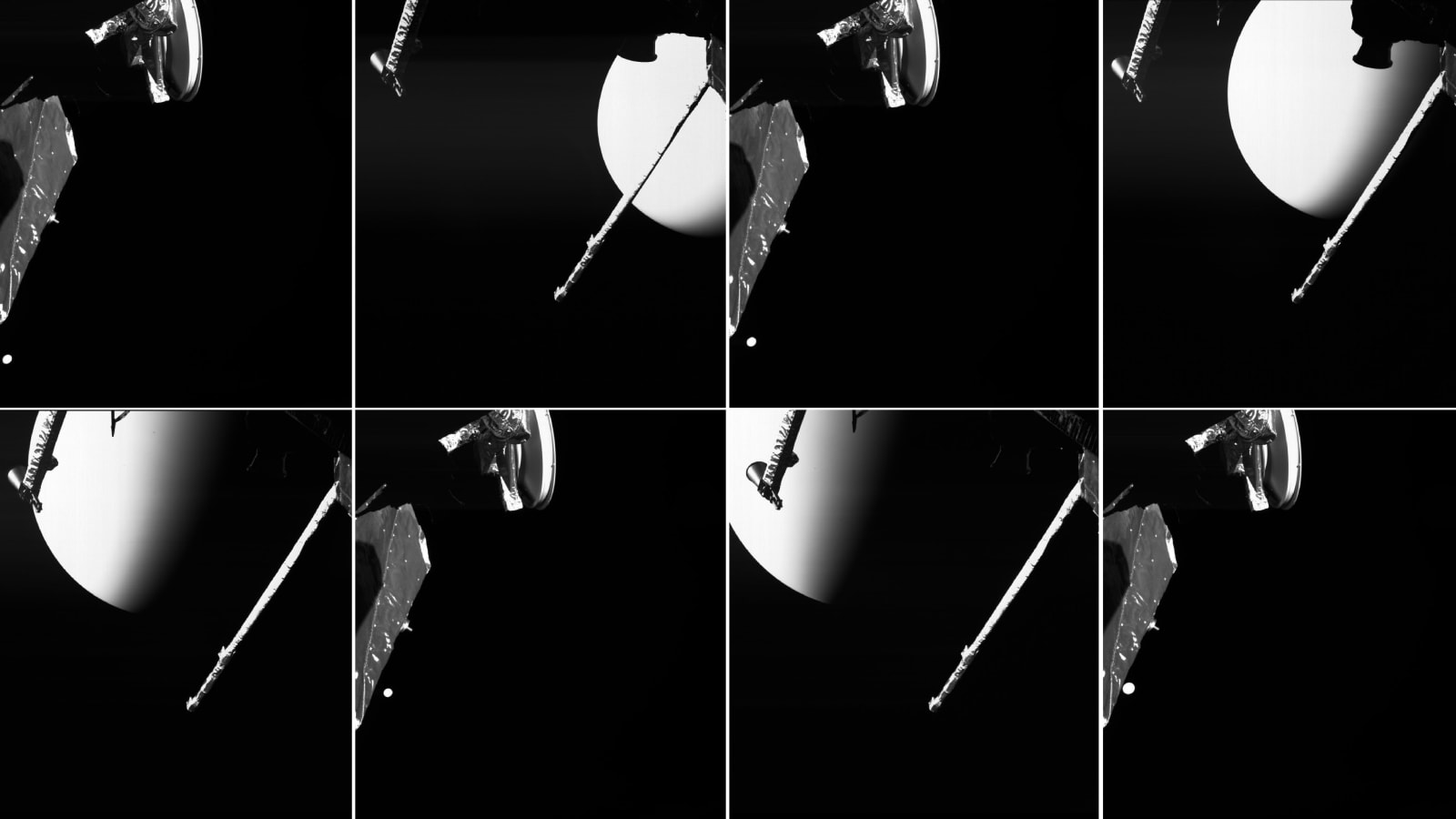
Confirming the separation, BepiColombo's operations manager, Elsa Montagnon, said, "I'm again extremely relieved…That the telemetry comes exactly at the moment we expect it, and that we see in the telemetry that the configuration of the spacecraft is the correct one." She added, "This is the best case scenario."
Why did getting to Mercury take so long?
In October 2018, BepiColombo launched from French Guiana. The mission was originally expected to take about seven years to reach Mercury. To pull this off, the spacecraft had to repeatedly use nearby planets to shed speed, flying past Earth once, Venus twice, and Mercury itself six separate times before achieving the milestone. Sousa called it "one of the most complicated missions we have ever flown."
Our top three images from the sixth Mercury flyby are here! 🌗
— BepiColombo (@BepiColombo) January 9, 2025
See what they reveal about the mysterious planet here 👉 https://t.co/osfrjGs2t5 and in 🧵👇 pic.twitter.com/b8uU2h4RL0
Earlier in 2024, a solar panel malfunction reduced the power, which was required for the transfer module's electric thrusters. Due to this, the engineering team decided to change the trajectory to lower thrust so that the mission could keep going. But this also pushed the arrival date to November 2026, from an earlier December 2025 schedule.
What comes next for the two orbiters?
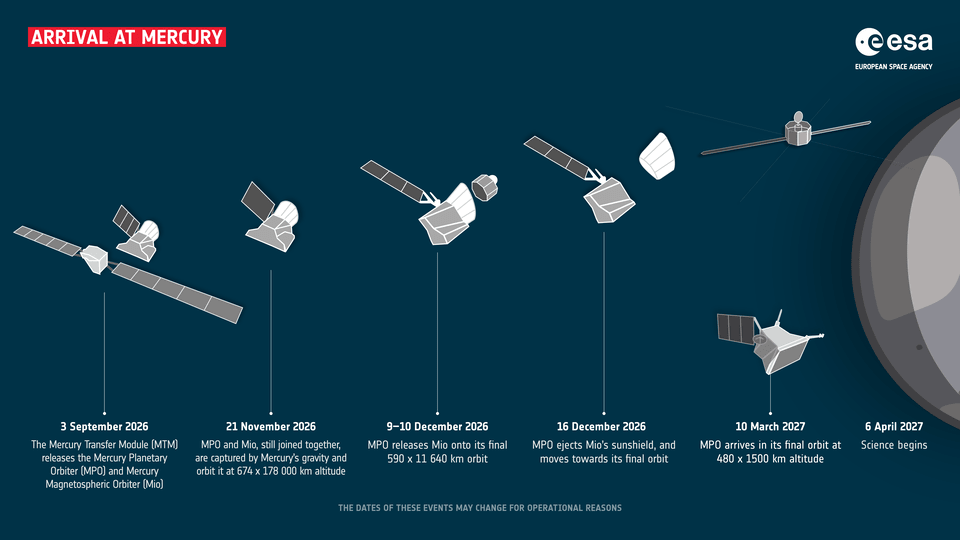
As per Montagnon, "Arriving to Mercury is not as simple as other missions that do a big maneuver and they are there. She added, "In our case, it's going to be six months of continuous activities." Next up, on November 21, the orbital insertion will start a sequence of 16 separate maneuvers. This will be done to gradually reshape BepiColombo's path around the planet.
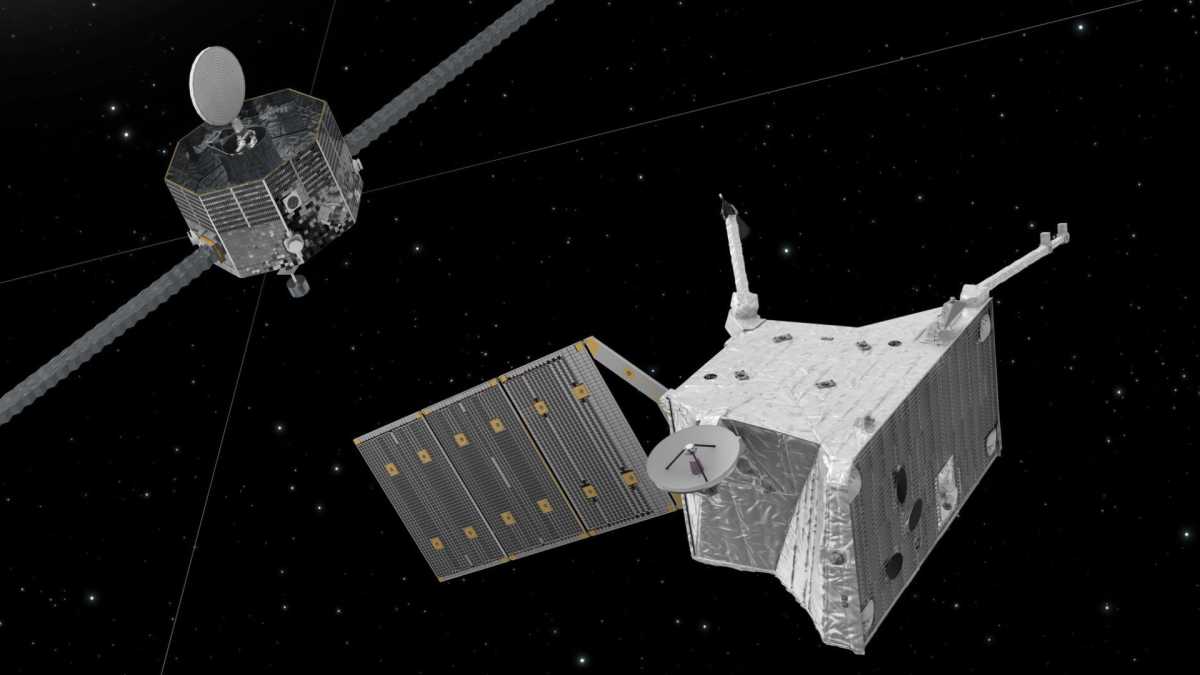
Mio is expected to break away from its companion around December 9, and it will then move into a highly elliptical orbit that circles Mercury's poles. Over the coming months, the Mercury Planetary Orbiter will progressively lower its orbit and settle into its final polar path on March 10, 2027. After this, operations are expected to start as early as April 6, 2027.
More on Starlust
NASA restarts Swift telescope after failed rescue, but its future is far from certain