James Webb Space Telescope provides crucial information about lonely Jupiter-like gas giant
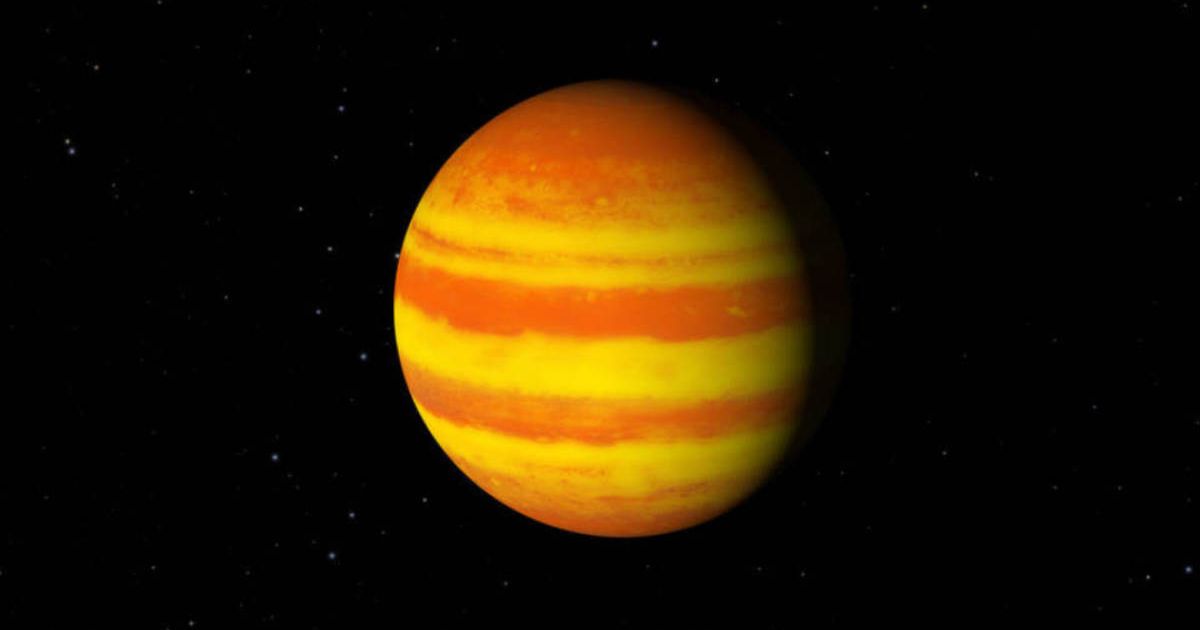
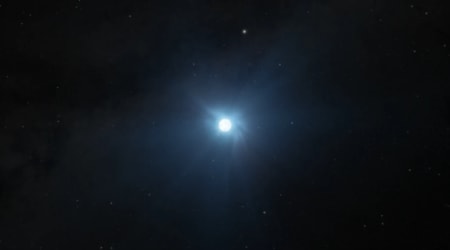
When Paul Smith, a University of Cincinnati astrophysics graduate, and his team got allotted time with the James Webb Space Telescope (JWST), all they could do was hope. They hoped that their math was right and the Jupiter-like exoplanet, TOI-2031Ab, would cross the front of its star, TOI-2031A, during their observation time. And sure enough, it did.
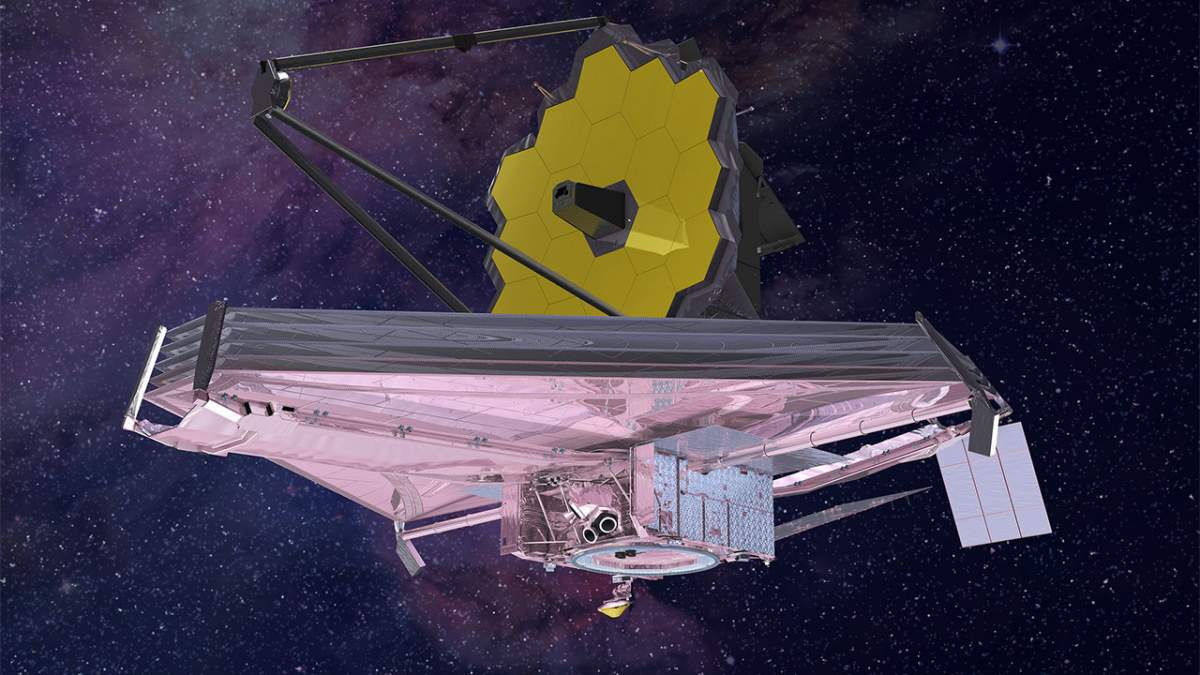
The light from the star, located 901 light-years away, was caught by the JWST's powerful mid-infrared spectrographic sensors, giving Smith data that would yield important information about the planet and its atmosphere. "It was a lifelong dream of mine coming true. I was up all night to get the first look at the data," said Smith in a statement. “What you want to see is a U-shaped curve that proves that we had the telescope pointed at the star at the moment of transit. If our calculations were wrong, we would just get a flat line, and I would have had to tell everyone we missed it.”
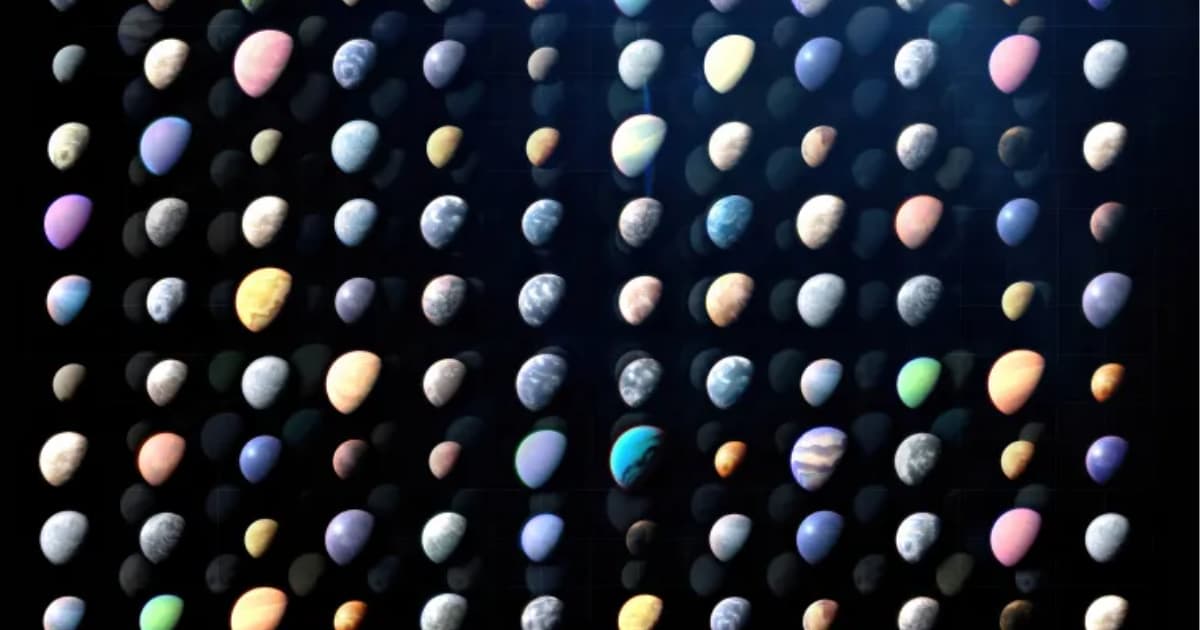
Planets like TOI-2031Ab that lie beyond our solar system are called exoplanets. So far, astronomers have over 6,000 of them. Smith and his international collaborators from 19 other institutions are looking into Jupiter-like gas giants to find out more about their atmospheres and why so many of them have short orbits around their stars. "We're trying to figure out how these big gas giants got there. We're studying the formation and migration pathways of big planets," Smith said. "Where do they form in their solar systems and how do they get so close to their stars?" TOI-2031Ab itself, which is the only known planet in its solar system, orbits its star closer than Mercury orbits our Sun, completing one round trip in six Earth days. The exoplanet is bigger in circumference than Jupiter, but lighter than it. Smith and his colleagues presented their analyses on TOI-2031Ab at the American Astronomical Society meeting in Denver in April.
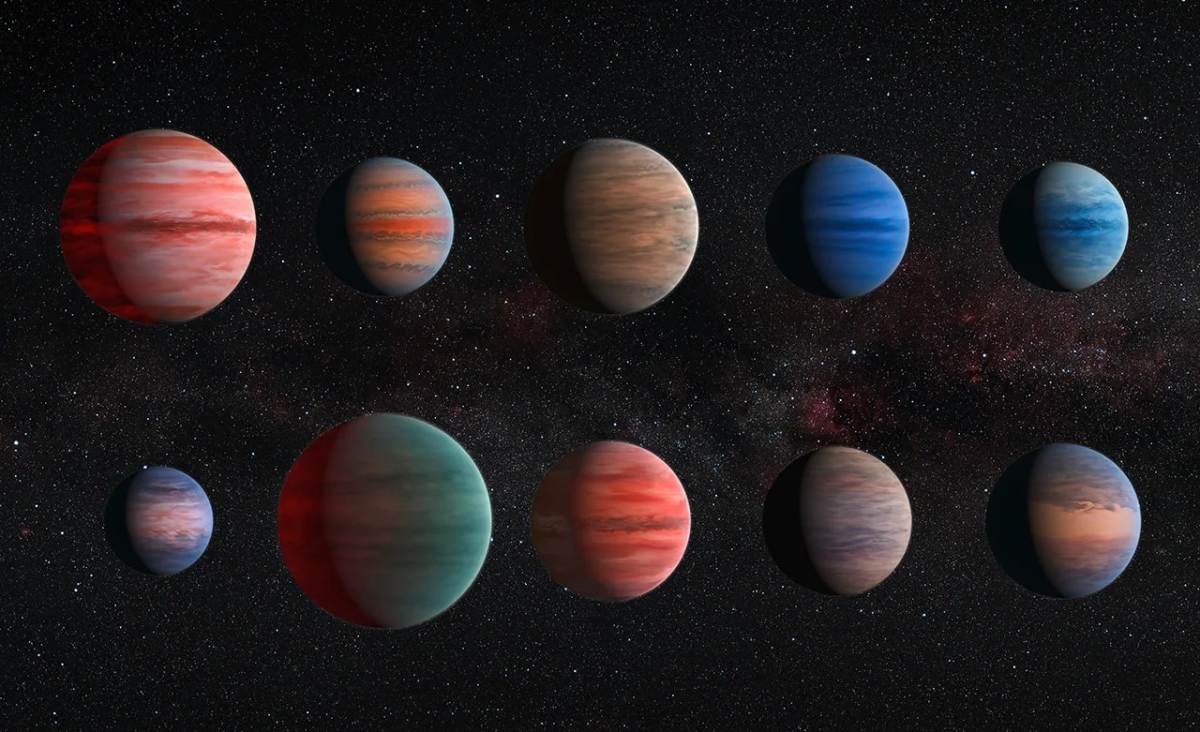
"The atmosphere is very similar to Jupiter's—mostly hydrogen and helium, water and carbon dioxide," Smith said. But why bother to study exoplanets at all? The reason is simple—because they help us understand our own solar system better. Wes Ryle, an astronomer at the Cincinnati Observatory, who was not a part of the study, said, “Exoplanets are one of the hottest topics in astrophysics right now, with the ultimate goal of learning how our solar system compares to others and the likelihood of finding other habitable worlds. Studies like this help evaluate the role of gas giant planets and their migration in creating a planetary system.”
More on Starlust
AI tool confirms over 100 exoplanets from NASA's TESS data after scanning 2.2 million stars
New solar telescope uses sunspots to help detect distant exoplanets