53 massive quasars found blasting out jets 50 times the diameter of the Milky Way
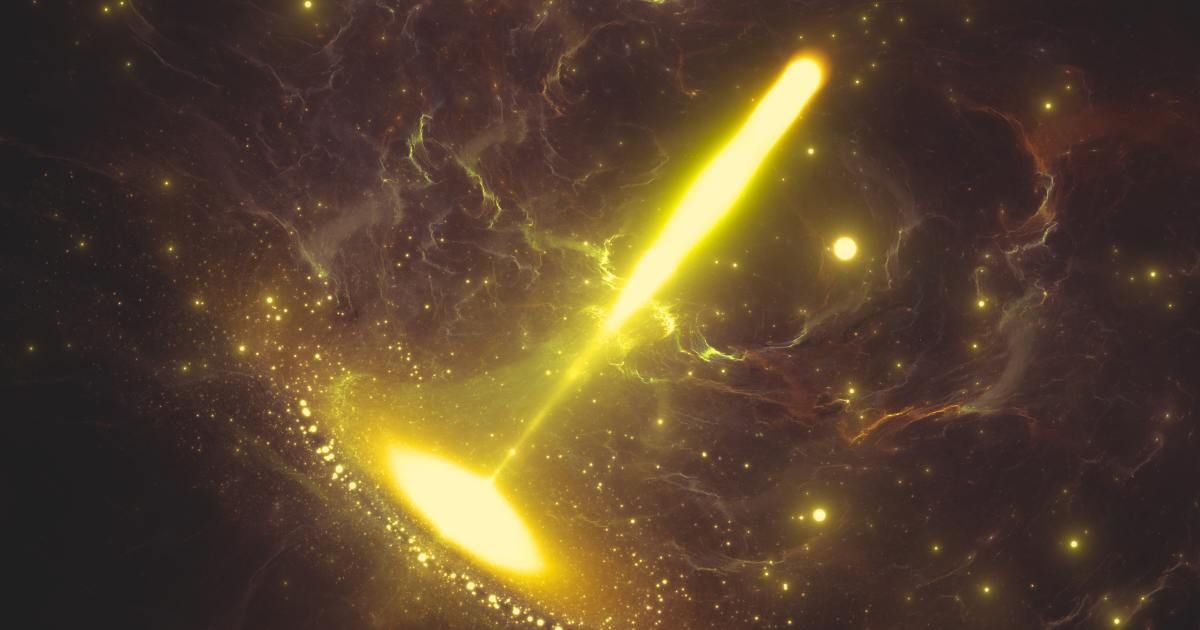
As many as 53 new supermassive black hole-powered quasars are releasing massive jets at near light-speed, a team of Indian astronomers has found. These jets, according to the study published in The Astrophysical Journal, are as long as 7.2 million light-years.
Scientists discover 53 powerful quasars shooting out jets up to 50 times wider than our Milky Way
byu/marktwin11 inspaceporn
“The sizes of these radio jets are not comparable to our solar system or even our galaxy,” said Souvik Manik, who’s one of the authors and a researcher at Mindapore City College, West Bengal, India. “We are talking about 20 to 50 Milky Way diameters placed side by side." Some of the brightest objects in the universe, quasars are distant and active supermassive black holes that are at least millions of times the mass of our Sun. They usually reside at the centers of galaxies, feeding on matter that falls in and releasing immense amounts of radiation, per NASA.
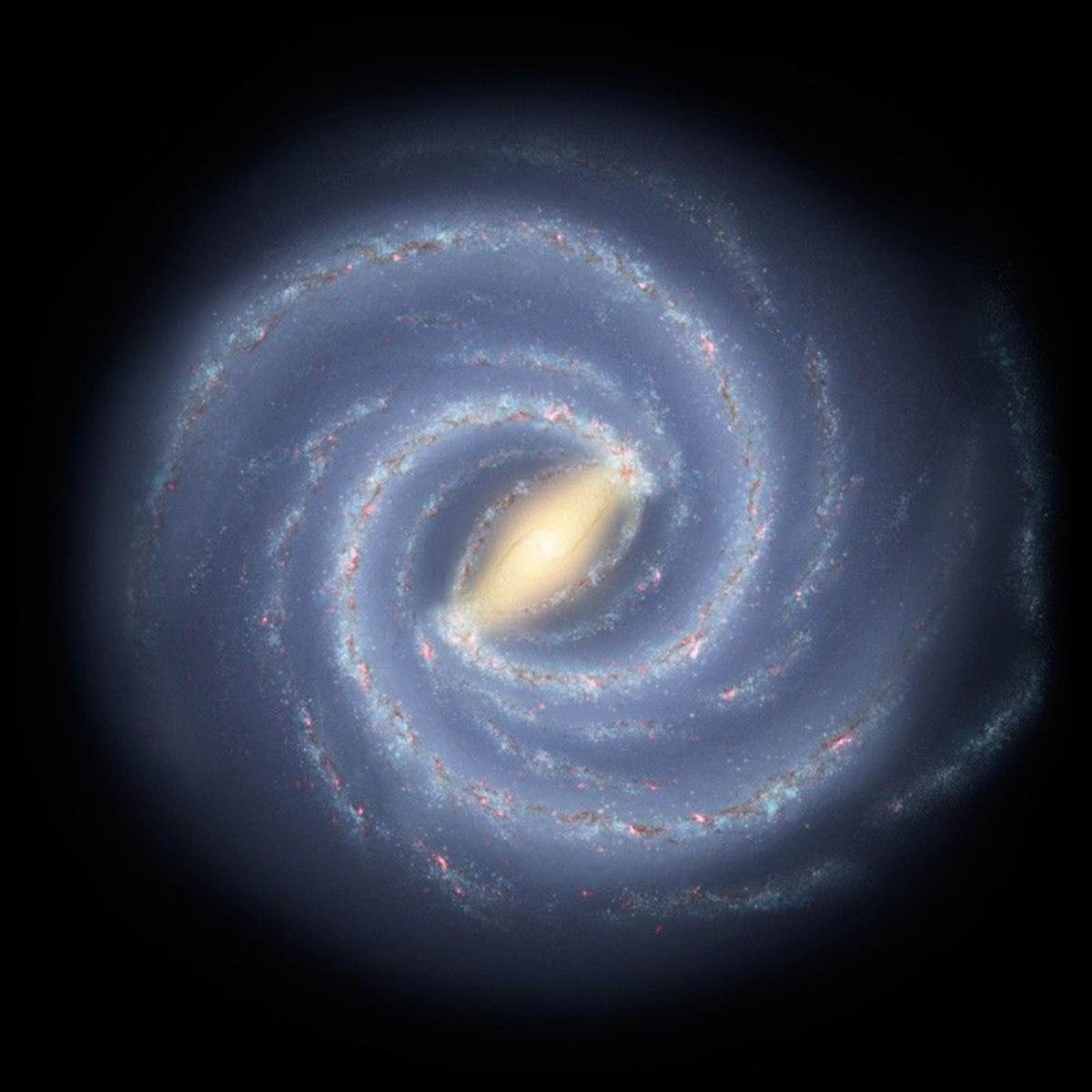
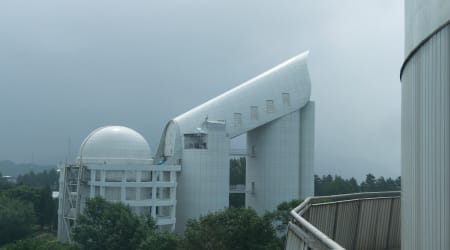
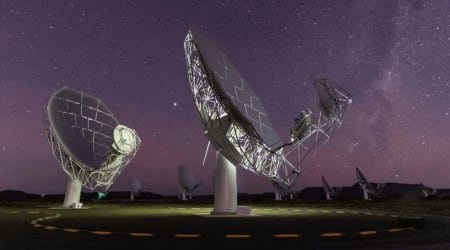
The massive Giant Radio quasars in question here are part of a group of 369 radio quasars that were recently discovered via the data furnished by the Giant Meterwave Radio Telescope (GMRT), located near Pune, India, as part of the TIFR GMRT Sky Survey (TGSS). The high sensitivity and wide coverage provided by the GMRT made it the ideal instrument for detecting these faraway radio-emitting objects.
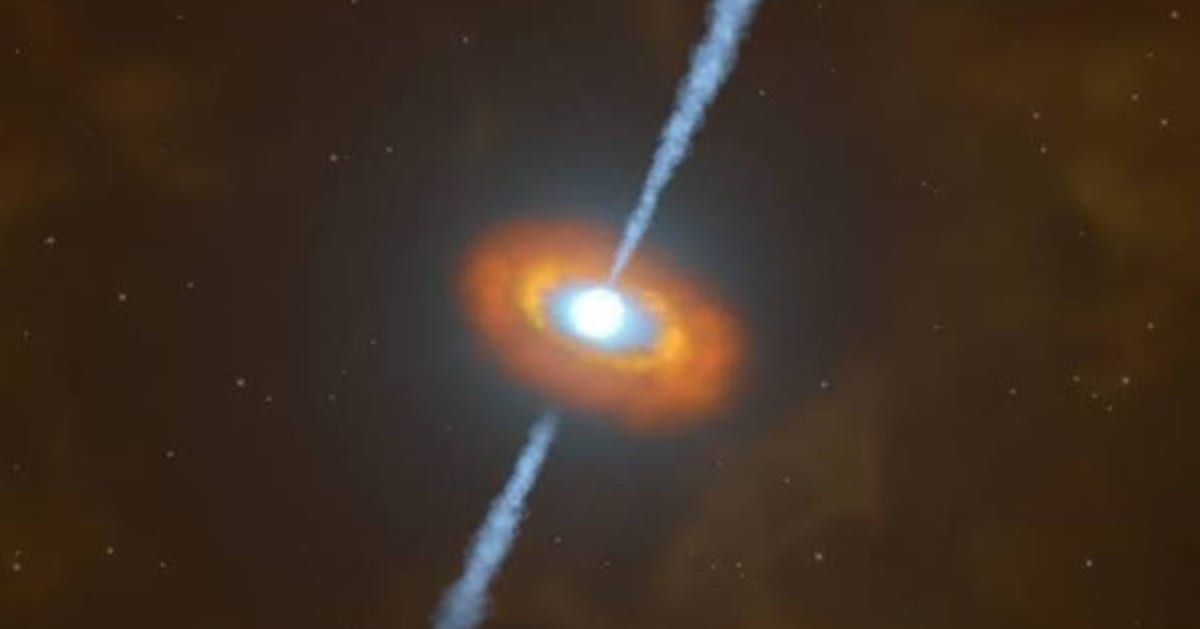
![This is an artist's concept of a galaxy with a brilliant quasar at its center. [Representative Image Source: NASA, ESA, J. Olmsted (STScI)]](https://de40cj7fpezr7.cloudfront.net/03ad641f-fa02-4122-8f8e-e08e76bb4a2b.png)
The matter that supermassive black holes feed on surrounds them in flattened clouds called accretion disks. The powerful tidal forces generated within these disks as a result of the massive gravitational pull of supermassive black holes cause the material to heat and emit electromagnetic radiation.
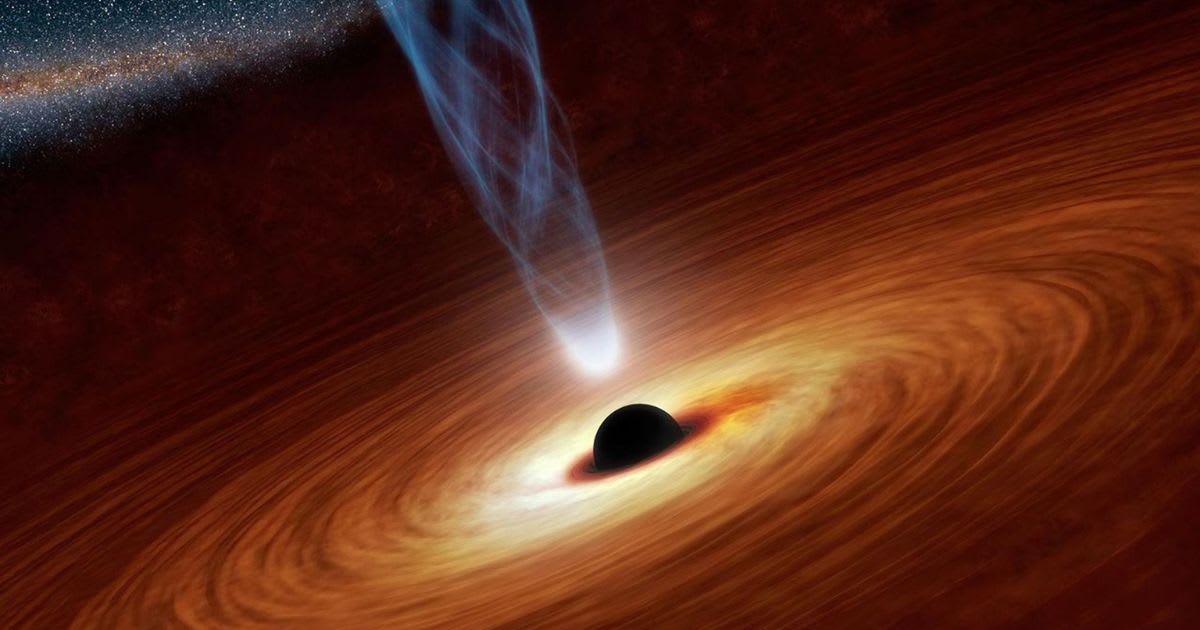
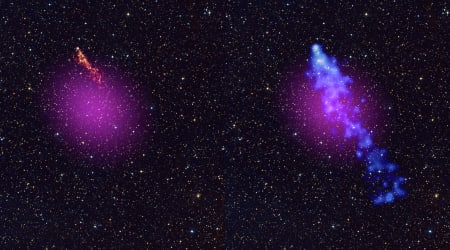
That being said, black holes don’t necessarily feed on all the matter in the accretion disks. Highly ionized gas channeled via strong magnetic fields to the poles of supermassive black holes gets accelerated to near light speeds and are shot out as powerful jets in opposite directions. Over the course of time, these jets extend to distances of many light-years away from their point of origin and spread out into lobes that fan out far above and below the galaxies of their birth.
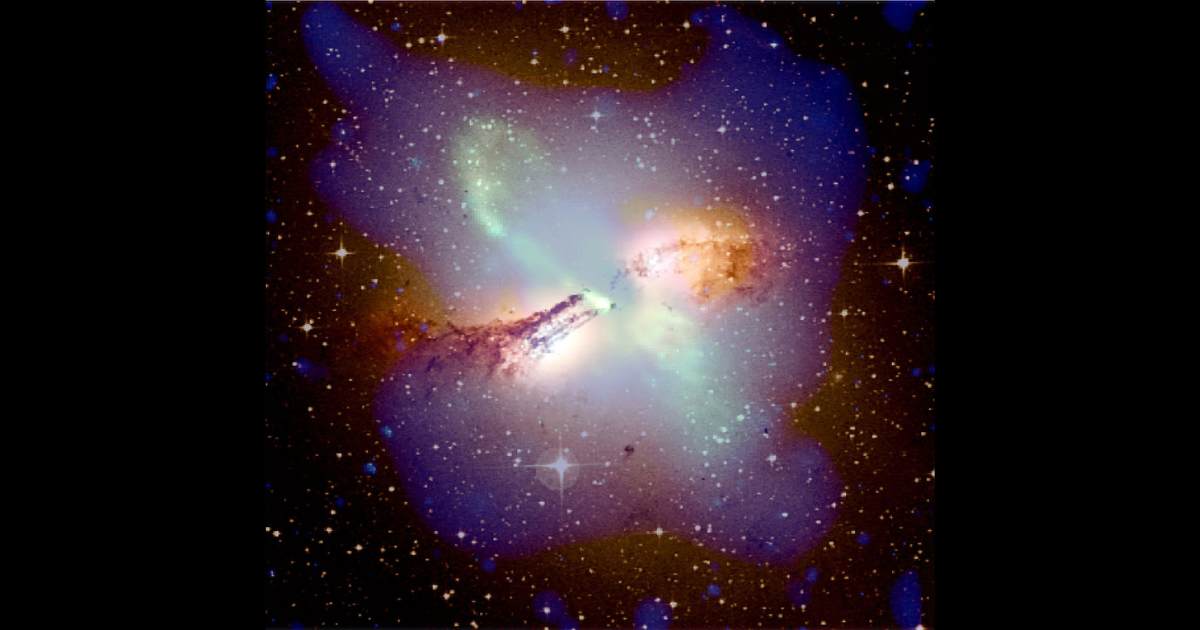
“Their enormous radio jets make these quasars valuable for understanding both the late stages of their evolution and the intergalactic medium in which they expand, the tenuous gas that confines their radio lobes millions of light-years from the central black hole,” explained team leader and Midnapore City College astronomer Sabyasachi Pal. That being said, locating these massive structures is quite the task given the tendency of the “bridge” of emissions connecting two lobes to fade below the limits of detection.
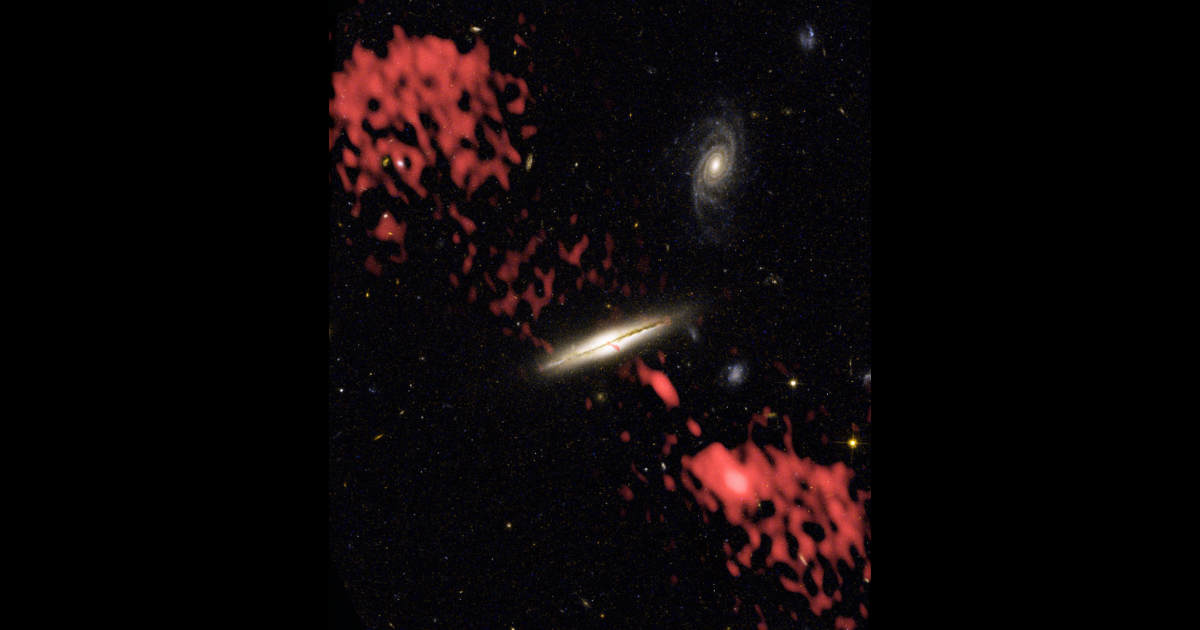
“Low-frequency radio surveys are particularly effective for identifying these systems because the aged synchrotron plasma in the lobes emits more strongly at lower radio frequencies than at higher ones,” Pal added. In what was an interesting discovery regarding Giant Radio Quasars, the team found that the environment is a major factor that influences the formation of these jets. Team member Netai Bhukta of Sidho Kanho Birsha University, Lagda, India, explained in a statement reported by Space.com that jets in denser regions may be slower, bent, or disrupted by the surrounding gas. Conversely, those in the less dense regions experience unopposed growth across the intergalactic medium.
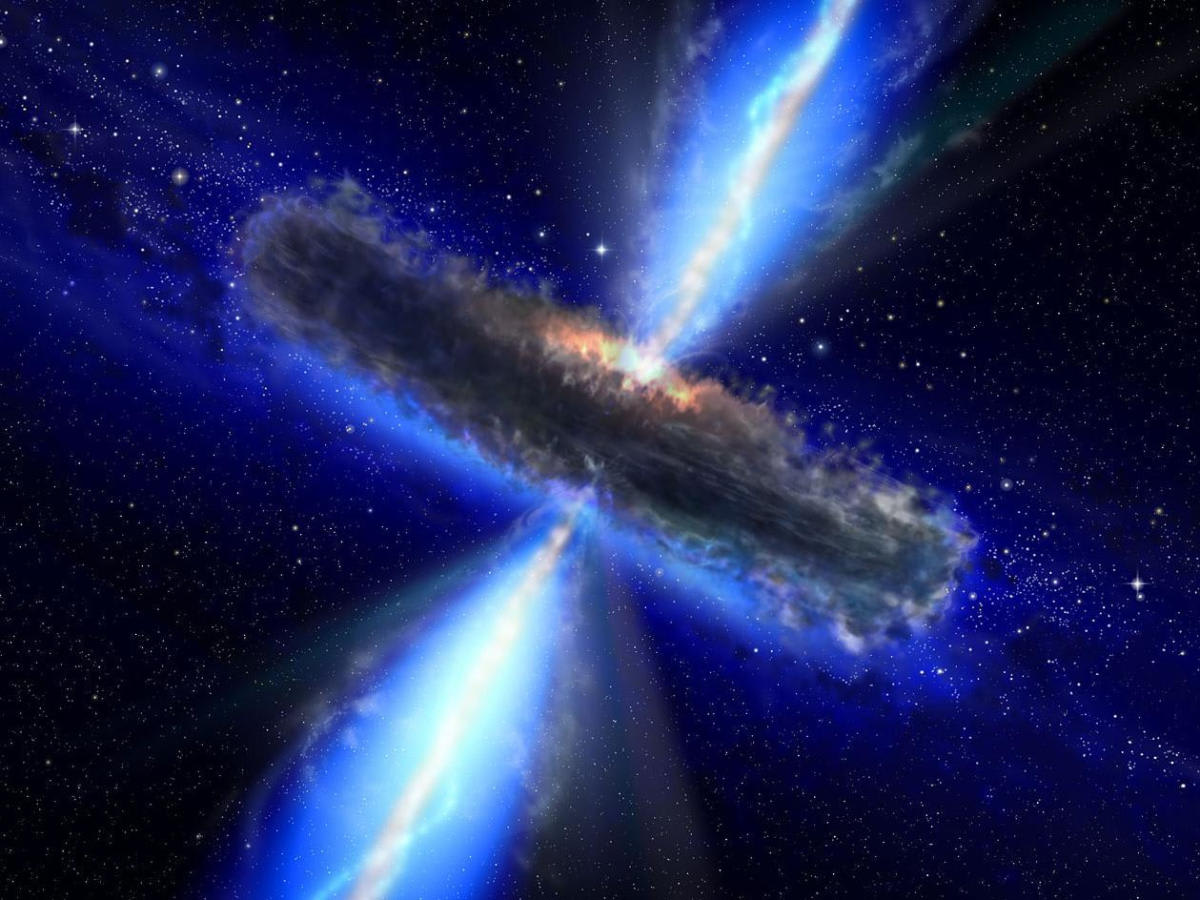
Granted, the majority of quasars shoot out twin jets. The scientists involved in the study, however, found that they are hardly even when it comes to length or brightness. This phenomenon is referred to as radio jet asymmetry and is indicative of the uneven cosmic environment these jets find themselves pitted against. Per the findings of the study, it is likely that longer jets display greater asymmetry because they stretch further back in time when the cosmos was back with denser gas that offered greater resistance.
More on Starlust
Astronomers' cosmic discovery reveals extreme starburst galaxy concealed behind distant quasar
Astronomers find 62 new quasars including the most luminous 'FeLoBAL' ever found