Why do some solar eruptions abruptly die? New study sheds light on the scientific mystery
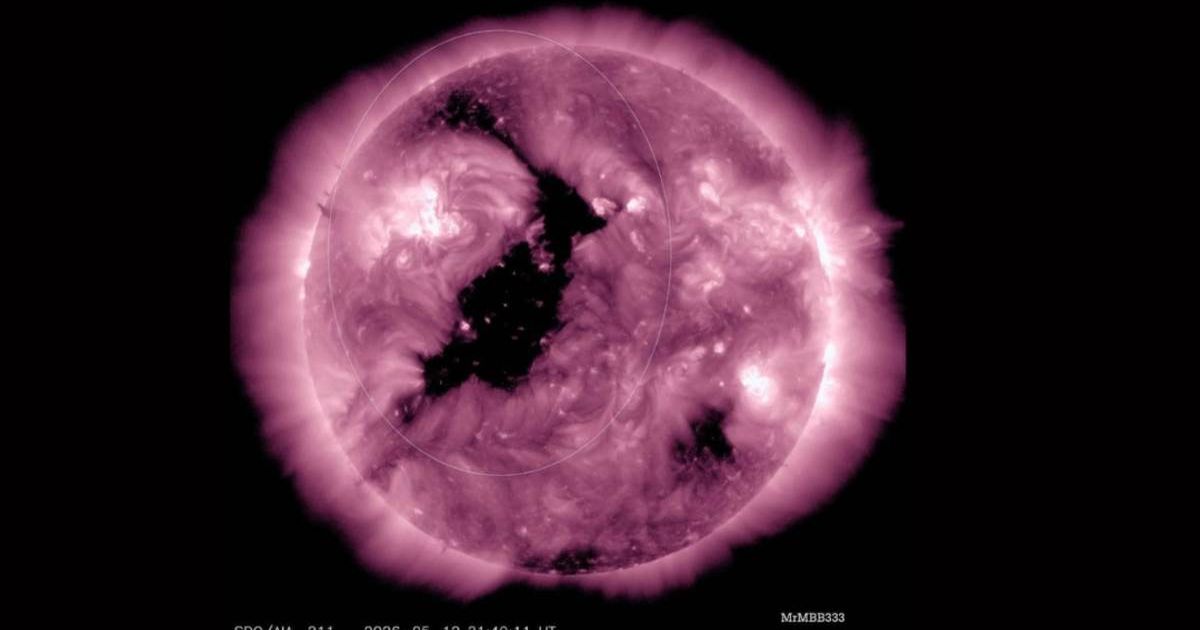
A couple of years back, in March 2024, astronomers watched the Sun unleashing a massive flare and an accompanying plasma eruption that had the potential to trigger a geomagnetic storm. Then, suddenly, the eruption slowed and died, but the reason behind this failure was not clear. Now, a new study, published in Nature Astronomy, has shed light on the physics behind this abrupt demise. "This strong flare should have produced a big eruption," said study lead author Tingyu Gou, an astronomer at the Smithsonian Astrophysical Observatory (SAO), part of the Center for Astrophysics, Harvard & Smithsonian, in a statement. "Instead, we saw that the eruption stalled and collapsed shortly after its initiation," Gou added.
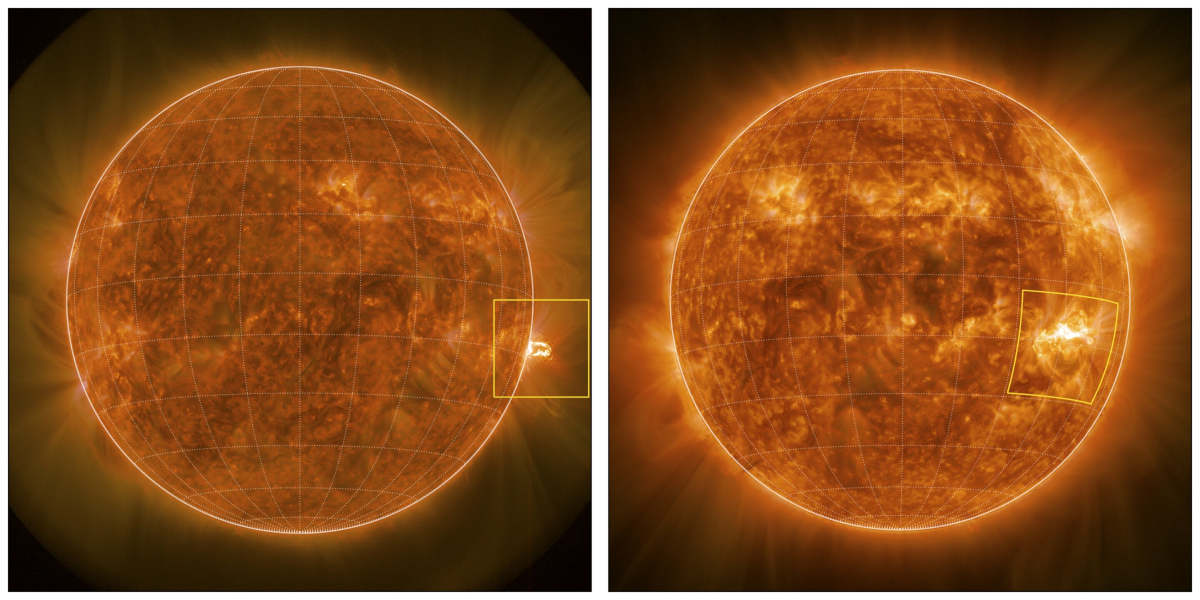
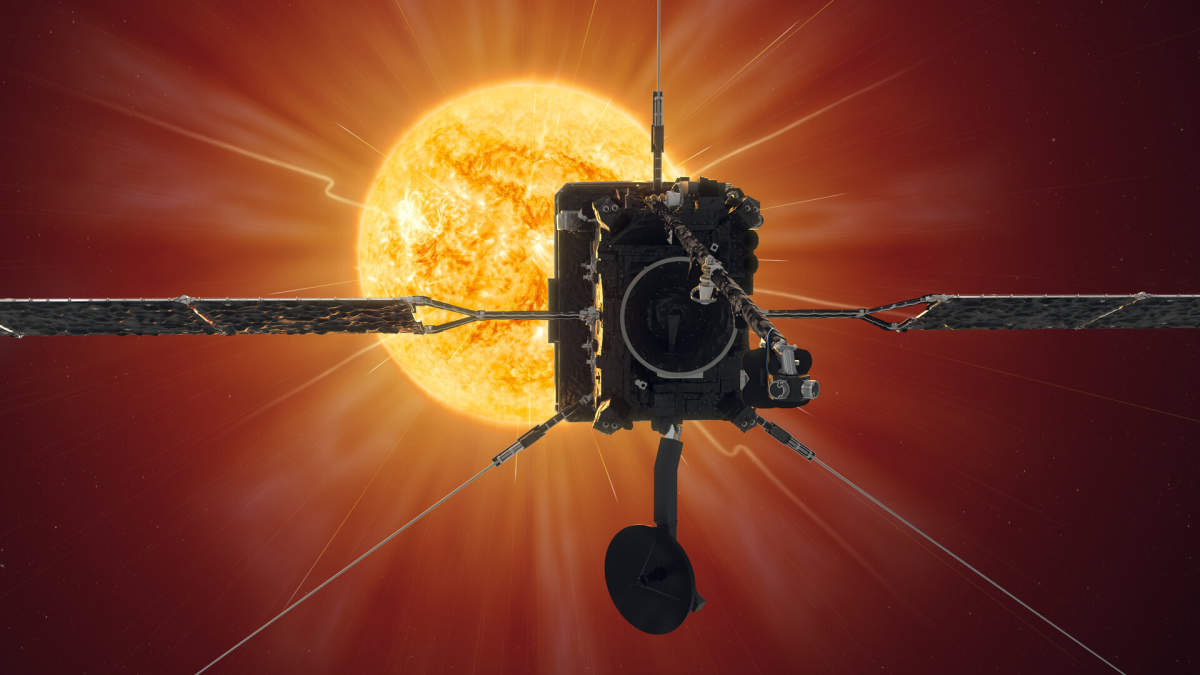
Although failed solar eruptions are not a new phenomenon in astrophysics, the reason behind these failures has largely remained a scientific mystery. The March 2024 event, however, gave scientists an opportunity to understand this. The researchers were fortunate enough to be able to observe this dying eruption in detail, gathering data from multiple spacecraft that viewed the same event from different angles and across many wavelengths. Among the various observatories that recorded the event were NASA’s Solar Dynamics Observatory, JAXA's Hinode satellite, and the European Space Agency’s Solar Orbiter. In addition, ground-based radio telescopes and NASA’s IRIS mission made important ultraviolet observations.
Together, these instruments—which tracked superheated coronal plasma via X-rays and the cooler matter of the prominence regions—revealed a hidden battle unfolding in the Sun’s magnetic atmosphere. Below the rising eruption, magnetic field lines snapped and reconnected—a process known as magnetic reconnection. This is the engine that powers eruptions upward, converting magnetic energy into violent motion and heat. However, a second reconnection event occurred at the same time above the eruption in the case being studied by these astronomers.
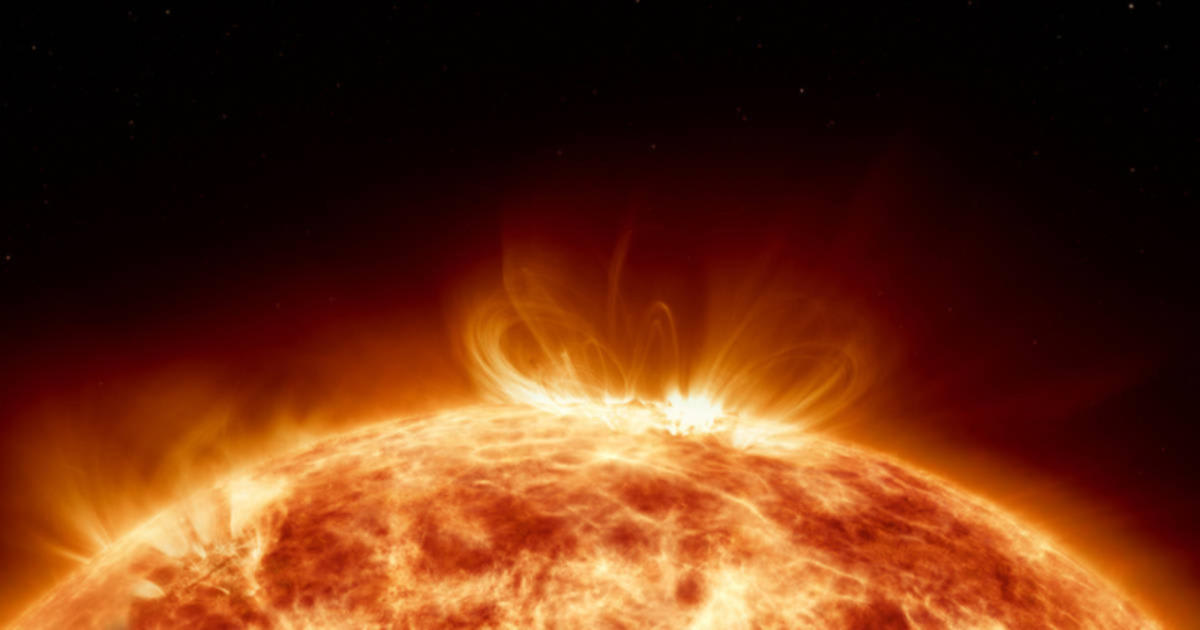
This upper reconnection effectively sliced into the top of the erupting structure, draining energy from the very system trying to escape. At the same time, immensely strong magnetic fields arched over the region like steel bars around a prison. The scientists describe these outer fields as a kind of 'magnetic cage' that decayed too slowly to allow the plasma to escape, trapping the eruption and ultimately stopping it in its tracks. "That upper reconnection weakened the forces that were driving the eruption, which helped to shut it down," explained Katharine Reeves, astronomer at SAO and co-author on the paper.
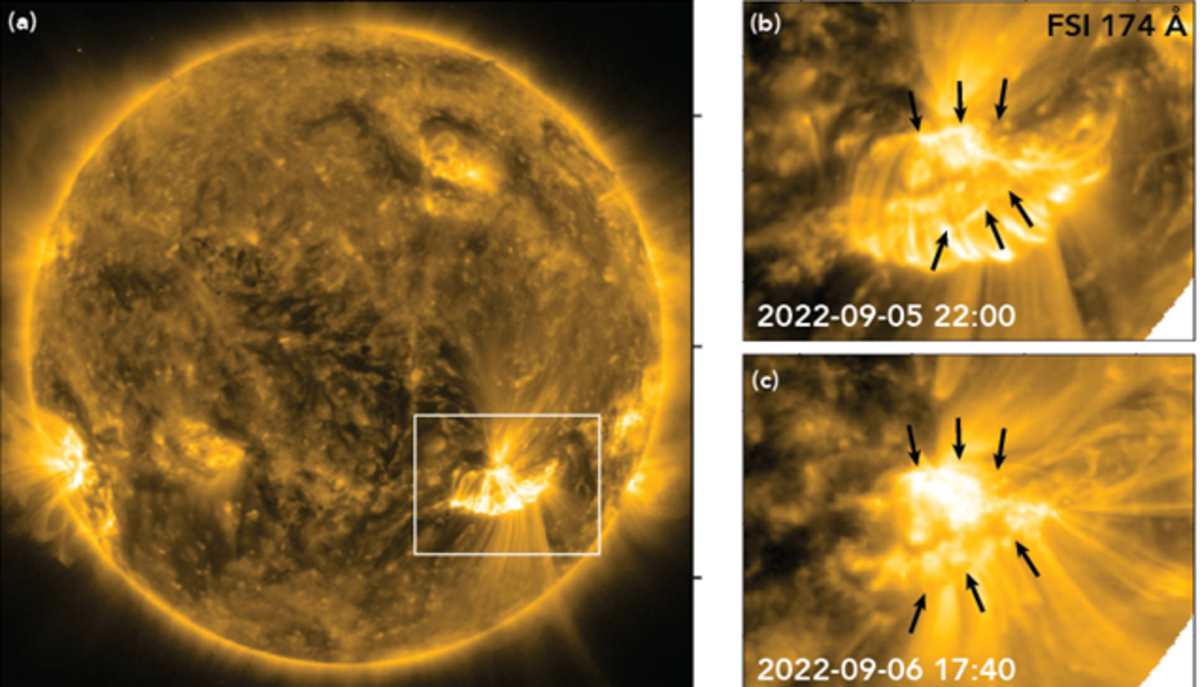
The findings from the study suggest that highly complex magnetic fields can cause eruptions to fail, which helps explain a long-standing mystery in astrophysics: why so many stellar coronal mass ejections (CMEs) die close to their host star, producing a visible flare but remaining hidden to our telescopes. "By watching this failed eruption on our own sun in detail, we gain a window into how flares and eruptions may work throughout the galaxy," said Gou. "This work can, in turn, help us understand the physical mechanisms of successful eruptions and space weather environments of distant stars and planets."
More on Starlust
Anatomy of a star: What keeps the Sun shining for billions of years
NASA's Parker Solar Probe makes surprising revelation about mechanism behind solar storms