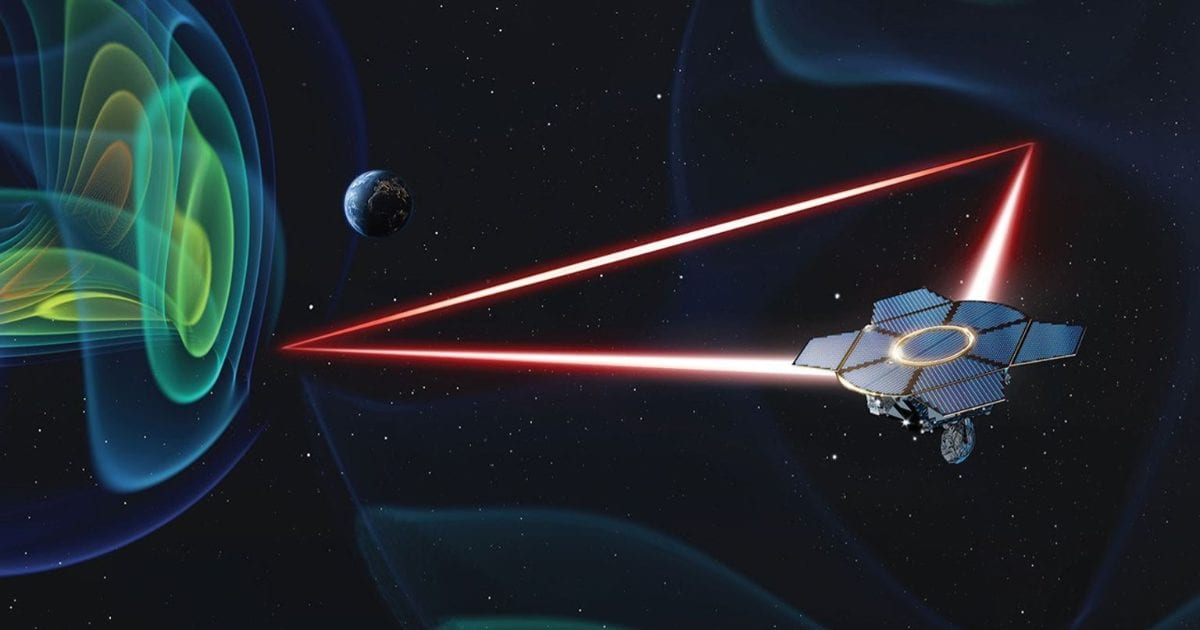
Rare XRISM findings reveal what a black hole looks like in its quietest X-ray phase
A groundbreaking observation by the X-ray Imaging and Spectroscopy Mission (XRISM) satellite has provided astronomers with an unprecedented look at a black hole's immediate environment during a rare, low-luminosity state. An international research collaboration, led by prominent scientists from the University of Michigan, the University of Teacher Education Fukuoka, and Ehime University, has confirmed the presence of sluggish, hot gas swirling near the black hole. This finding offers new insights into how these extreme cosmic systems function and evolve, according to Ehime University.
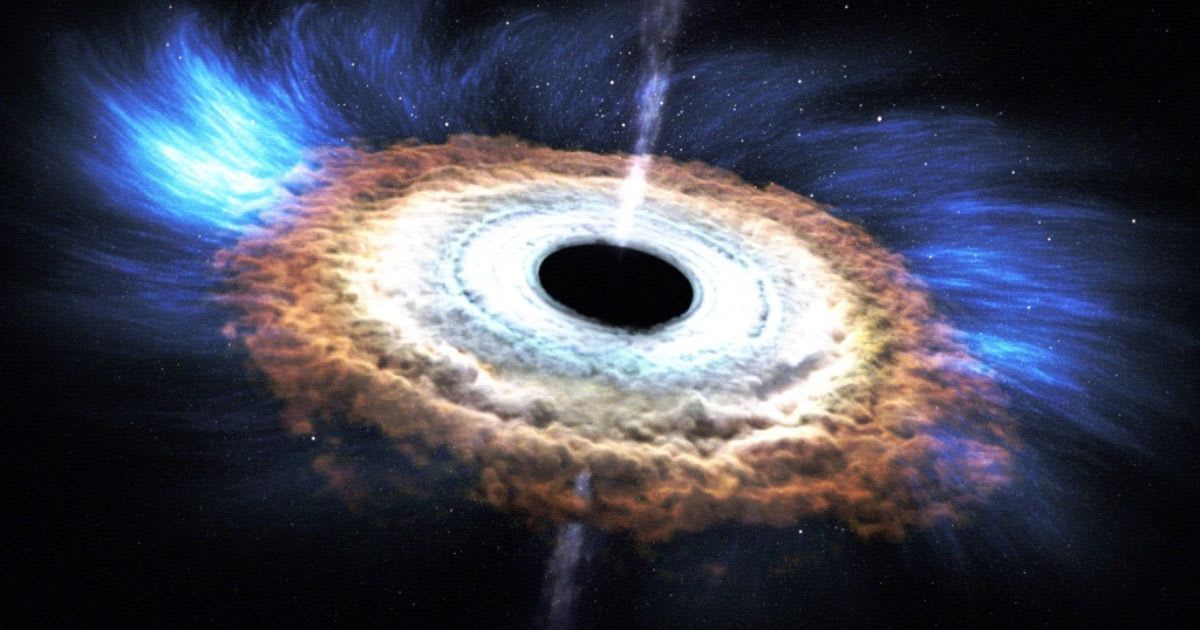
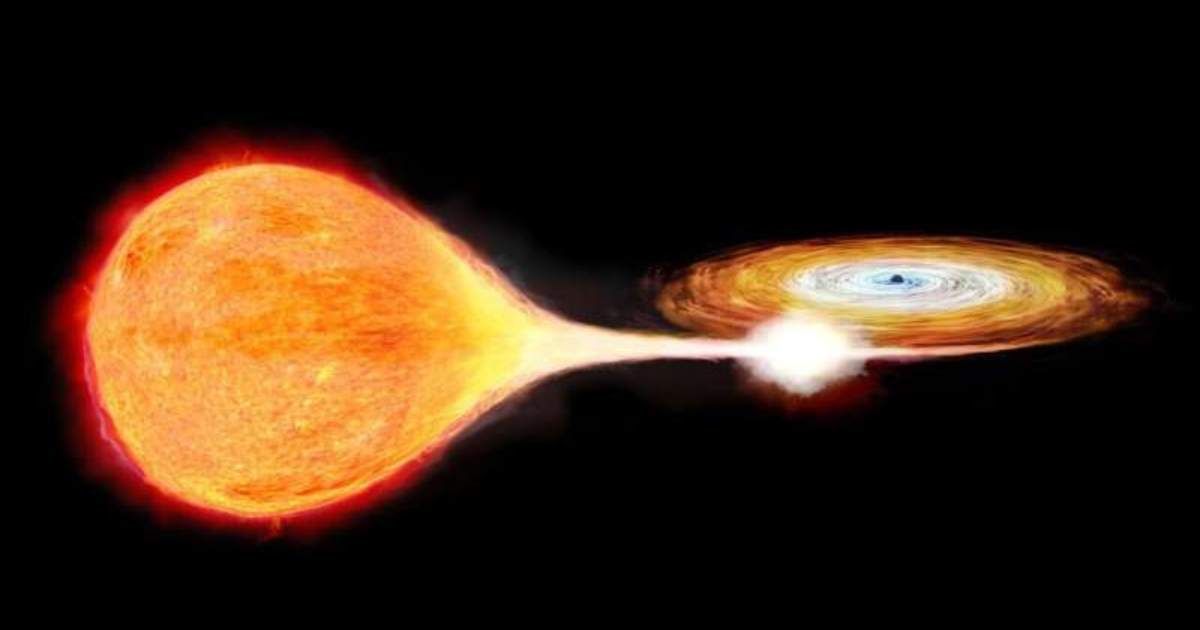
The target of the observation was 4U 1630-472, a stellar-mass black hole X-ray binary located in our galaxy. These binary systems are composed of a black hole orbiting a star, with gas from the star forming a superheated disk that spirals inward, generating intense X-ray radiation. While these systems typically remain dim, they can suddenly undergo "outbursts," increasing their X-ray brightness by tens of thousands of times.
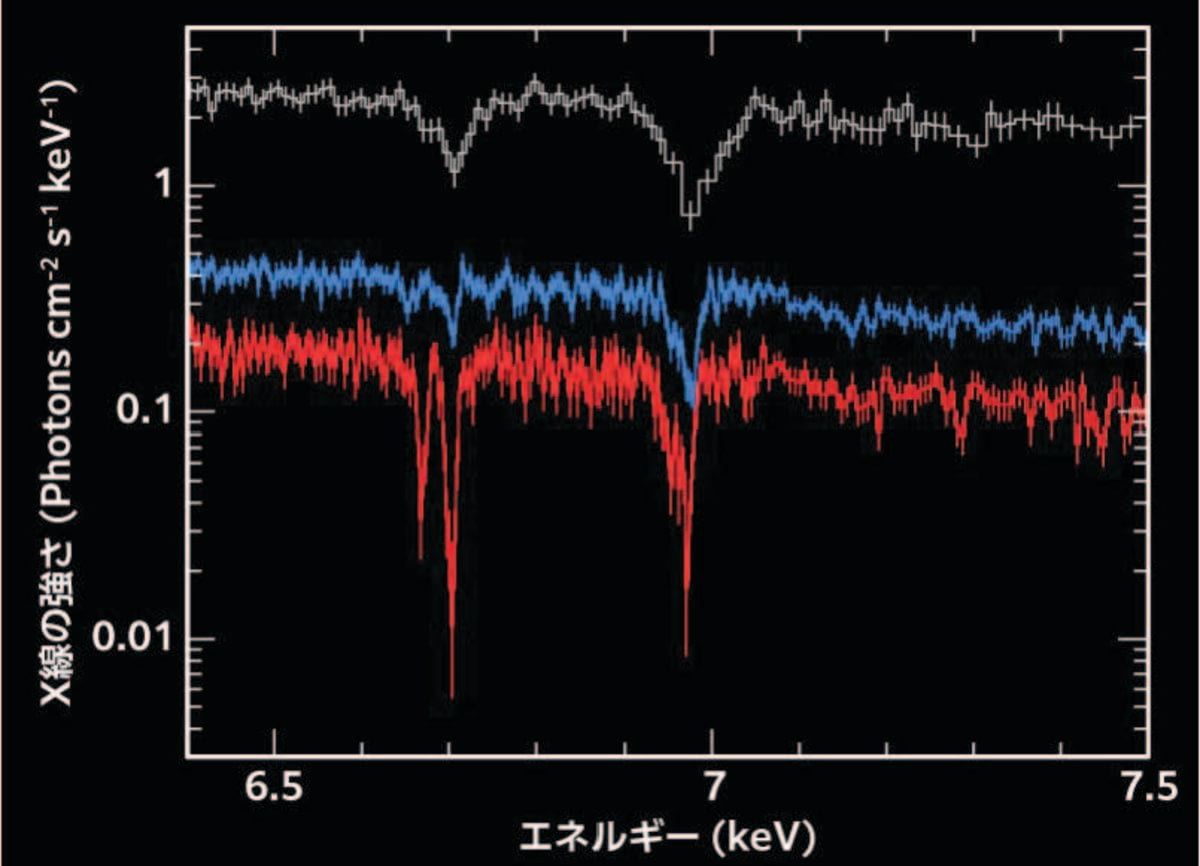
Using the highly sensitive Resolve spectrometer aboard XRISM, the team was able to capture the black hole system as it was fading from one of these outbursts, its X-ray brightness having fallen to just a fraction of its peak. This precise timing was crucial, as it allowed the satellite to detect absorption lines from highly ionized iron, a signature of hot gas, even at this low luminosity. Analyzing the data, researchers determined that the hot gas was moving at a remarkably slow speed of less than 200 km/s, a stark contrast to the powerful, high-speed winds of more than 1000 km/s that are often observed during the system’s brightest phases. This slow-moving gas is still gravitationally bound to the black hole, not yet escaping the system. This suggests a potential localized cloud of gas at the edge of the accretion disk, possibly formed where the stream of material from the companion star collides with the disk.
This discovery is the first time that such detailed features have been mapped in a black hole X-ray binary at such a faint stage. The results challenge previous assumptions and raise new questions about the conditions that trigger the powerful winds seen in brighter states. Scientists are now eager to observe future black hole outbursts at various stages to better understand the mechanisms that drive these dramatic changes.
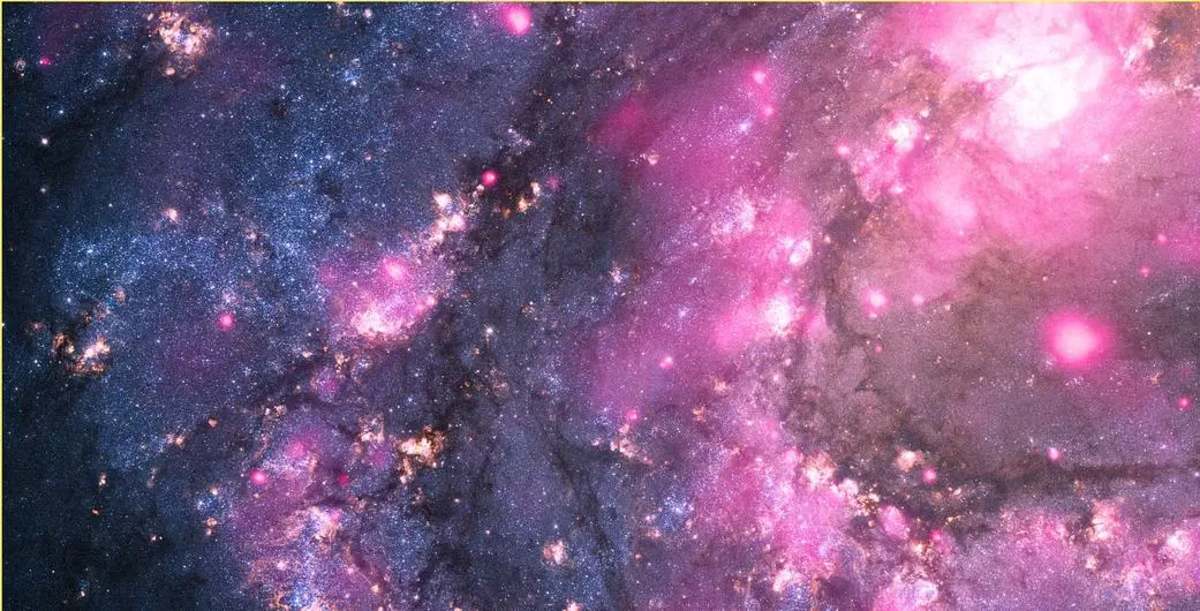
The XRISM satellite, a collaborative effort between the Japan Aerospace Exploration Agency (JAXA) and NASA, with participation from the European Space Agency (ESA), launched from the Tanegashima Space Center in Japan on September 7, 2023, as per NASA. The mission's primary goal is to study celestial X-ray sources using high-resolution spectroscopy and high-throughput imaging.
XRISM carries two key instruments: Resolve and Xtend. Resolve is a cutting-edge soft X-ray spectrometer designed to measure the energy of X-rays with exceptional precision. It is capable of resolving X-ray energies with a resolution of 5-7 eV in the 0.3-12 keV range. Xtend, a soft X-ray imager, complements Resolve by providing a wide-field view, using four CCD detectors to capture a broader area of the sky over the 0.4-13 keV energy range.
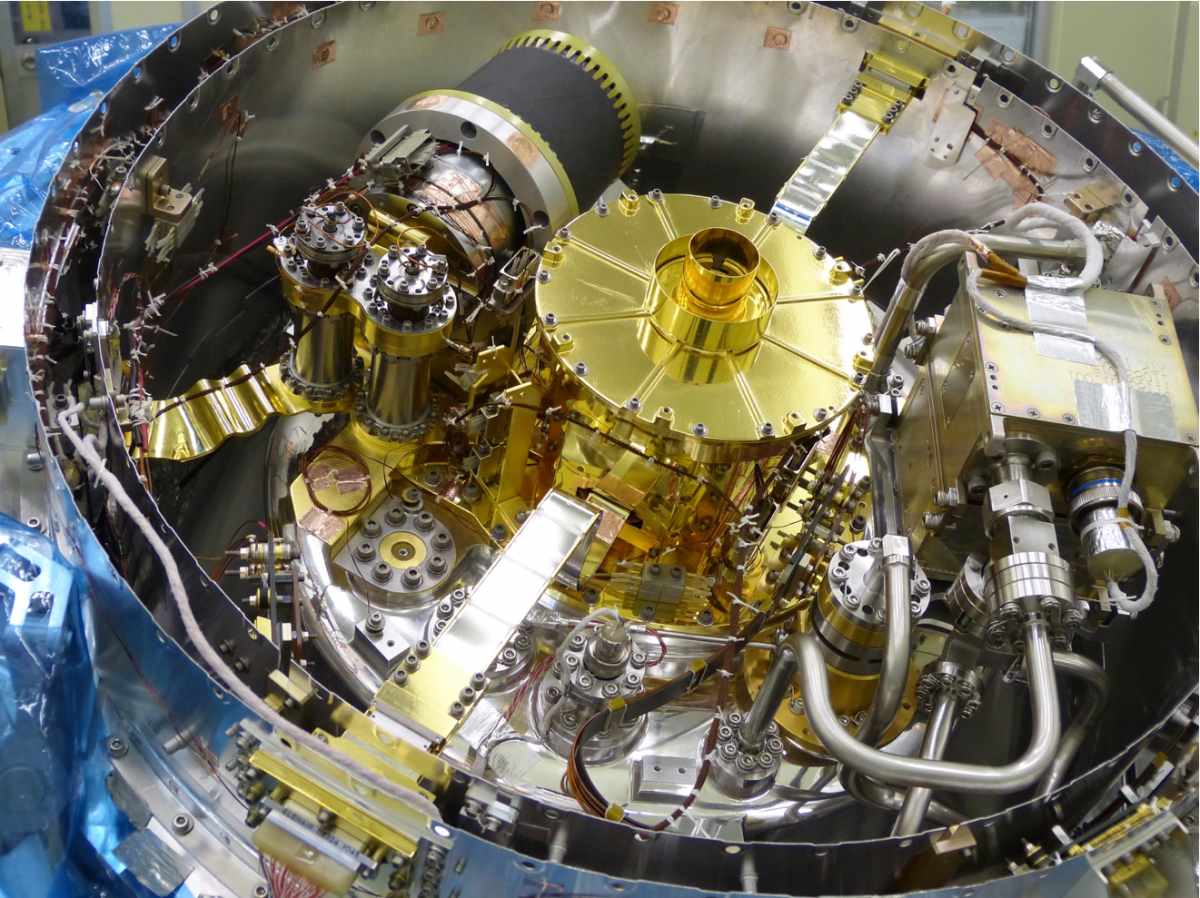
These instruments were specifically designed to recover much of the scientific capability lost after the Hitomi satellite mishap, focusing exclusively on soft X-ray bands. NASA's Goddard Space Flight Center played a key role in developing the Resolve detector system and its subsystems, as well as the mirror assemblies. The Goddard team also operates the mission's Science Data Center, which provides data analysis software and supports guest observers.