New instrument, TIME, maps the Milky Way's core to prepare for a survey of the early universe
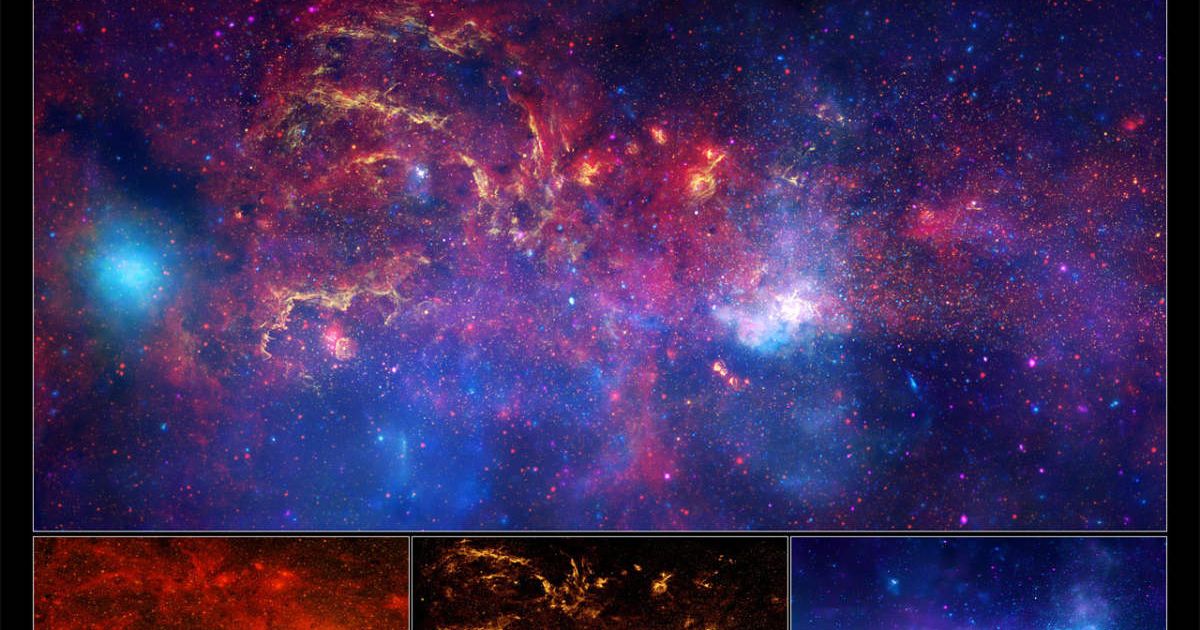
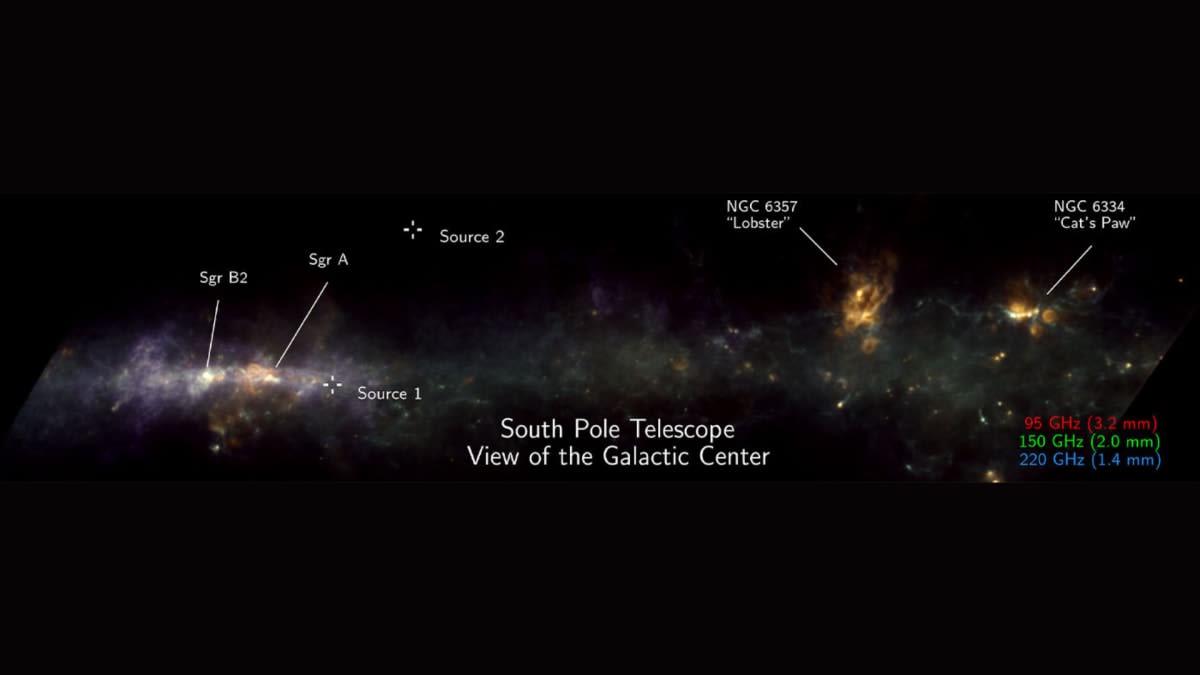
Trying to understand distant galaxies by focusing on their faint signals is akin to guessing about a city by looking at its lights from a great distance. Is it possible to accomplish this feat? Cornell astronomers have an answer. They have deployed an instrument that can provide them with a snapshot of early galaxies. The instrument, named the Tomographic Ionized-carbon Mapping Experiment (TIME), proved its efficiency by mapping millimeter-wave emissions from Sagittarius A (Sgr A), a well-known region at the heart of the Milky Way. Lead author and Cornell researcher Selina F. Yang and her peers have reported their findings in The Astrophysical Journal.
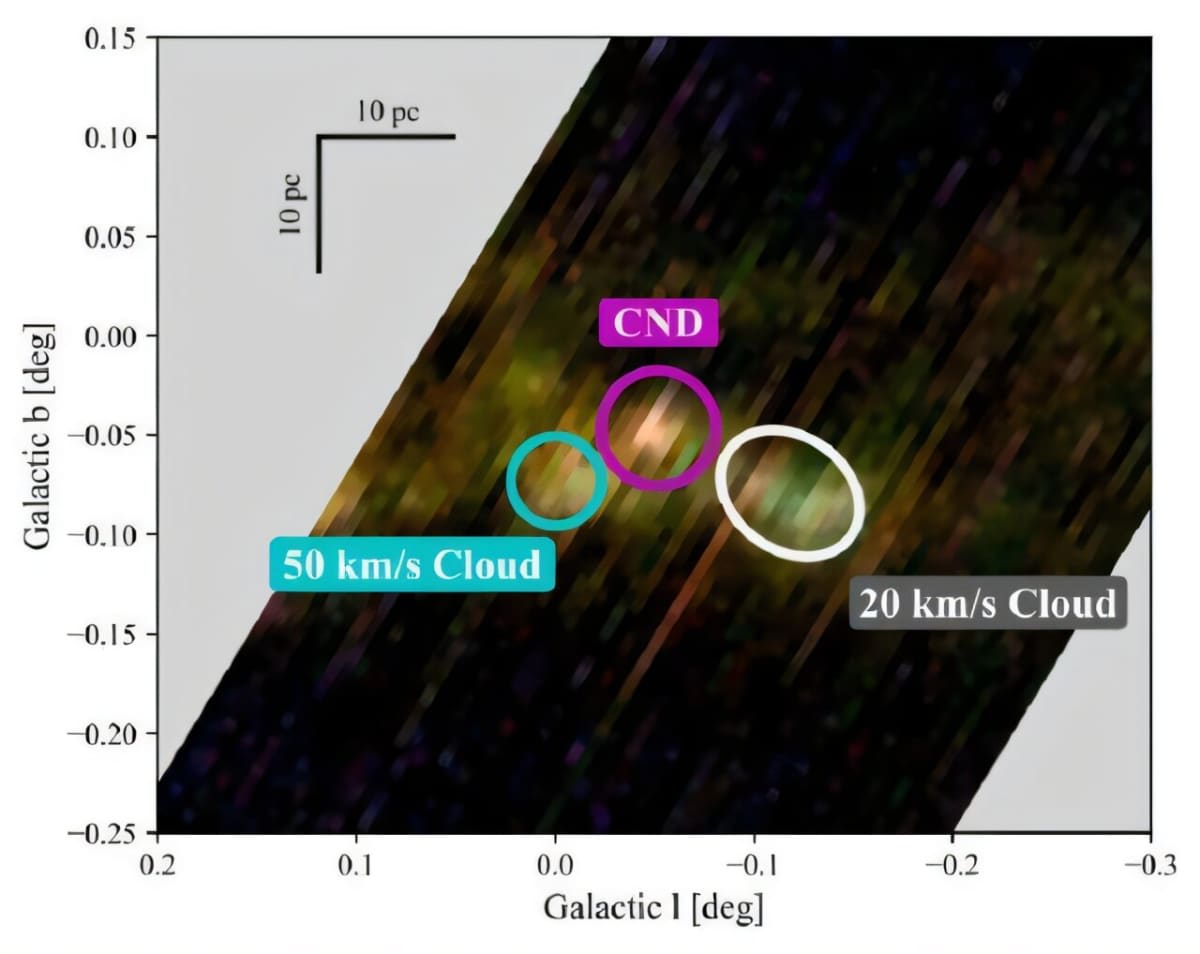
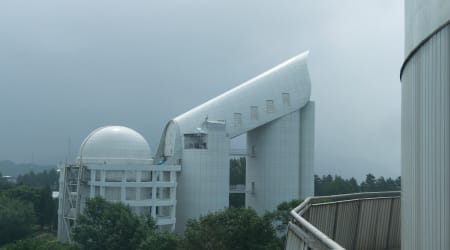
"Instead of trying to isolate every tiny galaxy, it measures the combined glow from enormous numbers of galaxies all at once," said Yang, a doctoral student in the field of physics, in a statement. "It is less like counting individual streetlights and more like measuring the overall brightness of an entire city from space." The researchers made the commissioning observations during the 2021–22 season at the Arizona Radio Observatory (ARO) 12-meter telescope at Kitt Peak. The study advances the field of observation by validating a technique called line-intensity mapping (LIM). This technique could be used for new instruments on other telescopes, including the Cornell-led Fred Young Submillimeter Telescope currently under construction in Chile.
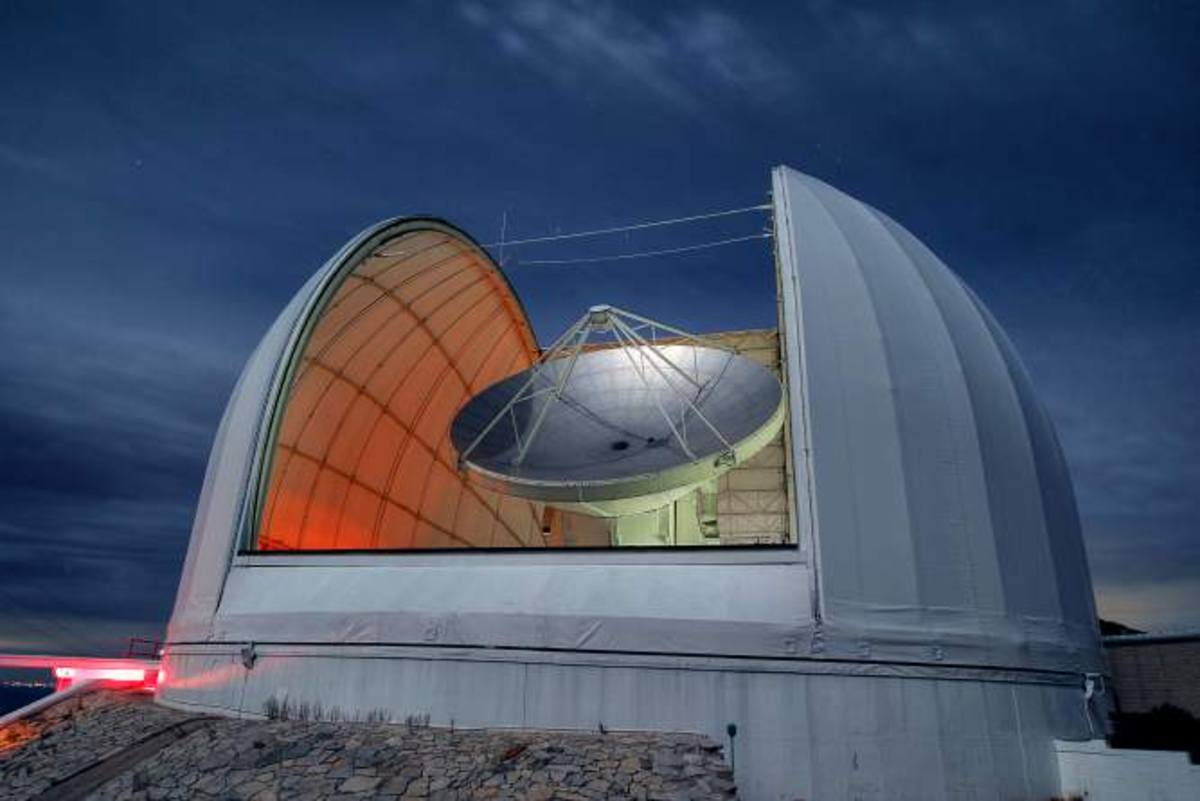
"With TIME, we are trying to probe cosmic history over a range of times," said Abigail Crites, assistant professor of physics and Fred Young Faculty Fellow in the College of Arts and Sciences (A&S) and principal investigator of the project, supported by the National Science Foundation. The universe is expanding, with its galaxies rushing away. This expansion also pushes the earliest galaxies farther, making it difficult to track them with traditional telescopes. Unlike these telescopes that focus on specific targets, TIME captures light from a large portion of the sky. Then, it uses a spectrometer to measure specific frequencies and patterns in the light emitted by molecules or atoms from faint galaxies.
"With a regular telescope, you know where an object is or at most you survey a tiny patch of sky and you see some very bright galaxies,” Crites said. “But with TIME, we know the galaxies should be there, and we know they should have some brightness. You just see a fuzzy patch, but that's kind of cool because you're getting all those photons even if you're not identifying them as this galaxy or that galaxy." “Those photons communicate identities that are unique to every molecule, like a barcode,” added Yang.
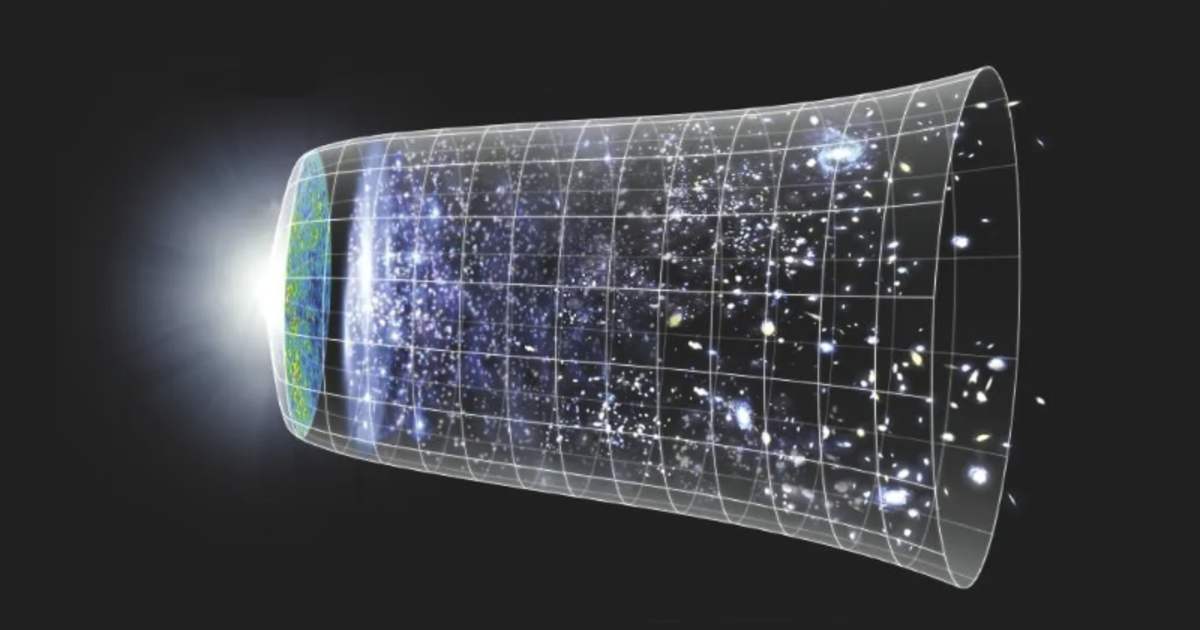
The researchers are looking for these signals to probe two different eras of cosmic history. The team can study what happened one billion years after the Big Bang. This was the epoch of reionization, when the first stars and galaxies began to form and light up the universe. They think they can do this by analyzing spectral emissions from ionized carbon ([C II]). Emissions from carbon monoxide (CO) can give them a glimpse of an era that dates back several billion years, when galaxies across the universe were busy forming stars at their highest rate. Having successfully detected these spectral barcodes from Sgr A, TIME is now validated and ready to capture similar signals from distant galaxies.
More on Starlust
What stopped star formation in some early, massive galaxies? New study using James Webb finds clues
Largest-ever ALMA image shows Milky Way's chaotic center in unprecedented detail