With the September equinox here, watch the zodiacal light in the morning sky this week
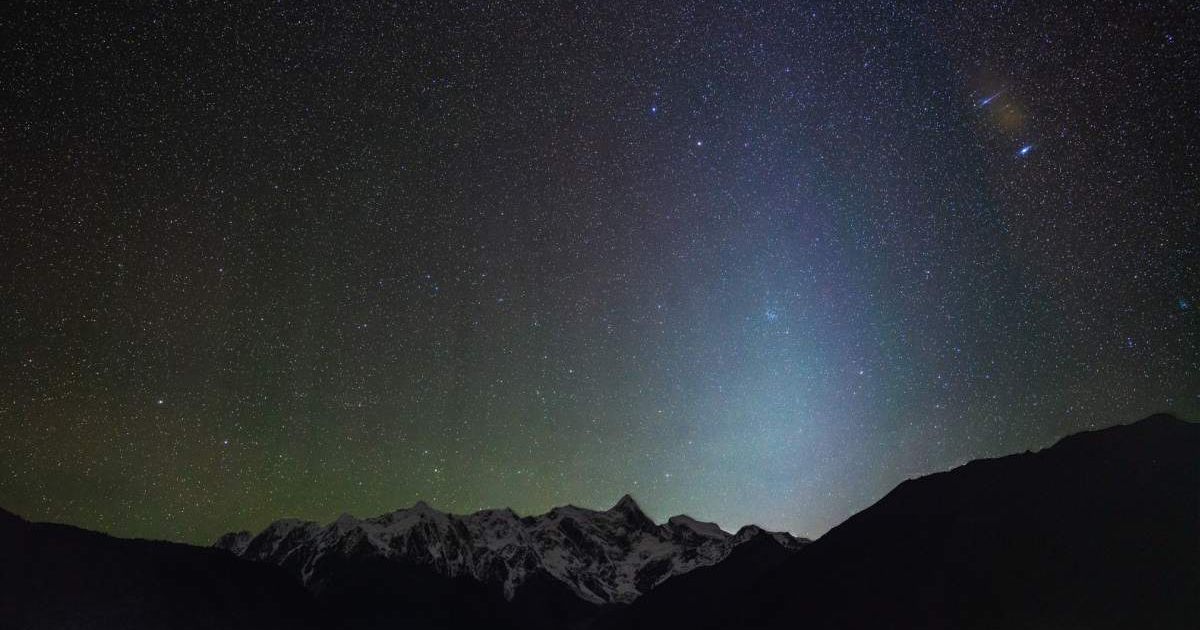
With a partial eclipse inaugurating the September equinox, it is time to keep a close watch on the zodiacal light in the sky. The zodiacal light is a cone-shaped light above the sunrise or sunset point on the horizon. According to EarthSky, it occurs at the time of the year when twilight is gone from the sky, and is visible in the dark sky without lumbar interference. The best time to catch them in the sky would be around the September and March equinoxes. September equinox officially began on September 22, 2025, immediately after the partial solar eclipse in the sky.
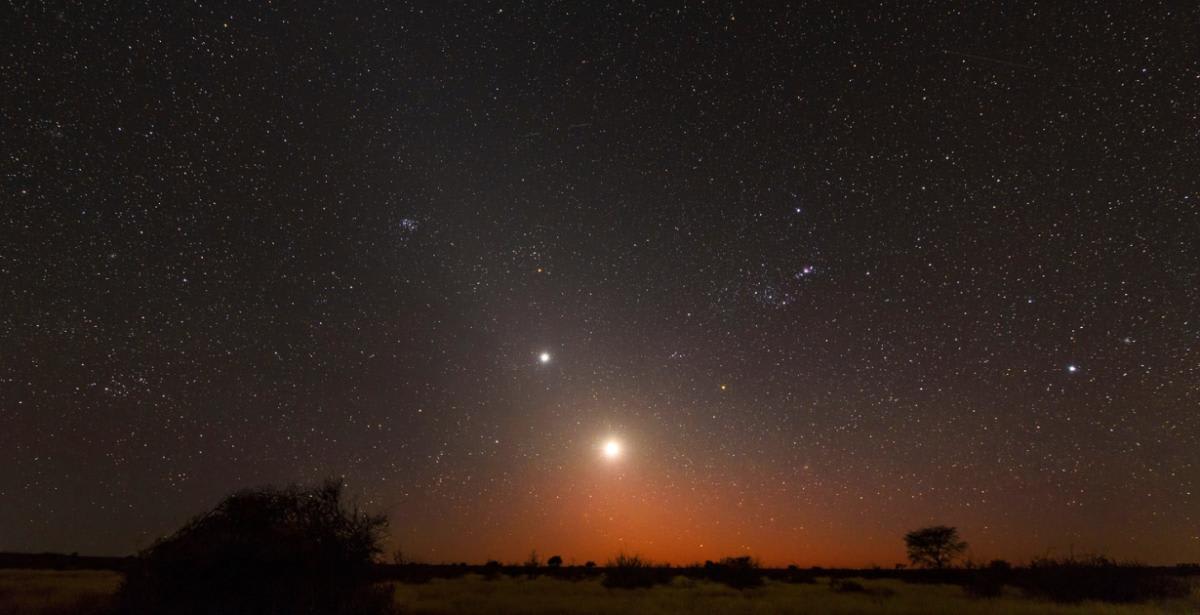
Observers in the Northern Hemisphere can witness the zodiacal light before the morning twilight around this time. The Southern Hemisphere is usually not privy to such sights in the sky and would require more darkness and a keener eye. The glow looks like a large flashlight shining over a city and is often referred to as the false dawn. Whereas in the Southern Hemisphere, as the dark skies are necessary to see the zodiacal light, some also call it the false dusk. This event can be compared in brightness to the Milky Way and lacks the rosy color of a true dawn or dusk.
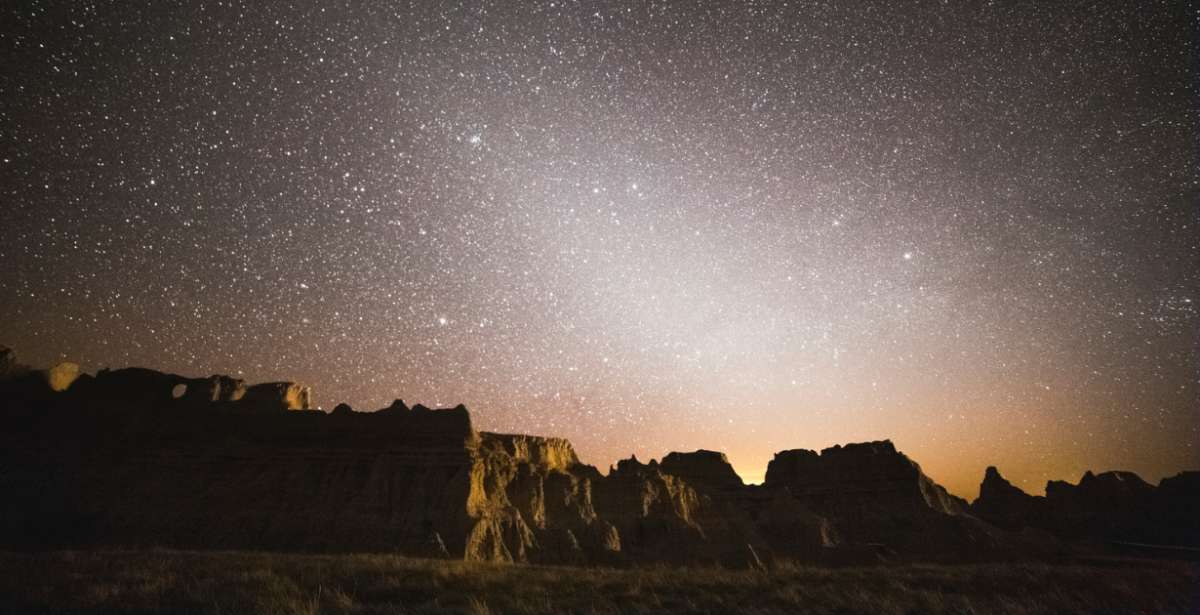
The reddish hue of dawn and dusk is from Earth’s atmosphere, but the zodiacal light originates far outside our atmosphere. The zodiacal light is most visible around the equinoxes as the light follows the ecliptic, or the pathway of the sun, moon and planets. This lets it make a very steep angle on spring evenings or autumn mornings, and the narrowest on autumn evenings or spring mornings. As the light follows the ecliptic, it is often seen from Earth’s tropical latitudes as this pathway collides with the horizon at a steep angle from this part of the world all year long.
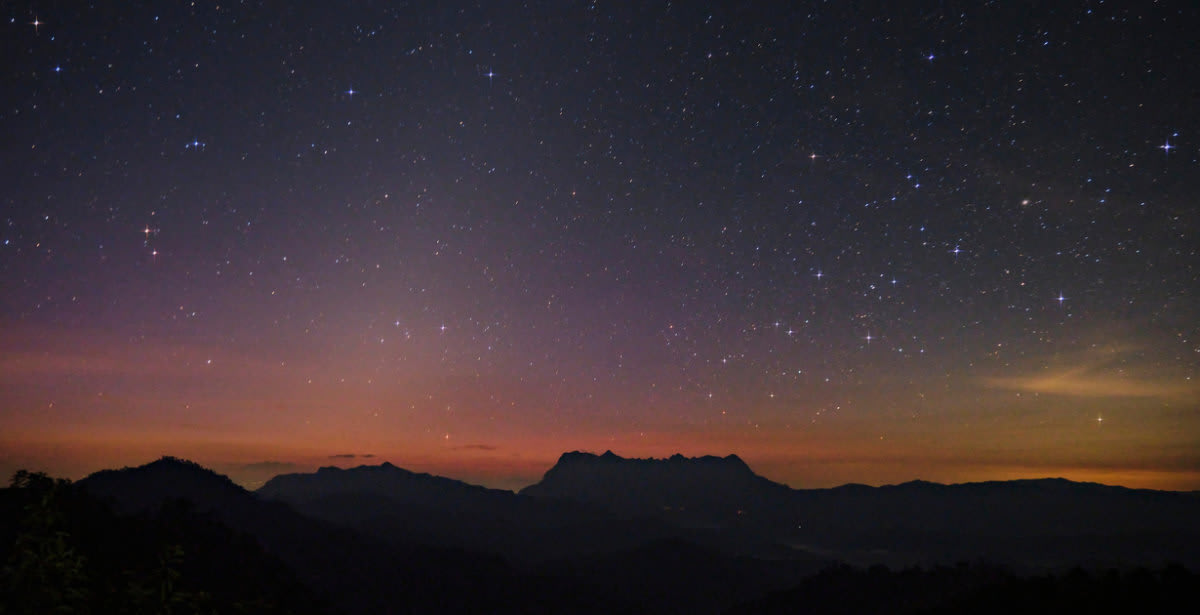
However, the light can be seen more brightly and easily from latitudes that are close to the tropics. The dark sky without any obstruction of light has allowed stargazers to often see and even capture the event in the southern U.S., and sometimes in the northern U.S. or Canada. The zodiacal light was thought to be a meteorological phenomenon, but was found to be sunlight bouncing off dust grains that orbit the sun in the inner solar system. These grains were thought to be leftovers from the solar system’s birth 4.5 billion years ago, but have been proven otherwise, per EarthSky.
The Zodiacal Light as visible from the ISS.
— A. Pettit (@PettitFrontier) February 27, 2025
pic.twitter.com/ommYlaKj1a
The dust grains trace the path of the ecliptic, but it is also the path that is taken by Mars. The red planet is home to massive dust storms, which likely escaped from Martian gravity to create the dusty, reflective light seen in the sky. The source of the 10 to 300 micrometre-sized dust was also suspected to be micrometeoroid collisions and cometary dust. The event is visible under Class 4 suburban-to-rural transition skies and will go up to 60 degrees above the horizon under a Class 3. The visibility of the light is very dependent on the conditions of the place it is being seen from, per Universe Today.
The September equinox is the point in the year when the sun appears directly above the horizon, as per Timeanddate.com. It creates equal length of days and nights across the globe. It is also the point when the sun changes seasons in the Northern and Southern hemispheres, affecting the zodiacal light itself. The people on Earth are in for a treat, given that the wheel of a series of events the sky is turning. Skygazers, astronomers, and amateurs are all welcome to be prepared and ready to witness various beautiful sights in the dark sky.
More on Starlust
Solar storm may hit Earth at the autumn equinox, setting the stage for fall auroras