Once-in-a-century solar event to cast complete darkness over regions worldwide for 6 minutes and 21 seconds
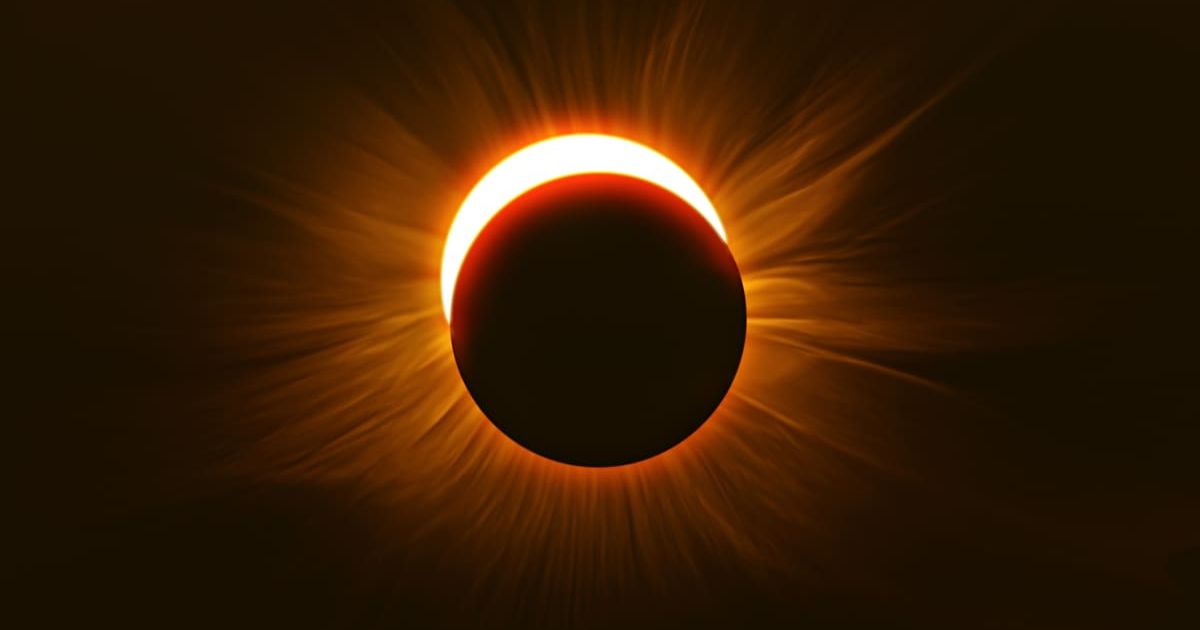
One of the longest and most important eclipses of the 21st century is to occur on Monday, August 2, 2027. The sun will be hidden for quite a while, sending regions across the globe into complete darkness. According to Space.com, the darkness lasting for 6 minutes and 21 seconds can be experienced at its best from Luxor, Egypt. The closeness of the new moon to the Earth during the eclipse will lead to parts of Spain, North Africa, and the Arabian Peninsula experiencing a long totality as well. Based on the locations, people can plan a once-in-a-lifetime experience of the eclipse.

The total solar eclipse to be witnessed at the Siwa Oasis will have a totality period of 5 minutes, 25 seconds. The 3,000-year-old ‘lost Golden City,’ built by the pharaoh Akhenaten, will be opened to an audience particularly for this event. The visit to the "Star Wars" location will also combine a 5-minute, 40-second visibility from Chaffar Beach. The Rock of Gibraltar is a perfect location for the event with a totality of 4 minutes, 32 seconds at sea level on the eastern side.
🌑 August 2, 2027
— Future Science (@OrgPhysics) July 23, 2025
The longest total solar eclipse of the century is coming.
For over 6 minutes, the Moon will completely block the Sun — plunging parts of Earth into midday darkness.
🔭 The Sun’s corona — its fiery outer atmosphere — will become visible, glowing like . pic.twitter.com/hsrIKQaLFk
The moon passes directly between the Earth and the Sun during an eclipse, completely covering the Sun’s disk with a narrow path of totality. The eclipse in 2027 will be around 160 miles wide and pass through three continents, as per Forbes. In the North Atlantic Ocean and Southern Europe, the completely eclipsed sunrise will emerge from the ocean, and the central shadow of the moon will first touch the Costa de la Luz (Coast of the Light) in Spain’s Andalusia region. This path will go through Morocco, Algeria, Tunisia, Libya, Egypt, and a small corner of Sudan.
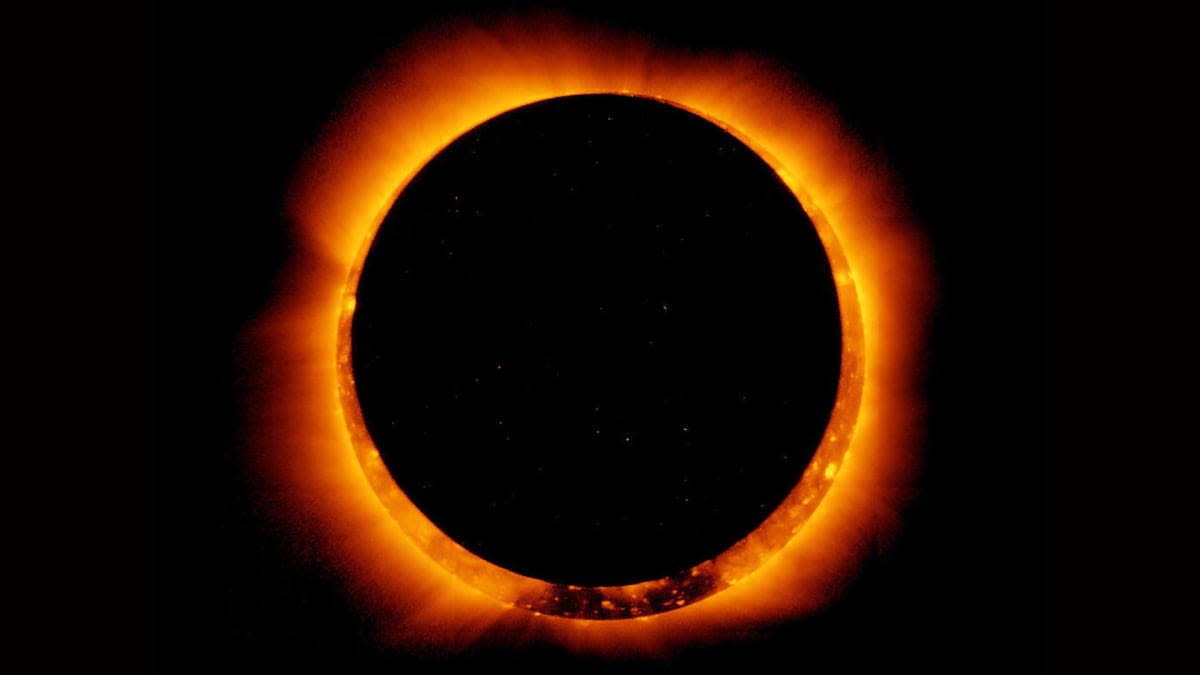
The path will then cross through the Red Sea and enter the Middle East: Saudi Arabia and Yemen. The path is to cross 89 million people, twice as many compared to the total solar eclipse on April 8, 2024, in North America. To witness the sight, people should keep track of the skies and the chances of unprecedented weather conditions. Solar eclipses are the longest when the moon is closest to Earth on its elliptical orbit and when its shadow falls closest to the equator.
Mark August 2 on Your Calendar The World Will Go Dark for 6 Full Minutes in a Once-in-a-Century Solar Eclipse
— Bianca Marcuccino (@marcuccino) July 19, 2025
Get ready for one of the most breathtaking celestial events of the century. On August 2, 2027, a total solar eclipse will plunge parts of the world into complete… pic.twitter.com/KbzYlkBwFD
The longest total solar eclipse to ever occur was 7 minutes, 28 seconds on June 15, 743 BC, in the Indian Ocean. The longest that an eclipse could take place was 7 minutes and 31 seconds. Experts note that the longest total solar eclipse until the year 3,000 will take place in the Atlantic Ocean on July 16, 2186, for 7 minutes and 29 seconds. Local time plays an important role in the timing of the eclipse as it's used to calculate the beginning, peak, and end of the eclipse on a global scale. Time and Date has a detailed analysis of the times and peaks of the eclipse.
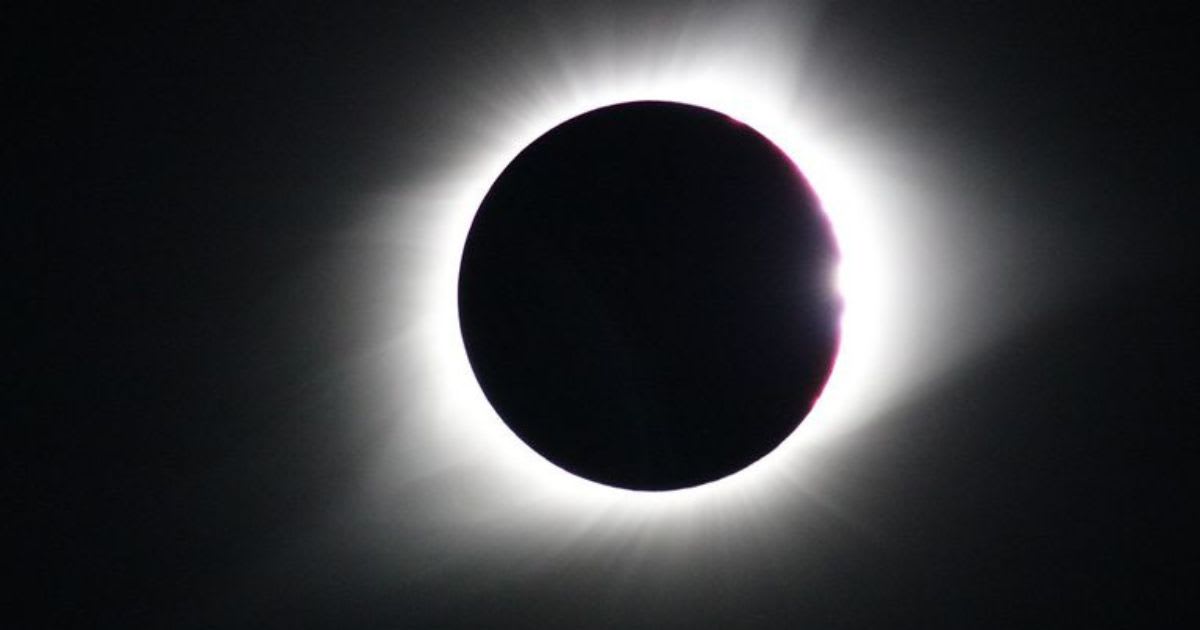
This total solar eclipse will provide a unique and extended view of the Sun’s corona, providing great opportunities for astronomers. This event will help study solar flares, coronal mass ejections, atmospheric ionization, and thermal shifts. The extended period of the eclipse is a boon for the scientific community, given that typical eclipses only last under three minutes.