What would happen to Earth if the Moon exploded?
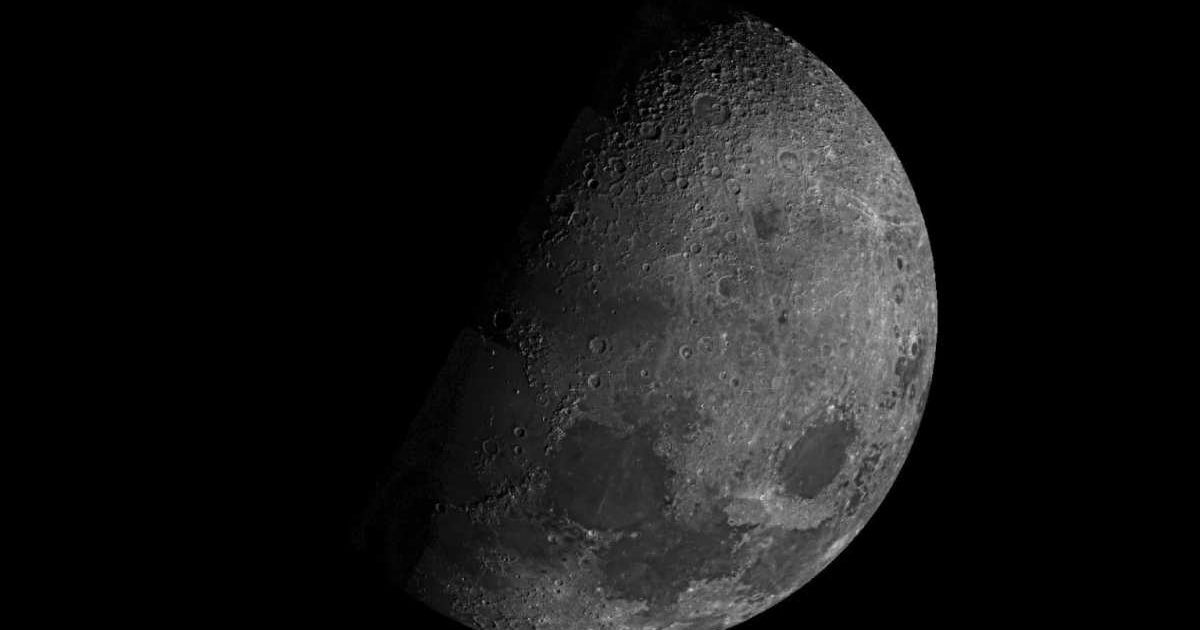
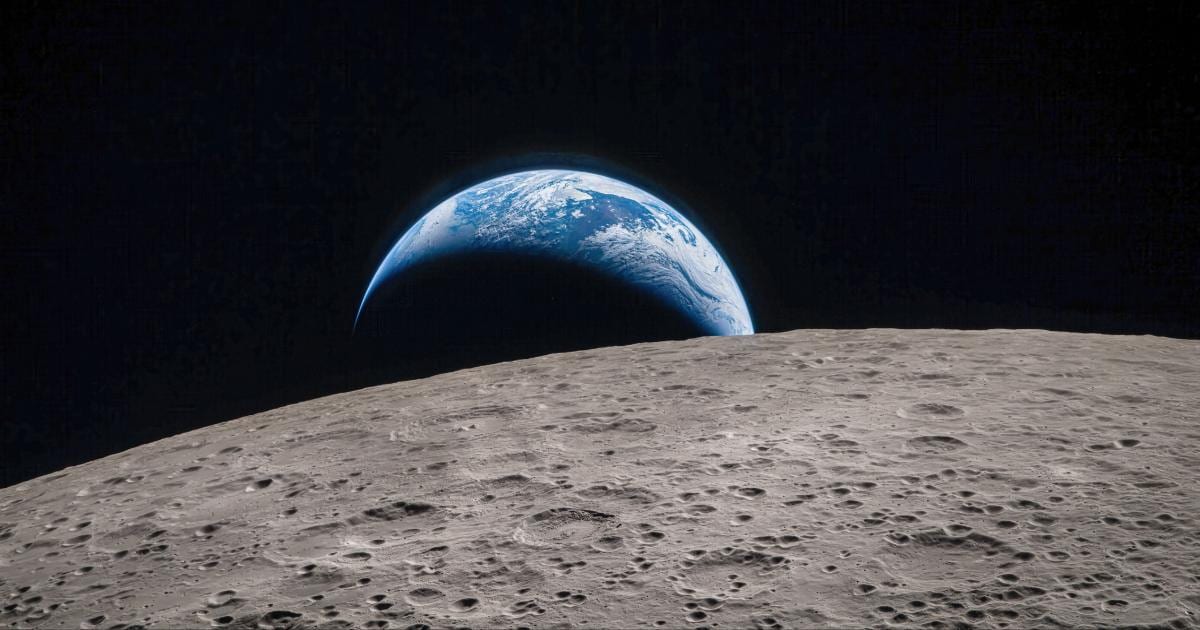
Our natural satellite and cosmic neighbor, the Moon, has a significant role in the workings of our planet. The celestial object is a silent gravitational anchor for life on Earth, and the aftermath of its destruction will be felt here, too. According to BBC Sky at Night Magazine, the Moon's disappearance explosion would reveal how vital the Moon is to the stability of our existence.
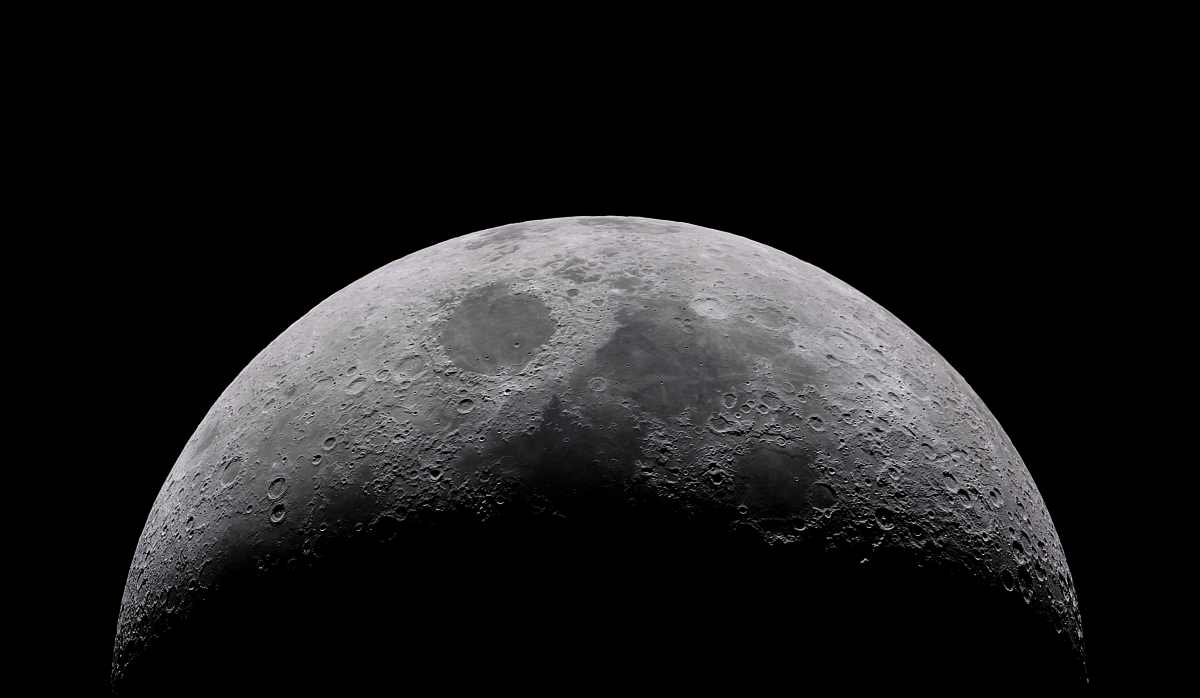
The Moon will not just vanish from an explosion; it will scatter into billions of tons of lunar material. The force of the explosion will determine whether the debris will be hurled away into deep space or crash at high speeds into Earth. The latter scenario is going to be deadly, as per physicist Alastair Williams. Simply put, civilization would be wiped away by the debris impacts.
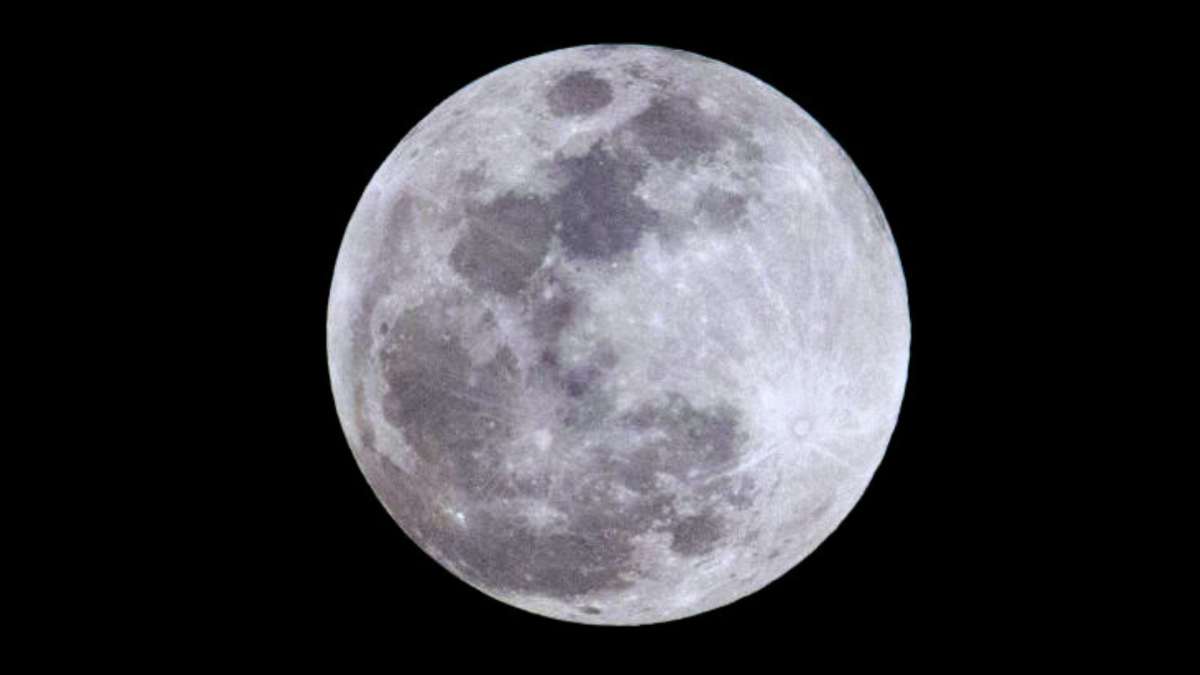
Another factor to consider is that the Moon’s gravity will not disappear when the Moon explodes. If most of the debris manages to stay in the same place, the mass will remain, and the gravity will not change so much. This will cause the debris cloud to orbit around Earth, allowing the Moon to put itself back together. In such a scenario, most of the lunar debris won't hit Earth. The fragments will instead collide with each other, creating smaller fragments or joining to form bigger ones, thus aiding the Moon in eventually putting itself back together.
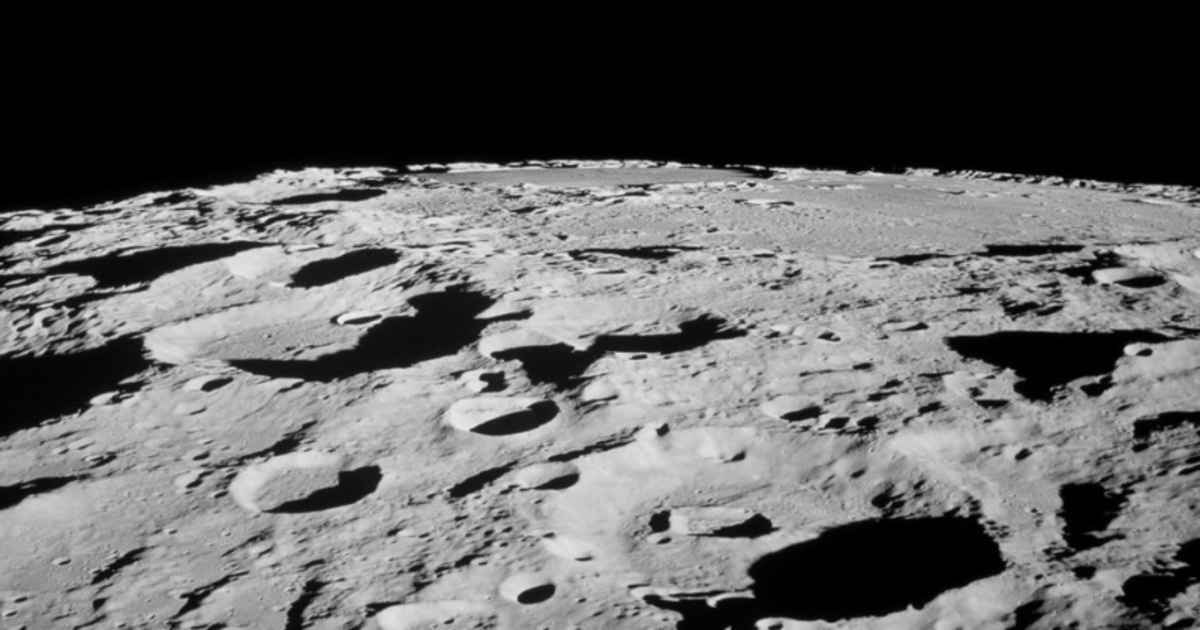
On Earth, the first notable change brought about by the explosion of the Moon will be the near-disappearance of our ocean tides as the Moon's gravity is the primary driver of tidal forces. Marine life like crabs, starfish, and mussels will be affected the most since they depend on tides for survival. This will trigger the collapse of the tidal ecosystem, which will almost certainly lead to mass extinctions. Much of the animal kingdom will have to face the effects, too, as they use the Moon for navigation or moonlight for hunting.
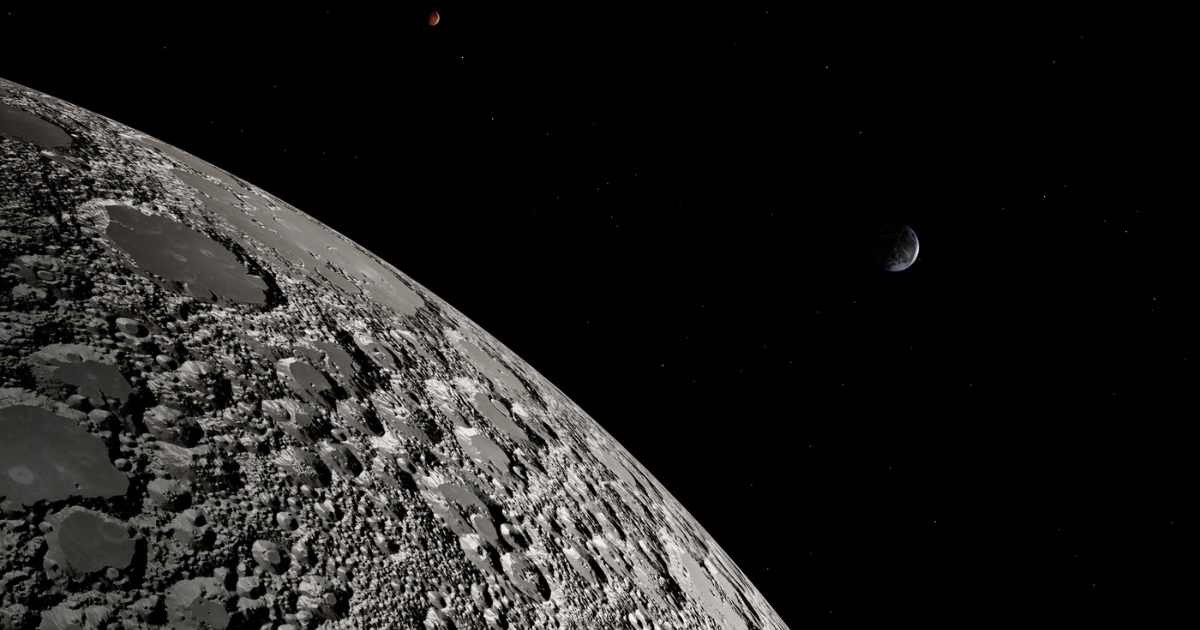
Tides also affect ocean currents that distribute warm and cold water across the globe. With no water travelling around the planet, some places will grow colder while others will grow hotter, with extreme and unpredictable weather events becoming more common. Moreover, without the Moon keeping us on a constant 23.5-degree tilt, the planet will wobble and will lose its seasons, and some parts of the world will have near-constant summer, while others face centuries-long ice ages.
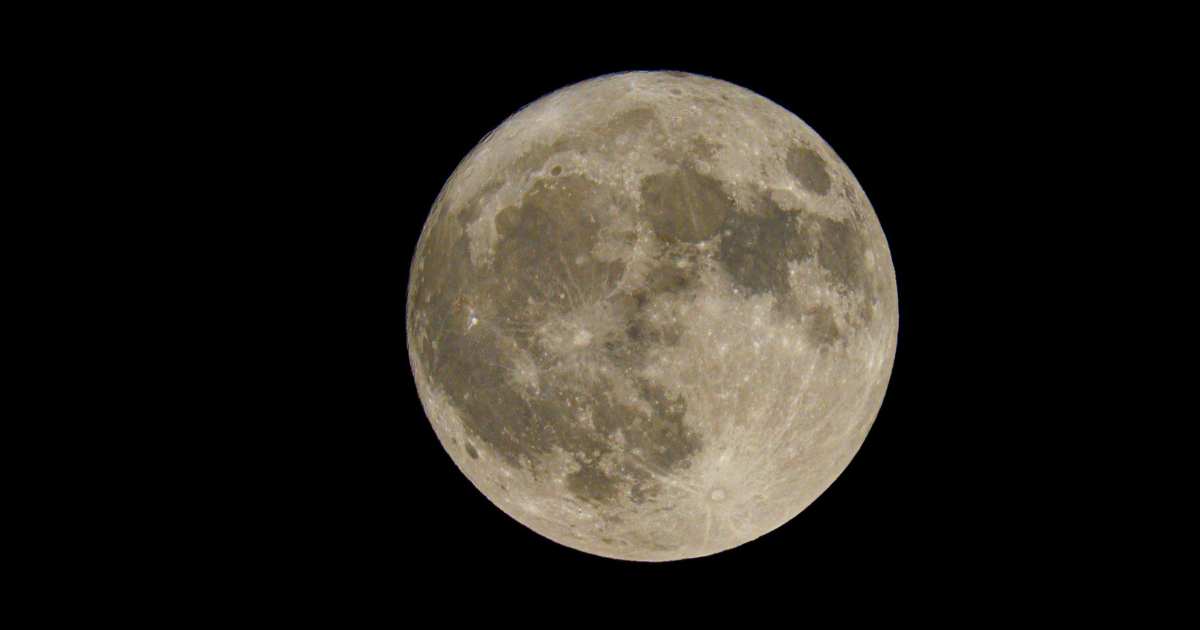
With the Moon and all its remains gone, the night sky will be naturally much brighter. There will not be any natural impediments to pristine, dark skies, as per Forbes. Another notable aspect of the explosion is that there will not be any eclipses. Bottom line: the Moon is vital for our existence. In fact, astronomers look for a large Moon whenever they are trying to locate a planet that can support life. Thankfully, for us, the Moon isn't likely to explode anytime soon.
More on Starlust
7 fascinating features of the Moon that would make your stargazing night perfect
Earth's 'wind' is causing the Moon to rust—but how is this possible?