What would happen if a black hole appeared near Earth?

Black holes are commonly depicted as the giant "vacuum cleaners" of the cosmos that gobble up everything around them. The black hole at the center of the Milky Way, called Sagittarius A*, is located around 26,000 light-years from Earth, per NASA. It goes without saying that we are at a safe distance from it. But what if a black hole were to suddenly appear much nearer?
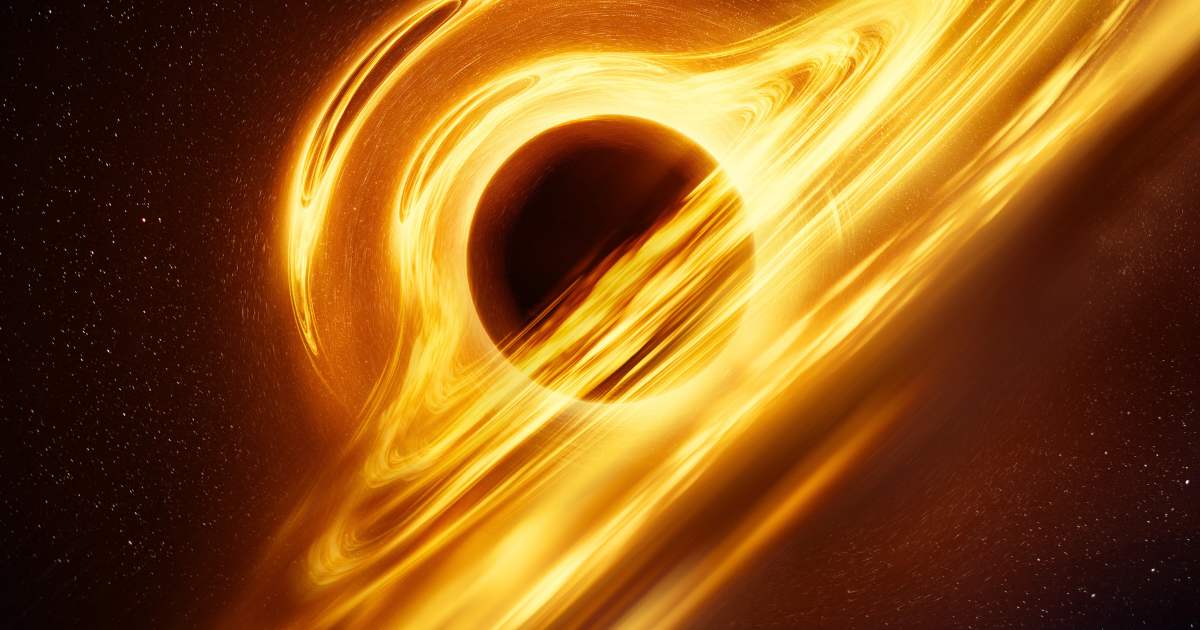
Even though they are called black holes, they are not empty holes nor tunnels to another dimension. They are actually places with an enormous amount of matter condensed in an unbelievably small space, according to NASA. Because of such extreme density, the gravitational force inside black holes is so strong that not even light, the fastest entity in the universe, can break free of it. And since light cannot escape, black holes are therefore invisible. We are only aware of their existence due to the effects they have on the stars and gas around them. Now, let's consider a possibility where a black hole replaces our Sun. What would that be like?
Actually, the situation would not be as bad as you may think. Or would it? If a black hole of the same mass as our Sun replaced it, Earth and all the other planets in the solar system would keep orbiting the same way they do now, per the BBC. There would be no gravity change to their body that humans could notice. The biggest difference would be the living conditions. After all, the solar system would be dark and super cold because the Sun would not be there to provide light and warmth.
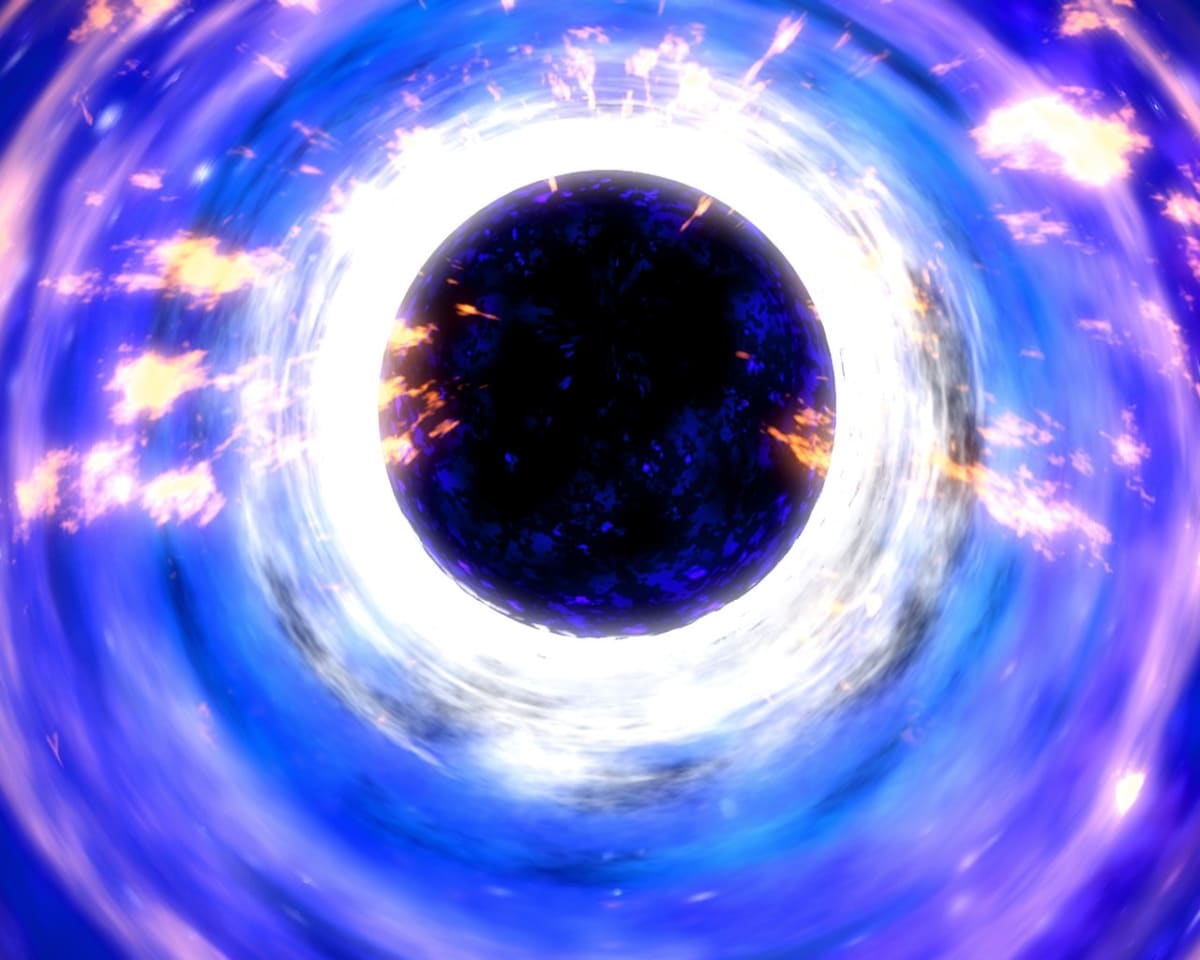
Things, however, would be very different if the black hole were located right next to Earth. The phenomenon called "spaghettification" would take place, in which the side of the Earth nearest to the black hole would experience a much stronger attraction than the side farthest from it, according to Discover. What is interesting is that if the Earth were to be swallowed by a supermassive black hole like Sagittarius A*, we wouldn't even notice the effects immediately. For a brief period, everything may look the same as usual before the catastrophe finally occurs.
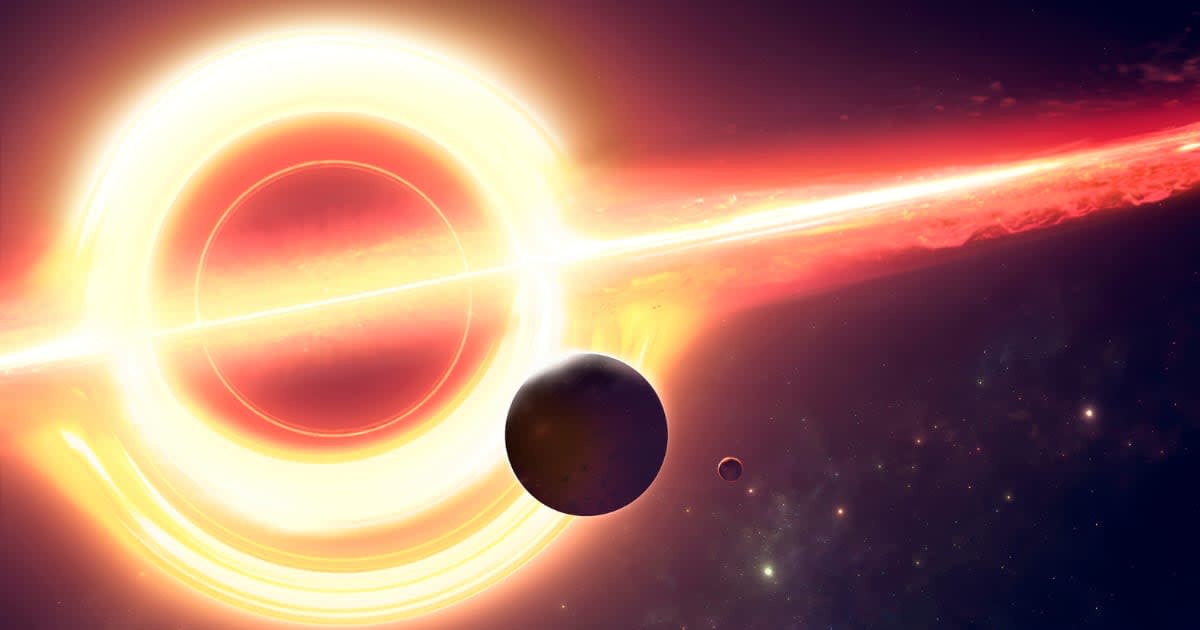
As terrifying as these scenarios are, they are likely never going to happen. One might argue that we worry about asteroids, even though the chance of one actually hitting us is pretty low. True. But then again, our own solar system is crawling with them. Black holes, on the other hand, are much rarer. So the chance of one making its way through our solar system to come sit next to Earth is negligible. But of course, you can always speculate, or better, make a scientifically accurate movie about it.
More on Starlust
Groundbreaking supercomputer simulations explain why black holes are so bright
Supermassive black holes may be surprisingly picky eaters, new study finds