'Loudest ever' gravitational wave provides strong confirmation of Hawking and Kerr's black hole theories
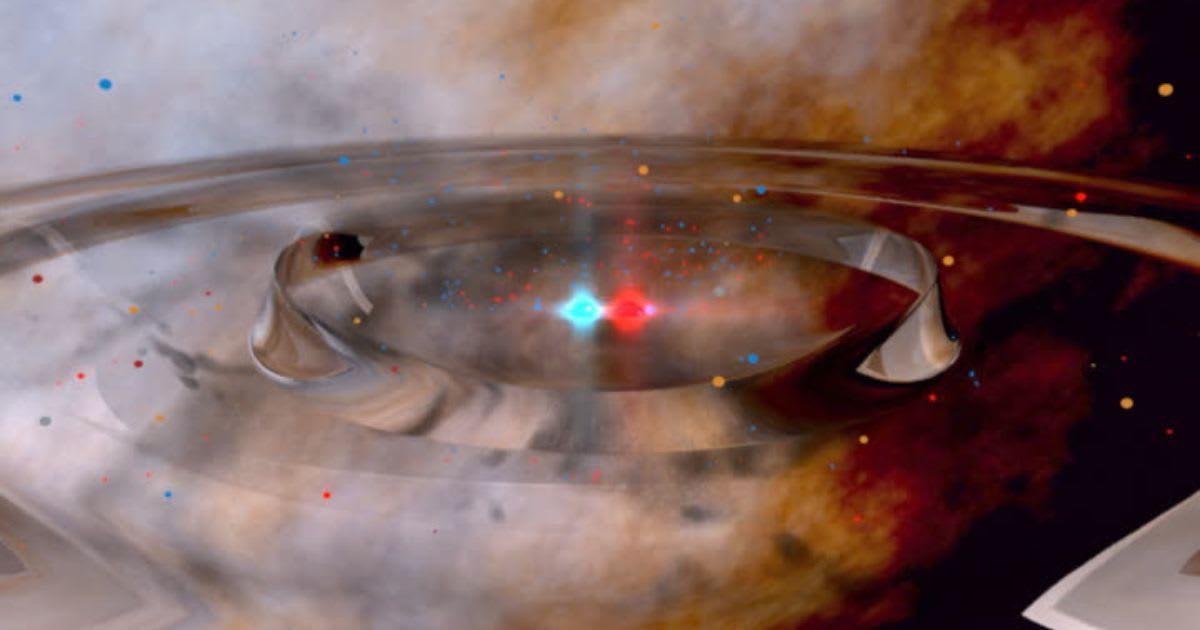
A powerful gravitational wave detected by an international team of scientists has provided the strongest evidence yet for two foundational black hole theories. The signal, named GW250114, offers distinctive insights into the mechanics of black holes, validating the work of legendary physicists Stephen Hawking and Roy Kerr, as mentioned by the University of Birmingham.
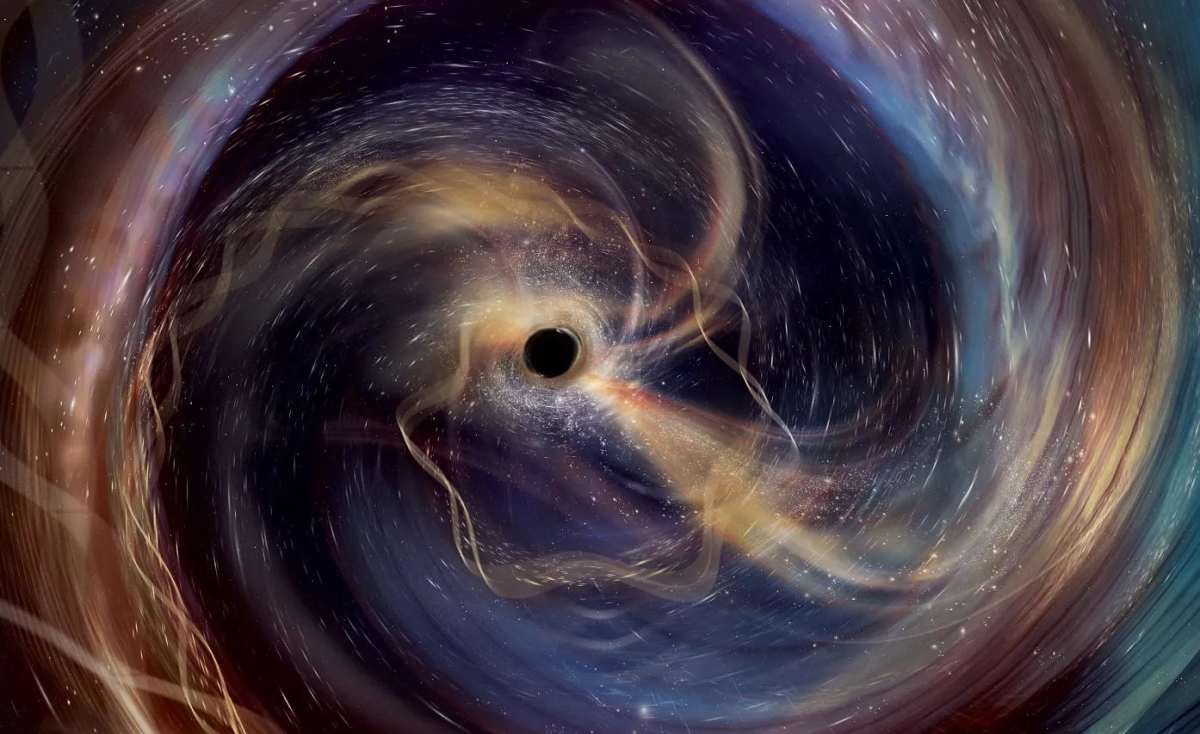
The discovery, published in Physical Review Letters, confirms a key 1971 prediction by Stephen Hawking that the total surface area of a black hole's event horizon can only increase, never shrink, when two black holes merge. This finding, based on data from the loudest gravitational wave event ever recorded, validates a cornerstone of black hole thermodynamics.
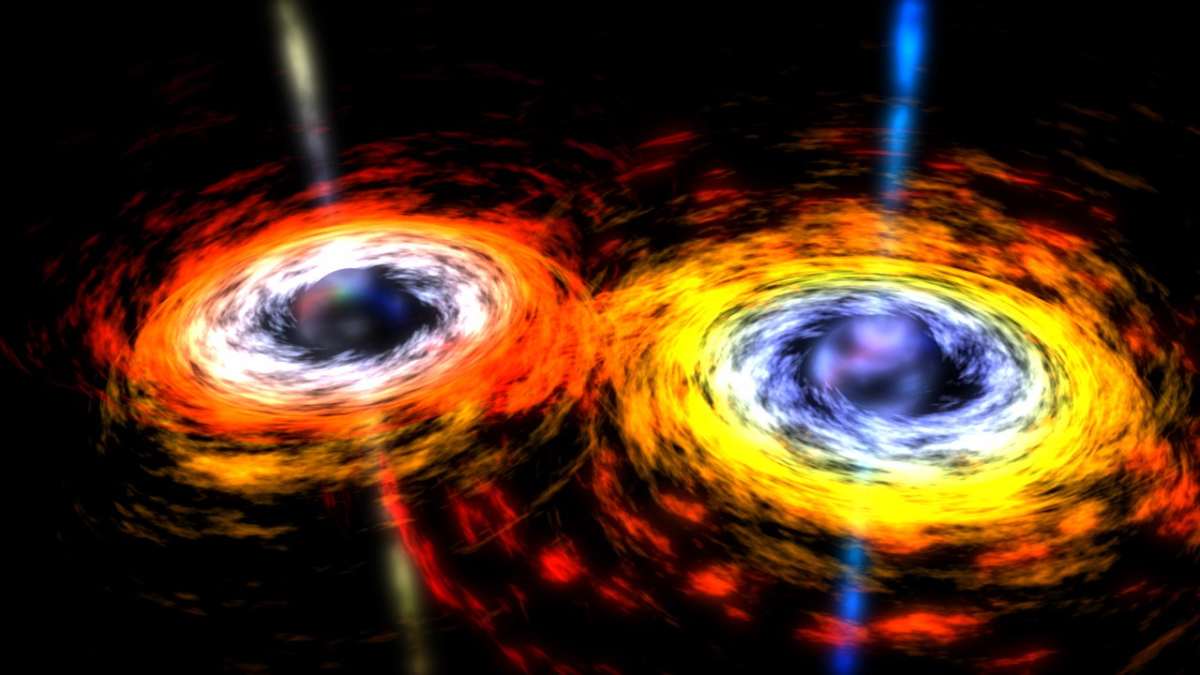
The GW250114 event was detected by the LIGO-Virgo-KAGRA (LVK) Collaboration, a global network of gravitational-wave observatories. "GW250114 is the loudest gravitational wave event we have detected to date; it was like a whisper becoming a shout," said Geraint Pratten, a Royal Society University Fellow at the University of Birmingham. "This gave us an unprecedented opportunity to put Einstein's theories through some of the most rigorous tests possible - validating one of Stephen Hawking's pioneering predictions that when black holes merge, the combined area of their event horizons can only grow, never shrink."

The collision, which involved two black holes with masses approximately 32 times that of our sun, resulted in a single black hole with an event horizon roughly the size of Sweden, a significant increase from the initial combined area. This observation provides direct, tangible proof of Hawking's area theorem.
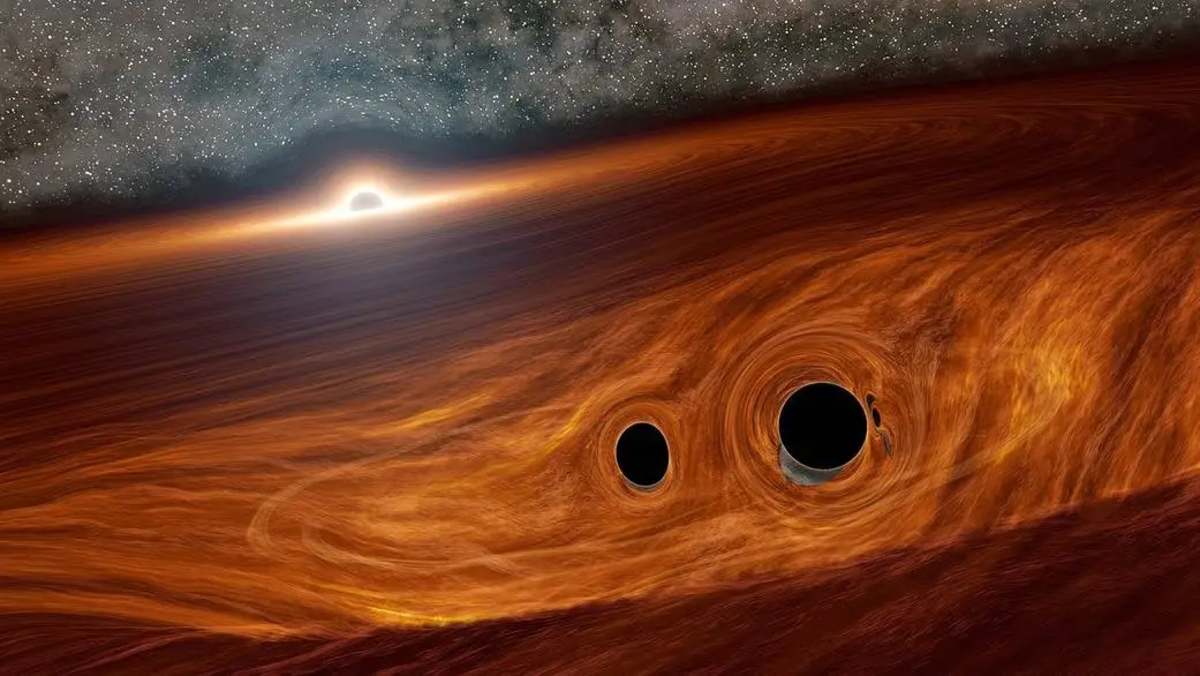
The findings highlight the ongoing revolution in "precision astronomy," where ever-improving technology allows scientists to use gravitational waves to test fundamental laws of the universe with unparalleled accuracy. "Given the clarity of the signal produced by GW250114, for the first time we could pick out two ‘tones’ from the black hole voices and confirm that they behave according to Kerr’s prediction, obtaining exceptional solid evidence for the Kerr nature of black holes found in nature,” commented Gregorio Carullo, an assistant professor at the University of Birmingham.
The detection of GW250114 arrives almost exactly ten years after scientists first "heard" the universe rumble. On September 14, 2015, the twin Laser Interferometer Gravitational-wave Observatory (LIGO) detectors picked up the inaugural gravitational wave signal, GW150914, per Phys.org. This historic moment proved a key prediction from Albert Einstein's theory of general relativity and opened a new era of astronomy. Gravitational waves are ripples in the fabric of spacetime, caused by violent cosmic events such as the collision of black holes or the merger of neutron stars. The first signal came from two black holes, each over 30 times the mass of the sun, merging more than a billion light-years away.
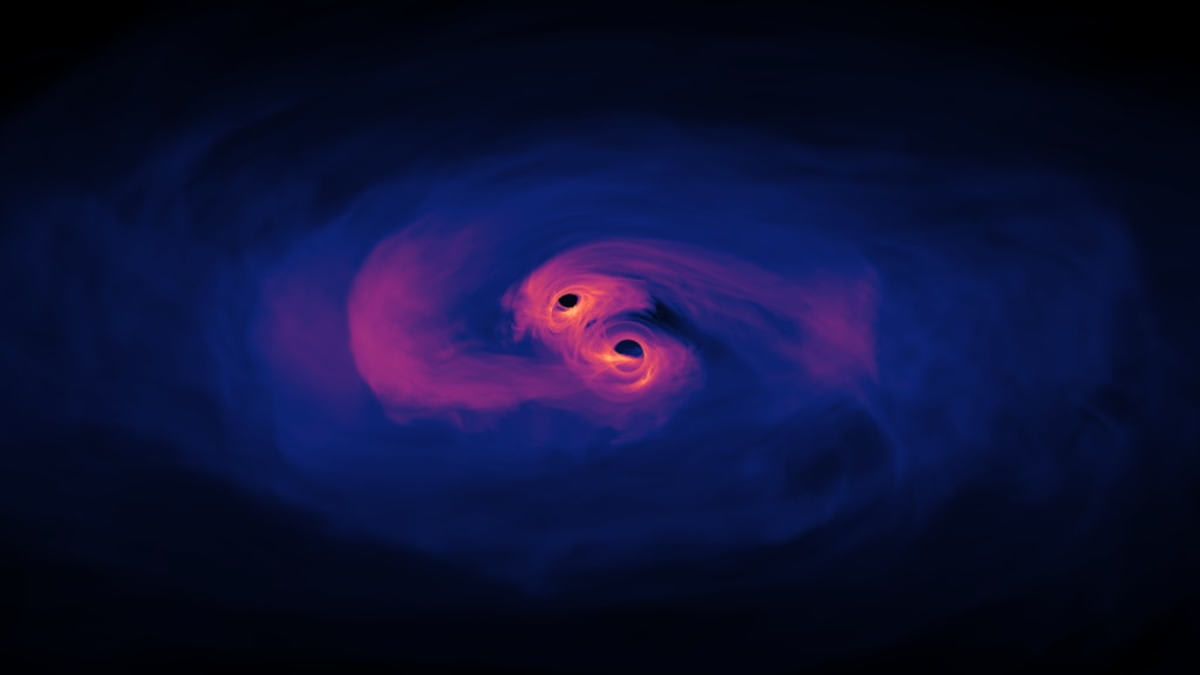
Since that initial discovery, the LVK collaboration, which now includes the Italian Virgo and Japanese KAGRA detectors, has observed more than 300 gravitational waves. Just weeks ago, the collaboration more than doubled the number of known detections. Now, a decade after the first breakthrough, GW250114 has arrived, a signal with physical properties almost identical to that of GW150914. However, due to significant technological upgrades to the detectors, this new signal is four times "louder," providing a remarkable opportunity to test other foundational theories.
More on Starlust
Largest ever black hole merger, 225 times the mass of the Sun, detected by LIGO-Virgo-KAGRA