A strange 'crystal' in spacetime could be all it takes to form a tiny black hole, study hints
Scientists often link the creation of a black hole to the universe's most powerful events, such as a massive star tearing itself apart, or two smaller black holes slamming into each other across millions of light-years. But those scenarios may not be the whole story. A new study suggests there could be a far smaller-scale path to creating black holes, and the math behind it fits on a single page. Researchers from Goethe University Frankfurt and the Vienna University of Technology (TU Wien) have put forward the first mathematical description of how the very fabric of space and time, what physicists call "spacetime," could organize itself into a crystal-like structure and then collapse to form a microscopic black hole. Their study was published in the May 2026 edition of the journal Physical Review Letters.
What does 'spacetime crystal' actually mean here?
To understand what the researchers found, we first need to know what spacetime is. The theory of gravity by Albert Einstein (called general relativity) says that space and time are woven together into a single four-dimensional fabric that mass can bend and curve. The team at Goethe University and TU Wien studied whether spacetime itself could, under the right conditions, turn into a repeating, ordered pattern, just as water molecules lock together to form ice. That organized arrangement is what they call a "spacetime crystal."
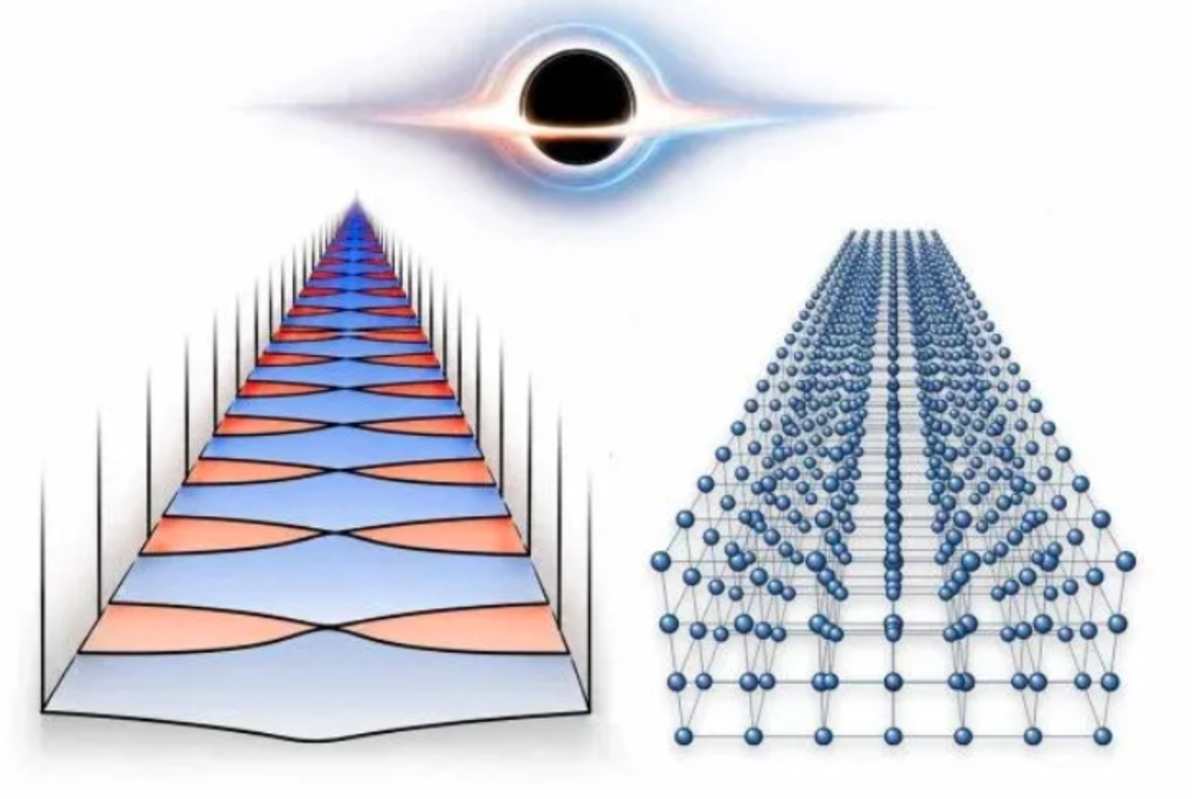
"You can think of the critical spacetime crystal as water at freezing point; even though it is still water, it already 'knows' about ice, and small perturbations can convert water at 0 Celsius into ice, or vice versa," said Daniel Grumiller of TU Wien. In other words, a spacetime crystal sits at a midpoint that is somewhat stable, but extremely sensitive to change.
What pushes a spacetime crystal over the edge into collapse?
Researchers have established that for a regular astrophysical black hole to form, they need enormous events. But the spacetime crystal black holes the team describes require none of that. "Sometimes a tiny, seemingly insignificant cause is enough to trigger a huge and dramatic change," Grumiller added. Once a spacetime crystal reaches the tipping point, adding even a negligible amount of energy can push it over the edge. This can cause the crystal to either dissolve back into radiation or collapse into a small black hole.
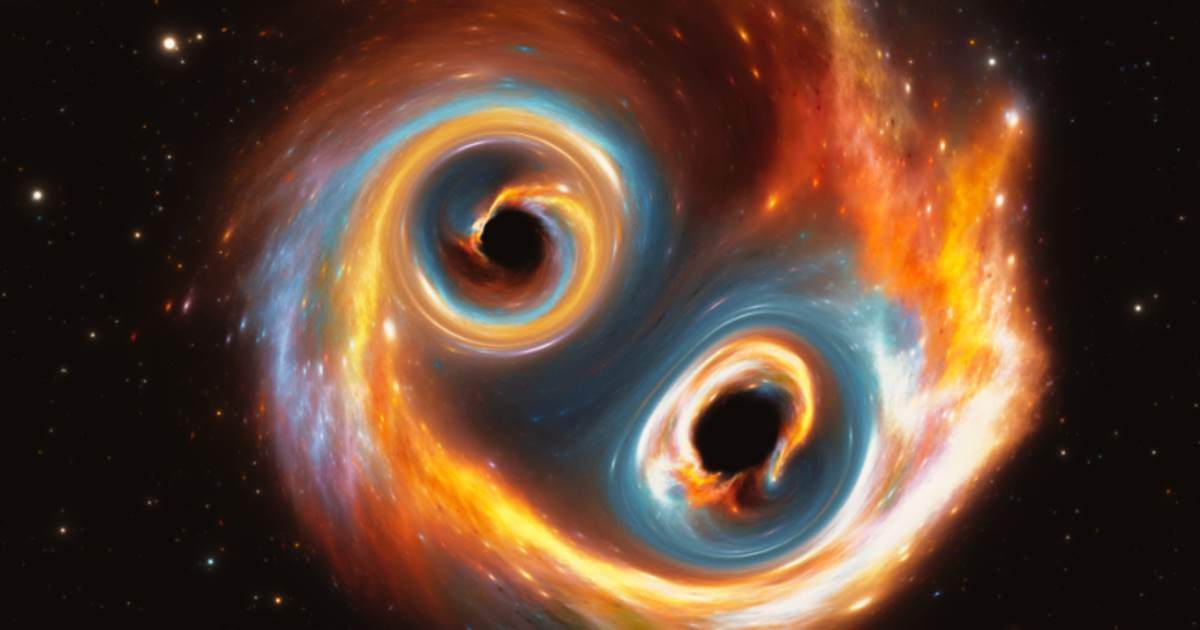
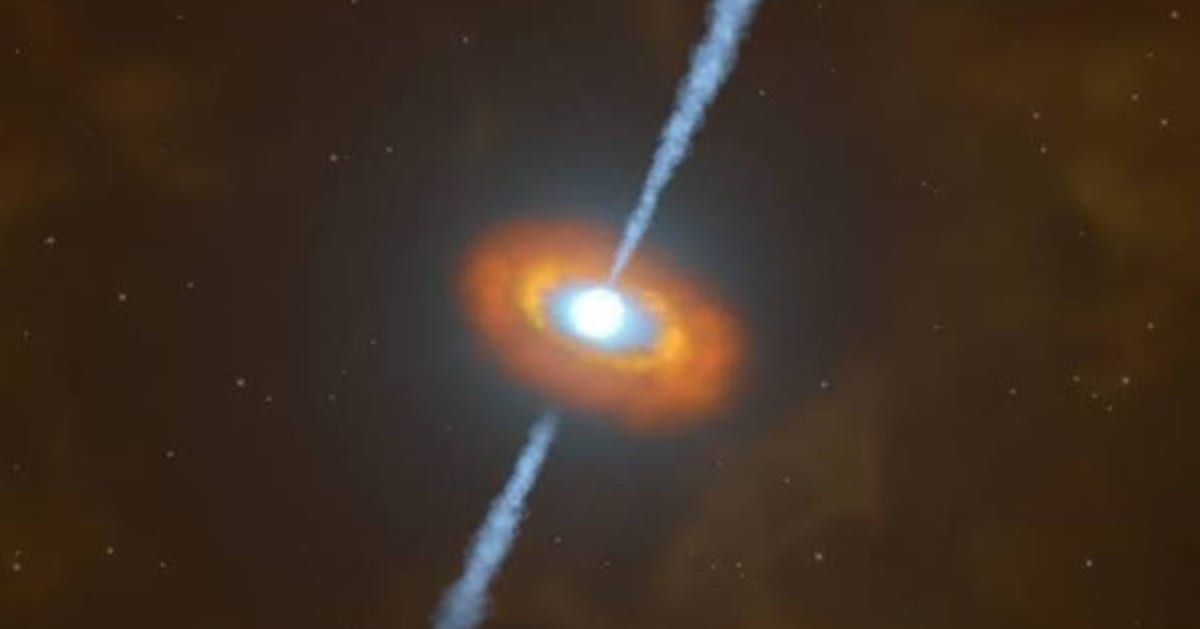
Explaining the process, Grumiller said, "This spacetime crystal is a very peculiar and fascinating object. It is a kind of intermediate state, an unstable point that can evolve in two different directions. After some time, the instability will kick in and either the spacetime crystals disperse into radiation or collapse into a small black hole. In case the crystal collapses to a black hole, it will be classically stable." If it does collapse into a black hole, that object would be classically stable, meaning it holds together under the standard rules of gravity. But because tiny black holes run hotter than large ones, they also shed energy faster, leaking away thermal radiation. Just as a hot cup of coffee steams away its heat into a cooler room, these microscopic black holes "boil off" their mass as quantum particles—a process known as Hawking radiation—and eventually evaporate completely.
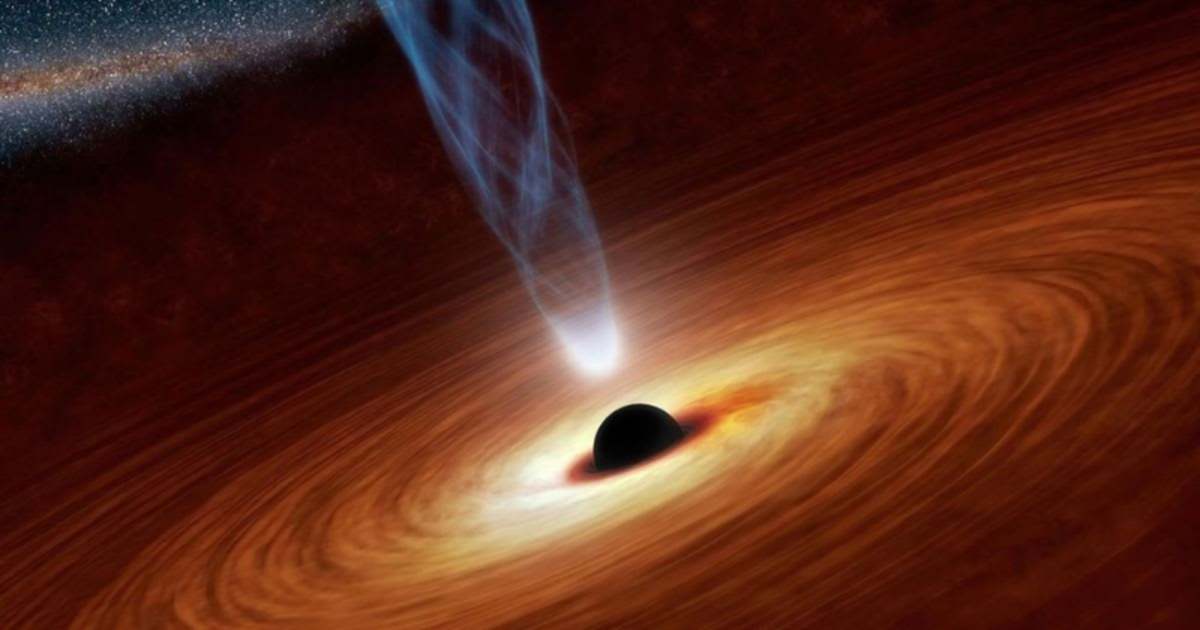
![An illustration supermassive black hole at the center of the Milky Way galaxy, known as Sagittarius A* (A-star). It is surrounded by a swirling accretion disk of hot gas (Image Credit: NASA, ESA, CSA, Ralf Crawford [STScI] )](https://de40cj7fpezr7.cloudfront.net/595fadf2-adbf-417b-b20b-2ee06c9d0b3d.png)
Before this research, the only way scientists could study critical collapse was through numerical computer simulations. Christian Ecker from the Institute for Theoretical Physics at Goethe University Frankfurt noted in a statement, "We say that spacetime is curved by mass. Large objects such as stars curve spacetime strongly — for example, we can observe this when light rays are deflected by massive stars. But smaller masses also produce spacetime curvature, just to a lesser extent." When the team sat down with pen and paper and found that their solutions came out simple, they were surprised. "We were astonished that the solutions were so simple that they fit into a few lines and only involved elementary functions — this was quite unexpected given the complexity of corresponding numerical simulations that take thousands of computer processing hours," Grumiller said.
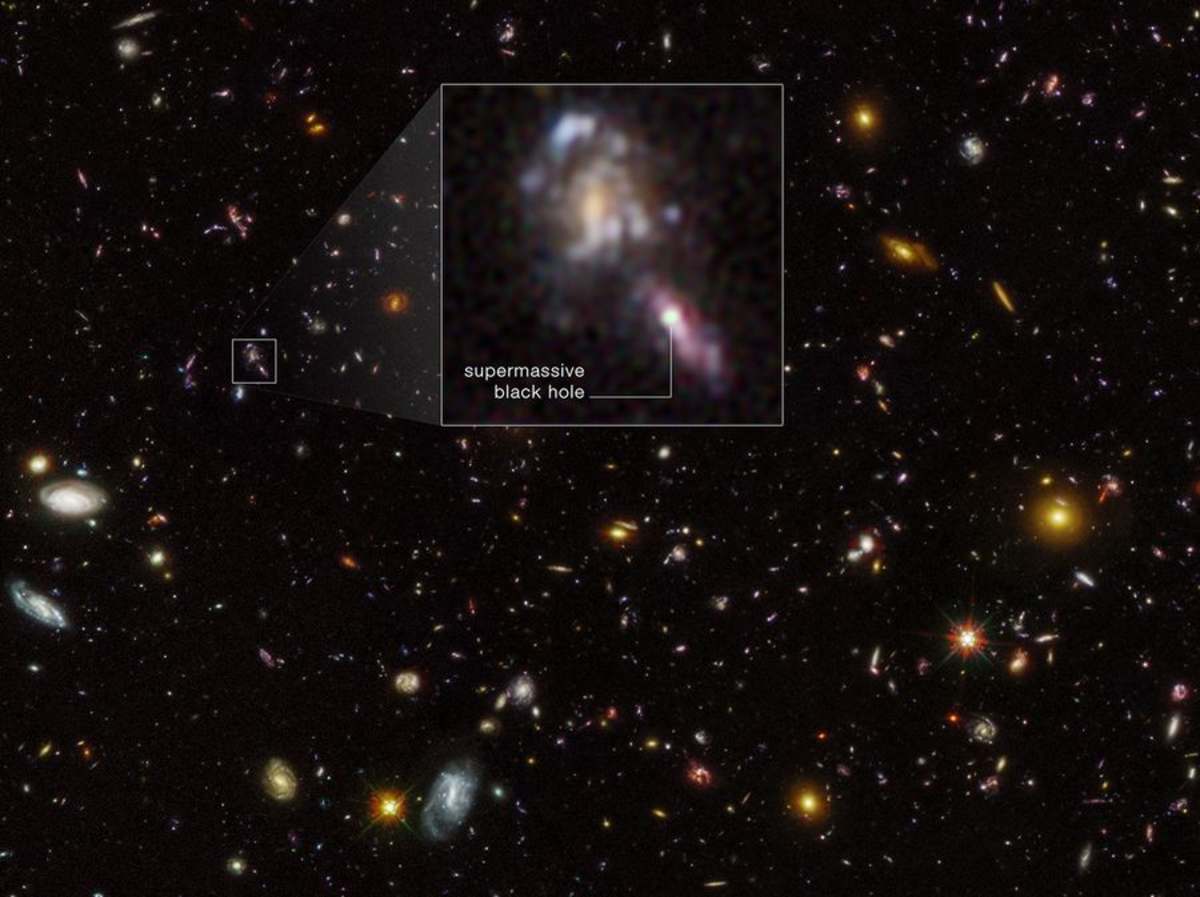
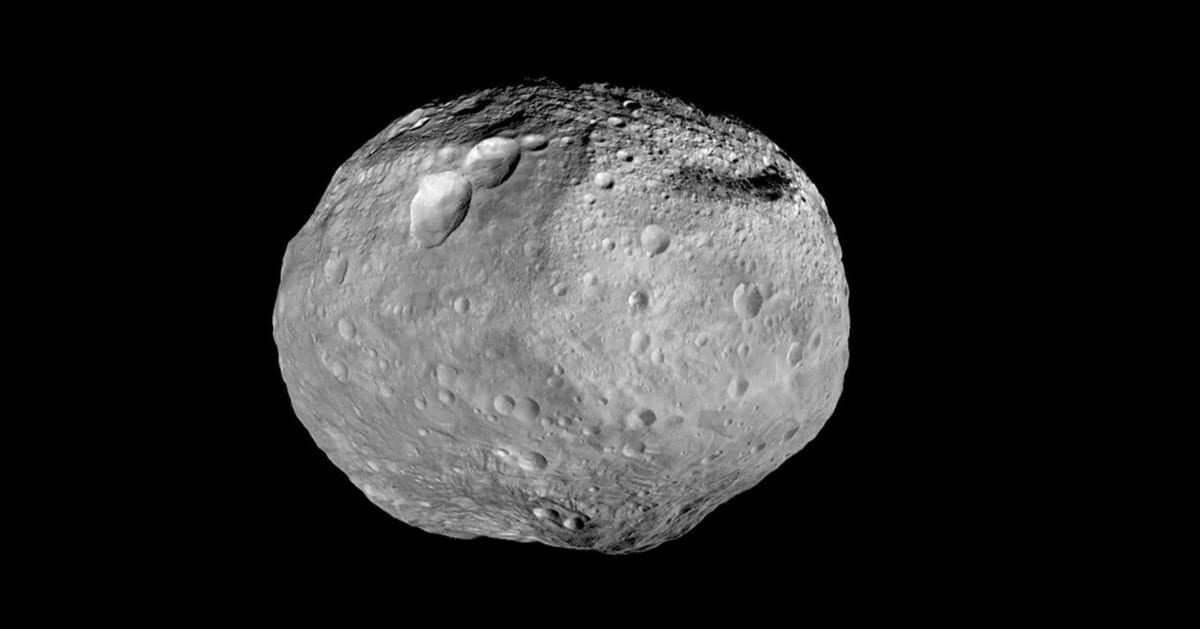
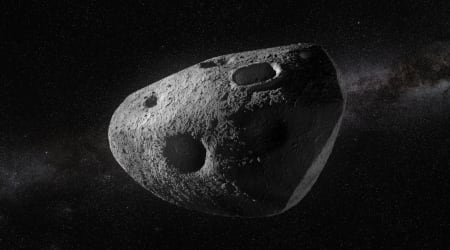
The new research does not answer the question of whether tiny primordial black holes actually exist—but it does provide a robust theoretical framework for how they might have formed. The idea is that in the hot, dense moments just after the Big Bang, density fluctuations in matter could have created black holes with masses no larger than a medium-sized asteroid. These objects have never been directly detected, but many scientists believe they could be out there. This work provides a mathematical mechanism for how that formation could have happened. As Grumiller put it: "If we are lucky, our experimental colleagues will, at some point, discover primordial black holes. But even if this never happens, understanding critical collapse means understanding an important and conceptually rich part of general relativity, our currently best theory of gravity." The next step for the team is to test whether their predictions about the behavior of spacetime crystals hold up under further review.
More on Starlust:
Astrophotographer captures stunning image of Horsehead Nebula after over 115 hours of observation
Another planet in our early solar system? First evidence of Moon-sized object found from meteorite