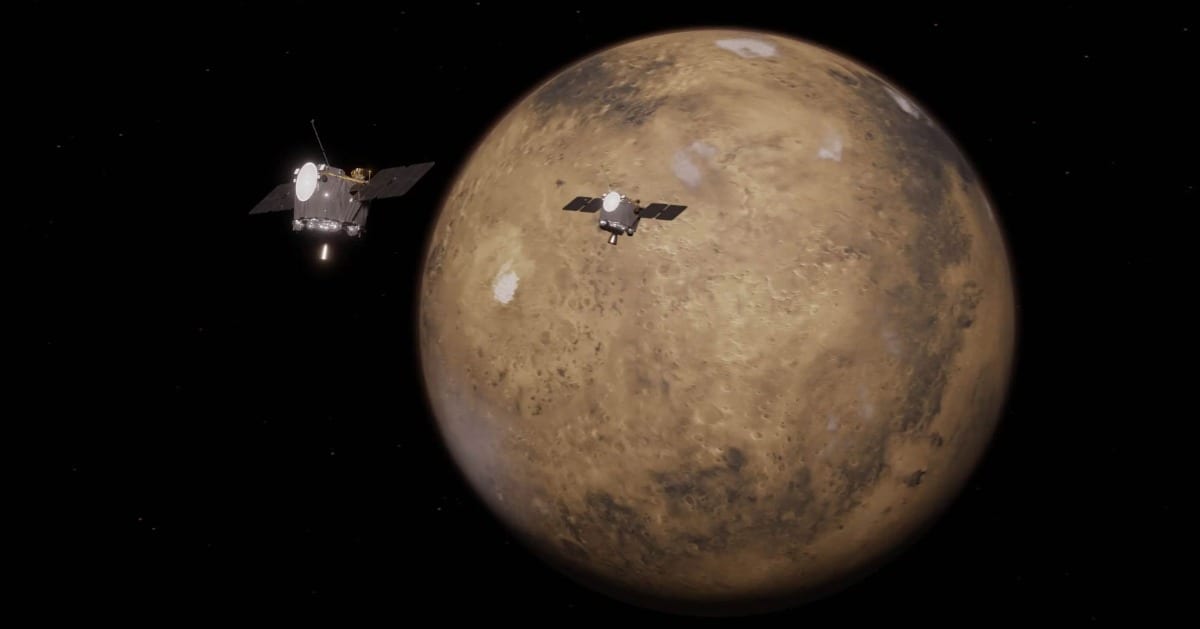
Three taikonauts, two rockets, one giant leap: China's bold plan to put humans on the Moon before 2030
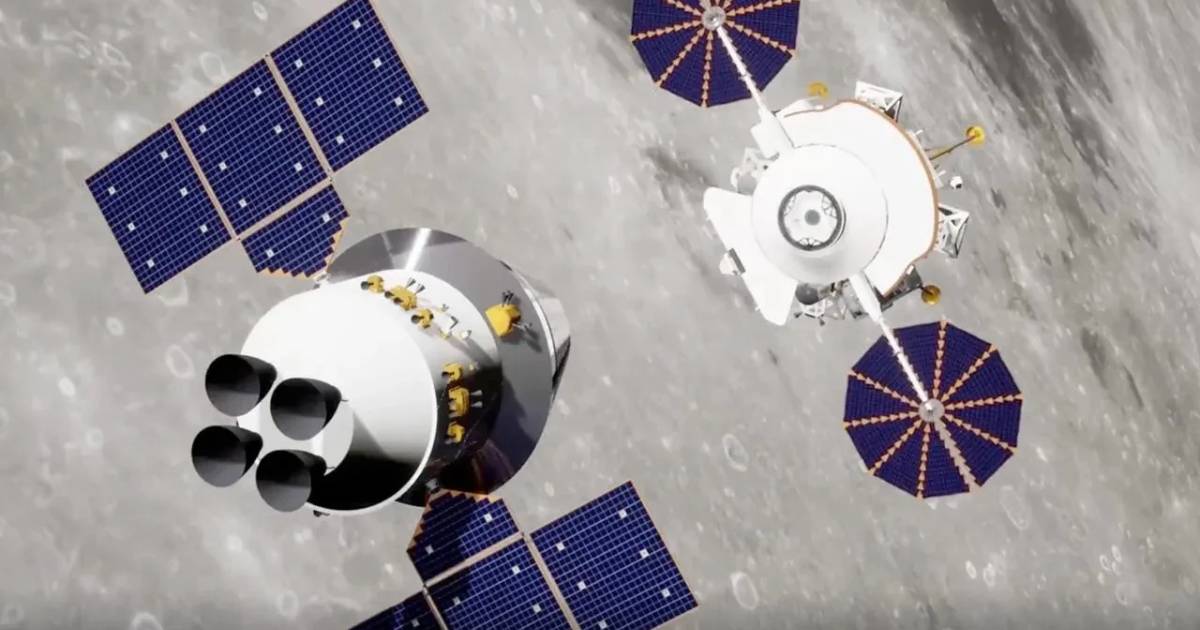
China revealed its roadmap for its first manned lunar exploration mission on Saturday, October 31, 2026, at the 7th Manned Space Symposium held in Beijing, declaring its aim to land Chinese taikonauts on the lunar surface before 2030. According to the plan outlined by Wang Xiang, a senior engineer and deputy chief designer of China's manned space program, this mission to the Moon will follow a "two launches, lunar orbit rendezvous" strategy, which involves two Long March-10 carrier rockets.
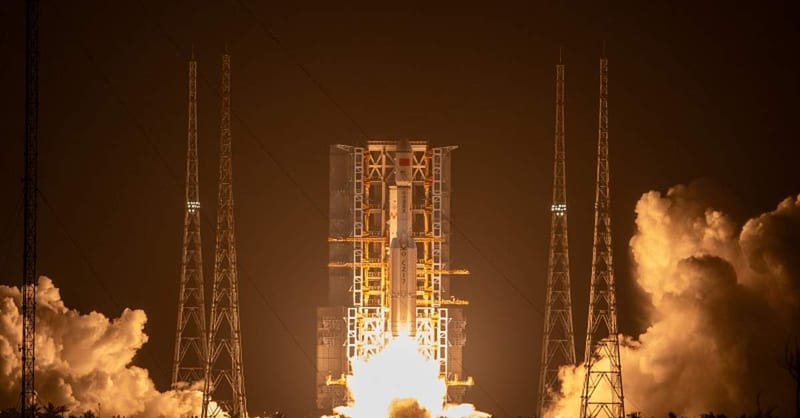
As per China's reported project plan, two Long March-10 carrier rockets will be launched separately from the Wenchang Space Launch Center in Hainan province towards the lunar orbit—the first rocket will carry the Lanyue lunar lander, while the second will transport the Mengzhou crewed spacecraft. Once in lunar orbit, the two spacecraft will rendezvous and dock, following which two of the taikonauts will move from Mengzhou to Lanyue, which will carry them down to the lunar surface. A third taikonaut, meanwhile, will remain in lunar orbit until their companions return. After completing their scientific investigations and other planned activities while traversing the lunar surface on the Tansuo rover, the taikonauts will return to the lander, which will ascend from the Moon and dock with the crewed spacecraft in lunar orbit. The crew will then travel back to Earth aboard Mengzhou.
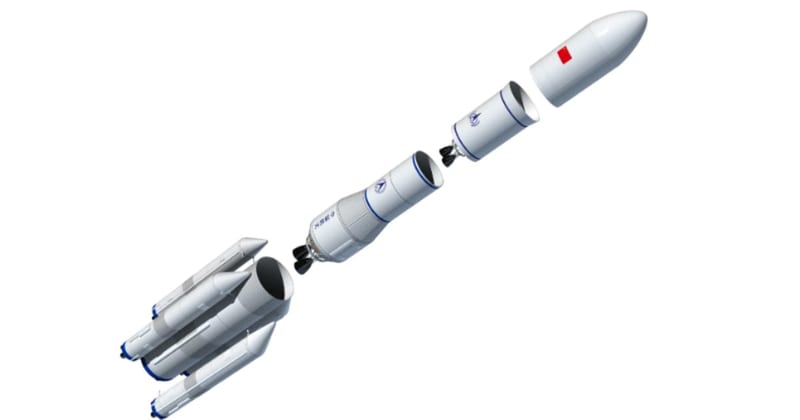
According to Chinese officials, steady progress is being made across the three principal systems required for the mission, with critical escape tests, lunar lander demonstrations, and rocket validation tests already being carried out. Further, prior to attempting a crewed landing, China will also carry out uncrewed test flights of both the Mengzhou and Lanyue to ensure that the launches, lunar orbit meetup, docking, landing, and other steps of the mission can be carried out safely during the actual crewed mission.
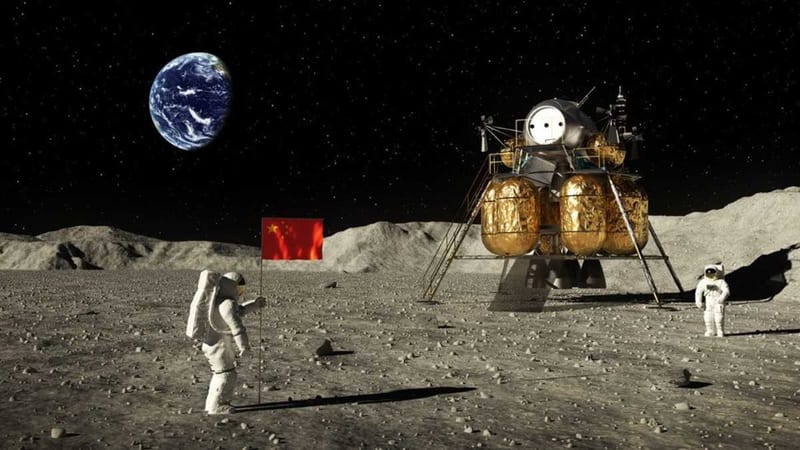
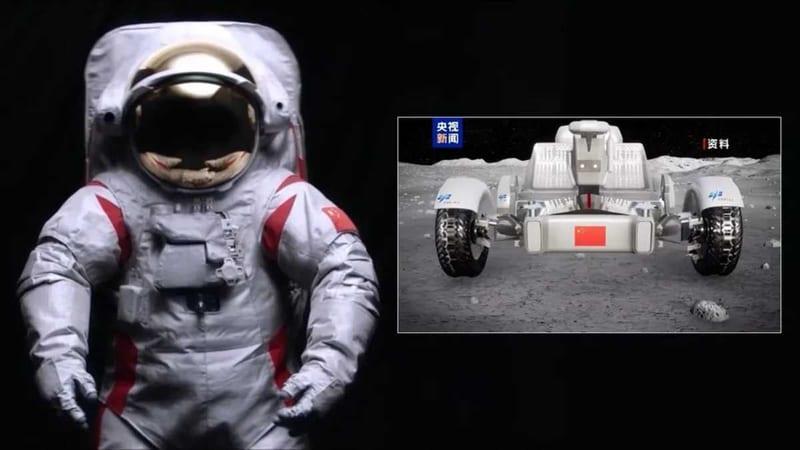
According to Wang, the program will first test technologies in near-Earth orbit wherever possible, using China's space station to validate systems before sending them towards the Moon. The development program also includes a technical verification flight of the Long March-10 rocket and the first flights of the Mengzhou spacecraft and Lanyue lander. Several important tests have already been completed, including Mengzhou's emergency escape tests, Lanyue's landing and takeoff test, and a low-altitude demonstration and verification test involving the Long March-10. The program is also developing the Wangyu lunar spacesuit and the Tansuo crewed lunar rover to support astronauts during surface operations.
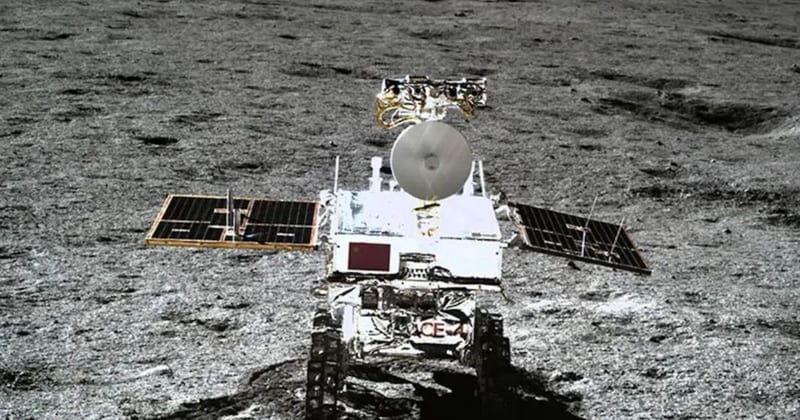
While China has successfully landed robotic spacecraft on the Moon through its robotic Chang'e lunar exploration program, it has never landed astronauts there. China's latest announcement therefore builds on its broader goal of landing astronauts on the Moon before 2030. A successful crewed landing, if achieved, would mark an important milestone in the nation's space program, making it only the second country after the United States to land astronauts on the Moon. The country, along with making considerable progress through the Chang'e program, also became the first nation to return samples from the Moon's far side in June 2024. The country has also discussed establishing an international lunar research station with Russia in the 2030s.
Meanwhile, China and the U.S. are in a heated race to establish space dominance. The U.S., which is currently pursuing its Artemis program, aims to return astronauts to the lunar surface by 2028. Earlier in April this year, NASA chief Jared Isaacman made comments in this regard, warning that the U.S. cannot afford to fall behind China as it pushes to build a sustained lunar presence.
More on Starlust
China’s top-secret space plane will pass over the U.S. this week: Here’s when and how to watch
China's Shenzhou-23 astronauts harvest rice samples grown from space seeds on Tiangong station