3 rockets, 2 coasts, 13 hours: SpaceX attempts rare launch marathon today
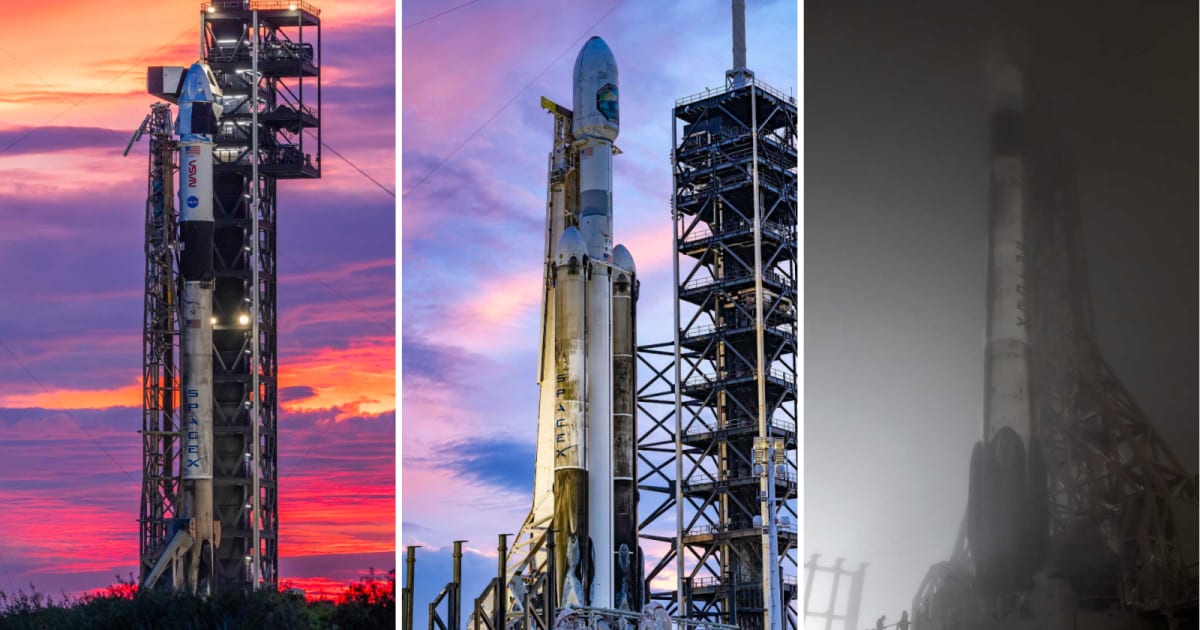
Today is an unusually busy day for SpaceX as it is gearing up to launch three rockets within a span of 13 hours. The scheduled tripleheader includes NASA and SpaceX's Crew-13 mission to the International Space Station (ISS) atop a Falcon 9 rocket, followed by the Transporter-18 rideshare aboard another Falcon 9 and the classified NROL-97 mission for the U.S. National Reconnaissance Office aboard a Falcon Heavy rocket.
If all three missions launch according to schedule, the first and third liftoffs will be separated by a gap of 12 hours and 43 minutes. The first and only other time SpaceX was able to manage such a feat was in March 2025, involving Crew-10, Transporter-13, and a Starlink mission, which were launched within a span of 13 hours.
Falcon Heavy rolls out to the launch pad at 39A ahead of the @NRO_gov and @USSF_SSC’s NROL-97 mission pic.twitter.com/7YZ4ZmGx5y
— SpaceX (@SpaceX) September 30, 2026
When, where, and how to watch the Crew-13 liftoff
The action is set to begin at 11:10 a.m. EDT when a SpaceX Falcon 9 will launch NASA’s Crew-13 mission aboard SpaceX’s Dragon spacecraft atop a Falcon 9 rocket from Space Launch Complex 40 at Cape Canaveral Space Force Station in Florida. The mission is expected to last around 7 hours and 50 minutes from launch to docking with the International Space Station. Viewers can catch the live webcast of the launch, which will commence at 9:20 a.m. EDT on NASA's X, Facebook, and Instagram pages, as well as on YouTube, Twitch, NASA+, Discovery+, Netflix, and Amazon Prime. You can also watch the live action on SpaceX's official website and its official X channel.
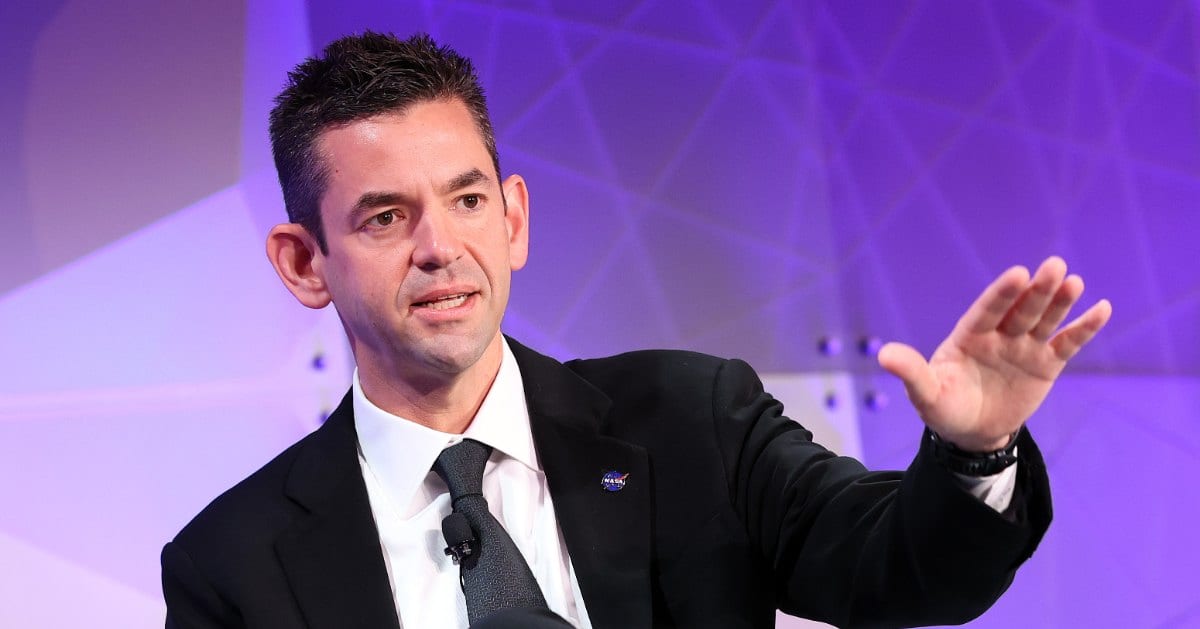
After the Crew-13 liftoff, NASA has scheduled a news conference at 12:45 p.m. EDT with agency officials, which will include NASA Administrator Jared Isaacman. The session will be streamed on NASA's YouTube channel and X page. The coverage of the docking, meanwhile, will begin at 5:20 p.m. EDT and will be available on the agency's Twitch, X, and YouTube pages, as well as on Discovery+, NASA+, and Amazon Prime.
When, where, and how to watch the Transporter-18 rideshare launch
Just hours following the Crew-13 liftoff, SpaceX will be launching its second Falcon 9 of the day for the Transporter-18 rideshare mission from Space Launch Complex 4E at Vandenberg Space Force Base in California, with the 58-minute launch window opening at 2:18 p.m. EDT. SpaceX will host a live webcast of the launch, which will commence around 15 minutes before liftoff. You can catch it on SpaceX's official website and on its X channel.
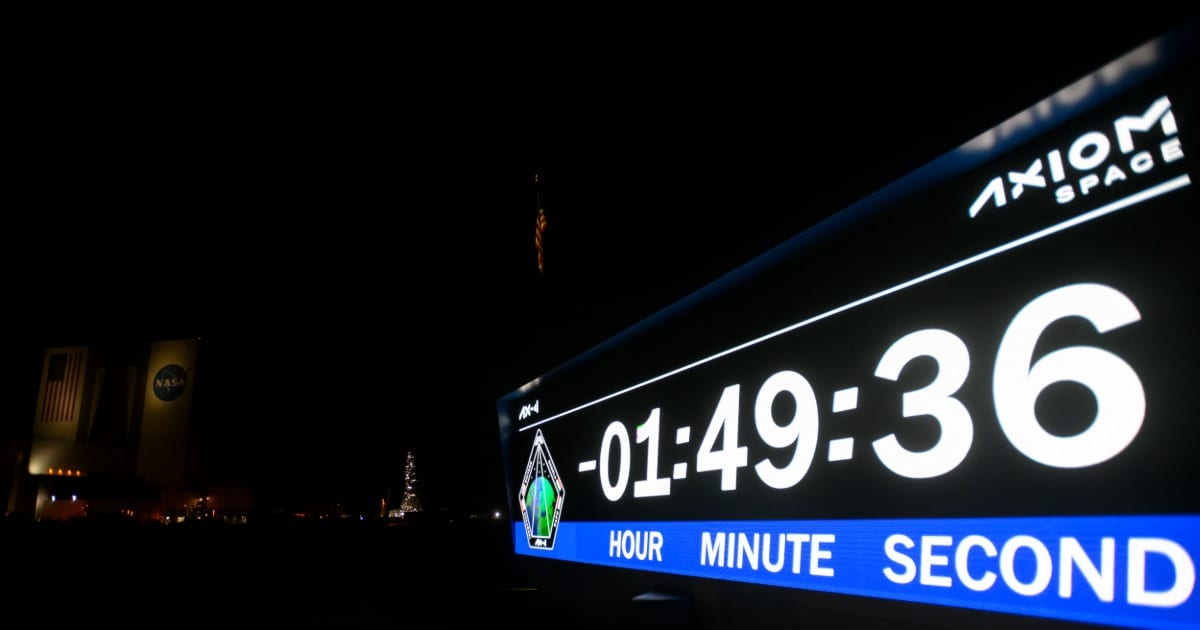
NASA and SpaceX are targeting Crew-13 for launch today at 11:10 a.m. ET from Cape Canaveral. Dragon previously flew Ax-4, while the Falcon 9 first stage is making its third flight. Crew-12 will return to Earth after the handover.
— Starlust (@starlustorg) October 1, 2026
Video Credit: SpaceX / NASA / GettyImages pic.twitter.com/34yPiqXhdp
When, where, and how to watch the NROL-97 launch
The final launch of the day, that is, the NROL-97 mission, will take place atop a Falcon Heavy rocket at 11:53 p.m. EDT from Launch Complex 39A (LC-39A) at NASA’s Kennedy Space Center in Florida. You can watch the launch live on SpaceX’s official website and X channel, with the webcast commencing 10 minutes before liftoff.
Falcon Heavy and its 27 Merlin engines in the hangar at Launch Complex 39A in Florida pic.twitter.com/ETejT6zPD2
— SpaceX (@SpaceX) September 28, 2026
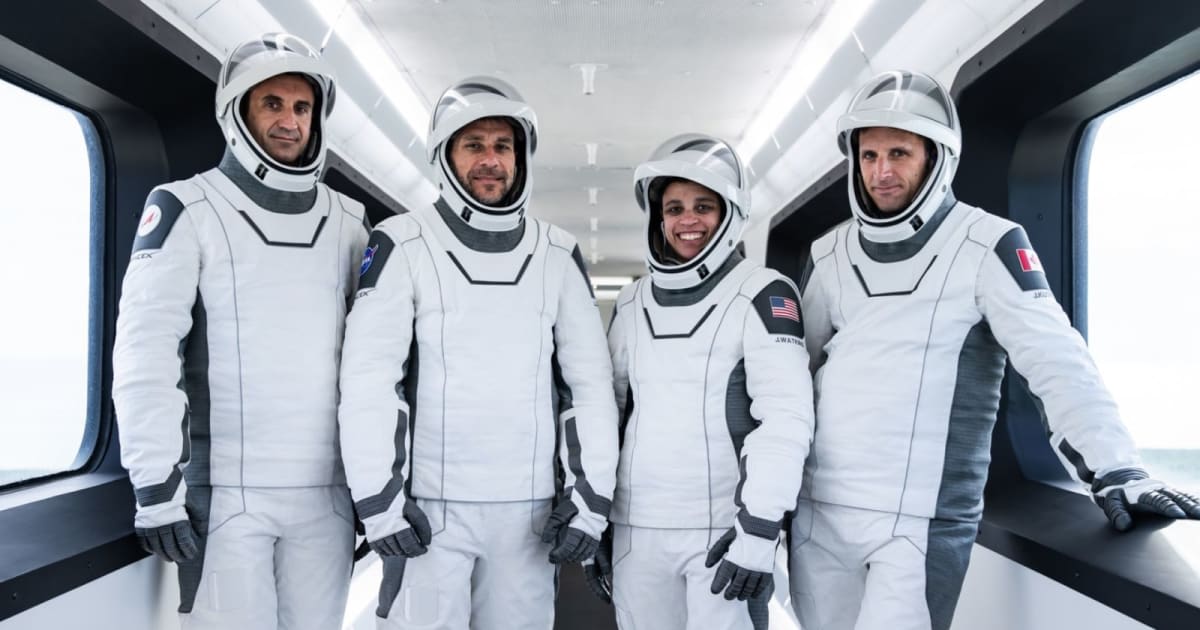
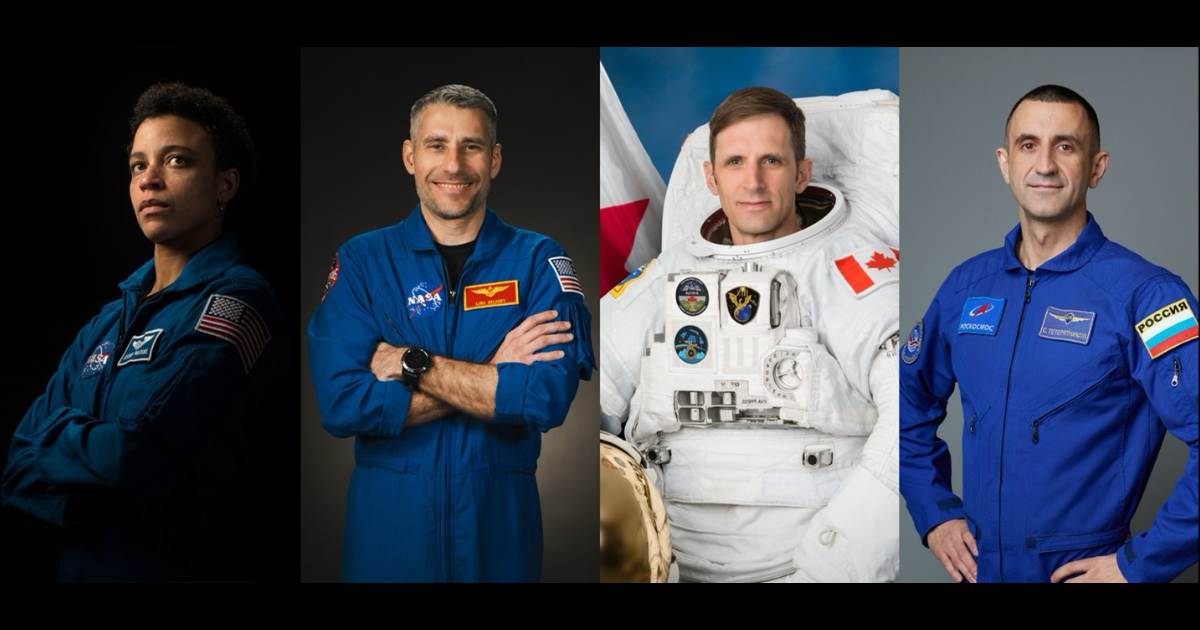
Among all three missions scheduled on October 1, the Crew-13 liftoff is, without a doubt, the show-stealer, being the fastest trip to the ISS by a U.S. spacecraft in history. The mission will carry four astronauts—including NASA astronauts Jessica Watkins (mission commander) and Luke Delaney (pilot), Canadian Space Agency astronaut Joshua Kutryk, and Roscosmos cosmonaut Sergey Teteryatnikov—who will replace the Crew-12 members, who are awaiting their return to Earth.
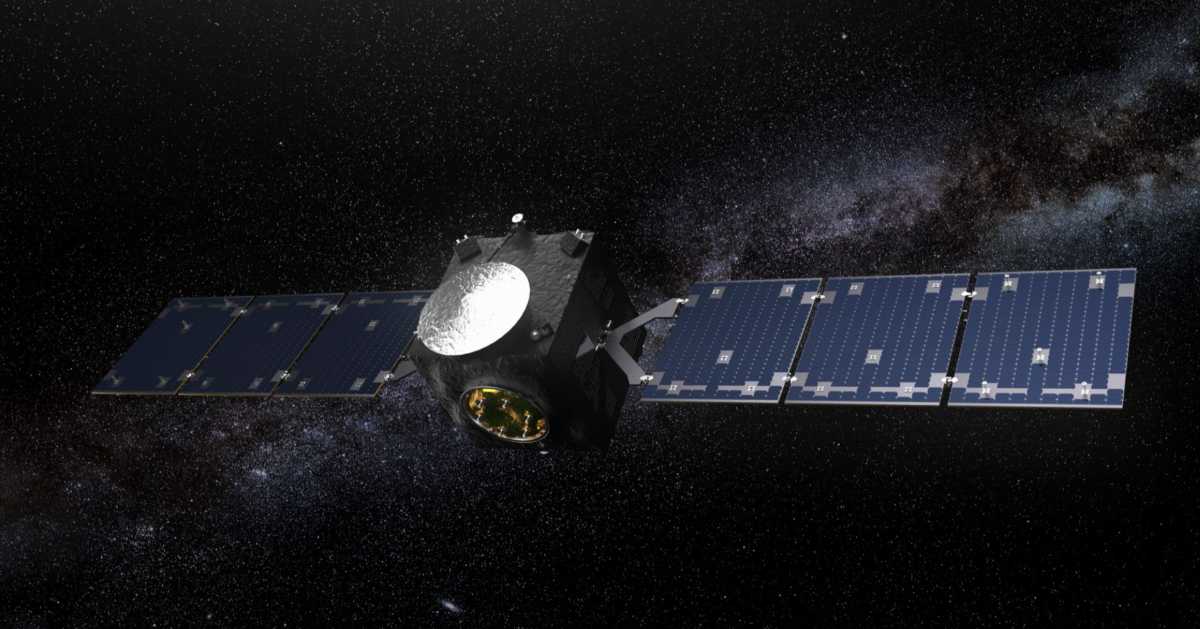
Meanwhile, the Transporter-18 rideshare mission is also interesting in its own right, carrying 130 payloads. Among the payloads is a demonstration associated with Google’s ambitious Project Suncatcher, where a prototype satellite will be launched on the ride, carrying four Google chips called tensor processing units (TPUs), with the aim of gathering in-orbit data on how these chips endure the physical stress of spaceflight and the radiation and extreme temperatures in space.
The final liftoff of the day, NROL-97, will mark the third launch of the Falcon Heavy rocket this year. The mission press kit released by the National Reconnaissance Office stated that the launch will deploy a "critical national security payload designed, built, and operated by the NRO." The mission will likely improve the current capabilities of the U.S. Space Force, which has deployed weapons in space, as recently admitted by Air Force Secretary Troy Meink.
More on Starlust
SpaceX's Falcon 9 launches its third classified U.S. Space Force mission (watch video)
NASA announces four astronauts heading to ISS on SpaceX Crew-14 mission