NASA and IBM launch AI model to decode the Moon like never before

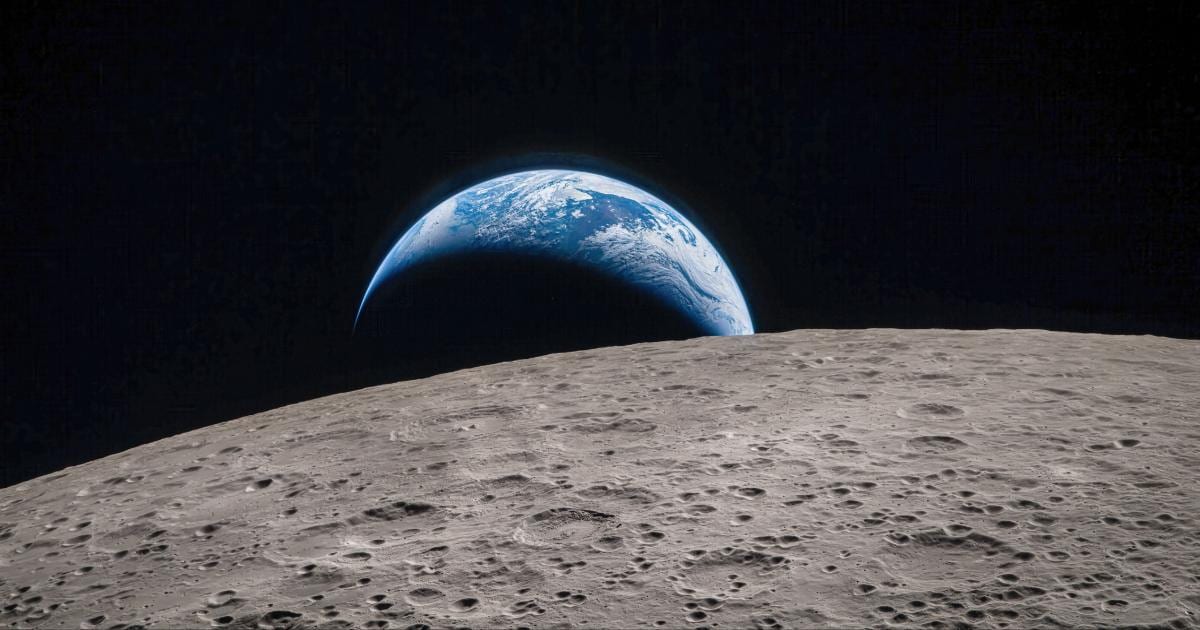
AI is entering the lunar exploration scene. And it is all set to transform the way lunar science is approached. On Thursday, September 10, NASA and IBM announced the release of the open-source NASA‑IBM Lunar Foundation Model. One of the first publicly available foundation models enabling the study of the Moon, the model is now hosted publicly on Hugging Face, with the entire codebase posted on GitHub for testing and experimentation.
AI is unlocking new insights about the Moon. 🌙@IBM and @NASA are open-sourcing the NASA-IBM Lunar Foundation Model, one of the first publicly available AI models built for scientific lunar exploration.
— IBM News (@IBMNews) September 10, 2026
Learn more below 🧵 pic.twitter.com/2OtOz36bRN
What the model can do
It can be quite a task sifting through the petabytes of data that sensors and instruments have gathered on the Moon over decades. Scientists are often required to go through maps and images manually or use low-resolution, task-specific machine learning models—both inefficient methods that may lack in scientific accuracy.
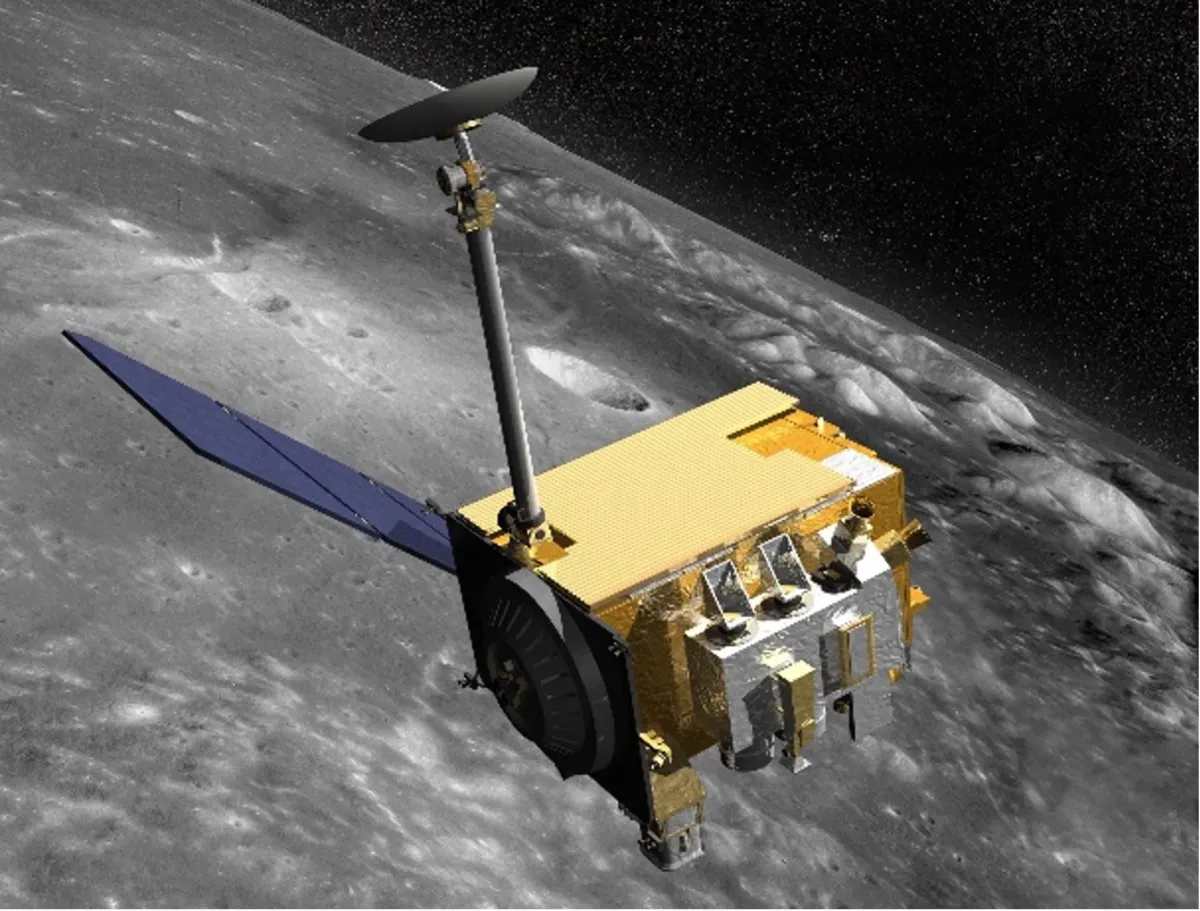
Trained primarily on the 17 years of data obtained by NASA's Lunar Reconnaissance Orbiter (LRO), the foundational model can make life a lot easier for scientists, allowing them to quickly analyze huge volumes of data to understand the Moon's surface better, peer into its geological past, and plan future lunar missions. "The model exceeds widely used methods by up to 23% in identifying key geographic features on the Moon’s surface, including potential ice deposits, craters and volcanic formations, to support a sustained return to the Moon," IBM said in a statement.
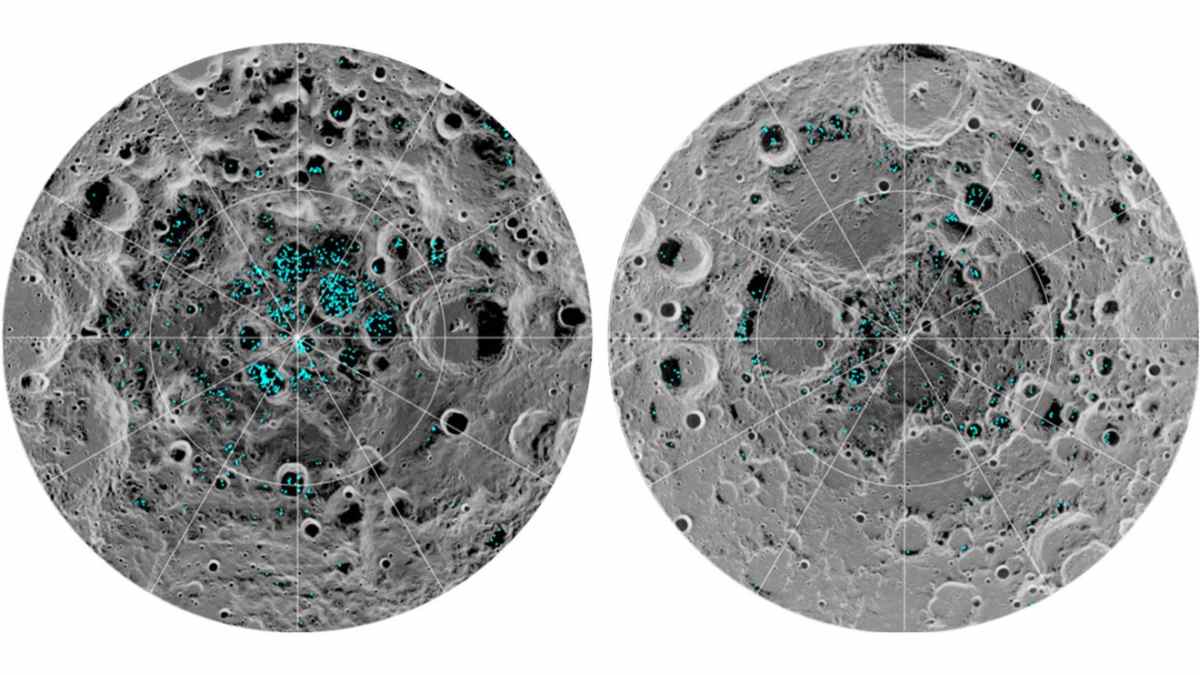
Possible water-ice deposits in the Moon's permanently shadowed regions are considered essential for building a sustained presence on the lunar surface because of their potential to provide drinking water and oxygen for astronauts and fuel for rockets. "For researchers who study the Moon’s polar ice, the NASA-IBM model can help them estimate where ice patches are likely to be stable, on and below the surface," the space agency said in a statement.

Although the Moon is thought to be volcanically dead now, the NASA-IBM model can help scientists delve into its geologically active past by accelerating the identification of irregular mare patches. These unusual volcanic features appear relatively young and challenge the established timelines for lunar cooling. As a result, mapping them could help scientists develop a more accurate picture of our closest neigbor's thermal evolution. Moreover, mapping craters, which the model can do far more efficiently than manual methods, can help NASA select safe landing sites for surface operations such as those that will be conducted as part of the Artemis program.

“Uncovering the mysteries of the Moon requires an ability to learn from an extraordinary volume of scientific data. The NASA-IBM Lunar Foundation Model gives scientists a foundation to explore the Moon at scale, connecting observations across instruments, revealing patterns that are difficult to see in isolation, and providing an open platform the global research community can build on," said Juan Bernabe-Moreno, Director of IBM Research Europe, UK and Ireland.
What if we could explore the Moon with AI?
— NASA Science (@NASAScience_) September 10, 2026
Meet the @NASA–@IBM Lunar Foundation Model, a new open‑source AI trained on 17 years of lunar data to map craters, identify geologic features, and even help predict where ice may hide in the Moon’s darkest regions. 🌙 pic.twitter.com/bMWlw9qdU8
The NASA-IBM collaboration: Using cutting-edge AI for space exploration
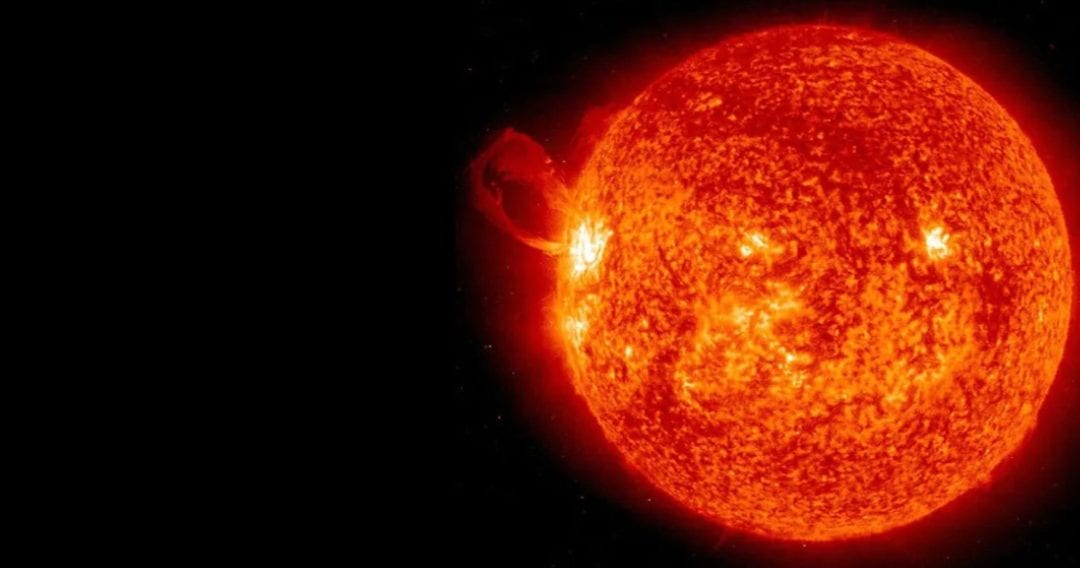
The NASA-IBM Lunar Foundation Model is part of the strategy for AI for science devised by NASA’s Office of the Chief Science Data Officer. This AI strategy, a bigger, ongoing partnership between NASA and IBM, is focused on using cutting-edge AI solutions for space exploration and research. This partnership, in fact, has come up with AI models earlier as well. For instance, the Prithvi models are a set of models that were pre-trained on Earth observation data and developed for applications like flood mapping, disaster monitoring, prediction of crop yields and hurricanes. The Surya model, on the other hand, is a heliophysics model trained on solar observation data to predict phenomena such as solar flares, which can impact power grids and satellite operations.
More on Starlust
New research identifies where water is most likely to be found on the Moon
A lobster-eye X-ray telescope could unveil some of the deepest secrets of the Moon's geology