SpaceX nails final Starship test flight to set the stage for bold Mars and Moon missions
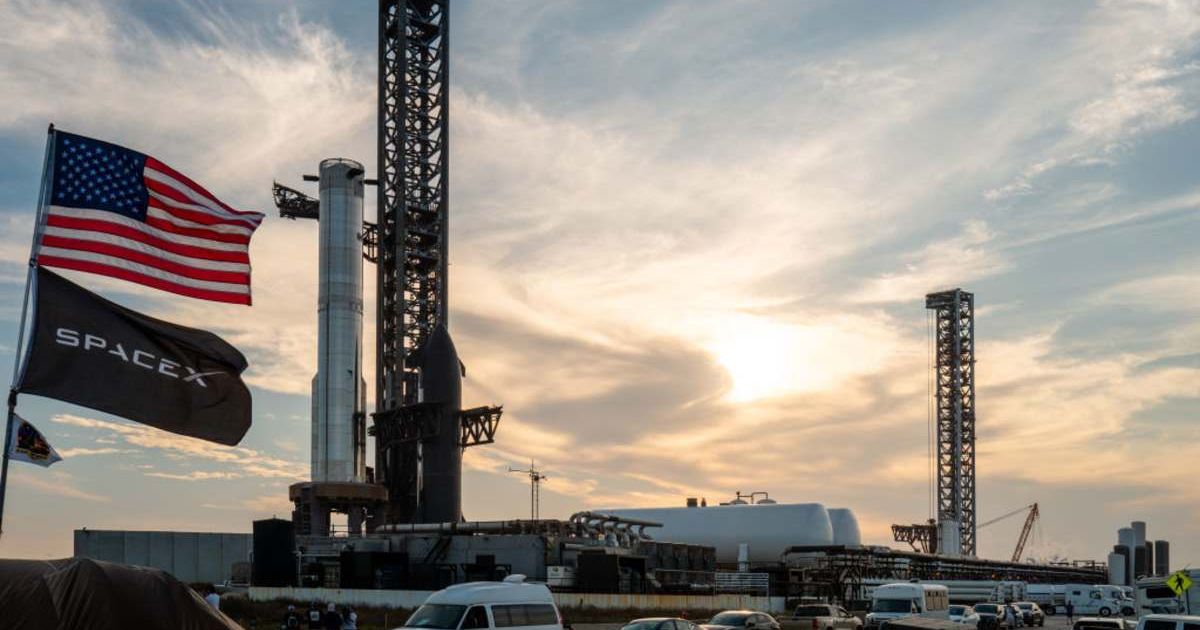
SpaceX successfully launched its towering Starship vehicle on its eleventh and final flight test of the current design, marking a crucial step in the company's ambitions to colonize Mars and return astronauts to the Moon, according to SpaceX.
Watch Starship's eleventh flight test → https://t.co/YmvmGZTV8o
— SpaceX (@SpaceX) September 29, 2025
https://t.co/zIRMX5mh9K
The colossal rocket blasted off from the Starbase facility in South Texas at 6:23 p.m. CT on Monday, October 13, 2025. This launch represented the culmination of the second-generation Starship and its Super Heavy booster, as well as the last launch from the existing Pad 1 configuration. The mission reportedly achieved every primary objective, gathering vital data needed for the development of the next, larger iterations of the spacecraft and its booster.
Starship's eleventh flight test reached every objective, providing valuable data as we prepare the next generation of Starship and Super Heavy → https://t.co/YmvmGZTV8o pic.twitter.com/gO0i8XFWIH
— SpaceX (@SpaceX) October 14, 2025
The test flight began with the Super Heavy igniting all 33 Raptor engines for a powerful ascent over the Gulf of Mexico. This was followed by a successful hot-staging maneuver, where the upper-stage Starship simultaneously fired its six Raptor engines while still attached to the booster, propelling it toward space. According to Space.com, this 11th mission serves as the swan song for this version of the launch system. The success drew enthusiastic cheers from the company's team, with SpaceX spokesperson Dan Huot declaring, "Let 'em hear it, Starbase! What a day!"
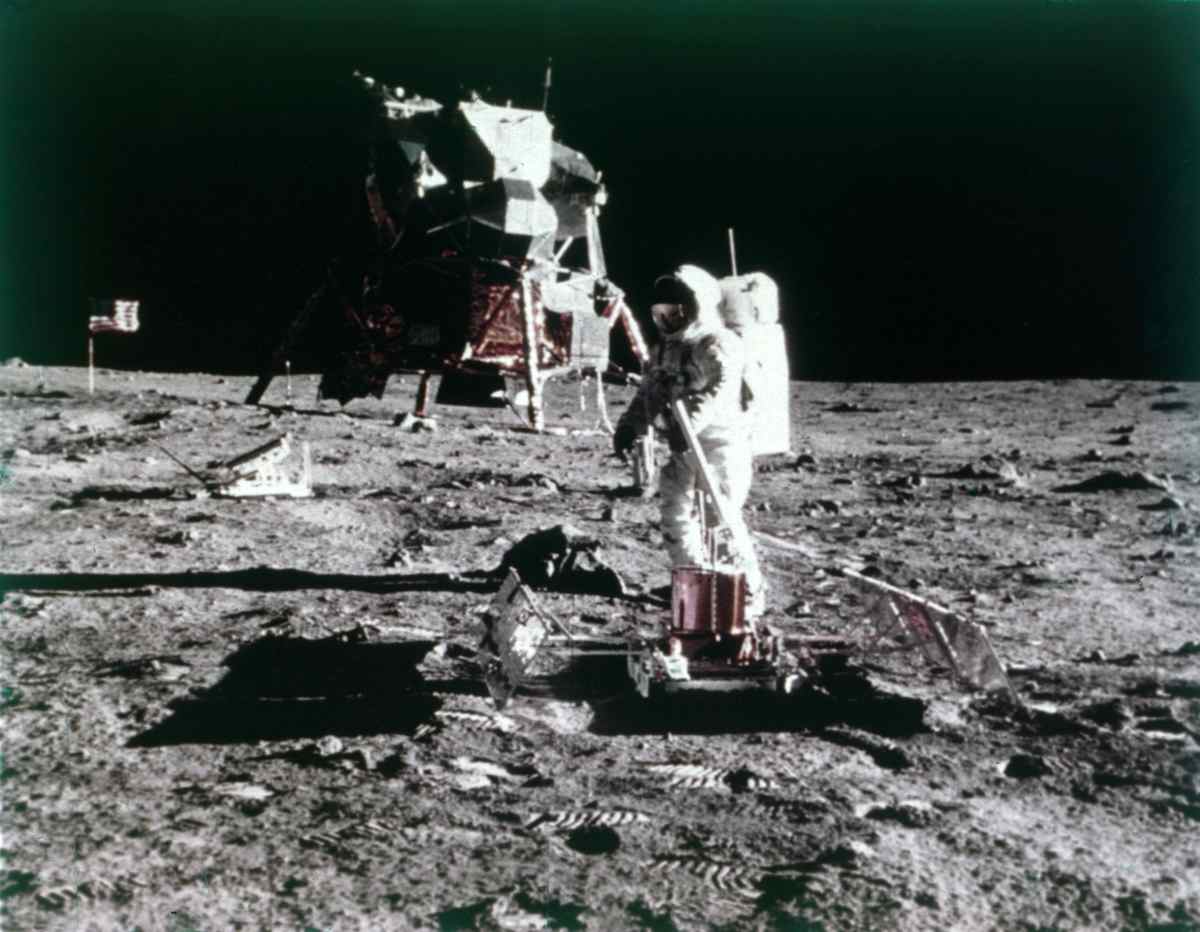
Starship is central to the vision of founder and CEO Elon Musk, who established SpaceX in 2002 with the primary goal of establishing a human presence on the Red Planet. Beyond Mars, the vehicle is also under contract with NASA, having been selected as the crewed lunar lander for the Artemis program. Starship is currently slated to deliver astronauts to the Moon's south pole on the Artemis 3 mission, targeted for 2027, which would be the first crewed landing since the Apollo era.
The test flight delivered critical data on both stages. Following the separation, the Super Heavy booster executed a boostback burn using 12 of its 13 planned engines, successfully guiding it toward a pre-determined splashdown zone off the Texas coast, per SpaceX. In a key demonstration of future capabilities, the booster then initiated its high-thrust landing burn, relighting all 13 planned engines, including one that had failed to relight during the boostback. The booster successfully performed a unique landing maneuver designed for the next-generation vehicle, hovering momentarily above the water before its engines cut out for a gentle, controlled splashdown.
Starship is executing a banking maneuver that mimics the final approach it would take while returning to Starbase for a catch on a future mission pic.twitter.com/t4Al1xg7Xe
— SpaceX (@SpaceX) October 14, 2025
Meanwhile, the Starship upper stage continued its journey, achieving the intended velocity and trajectory after a full-duration ascent burn. During the coasting phase, it successfully deployed eight Starlink simulators and completed the third in-space relight of a Raptor engine, a vital capability required for future deorbit and planetary landing maneuvers.
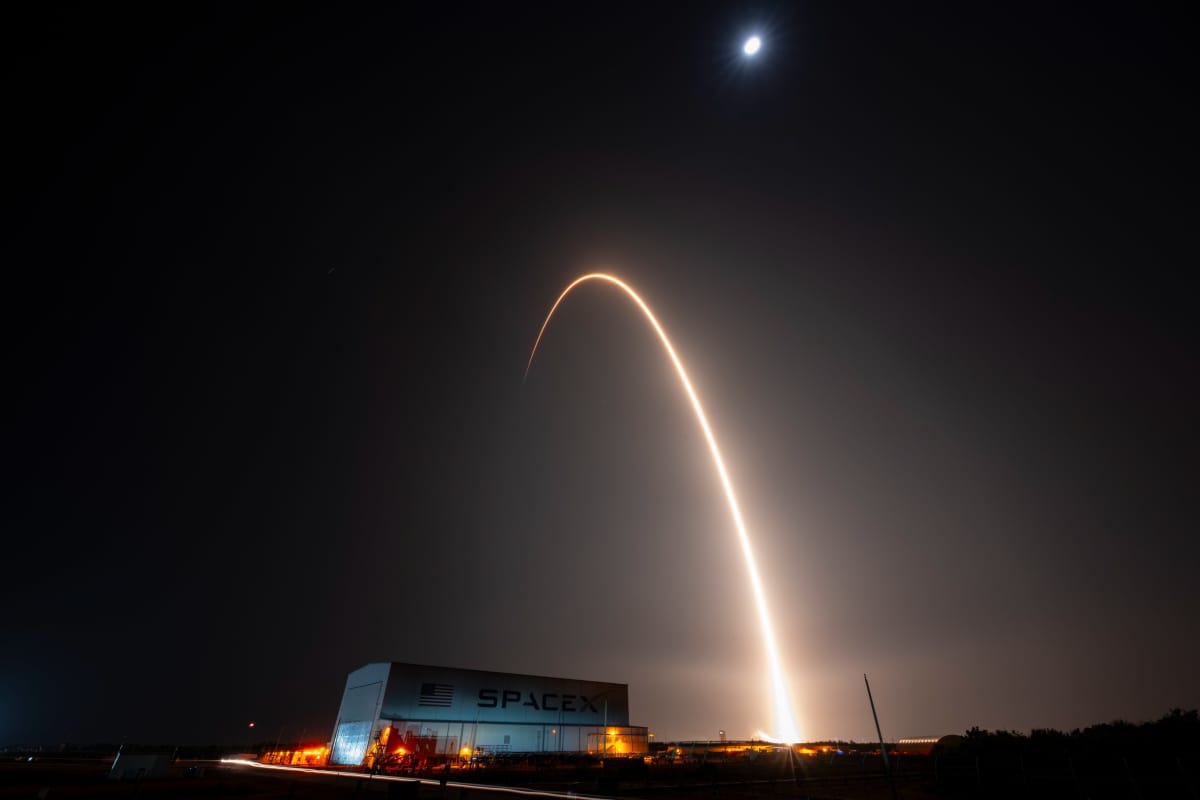
The Starship then re-entered Earth's atmosphere, gathering extensive data on its heatshield performance as the company intentionally pushed the vehicle to its structural limits. In the final minutes of its flight, Starship performed a dynamic banking maneuver that mimics the trajectory future operational missions will use for landings back at Starbase. Using its four aerodynamic flaps for control, Starship guided itself to a designated splashdown zone in the Indian Ocean, concluding its mission with a successful landing flip, landing burn, and soft splashdown.
Splashdown confirmed! Congratulations to the entire SpaceX team on an exciting eleventh flight test of Starship! pic.twitter.com/llcIvNZFfg
— SpaceX (@SpaceX) October 14, 2025
More on Starlust
SpaceX set to launch Starship's 11th flight test on October 13
SpaceX aims to shatter records with 170 orbital launches in 2025, nearly one every other day