Artemis II crew's Nikon Z9 camera was bombarded with heavy ions on Earth before it flew to space
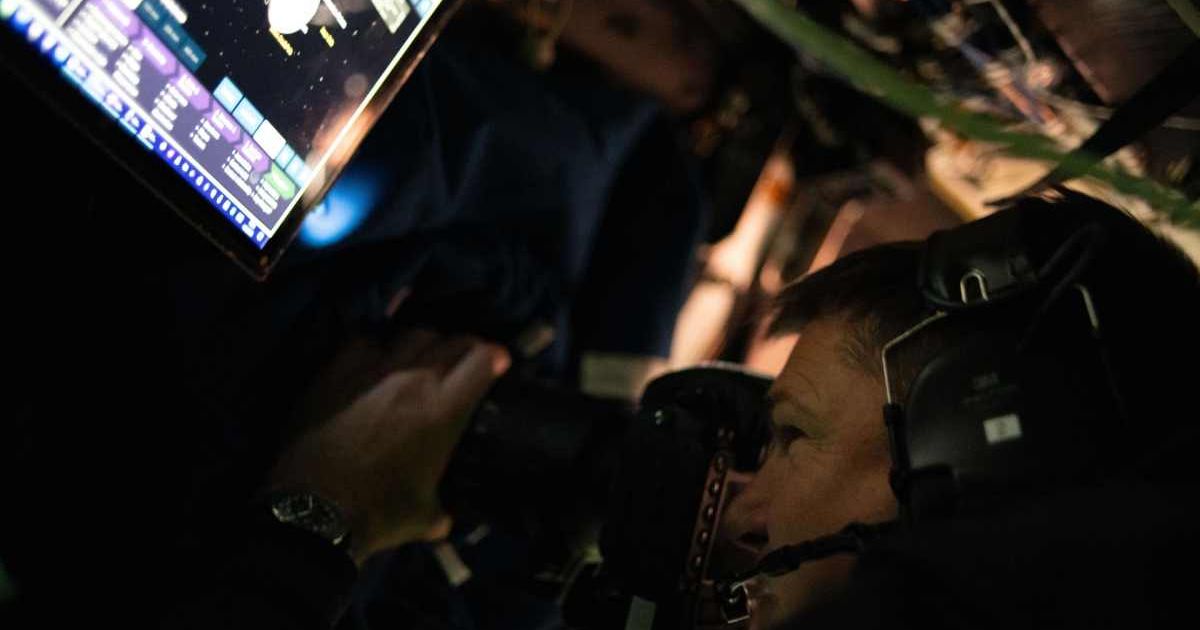
The Artemis II Moon mission was successfully completed following a splashdown in the Pacific Ocean on April 10, 2026. During the mission, the astronauts aboard the Orion spacecraft clicked some breathtaking images of the Moon and Earth from space. But before the camera with which the images were clicked was packed for the mission, GSI Helmholtzzentrum für Schwerionenforschung and the international accelerator facility FAIR had tested it under extreme and realistic conditions mimicking those of space.
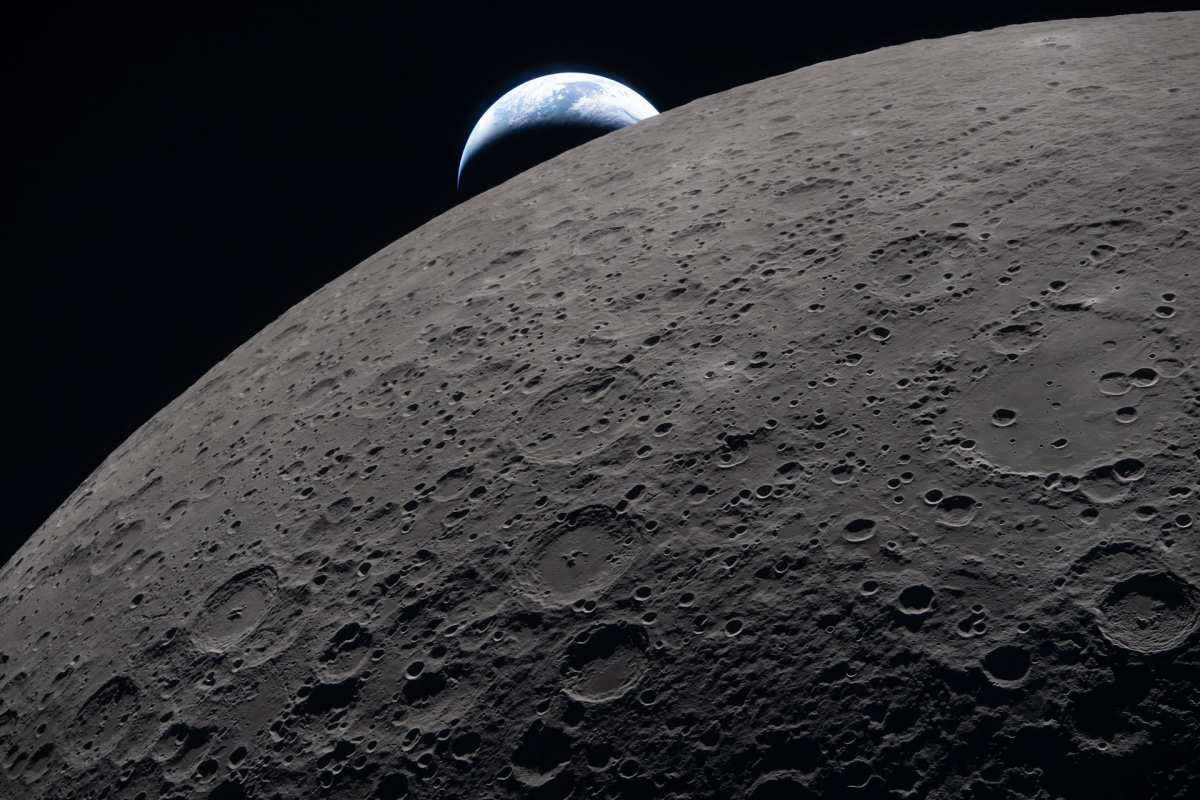
Back in March 2025, the specially modified Nikon Z9 that the Artemis II crew used to click pictures during the mission was exposed to high-energy heavy ions at the GSI/FAIR particle accelerator. Exposure to these particles was necessary, as it duplicated the harsh conditions that the camera would encounter in space. The aim was to push the camera’s functionality and determine if it could operate in a stable fashion in the radiation-heavy environment. And the scientists? They were more than happy when the test results came back.
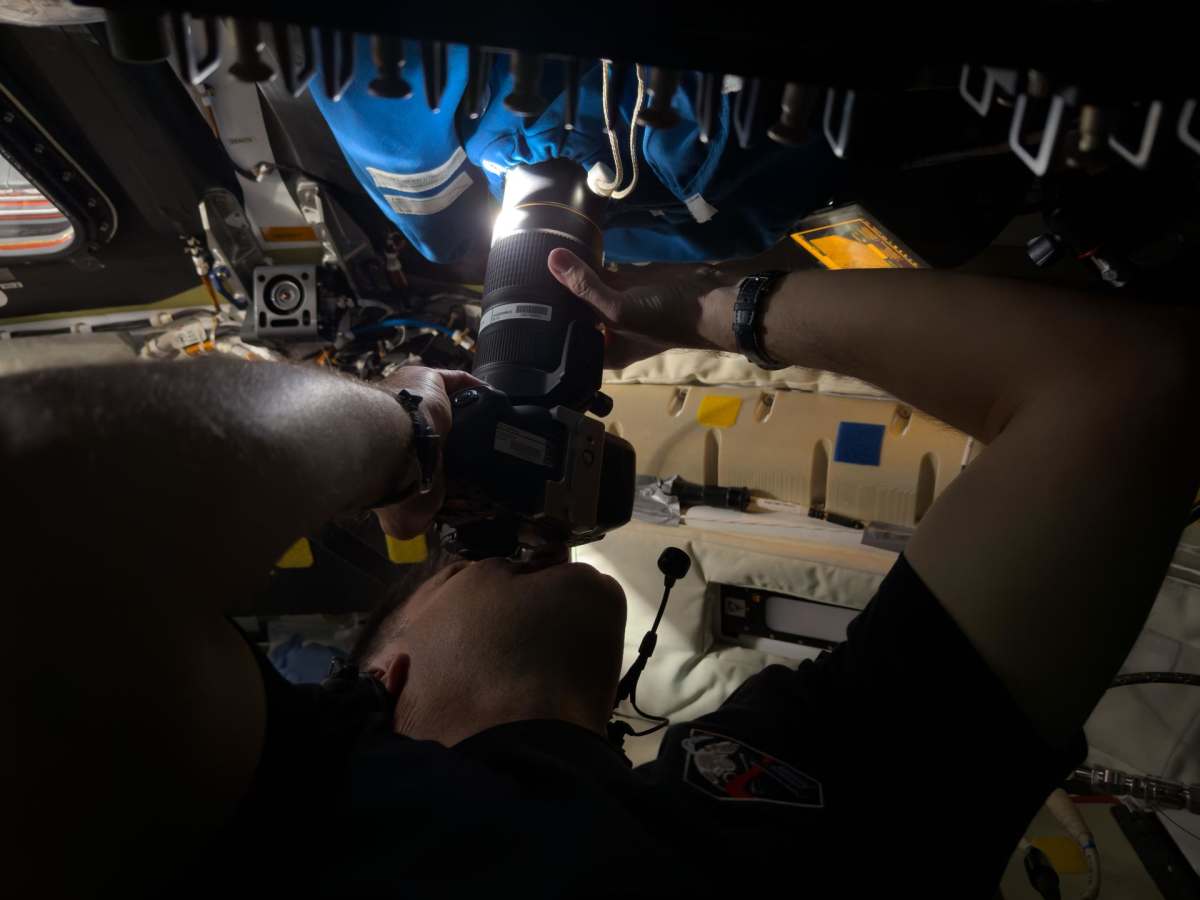
Thankfully, the Nikon Z9 proved to be a tough campaigner and showed impressive stability during the entirety of the rigorous testing. This made the scientists conclude that the piece of technology was fit for its travel to space. And when the Artemis II crew put the camera to use, the results obtained were pretty much astounding. The Z9 clicked some high-quality images, holding its own under real cosmic conditions. One of the pictures included a solar eclipse where the Moon completely blocked the Sun.
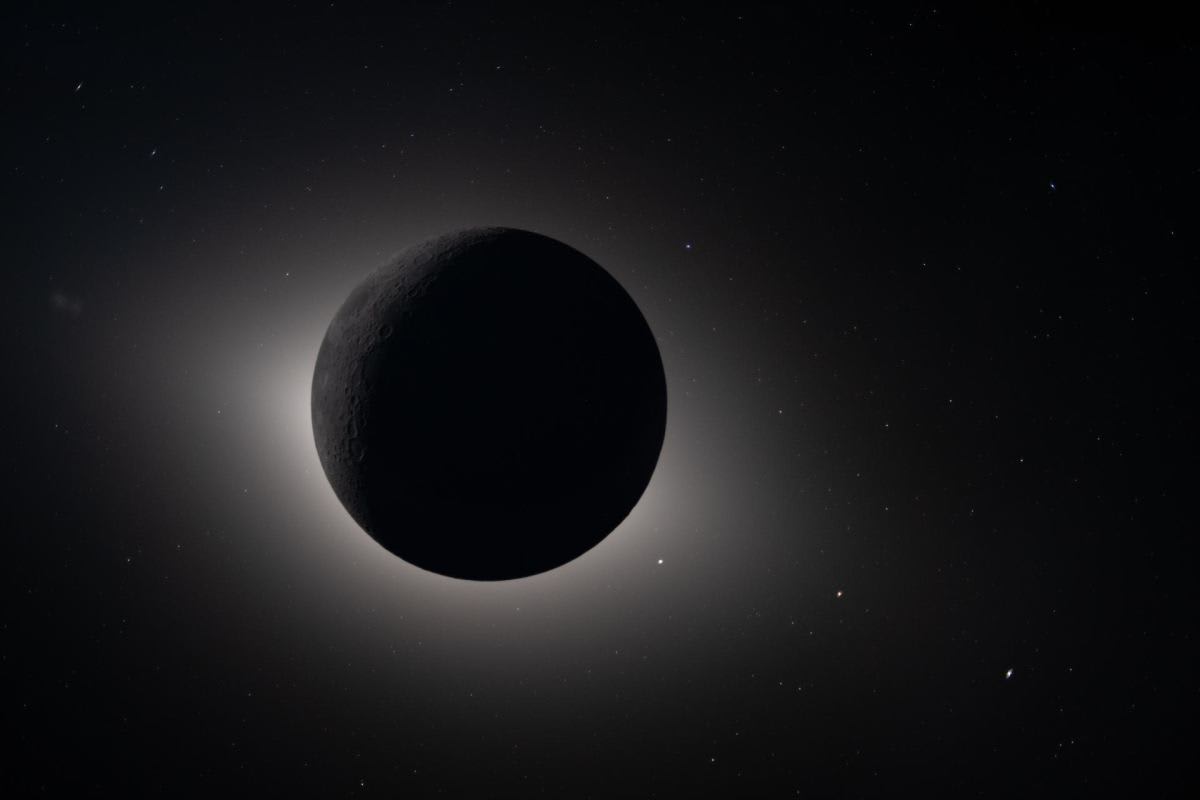
As the pictures were released, the sight was surely one to behold for the scientists as well as the cosmic enthusiasts. NASA, in fact, is planning on using this camera model for future Artemis missions, including Artemis IV, which will see astronauts return to the lunar surface in more than half a century.
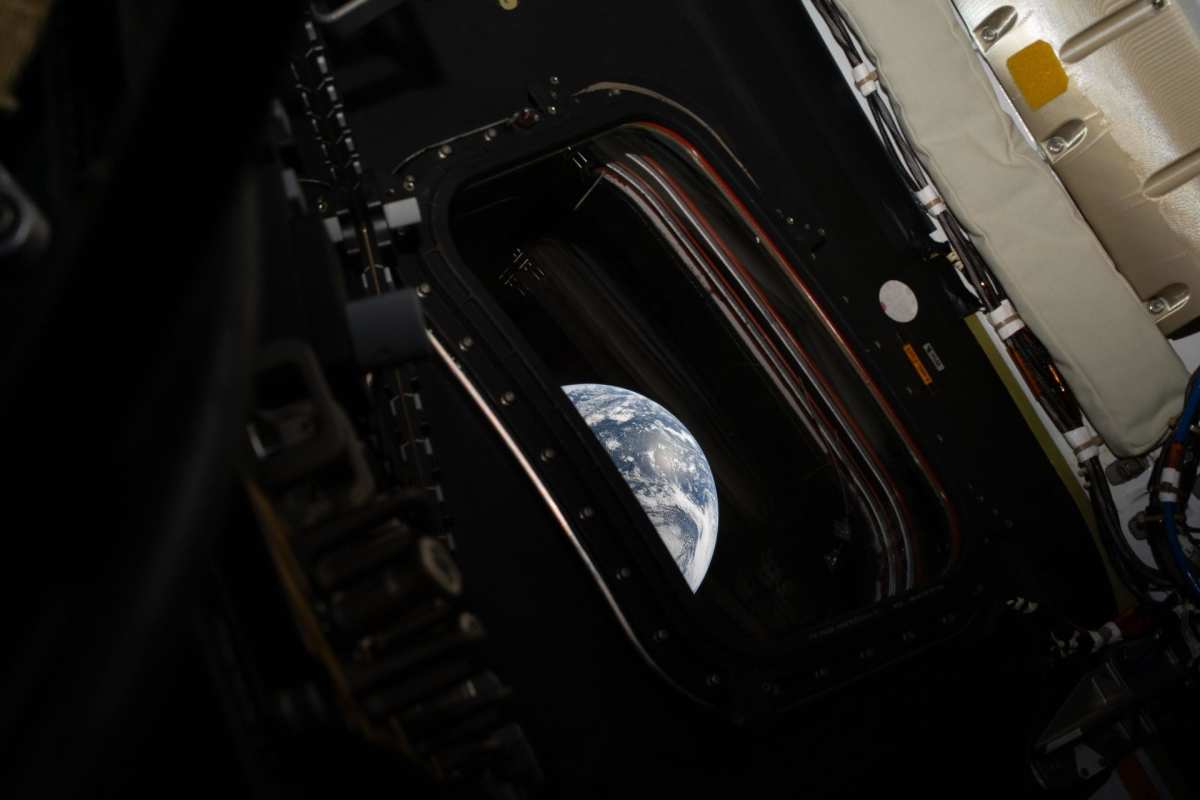
Naturally, following such a breakthrough, the representatives of GSI/FAIR were elated. “Our accelerator facilities enable us to precisely simulate cosmic radiation on Earth. This allows us to make important contributions to ensure the safety and performance of future space missions,” said Professor Thomas Nilsson, the Scientific Managing Director of GSI/FAIR, in a statement. And that’s not all. The Head of the Biophysics Department at GSI and FAIR, Professor Marco Durante, had some more insights to share about the importance of the experiments they conduct.

On one hand, the radiation physics expertise will help in developing some cutting-edge space technologies in collaboration with NASA and ESA. But in the process, the researchers at GSI/FAIR will also be able to determine how cosmic radiation might affect humans. “GSI/FAIR is a unique facility in Europe for testing electronics components, especially components-off-the-shelf (COTS) with high-energy heavy ions, an important requirement for future space missions,” added Tim Wagner, a physicist at GSI/FAIR and the person responsible for conducting microelectronics hardness testing at GSI.
More on Starlust
Artemis II in numbers: 10 facts about NASA’s historic Moon mission
NASA just rolled out the biggest part of Artemis III rocket out of Michoud Assembly Facility