NASA launches CANVAS CubeSat to track lightning-born radio waves from Earth into space
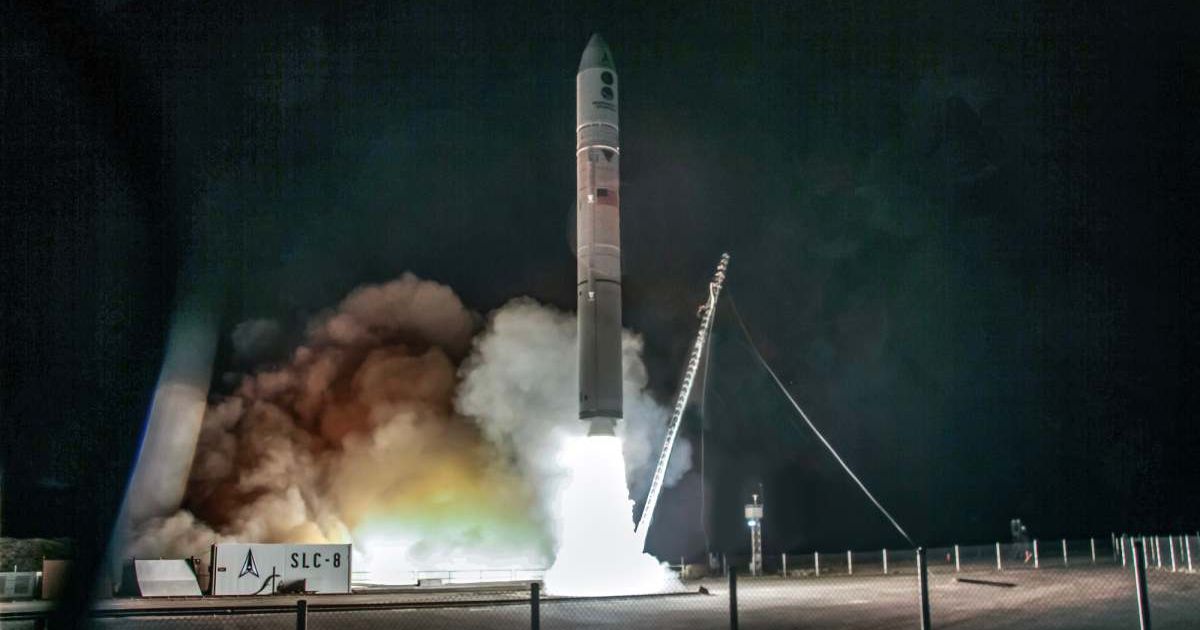
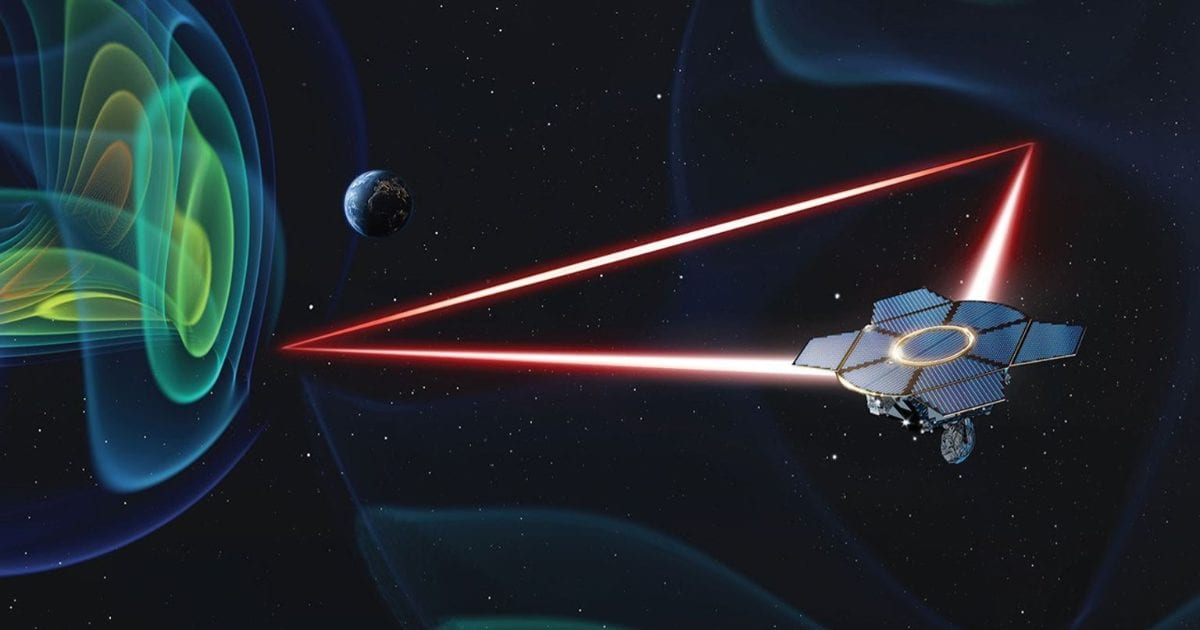
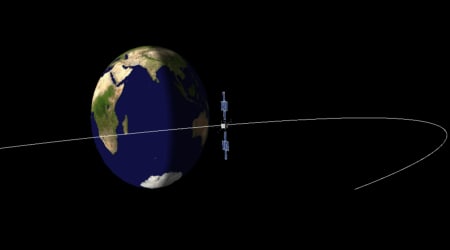
When lightning strikes on Earth, it doesn’t just light up the sky; it sends faint radio whispers into space. NASA has launched a 4U CubeSat under the CANVAS mission to study these very low frequency (VLF) waves, which travel beyond our atmosphere. Part of the Department of War Space Test Program S29A (STP-S29A), a Minotaur IV rocket launched on April 7 from Vandenberg Space Force Base in California, carrying the payload. Now in orbit, CANVAS, short for Climatology of Anthropogenic and Natural VLF wave Activity in Space, will use two precision instruments to measure power and direction — a three-axis magnetometer and a two-axis electric field sensor.
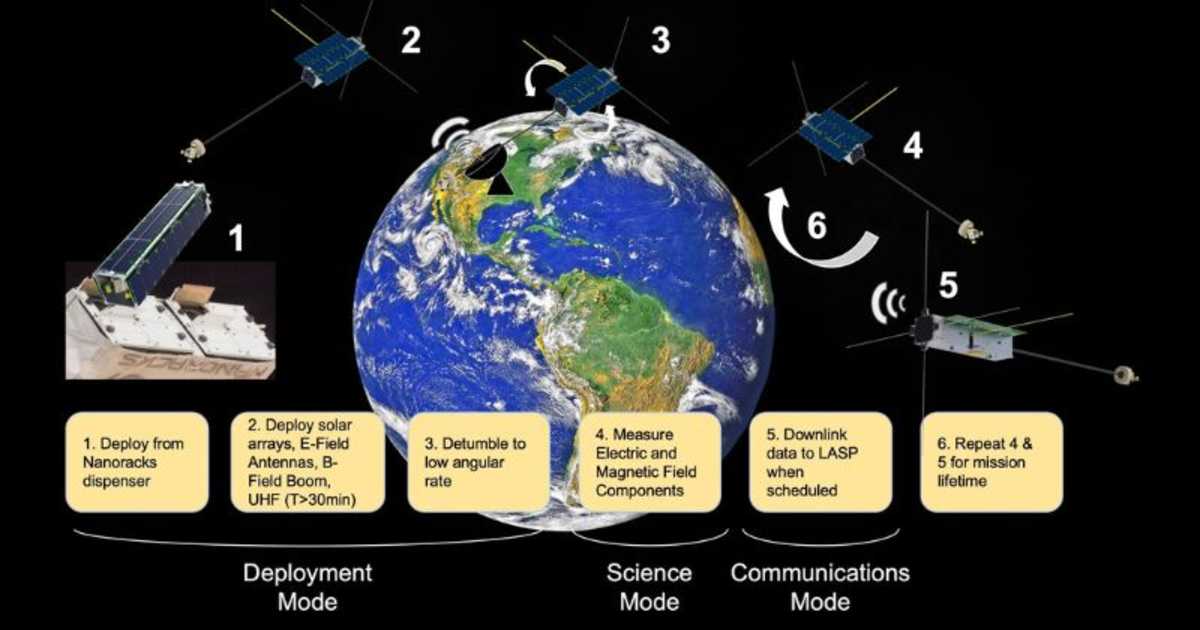
According to NASA, this mission will help provide a clearer understanding of how both natural and human-made radio waves can influence the near-Earth space environment. The ground generated energy from VLF waves typically travel from Earth's surface, pass through the charged ionosphere, all the way to the magnetosphere. To understand this crucial journey, CANVAS will quantify the VLF energy that penetrates upward and help predict disruptions to satellites, GPS, and communications. Until now, scientists could measure these waves on the ground or detect their effects in space, but couldn't really connect the two — a gap that the CANVAS mission aims to bridge.
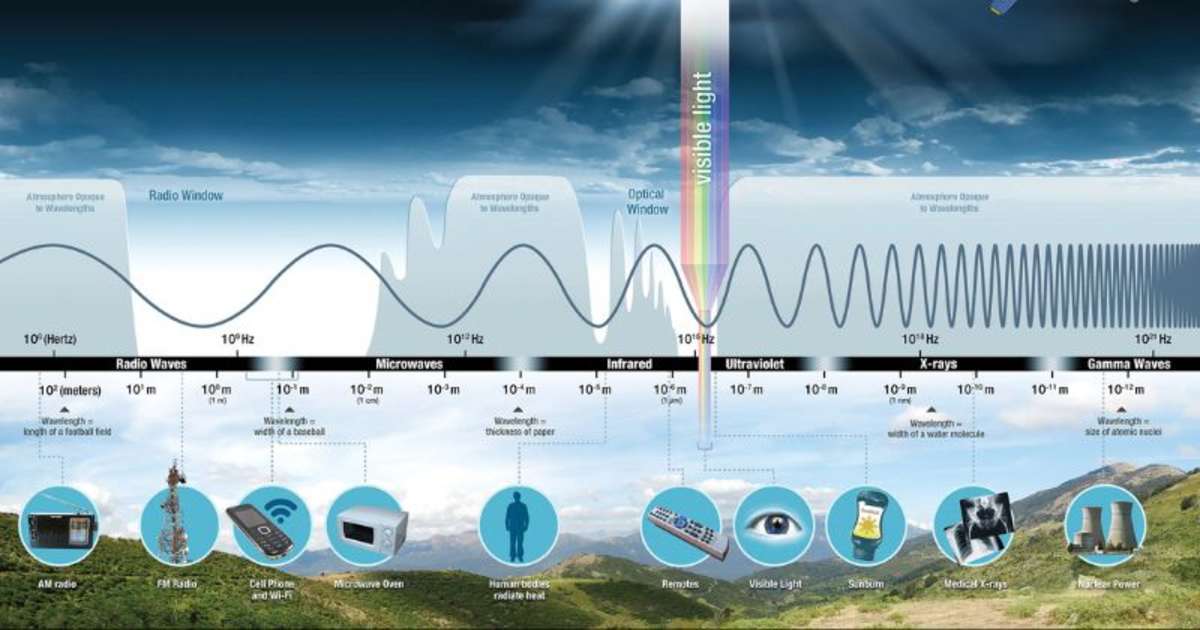
The CubeSat's three-axis search coil magnetometer detects tiny magnetic fluctuations, which enable a 3D reconstruction of a full electromagnetic wave to study its movement. The two-axis AC electric field sensor measures electric signals like amplitude and frequency. With these instruments working together, the CANVAS CubeSat enables precise modeling of wave penetration and space weather impacts. By studying VLF waves and their behavior, the mission essentially helps protect satellites and communications systems, astronaut and spacecraft safety, and also improves mission planning.
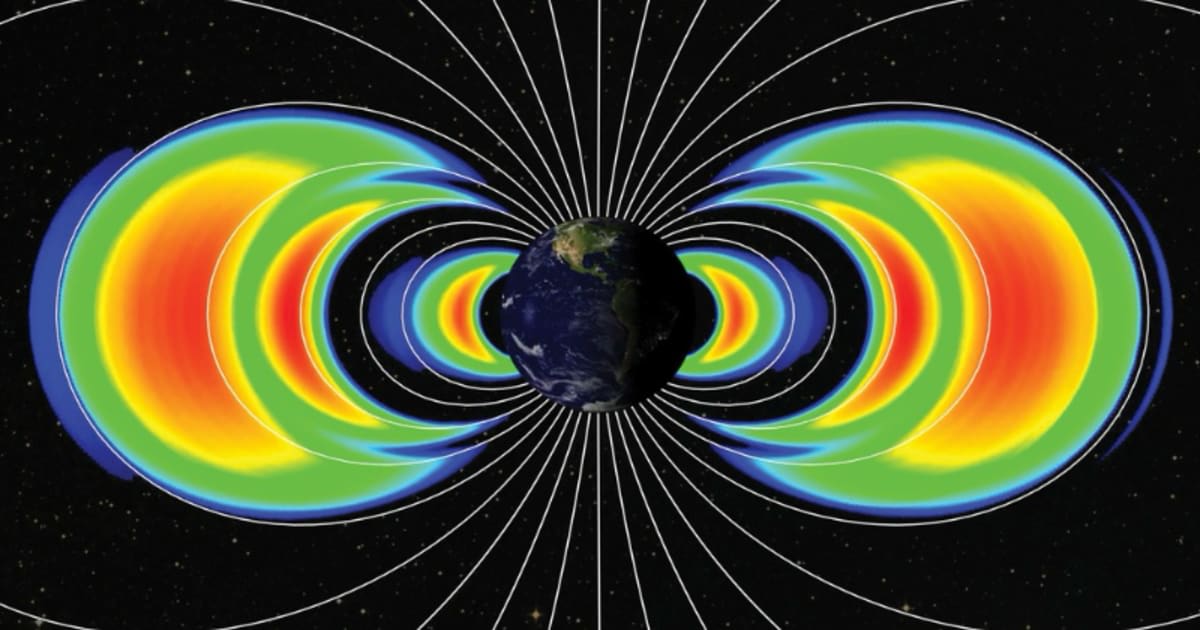
Earth's radiation belts are filled with high-energy electrons trapped by its magnetic field. VLF waves can gently push these electrons into the atmosphere, thus affecting near-Earth space. Using its instruments, CANVAS will measure how strong the VLF waves are, and where they’re going. Later, it compares this data with the World Wide Lightning Location Network, which tells when and where lightning strikes happen. Doing so will allow it to study how these waves travel through the ionosphere, as well as the climatology of space weather effects over time.
#ICYMI The CubeSat Launch Initiative selections for small satellite space missions launching in 2021, 2022, 2023 have been released! The selectees will fly on planned spaceflight missions & deploy from the launch vehicle or the @Space_Station.
— NASA Artemis (@NASAArtemis) February 22, 2020
More ➡️ https://t.co/lYT27hgbkE pic.twitter.com/VyStWkpPq5
The University of Colorado developed the CANVAS, a 4U CubeSat that NASA picked through CubeSat Launch Initiative (CSLI) in 2021 to be one of the missions that would contribute to the agency's science, technology development, or education goals. The program is designed to provide launch opportunities for the selected mission as a very low-cost method to run scientific investigations and technology demonstrations in space. NASA’s Launch Services Program, which manages CSLI, assigned CANVAS as a payload on STP-S29A as part of the Educational Launch of Nanosatellites (ELaNa) 55 launch grouping.
More on Starlust
Exceptionally detailed map of the sky reveals over 13 million radio sources across the universe
Astronomers discover unusual slow-pulsing radio signal unlike any observed before