NASA sacrifices Voyager 1 instrument to extend historic interstellar spacecraft's mission
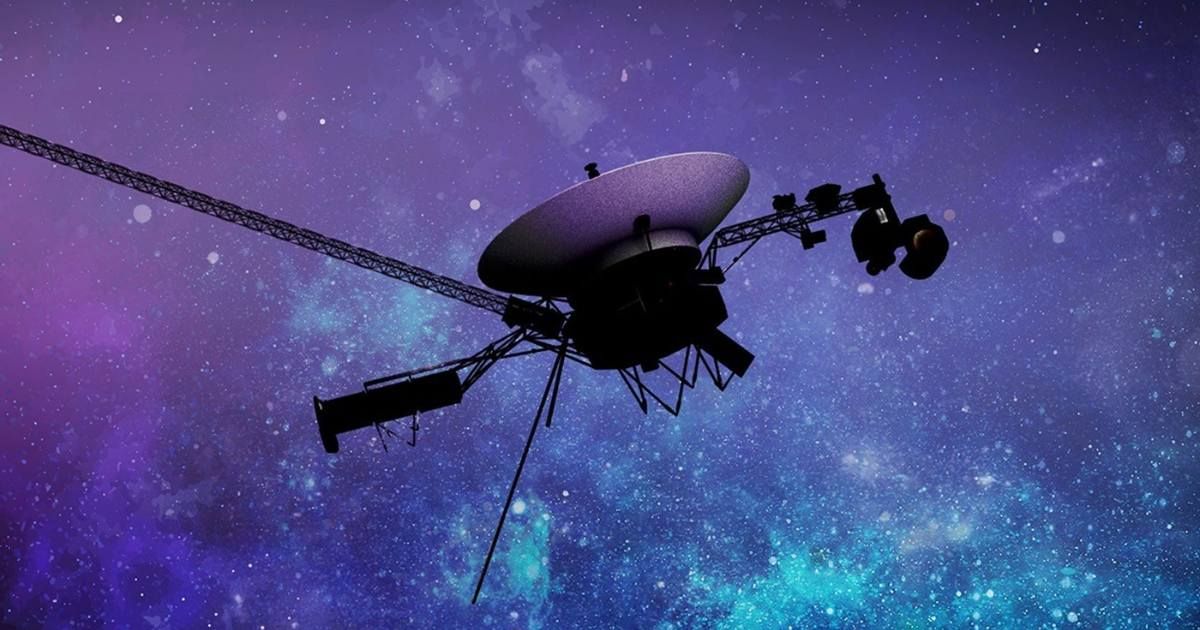
In a calculated move for the long run, NASA has decided to pull the plug on one of the science instruments aboard its Voyager 1 spacecraft. Currently more than 15.7 billion miles away from Earth, the space probe saw one of its instruments being shut down after nearly five long decades. According to the agency, engineers at Southern California’s Jet Propulsion Laboratory (JPL) sent commands to bring the Low-Energy Charged Particles (LECP) experiment to a halt. This was done to ensure that humanity's maiden attempt at interstellar exploration keeps itself afloat for a longer period of time.
The shutdown commands were sent out on April 17, but scientists had to wait a full day to determine whether they were properly executed. This is due to the fact that the probe is at an extreme distance from the Earth, and it usually takes around 23.5 hours for a radio signal to reach Voyager 1, despite the signal traveling at the speed of light. The reason behind NASA's move to shut down the LECP is simple: to conserve the nuclear-powered spacecraft's remaining energy. The same was done with Voyager 2 in March 2025.
Earlier this February, Voyager 1's power levels plummeted unexpectedly during a routine maneuver, causing concern among scientists. Any further drop in power would activate the spacecraft’s undervoltage fault protection system, which, when triggered, would automatically shut down its components to safeguard Voyager 1. The flight recovery process that follows this is also risky and lengthy. Both Voyager 1 and 2 rely on a radioisotope thermoelectric generator, a device that continuously converts the heat derived from plutonium decay into electricity. While this is expected to lose about 4 watts of power annually, the sudden power crisis prompted NASA to shut off the LECP to make sure that the spacecraft doesn’t get cold enough for its fuel lines to freeze.
Happy launchiversary, Voyager 1! 🥳
— NASA JPL (@NASAJPL) September 5, 2025
48 years ago – on September 5, 1977 – Voyager 1 launched from Cape Canaveral, Florida, to study Jupiter and Saturn up close.
Today, Voyager 1 is about 15 billion miles (25 billion km) from Earth – and still revealing secrets of the cosmos! pic.twitter.com/xQL15C3Pny
“While shutting down a science instrument is not anybody’s preference, it is the best option available,” explained Kareem Badaruddin, Voyager mission manager at JPL. He added, “Voyager 1 still has two remaining operating science instruments — one that listens to plasma waves and one that measures magnetic fields. They are still working great, sending back data from a region of space no other human-made craft has ever explored. The team remains focused on keeping both Voyagers going for as long as possible.”
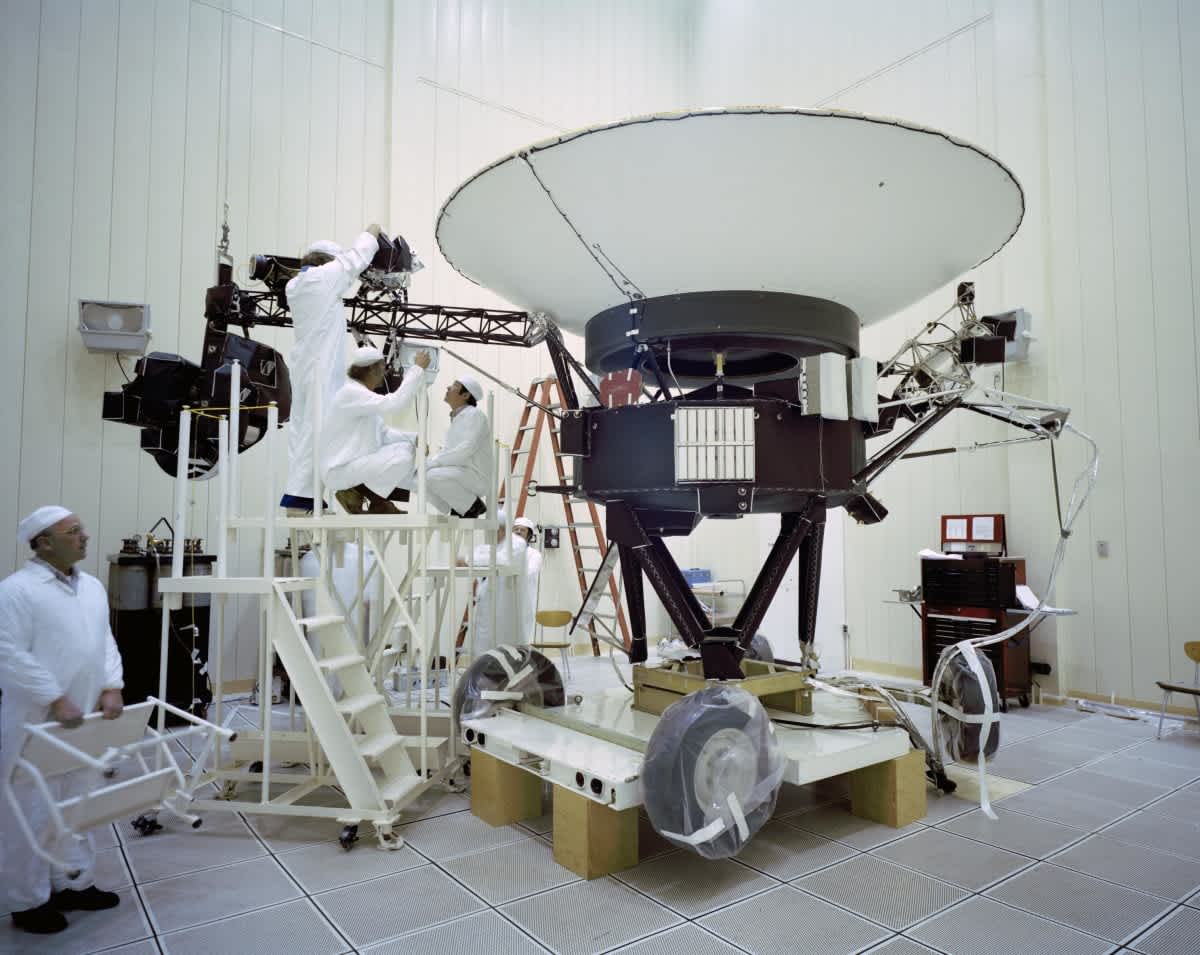
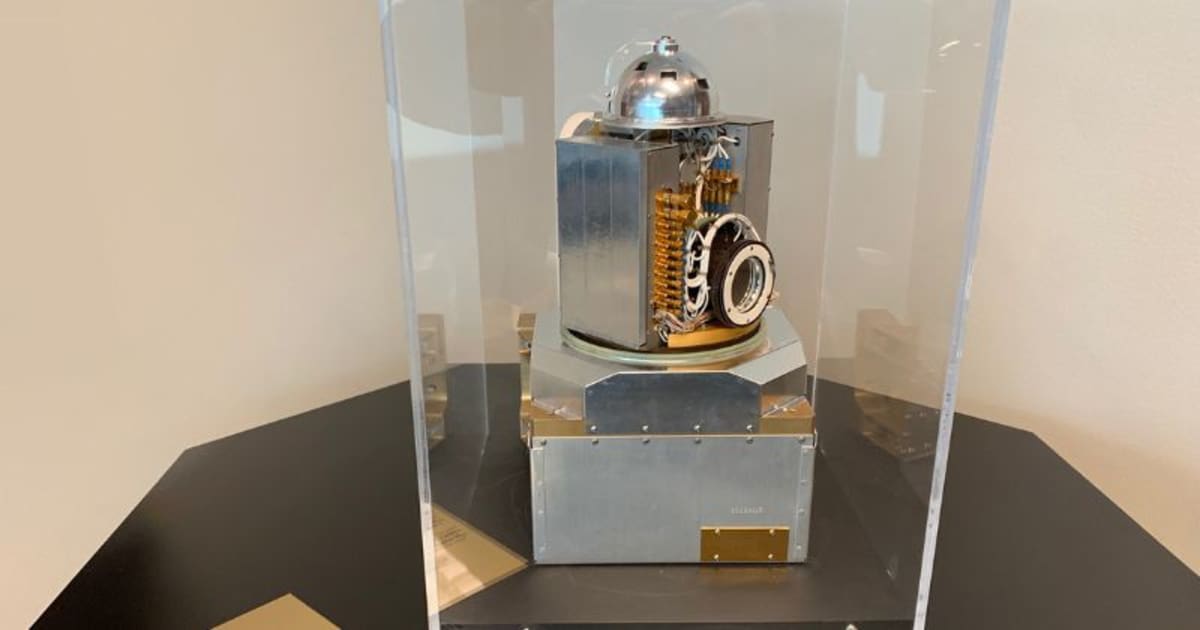
The LECP has been operational since 1977, right from when the Voyager was launched. Its primary function was to measure cosmic rays, electrons, ions, and more such low-energy charged particles from all around our solar system and the Milky Way. Over the years, the LECP has been instrumental in feeding NASA with important data about the structure of the interstellar medium. Additionally, it was also capable of accurately detecting the regions of varying particle density and pressure fronts extending beyond our heliosphere. Thus, despite being in service, the LECP had to take one for the combined interest of humankind to find out more about what lies beyond our starry nights.
More on Starlust
39-year-old mystery about Uranus may have been solved by revisiting Voyager 2 data
ESA confirms solar eclipse-generating Proba-3 satellite is 'alive' after a month of silence