The Geminid meteor shower peaks next week: Here's when and how you can see it
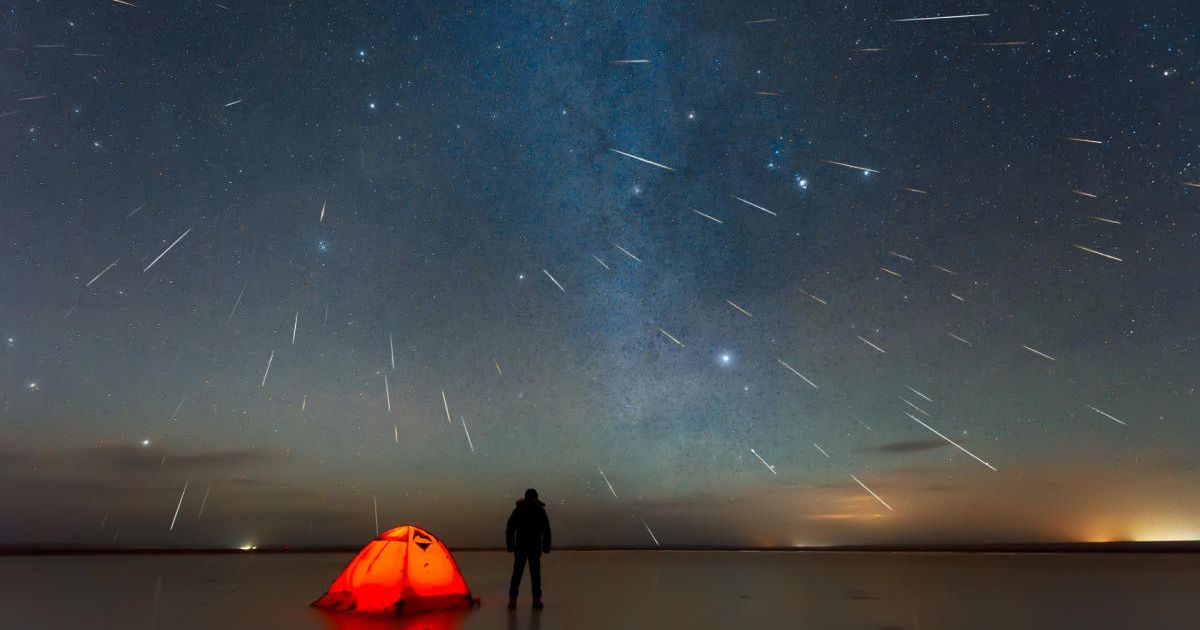
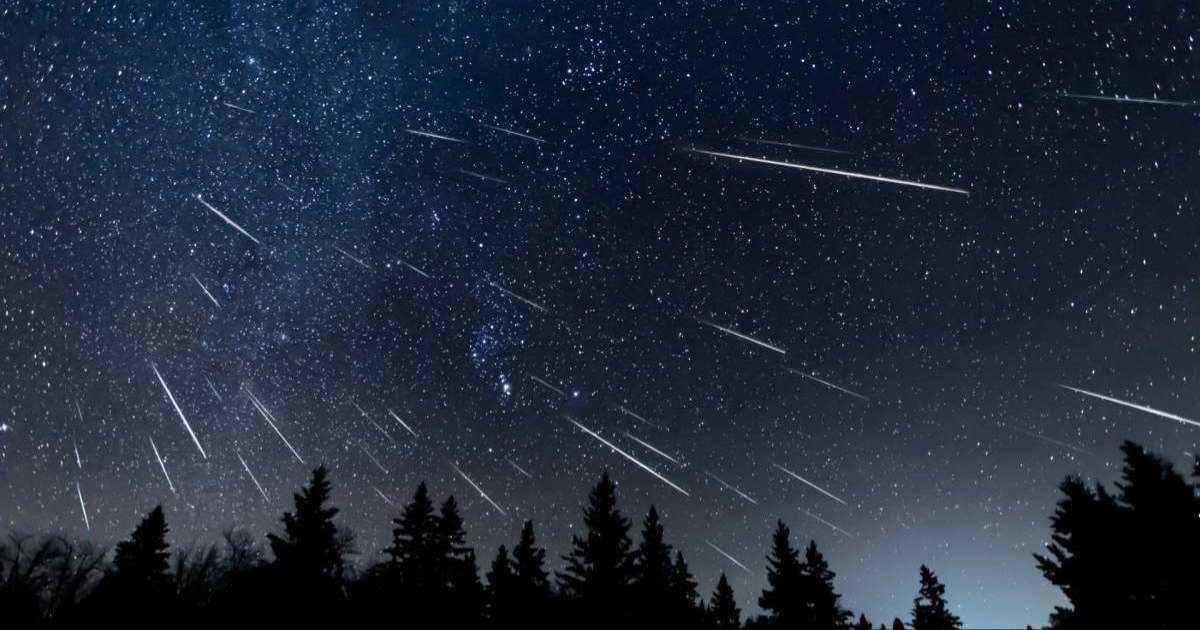
The spectacular Geminid meteor shower is set to unleash its yearly spectacle, with experts saying the phenomenon will be visible next week at its peak. This brilliant show for stargazers on the nights of December 13 and 14 is expected to be the most impressive meteor event of the year, according to NASA. If you are lucky, you may be able to see as many as 120 meteors an hour from a dark site. Keep your eyes on the eastern sky and use Jupiter as a reference, as the meteors will appear near it.
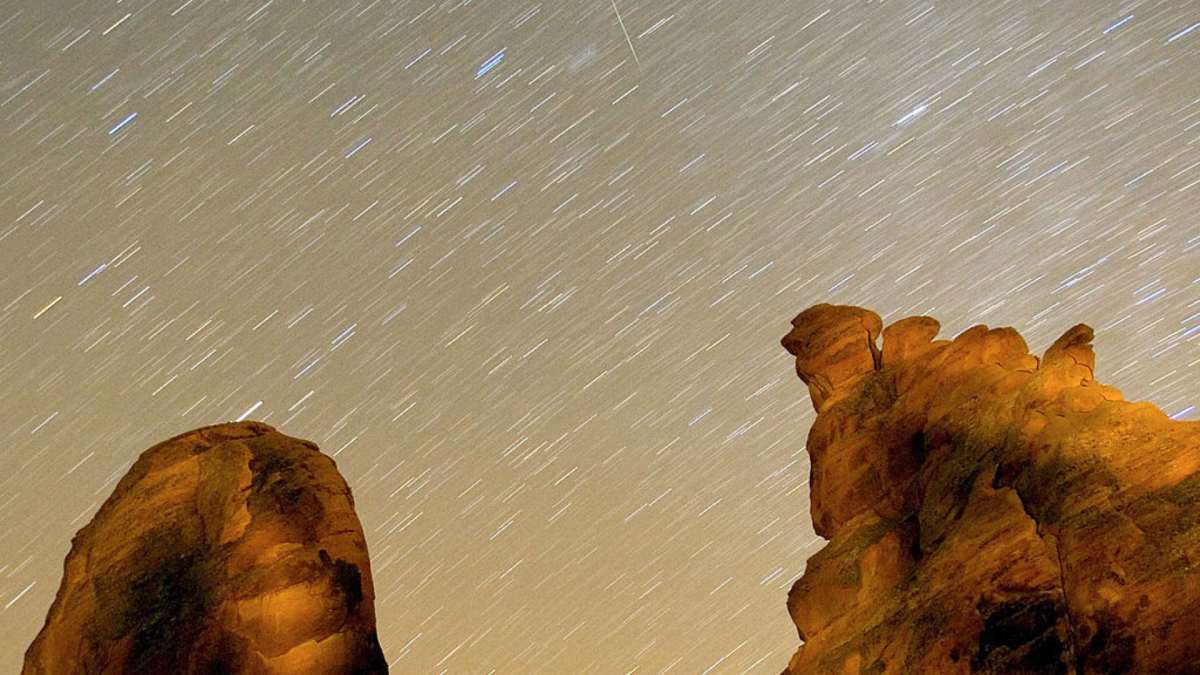
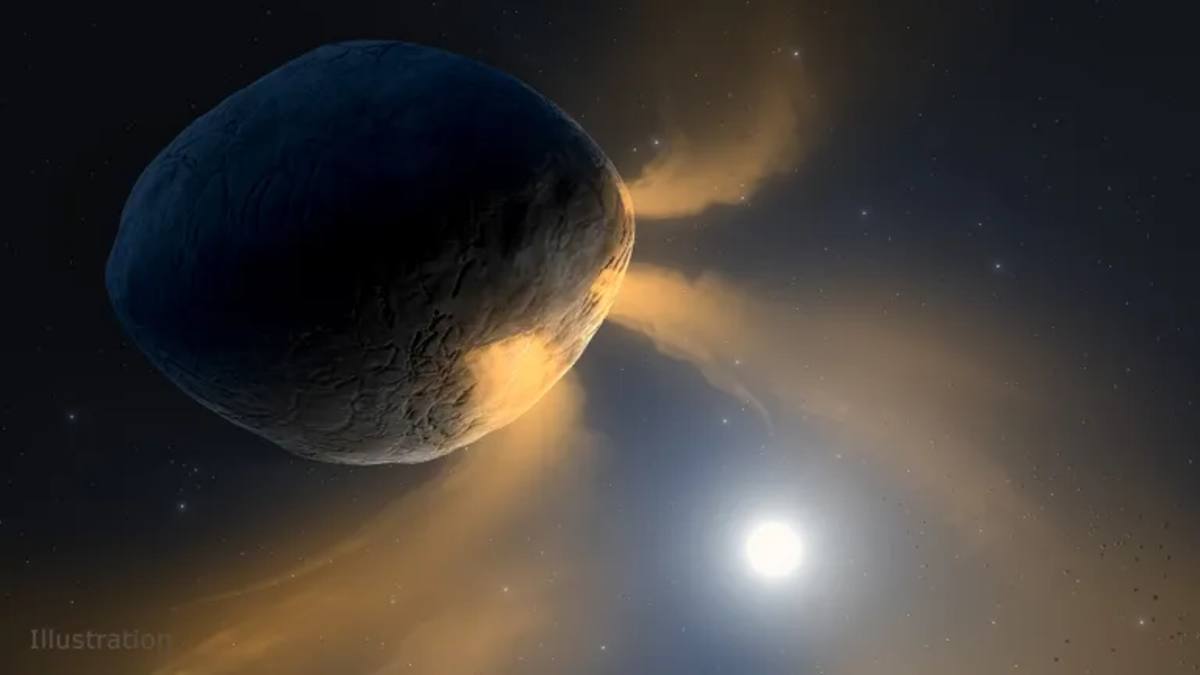
The Geminids originate from the debris left by an asteroid known as 3200 Phaethon. It is a very unusual asteroid with an orbit that swings it extremely close to the Sun—closer than the planet Mercury can approach. Earth crossing this debris trail is what causes the flashes of light we see as meteors, per The Planetary Society.
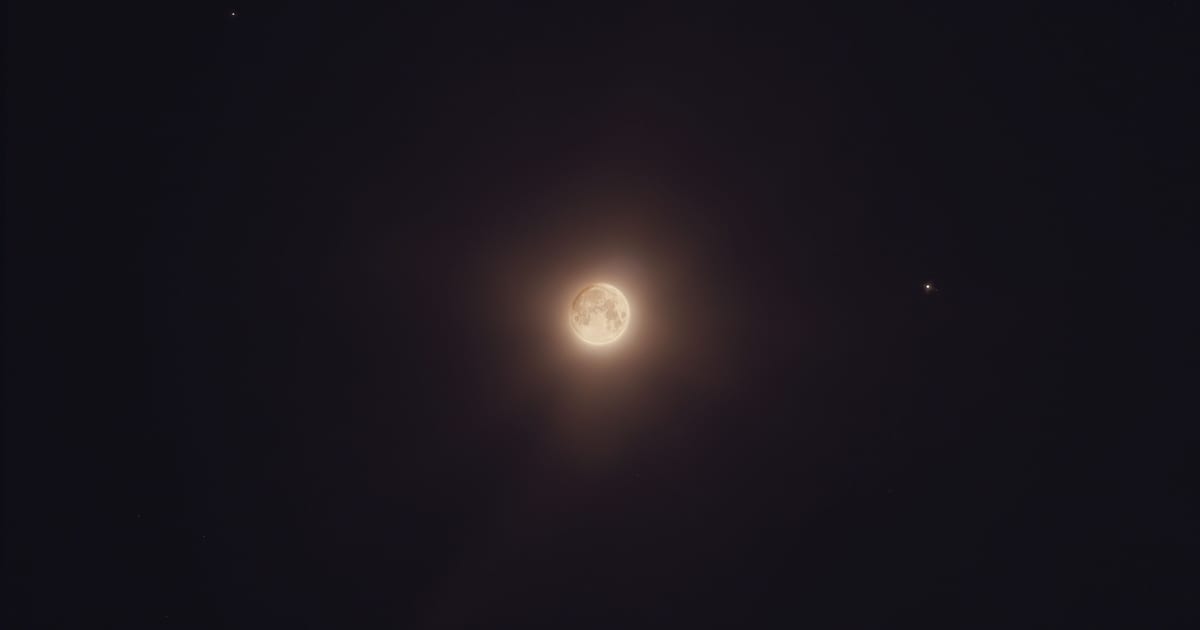
The Geminids should be visible across both the Northern and Southern Hemispheres, although the Northern Hemisphere generally sees a somewhat better view. The single most important factor is how to escape city light pollution. Find the darkest location possible. Once settled, allow your eyes time to adjust to the darkness, a process that can take up to 20 minutes or so. Look toward the overhead sky, but try to avoid staring directly at the Moon to preserve your night vision. The Geminids are one of the few showers that put on a great display before midnight, meaning you don't necessarily need to set that alarm for the pre-dawn hours. Pre-dawn is the best time to watch more meteor showers because that is the time when your side of the Earth is facing forward in its orbit as it moves through the meteor stream.

The shower's radiant point—the spot from which the meteors appear to shoot—is in the constellation Gemini, sitting very near the bright star Castor. For viewers in the mid-northern latitudes, the radiant will be a good 30 degrees above the eastern horizon by 9 p.m., or about "three fist-lengths" up from the horizon, according to Space.com. The radiant will be at its highest point in the sky, thus nearly overhead, at about 2 a.m. This is typically when the shower is at its peak.
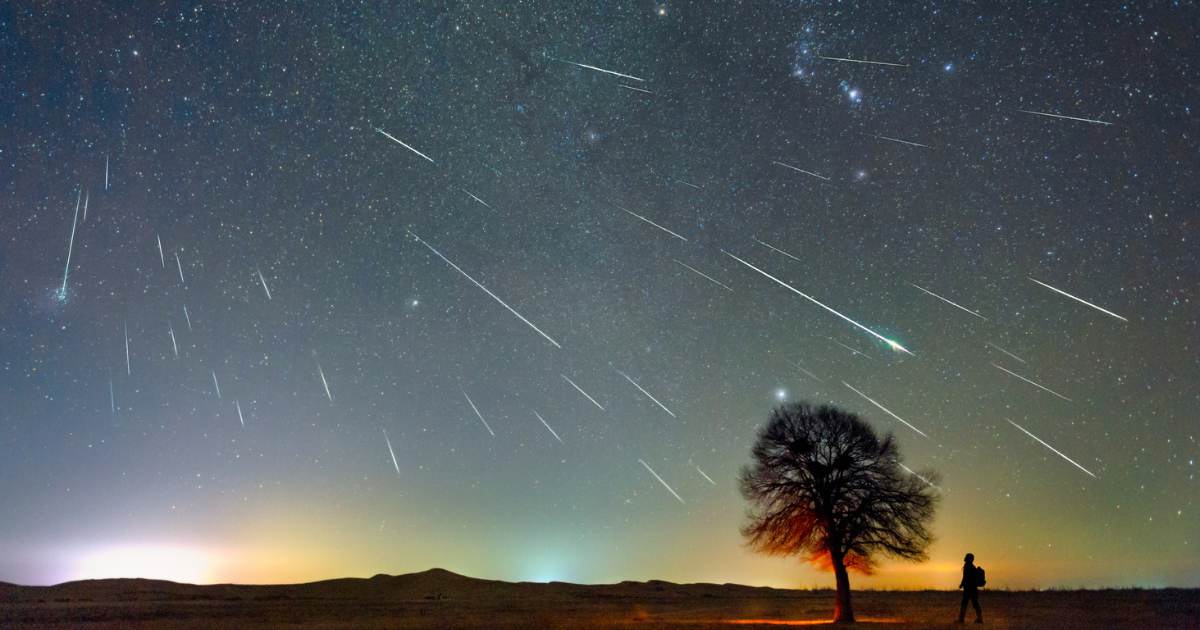
Observers should also note that the Geminid meteors move more slowly than those in other major showers. These fireballs enter Earth's atmosphere at a speed of about 22 miles per second (35 km/s), which is considerably slower compared to the 40+ miles per second speed of the Perseids or Leonids. The relatively slower speed is because of the shower's orbital path, which causes the particles to hit the Earth more "sideways" than head-on. In addition, the Geminid particles are denser, up to four times firmer than typical cometary dust, making them more resistant to burning up quickly and allowing them to create a more graceful, longer-lasting streak across the sky.
More on Starlust
December 2025 skywatching guide: Cold Supermoon, Geminid meteor shower and more
Geminids meteor shower kicks off in just one week: When to watch and what to expect