Meet ‘Rise,’ Artemis II’s zero-gravity indicator inspired by an iconic Apollo moment
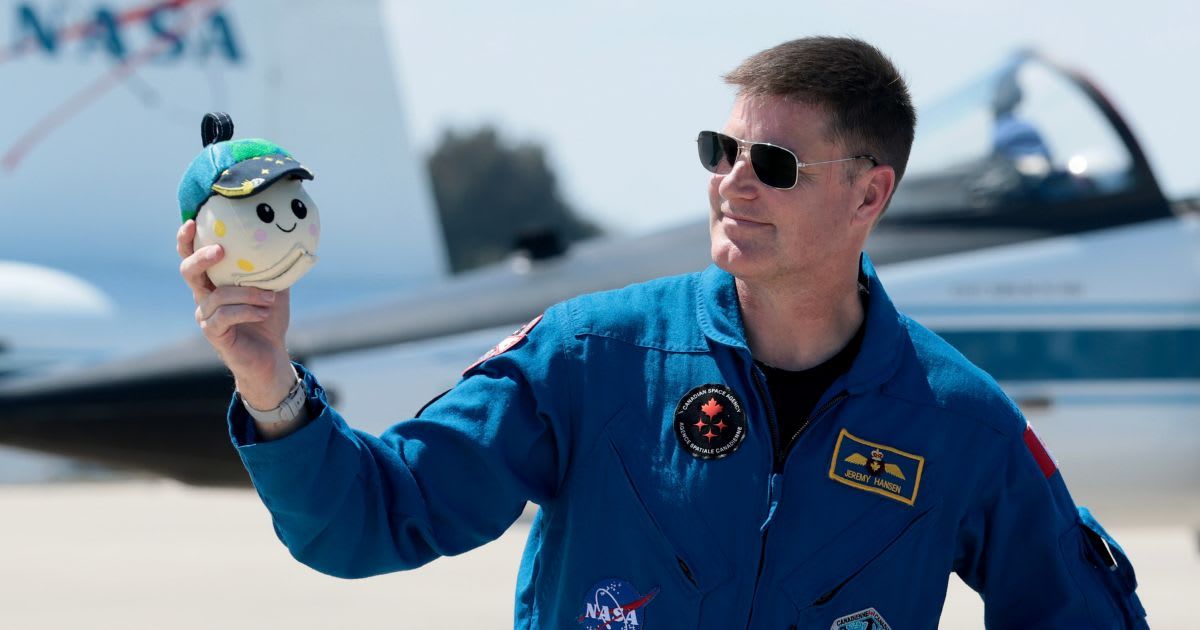
All eyes are on NASA’s historic Artemis II launch with the countdown now ticking past T-2 days. The crew of four astronauts ‘paused’ the pressure around them and lightened things up for a moment. After arriving at the Kennedy Space Center in Florida on Friday, March 27, the team unveiled their mission’s mascot, named “Rise.” The plush toy-like object will join the Artemis II crew on the Orion spacecraft aboard the SLS, which is expected to launch on April 1. Interestingly, it has a deeper connection to the previous era of humans visiting the Moon — the Apollo program.
Introducing the Moon Mascot for the Artemis II mission!
— NASA (@NASA) March 27, 2026
The zero gravity indicator for the Moonbound crew was selected from thousands of submissions from over 50 countries and is named “Rise.” The design was inspired by the iconic Earthrise moment from the Apollo 8 mission. pic.twitter.com/5g2B0I6BDn
Speaking at KSC’s Launch and Landing Facility, the Artemis II crew members announced the winner of the global competition to select the zero-gravity indicator for the mission. The mascot “Rise” was designed by Lucas Ye, a second-grade student from California. Ye’s entry emerged as the winner from over 2,600 student entries across 50 countries, including K–12 participants. According to NASA, the other four finalists were “Big Steps of Little Octopus” (Finland), “Corey the Explorer” (Peru), “Creation Mythos” (USA) and “Lepus the Moon Rabbit” (Canada).
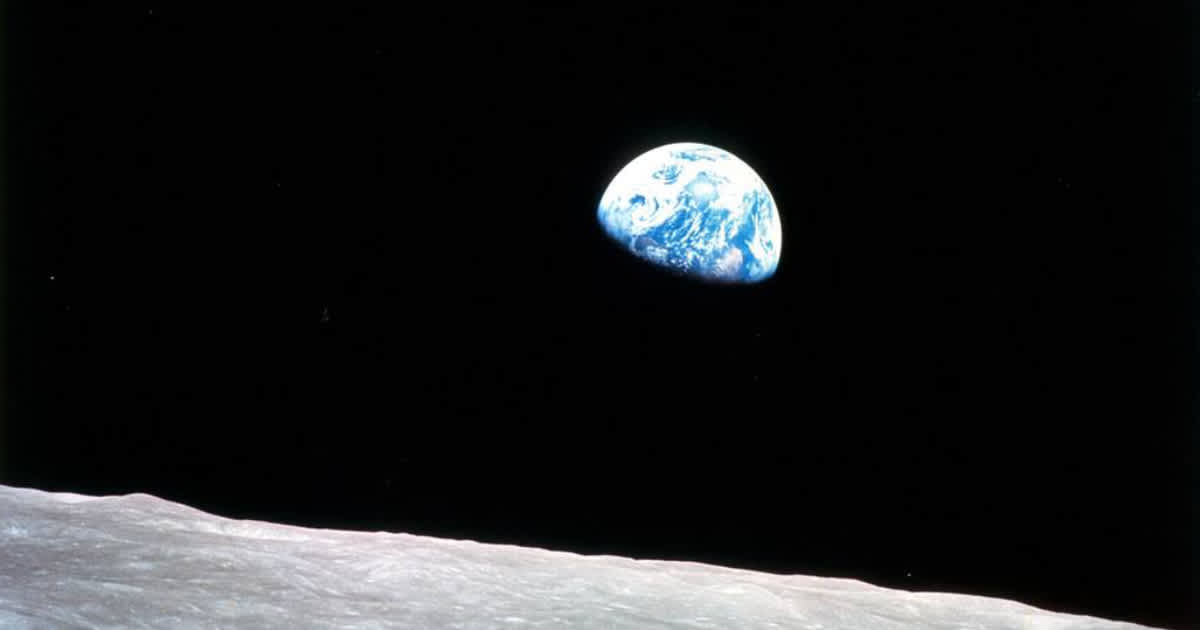
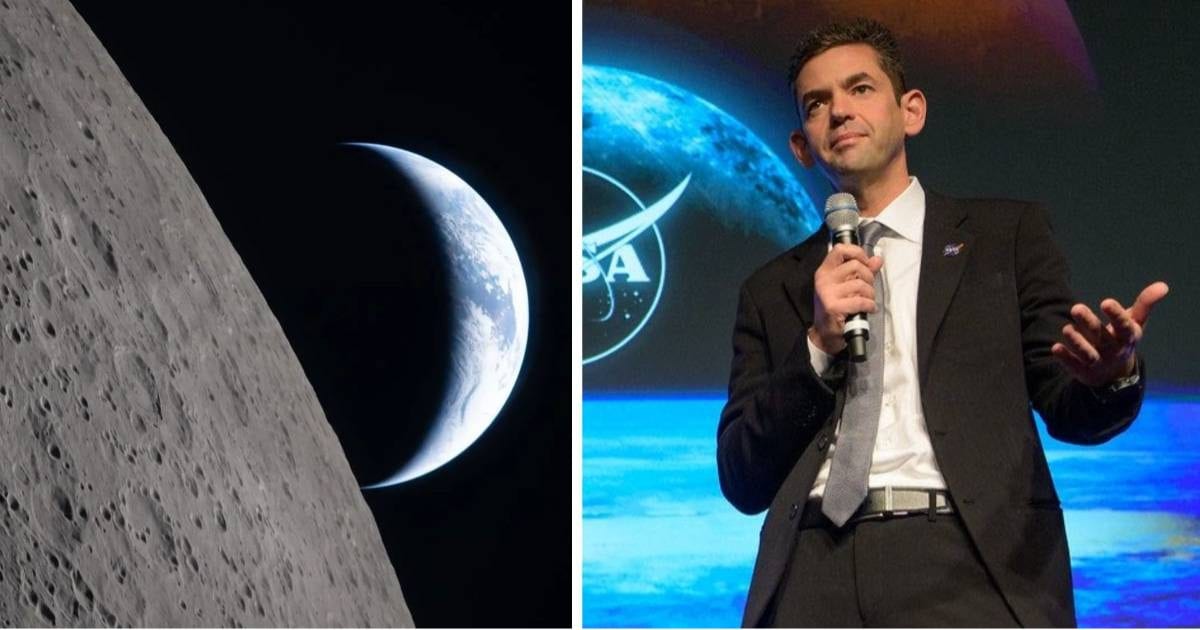
After being launched into space, Rise will signal the astronauts once they reach microgravity. Essentially, the small plush item will float in the absence of typical gravity and work as a simple visual cue that the spacecraft is in orbit. The zero-G indicator’s design and name were inspired by “Earthrise,” one of the most iconic photographs ever taken. More than half a century ago, astronauts aboard the Apollo 8 mission captured this famous image. This was the first time humans orbited the Moon and witnessed Earth rising over the lunar horizon.
Fist bump, Rise!
— Reid Wiseman (@astro_reid) March 29, 2026
Very emotional moment zipping up Rise, knowing we are bringing 5,647,889 names with us on this journey around the Moon. For all!
People from around the world submitted their names through the Send Your Name with Artemis campaign.
These names were downloaded… pic.twitter.com/gKxvrHw7M0
The plush item — shaped like a smiling Moon face wearing the rising Earth like a baseball cap— will also carry a digital payload. An SD card is stored inside “Rise” with over 5.6 million names submitted by people around the world via NASA’s “Send Your Name with Artemis” campaign. Artemis picks up right where Apollo left off, and it’s all the more meaningful that the new mission’s mascot is a callback to NASA’s storied past. Final preparations are underway for the 10-day lunar flyby — a critical test flight for not just upcoming lunar landings but also future crewed missions to Mars.
More on Starlust
Countdown to Artemis II: Here's what will happen in the final hours before this historic launch
Artemis II: All the ways you can keep track of the mission — before, during, and after launch