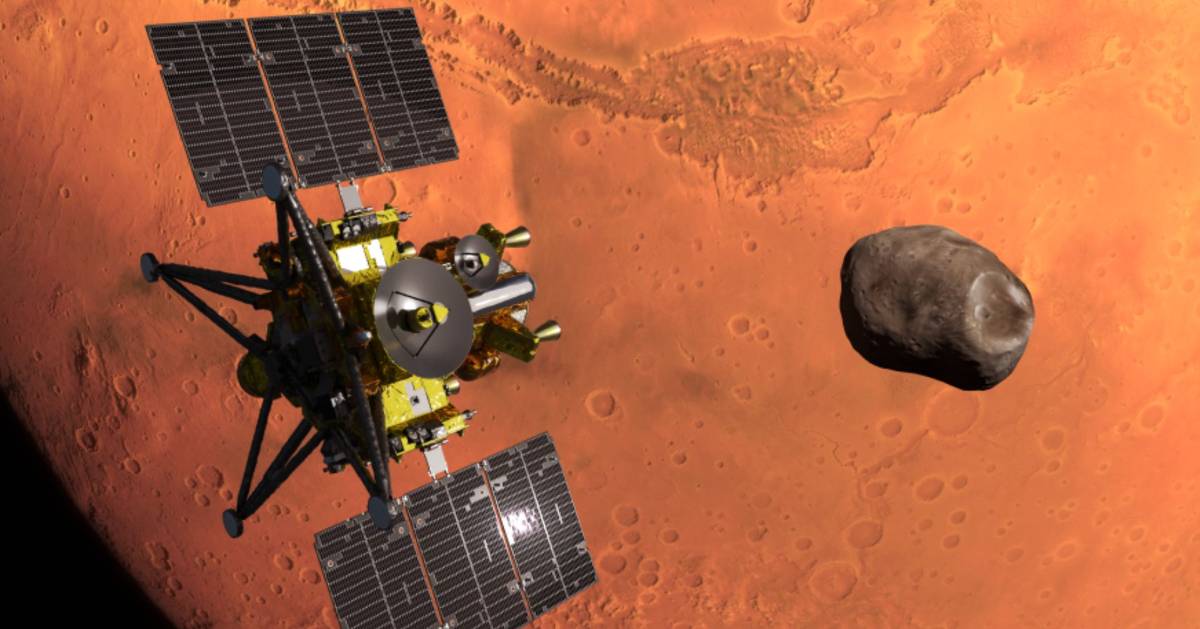
NASA releases much-awaited images of crater carved by Falcon 9 rocket debris on the Moon on August 5
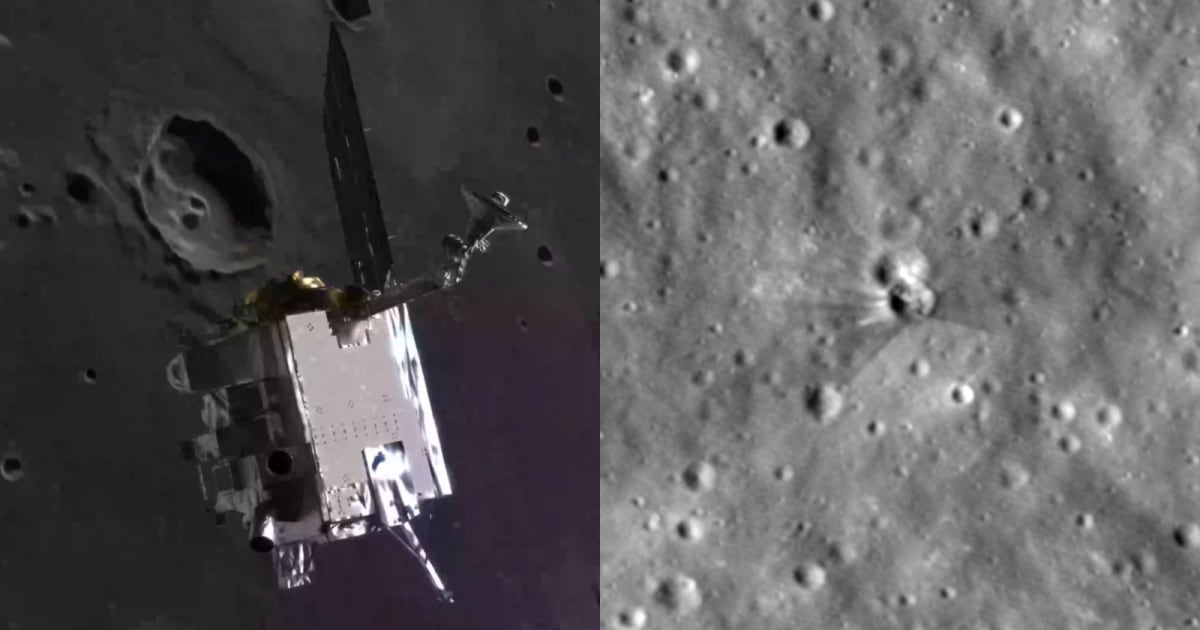
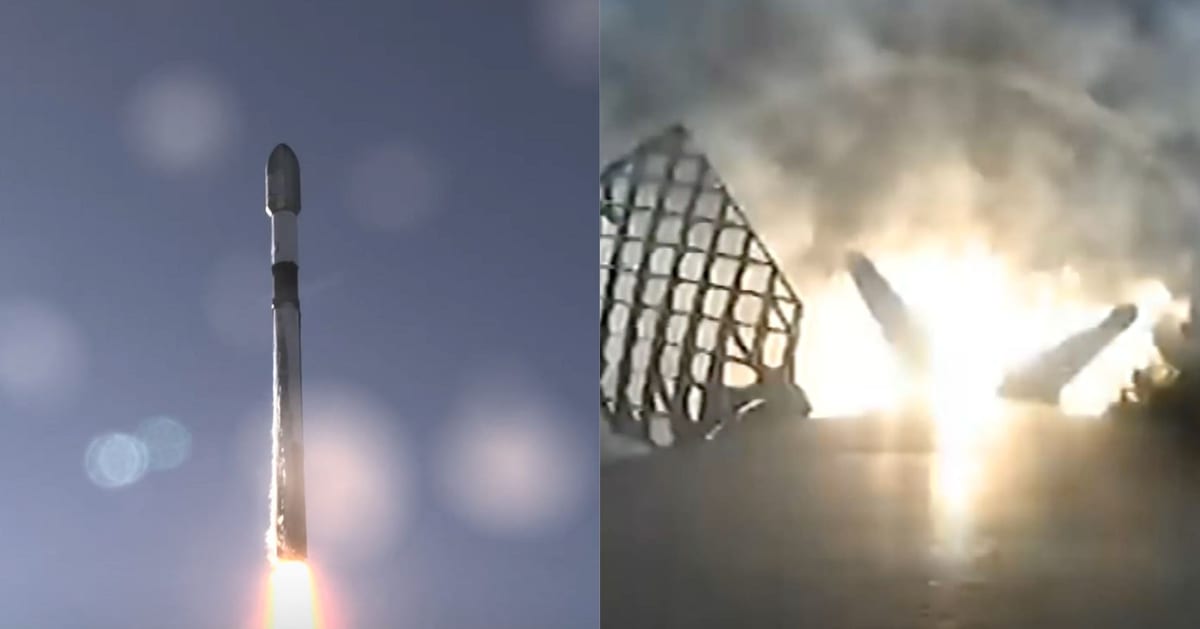
NASA has finally released images of the impact crater on the Moon formed from the collision of a discarded rocket stage launched by SpaceX. The collision took place on August 5, more than a year after the Falcon 9 rocket lifted off with two private Moon landers in January 2025. The pictures shared by NASA were captured on August 11 and 12 by the Lunar Reconnaissance Orbiter (LRO), which flew over the impact site in its polar orbit.
Spotted: Falcon 9 impact site
— NASA Solar System (@NASASolarSystem) August 18, 2026
NASA’s Lunar Reconnaissance Orbiter (LRO) has captured images of a new crater on the Moon. The crater formed on Aug. 5, 2026, when a SpaceX Falcon 9 upper stage impacted the lunar surface. https://t.co/aqduBYwpmg pic.twitter.com/hE83yvzmIk
According to NASA, scientists used the orbiter’s Narrow-Angle Camera to determine that the crater measures about 60 feet wide and less than 10 feet deep. This falls close to the range (66-98 feet) predicted by astronomers in a paper prior to the crash on the Moon’s western limb of the Earth-facing side. The rocket stage reportedly measured nearly 45 feet long and weighed about 8,800 pounds (4,000 kilograms). Since it crashed at nearly 5,400 miles per hour, scientists had also predicted that this would create a huge cloud of dust from the surface. The European Southern Observatory (ESO) had revealed that the ejected plume lasted for 5-10 minutes, and the Very Large Telescope detected sodium and lithium gas in lunar material kicked up by the debris.
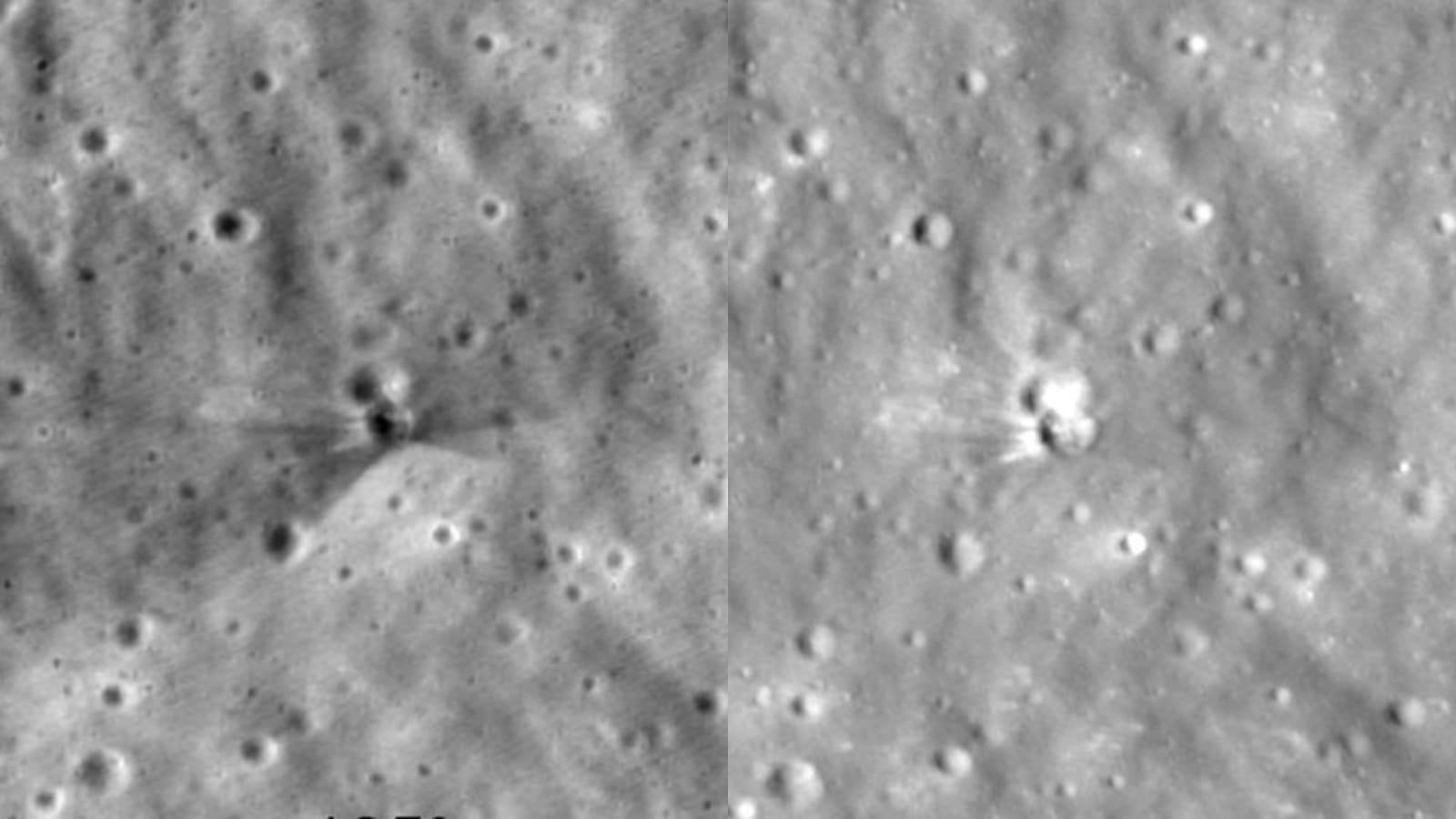
In the images captured by LRO, one can see dark streaks extending out of the crater. NASA says they're made of surface dust and rocks altered over a long time by solar wind, galactic cosmic rays, and micrometeorite impacts. They were excavated by the collision from 1.5 feet below the lunar surface, whereas the brighter streaks in the image are from fresh material dug up from much deeper levels. Since the orbiter circles the Moon from pole to pole and the surface rotates underneath, the changing angles of sunlight allowed LRO to photograph different impact site features under changing lighting conditions.
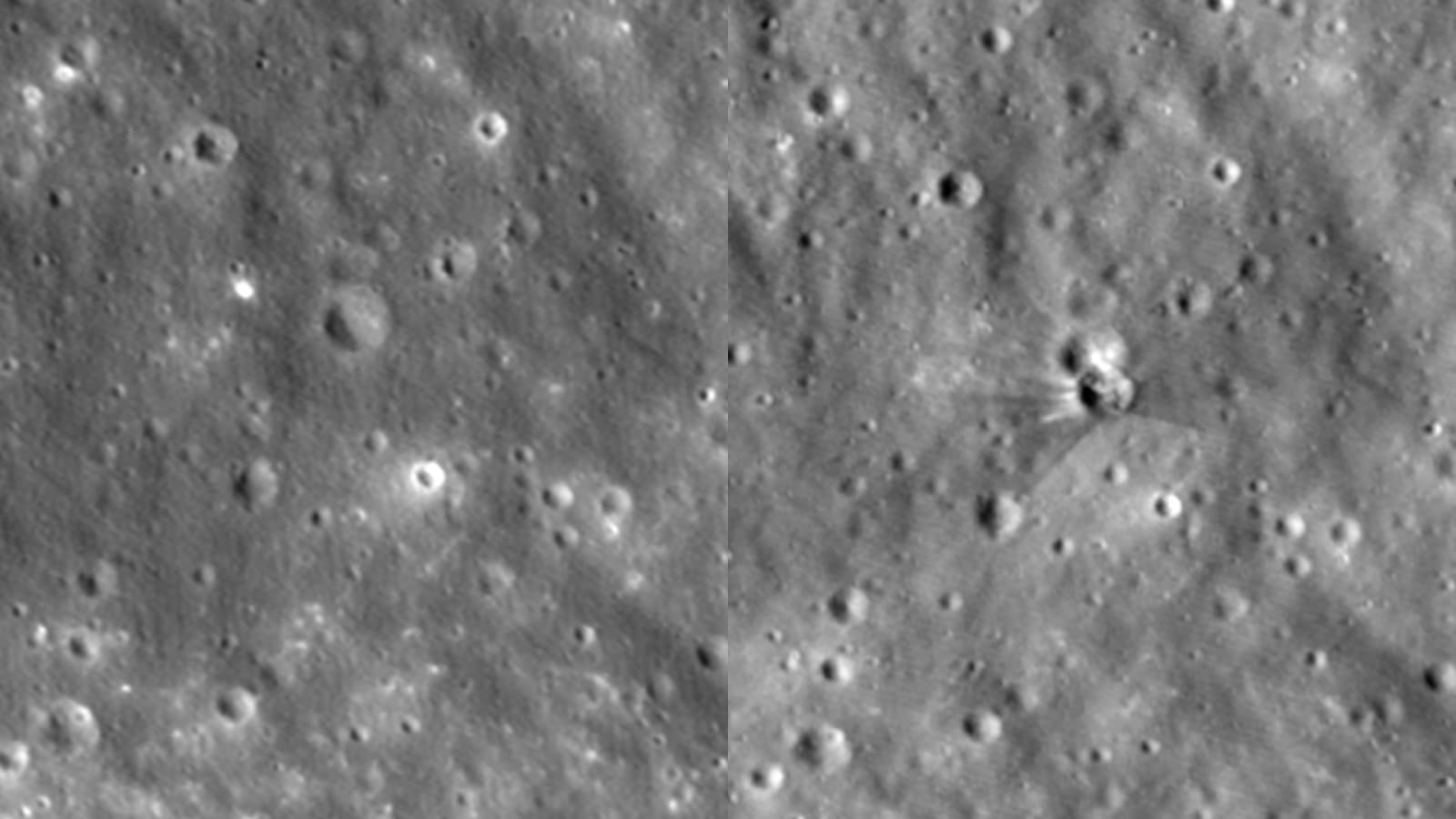
Photographing the crater with high precision was a challenge in itself due to the constant movement of the orbiter and the lunar surface beneath it. The LRO orbits the Moon at one mile per second at an altitude of about 60 miles, so the timing had to be precise to photograph the crater as it came into view. If the camera took a picture 10 seconds too early or too late, the crater would have been 10 miles off-center—and this made engineers wait for six days for the perfect moment.
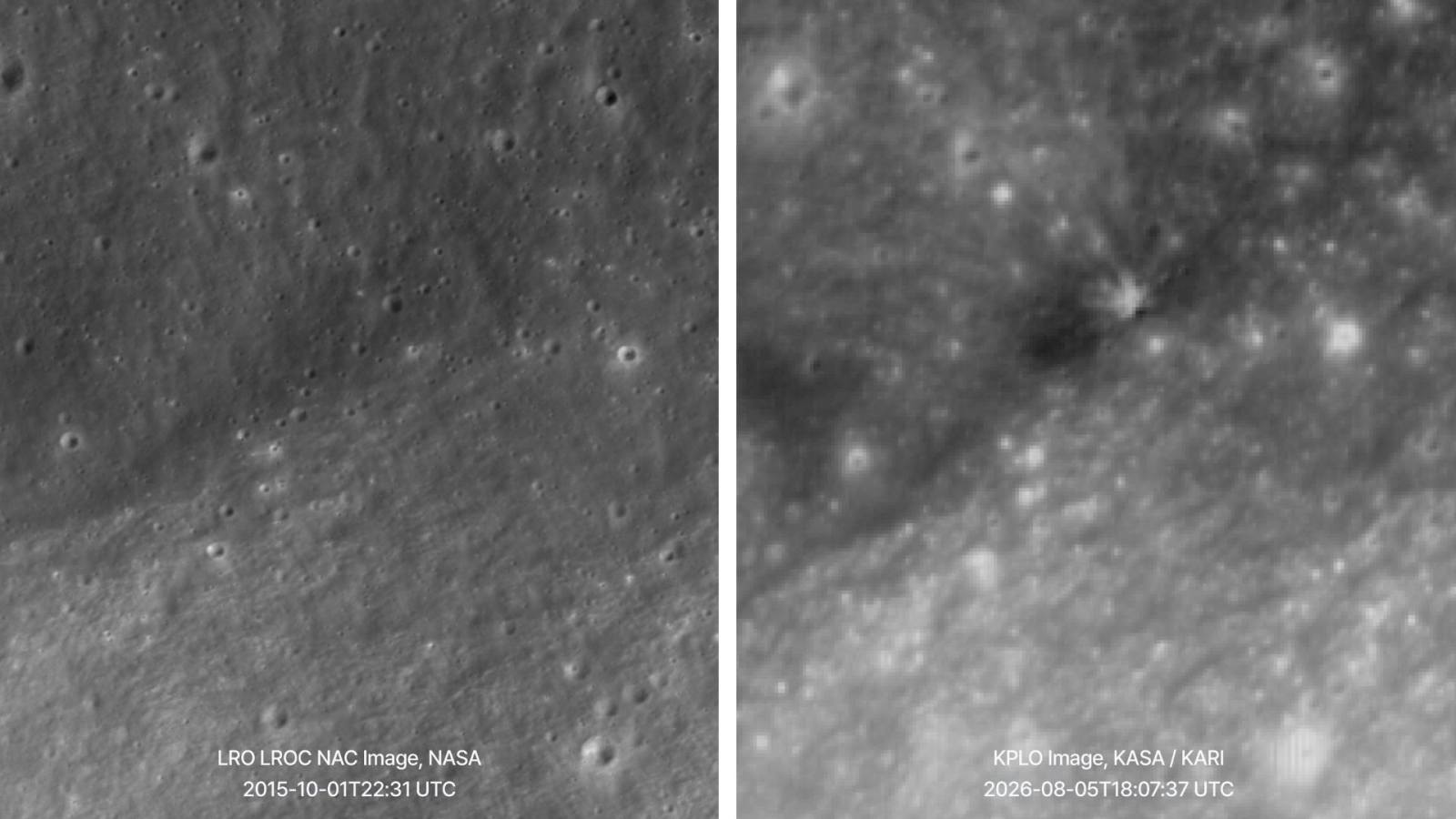
Prior to LRO, South Korea’s Danuri orbiter had captured before-and-after photos of the impact site—which was identified by NASA’s Center for Near Earth Object Studies (CNEOS). The prediction about the impact location by the CNEOS, which tracks objects hazardous to Earth, was accurate to about 0.6 miles. After completing their imaging session, the Danuri team sent coordinates to NASA’s LRO team for their follow-up imaging sequence.
More on Starlust:
Robot dogs on the Moon? China could use them to build and guard permanent lunar bases, says report