Spacecraft's electrical discharges threaten safety of crucial space equipment. Study finds solution
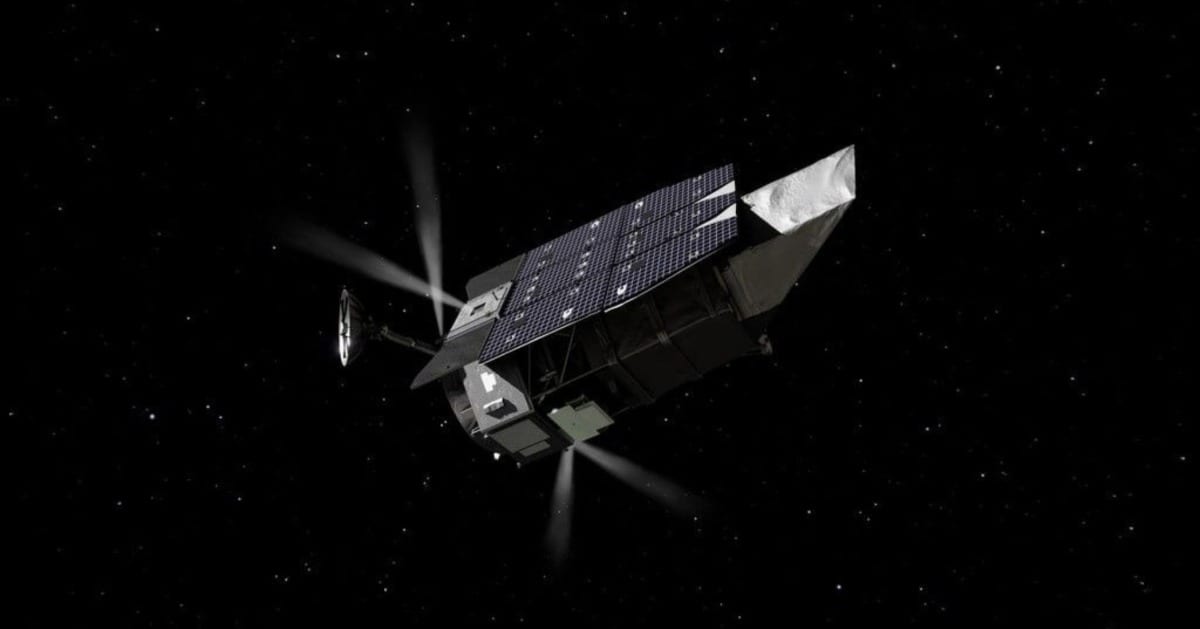
Satellites being sent to space underwent intense tests to be durable in the environment and to maintain themselves. Researchers have recently established a direct correlation between a spacecraft's electrical discharges to the number of electrons in its surrounding space environment. As published in the journal Advances in Space Research, this data can help scientists devise better ways to protect the crafts sent to space. These discharges, known as 'spacecraft environment discharges,' are short "electrical breakdowns" that can cause great harm to sensitive equipment onboard these missions — especially the communication systems.

A difference in surface charging takes place when a spacecraft accumulates electrons on its surface while in orbit. When the built-up energy reaches a high voltage, it has to be released, causing the aforementioned electrical discharges or SEDs. “We’ve long known that these SEDs exist,” stated Amitabh Nag, a scientist and lead author of the study, as per Los Alamos National Laboratory, “But we haven’t understood the relationship between the electrons in the space environment and SEDs." This could only be done by attaching two sensors to a single spacecraft. One will observe the number and activity of electrons, while the other keeps track of the radio frequency signal.

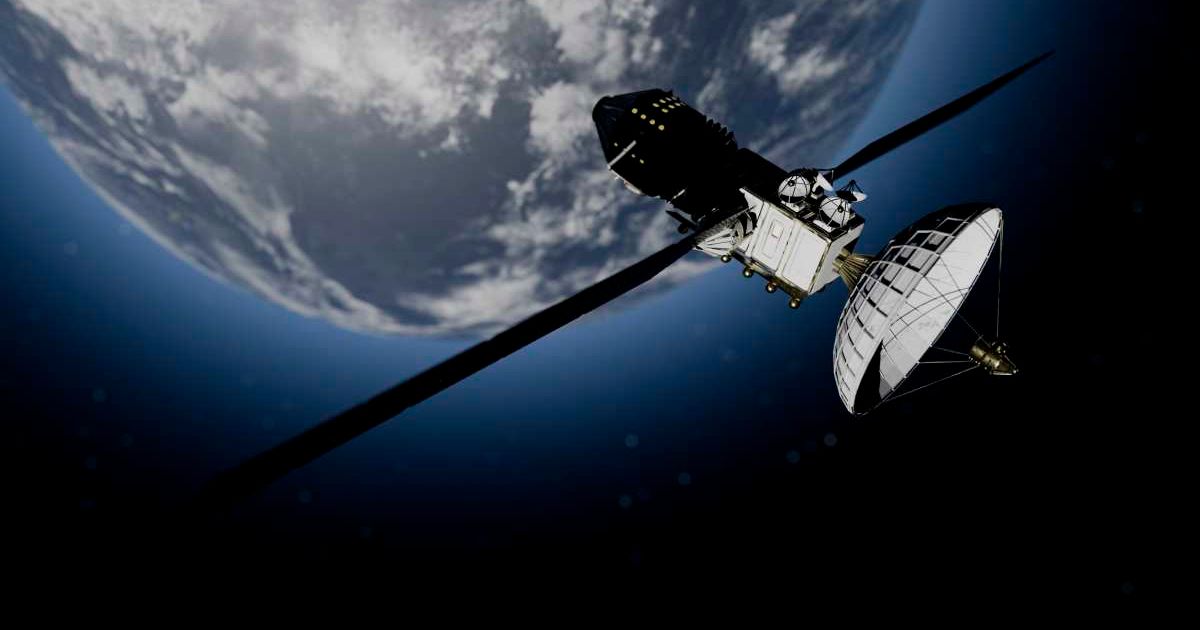
The researchers found their opportunity with the Department of Defense satellite in geostationary orbit, STP-Sat6. This craft had both the sensors for radio frequency and electron activity observation on board. “We were able to see the rate of SEDs reported by the radio frequency sensor and compare it to the activity of electron particles within a certain voltage range,” Nag said, as they compared the data to discern the correlation.

“What we learned was that the peaks in SEDs correlated to peaks in electron activity,” they added. To analyze this correlation, Nag and the Los Alamos team analyzed over a year’s data from the two sensors, going on to identify over 270 high-rate SED periods. These events were complemented by the presence of several hundred episodes of high electron activity. Peaks in the electron activity occurred around 24 to 45 minutes before the SED events in around three-fourths of the cases.

This delay indicated that the buildup of charge from low-energy electrons played a significant role in preparing the spacecraft for electrostatic discharges. “We observed that as electron activity increases, especially in that 7.9 to 12.2 keV range, the spacecraft starts to accumulate charge. This continues until a tipping point is reached and SEDs occur,” Nag said. This discovery has the potential to foster forecasting tools for spacecraft to reduce risks. Real-time monitoring of low-energy electrons in spacecraft can predict and respond to charging events in future missions.

This integration can only be made possible with the knowledge of the processes in space. This study was a step in the direction of understanding the vulnerabilities of spacecraft from being in space. Astronomers and the scientific community can plan ahead to tackle these issues, which can better reform space observations and save lives. Satellites can be made more durable with this data. With space missions at the forefront of our modern-day advancement, these findings have caused quite a stir in the space community.
More on Starlust
How NASA literally saved mission by repairing overheated camera 370-million-miles away near Jupiter
NASA's Mars Sample Return mission could be saved by new Lockheed Martin proposal