How NASA literally saved mission by repairing overheated camera 370-million-miles away near Jupiter
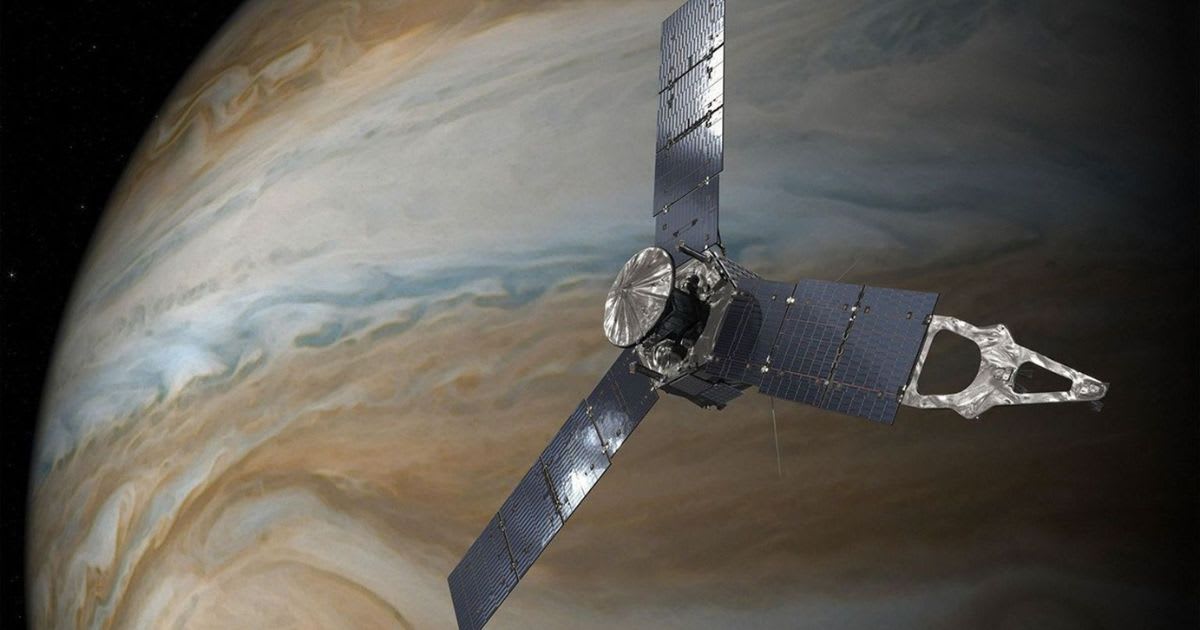
In a striking feat of deep-space engineering, NASA has successfully restored a vital camera aboard its Juno spacecraft, currently orbiting Jupiter. The innovative repair, conducted from 370 million miles away, offers critical insights into maintaining operational integrity for spacecraft operating in extreme radiation environments, as mentioned on NASA.
How to fix a camera from 370 million miles away. 📸📡
— NASA Solar System (@NASASolarSystem) July 21, 2025
An experimental technique rescued a camera aboard our #JunoMission spacecraft, offering lessons that will benefit other systems dealing with high radiation in space. Details: https://t.co/GWfKenFwOk pic.twitter.com/IwjP9l8w7t
The JunoCam imager, a key instrument for capturing visual data of Jupiter and its moons, began experiencing severe degradation in late 2023 due to the intense radiation belts surrounding the gas giant. Despite its robust design, the camera, located outside Juno's protective radiation vault, started showing corrupted images by its 56th orbit, following 34 orbits of normal operation.
Mission engineers pinpointed the likely culprit as a damaged voltage regulator essential to JunoCam's power supply. With limited remote repair options, the team opted for an experimental annealing process. This technique involves heating the affected component to a specific temperature and then allowing it to cool slowly, aiming to repair microscopic defects within the material. Initially, a conservative heating approach to 77 degrees Fahrenheit yielded positive but temporary results. Images improved, but as Juno plunged deeper into Jupiter's radiation fields, the problem resurfaced by its 55th orbit, with subsequent images heavily streaked and noisy.
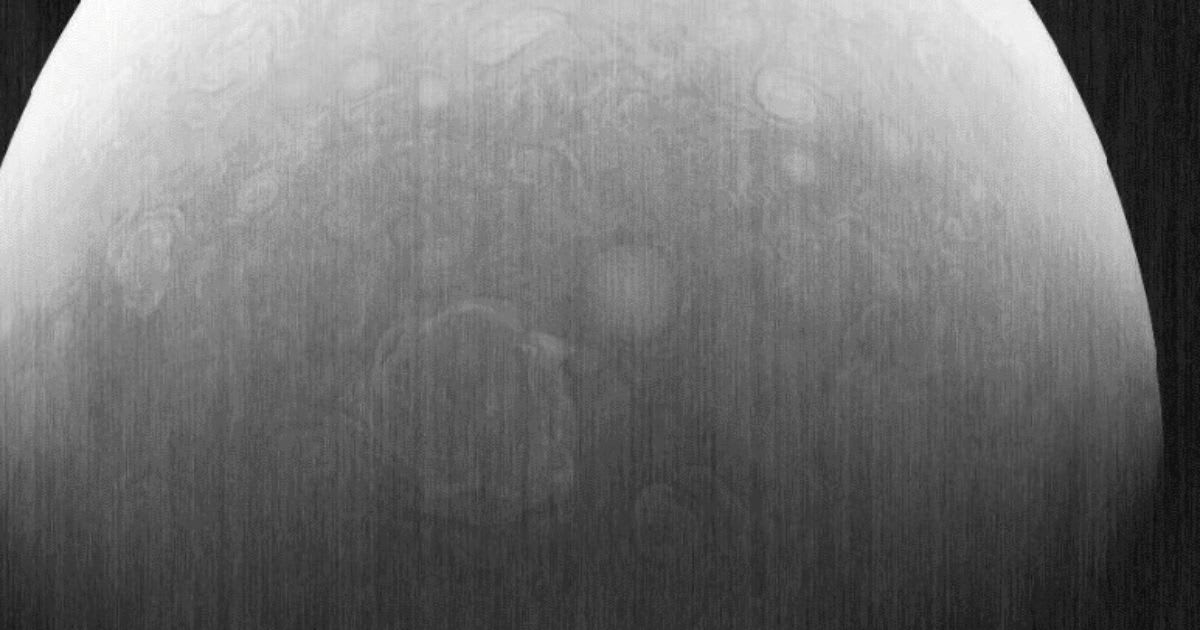
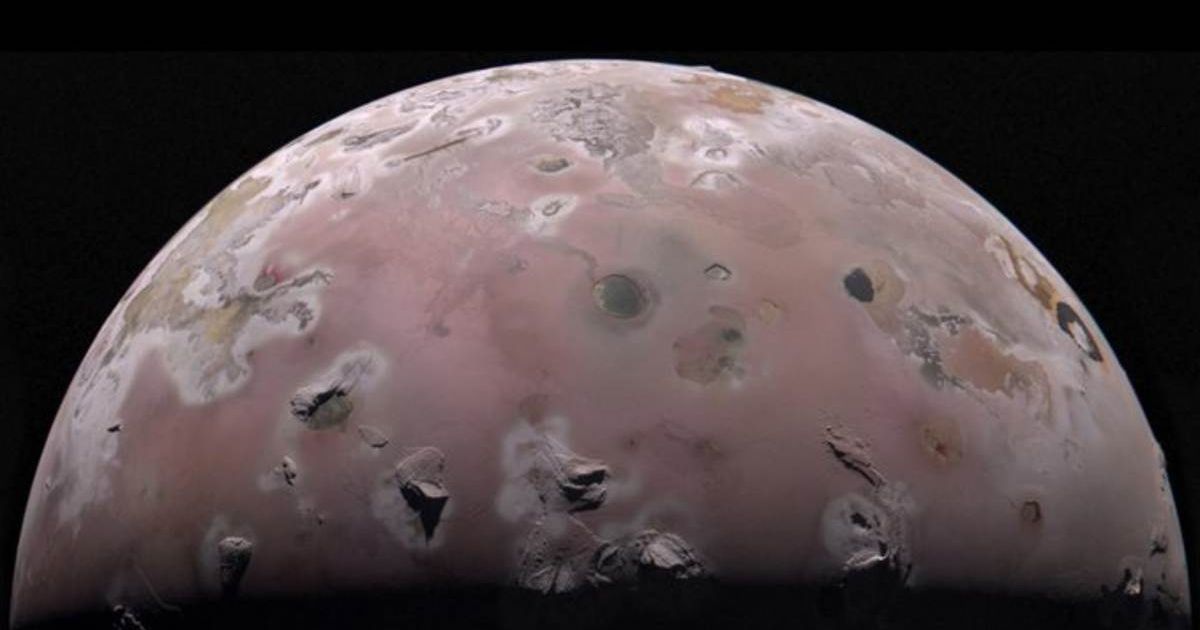
Facing a critical close encounter with the Jovian moon Io, the team initiated a more aggressive annealing strategy, raising JunoCam's temperature significantly. After an initial period of little improvement, the images dramatically sharpened just days before the December 30, 2023, flyby. The revitalized camera successfully captured highly detailed views of Io's north polar region, revealing previously unobserved geological features, including sulfur dioxide-frosted mountain blocks and extensive lava fields. This breakthrough demonstration of remote repair in a high-radiation environment provides invaluable data for future space missions. The annealing technique has since been applied to other instruments and subsystems on Juno, extending their operational lifespan.
“Juno is teaching us how to create and maintain spacecraft tolerant to radiation, providing insights that will benefit satellites in orbit around Earth,” stated Scott Bolton, Juno’s principal investigator from the Southwest Research Institute in San Antonio. “I expect the lessons learned from Juno will be applicable to both defense and commercial satellites as well as other NASA missions.”
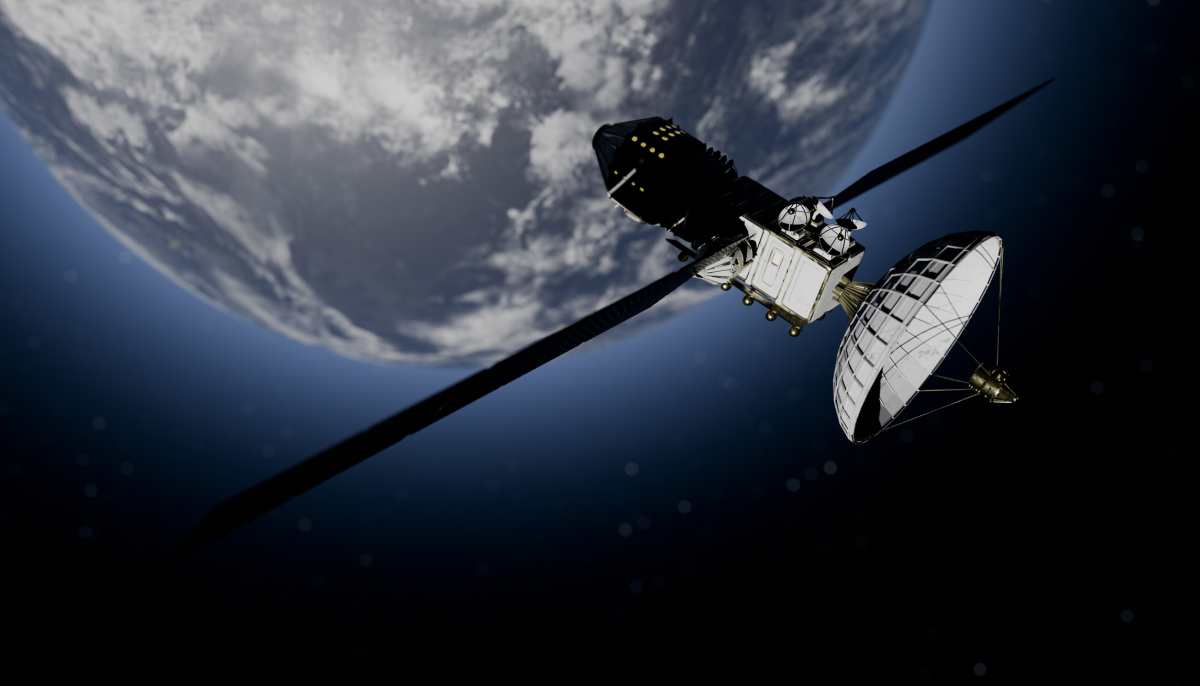
Since it arrived at Jupiter in 2016, following a grueling five-year, 1.7 billion-mile journey from Earth, the Juno spacecraft has been uniquely positioned to probe beneath the giant planet's dense, swirling clouds, according to NASA. As the first orbiter to get such an intimate view, Juno's mission is to unlock the mysteries surrounding the origin and evolution of Jupiter, our solar system, and massive planets throughout the cosmos.
Juno has not only endured some of the most punishing radiation outside the Sun but has also delivered breathtaking images and groundbreaking discoveries from Jupiter and its diverse moons. From its very first 53-day orbit, stretching from Jupiter's cloud tops to the frontiers of its magnetic field, Juno has revolutionized our understanding of the gas giant. The spacecraft has uncovered previously unseen networks of vast storms swirling around Jupiter's poles and provided answers to a decades-old question about the planet's winds extending hundreds of miles into its interior. Its high-resolution imagery has also captured active volcanoes and lakes of lava on the tempestuous moon Io.