NASA’s Mike Fincke passes ISS command to Sergey Kud-Sverchkov ahead of Crew-11 departure

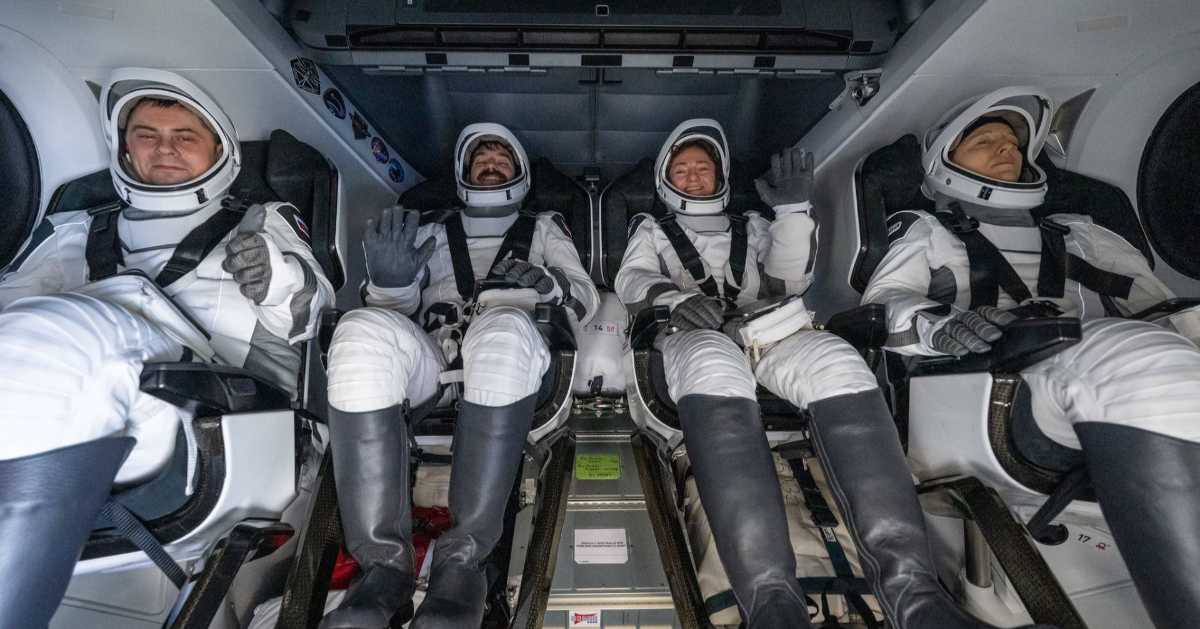
Roscosmos cosmonaut Sergey Kud-Sverchkov took over control of the International Space Station from NASA astronaut Mike Fincke at 2:35 p.m. EST on January 12, according to NASA. Because of a medical concern with one of the SpaceX Crew-11 members, Fincke will leave the station earlier than planned with NASA's Zena Cardman, JAXA's Kimiya Yui, and Roscosmos' Oleg Platonov onboard the SpaceX Dragon crew spacecraft.
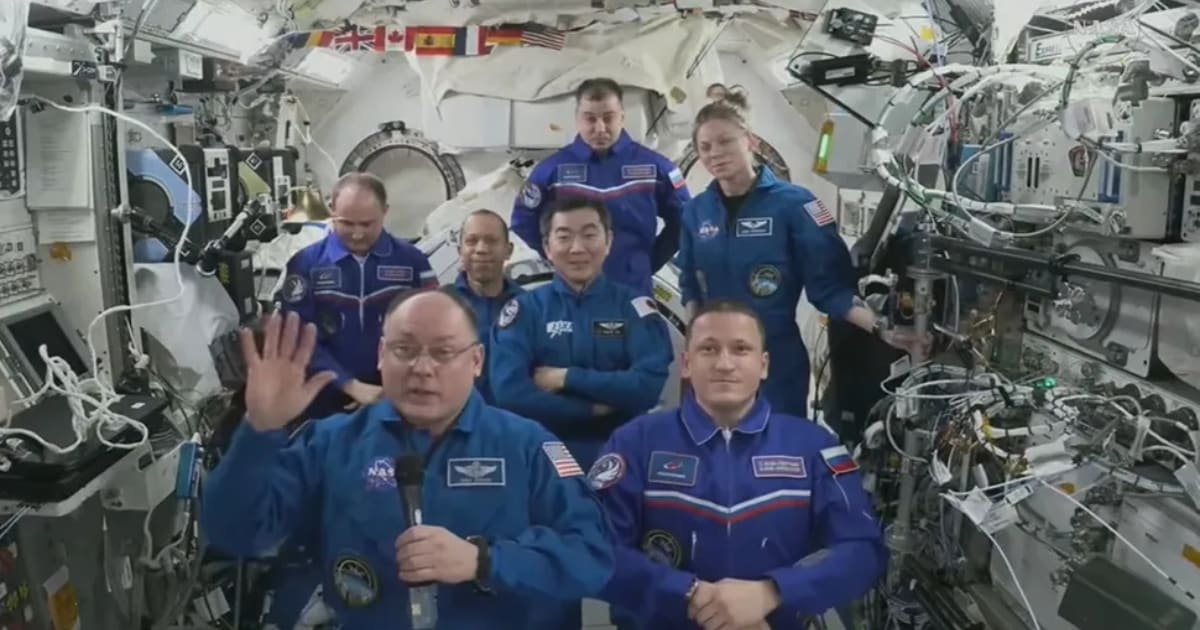
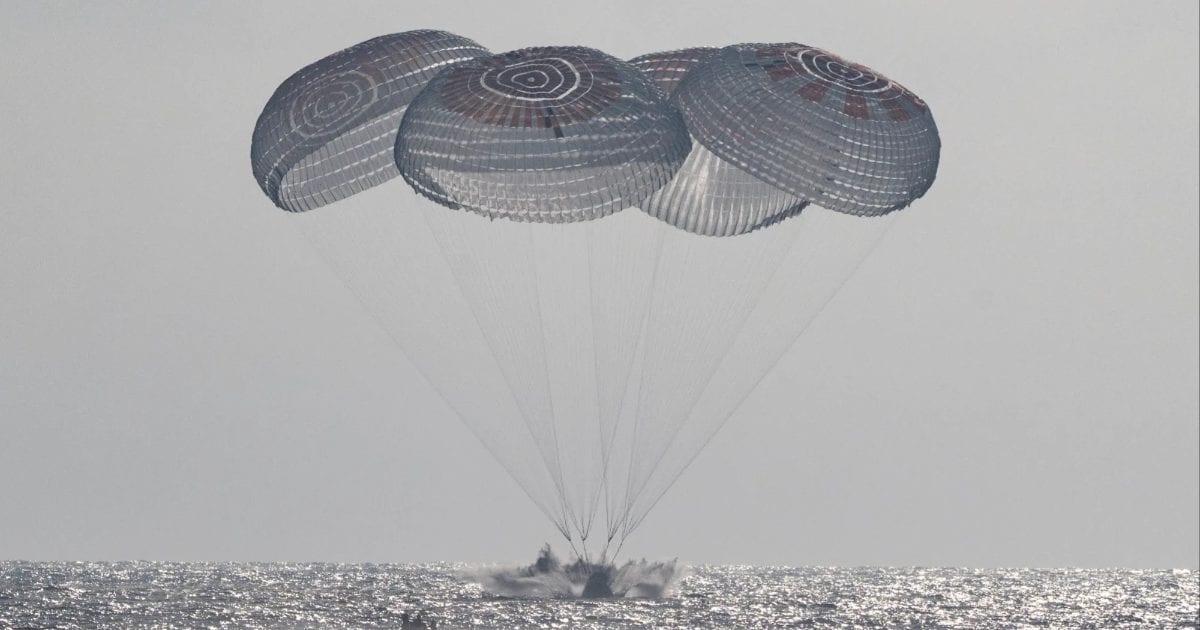
The Harmony module's space-facing port is where NASA's SpaceX Crew-11 mission is scheduled to undock from on Wednesday, January 14, at 5:05 p.m. EST. Less than twelve hours later, on Thursday, January 15, at roughly 3:40 a.m., Crew-11 will finish a parachute-assisted landing inside Dragon to a splashdown off the coast of California. Dragon and the crew will be picked up from the Pacific Ocean by NASA and SpaceX support staff, who will then bring them back to California before the crew members return to their home agencies.

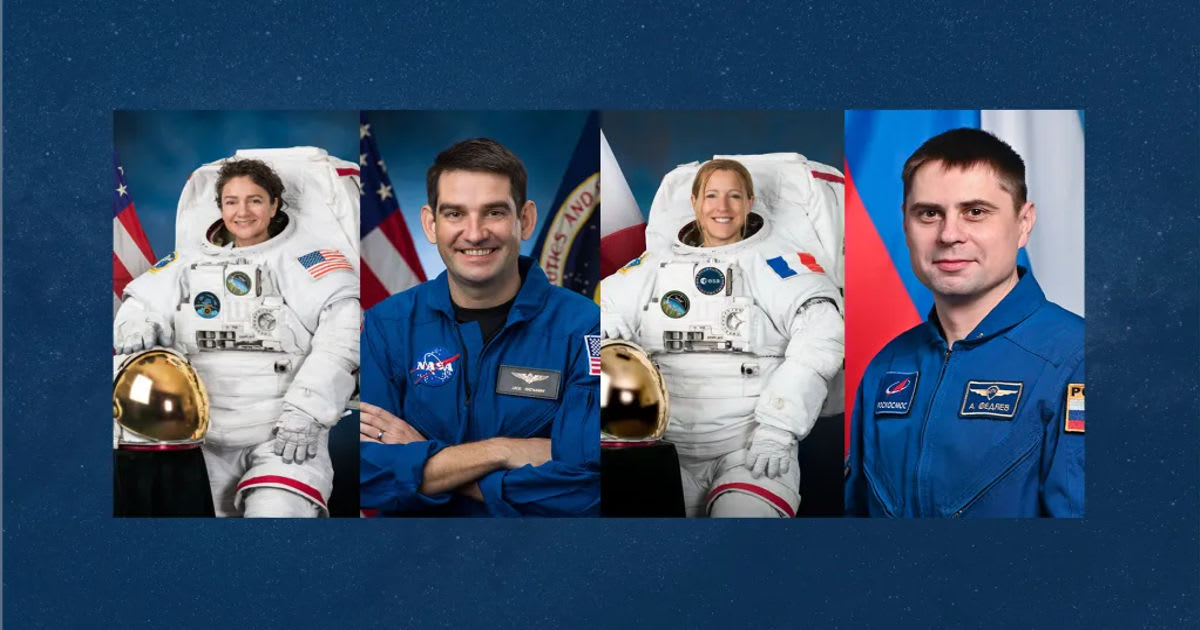
Fincke spent Monday packing equipment and personal belongings inside Dragon with the help of his three crew members, who were homebound. The four of them collected computer tablets from inside Dragon at the end of Monday's shift and went over the procedures they would follow when leaving the station and reentering Earth's atmosphere. Kud-Sverchkov, along with NASA's Chris Williams and Roscosmos' Sergey Mikaev, will wait for NASA's SpaceX Crew-12 members Jessica Meir and Jack Hathaway, as well as Sophie Adenot from ESA (European Space Agency) and Andrey Fedyaev from Roscosmos, to arrive at the orbital outpost. In February, Crew-12 will launch to the space station to begin a nine-month space research mission with Expedition 74.
On Monday, there was still time for science as Cardman measured Williams' blood pressure and used the Ultrasound 2 equipment to scan his arteries. Williams then helped Cardman look into medical imaging equipment so that medical professionals could examine her retina, cornea, and lens in microgravity. Williams then collaborated with Yui to treat microbe samples in the Life Science Glovebox of the Kibo laboratory module, investigating the use of UV radiation to sanitize spacecraft surfaces. Meanwhile, Kud-Sverchkov and Mikaev, the cosmonauts, concentrated on maintenance. They serviced the ventilation and electronic systems and then inventoried the gear in the Roscosmos part of the station. Platonov helped the two as he himself prepared for his departure.
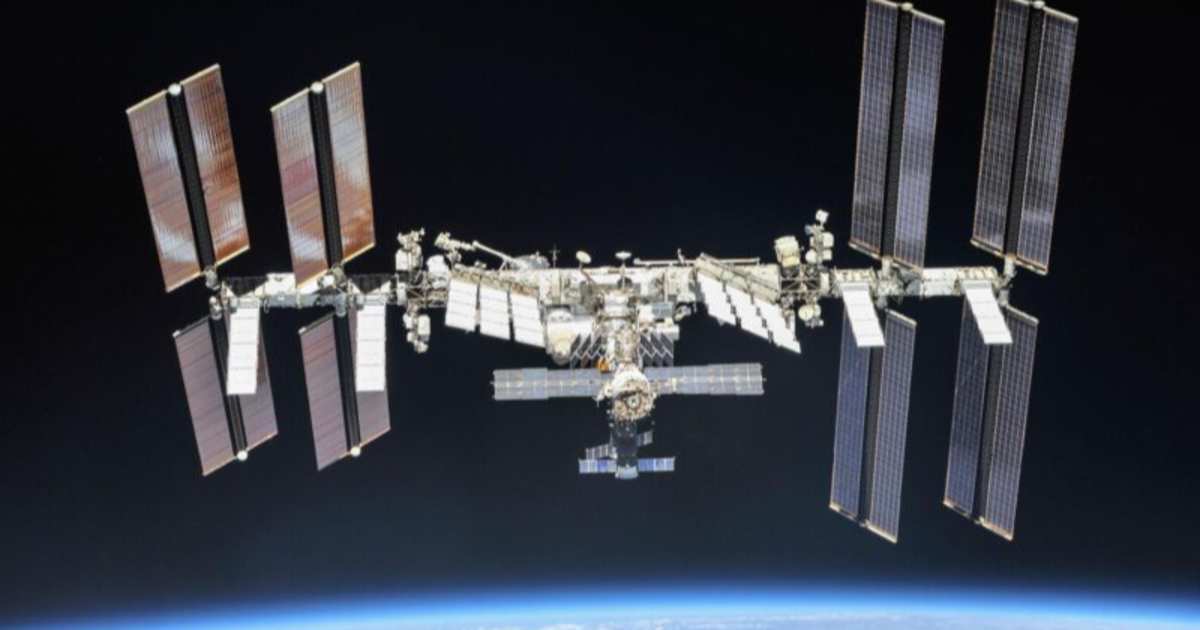
"It's bittersweet," Fincke said during the livestreamed ceremony, before passing the microphone around so other crew members could share fond memories of the departing astronauts. "We're leaving you all with a lot of work, but also with a lot of knowledge, knowing that you guys are really going to do super well," Fincke said after getting the microphone back, presenting the large metal "key" to the ISS to Kud-Sverchkov. "Sergey, it's an honor and a pleasure to be a commander, and I cannot imagine being happier than to hand over command to you."
More on Starlust
NASA launches Pandora satellite to search for signs of life on distant exoplanets
NASA is heading to the Moon again: 5 things to know about the Artemis II mission