SpaceX Starship V3 to be launched in about 4 weeks’ time, confirms Elon Musk

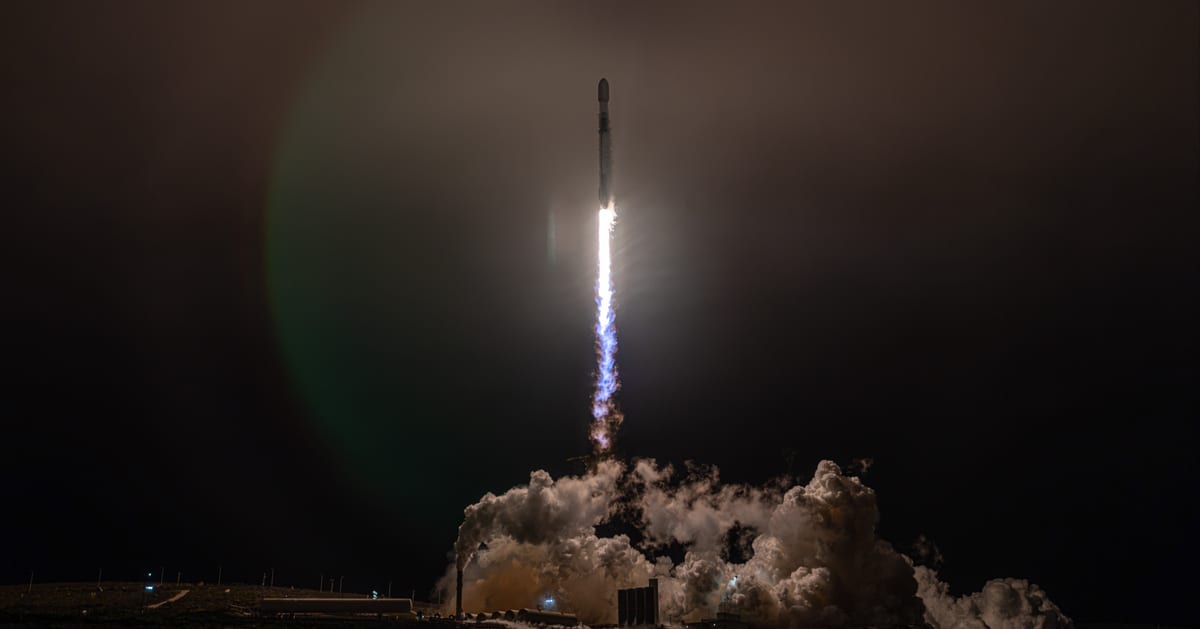
Version 3—the most powerful iteration yet of SpaceX's Starship equipped with the Raptor 3 engine—will have its first launch opportunity in about 4 weeks' time, Elon Musk has confirmed. The announcement came on March 7, 2026, via the SpaceX founder’s official handle on X. The company has been in a race against time ever since it was contracted by NASA to develop the Ship upper stage as a lander for the Artemis program. Now, a change in plans by NASA means that both SpaceX and its competitor Blue Origin, which has also been contracted by NASA, must be prepared for Artemis III in 2027. While SpaceX is still in the running to provide the first lander, the decision by NASA to approve the design of Starship HLS was labelled “questionable at best” by the independent Aerospace Safety Advisory Panel’s report.
Starship V3 first flight in about 4 weeks
— Elon Musk (@elonmusk) March 7, 2026
pic.twitter.com/wvCkw5mjH0
While the news of being able to see Starship V3 in action will go a long way to alleviating many reservations about SpaceX’s capacity to deliver on their contractual requirements, it must be noted that plans to fly the V3 were originally slated for the latter part of 2025. It could not, however, take off because of an accident that the super-heavy booster suffered on SpaceX's test stand in November. V3's predecessor, V2, had its final flight last October, following setbacks in January, March, and May, when the Ship upper stage exploded. Despite the less-than-perfect track record, Starship continues to be deemed important for the exploration of the Moon and beyond due to its large size, reusability, and orbital refueling capability.

The Starship booster has completed three returns to its Starbase pad, where SpaceX's Mechazilla has caught it mid-air. The orbital refueling feature, however, still remains to be tested. According to SpaceX, the steps it will take to achieve this fuel transfer are to first launch Starship to Earth’s orbit for a long duration to check thermal behavior and collect data about propellant storage and boil-off in space. Once that is done, they’ll begin testing ‘ship-to-ship propellant transfer’ by launching a second Starship to rendezvous with the orbiting one.
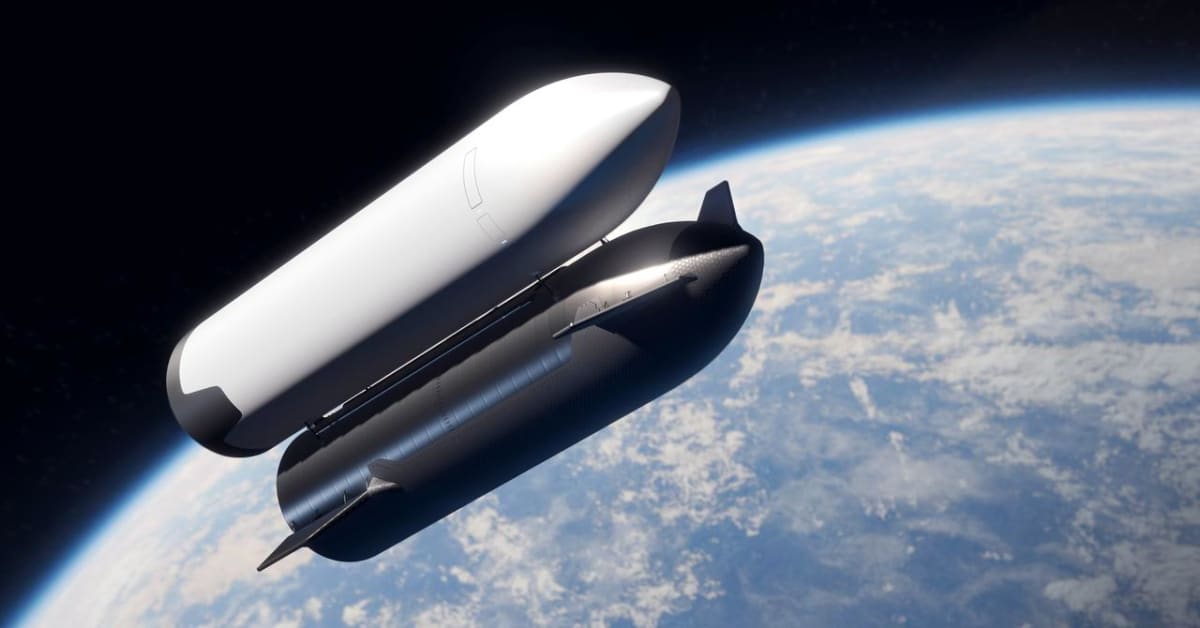
Parallel to the upgradation of the Starship vehicle, SpaceX claims that it has also completed many milestones as it relates to the lunar lander, including testing of the life support systems, adapter qualification for docking between Orion and Starship, and tests of landing systems.
Ship 39 cryoproof operations complete, the first campaign with a next generation Starship V3.
— SpaceX (@SpaceX) March 8, 2026
Across several days, engineers tested the vehicle’s redesigned propellant system and its structural strength, including squeeze tests to mimic the forces of future ship catches pic.twitter.com/aFtCYIqwLh
Musk sincerely believes that V3 will be able to provide all the "ingredients" required to make life multiplanetary. The V3 Starship upper stage also went through a series of tests before the vehicle was cleared for flight. "Across several days, engineers tested the vehicle’s redesigned propellant system and its structural strength, including squeeze tests to mimic the forces of future ship catches," wrote SpaceX in an X post dated March 7.
More on Starlust
Here's what NASA is planning for Artemis IV and V now that the roadmap to the Moon has been revised