A second shot for Starliner: NASA set to re-induct Boeing's spacecraft after 2024 ISS incident
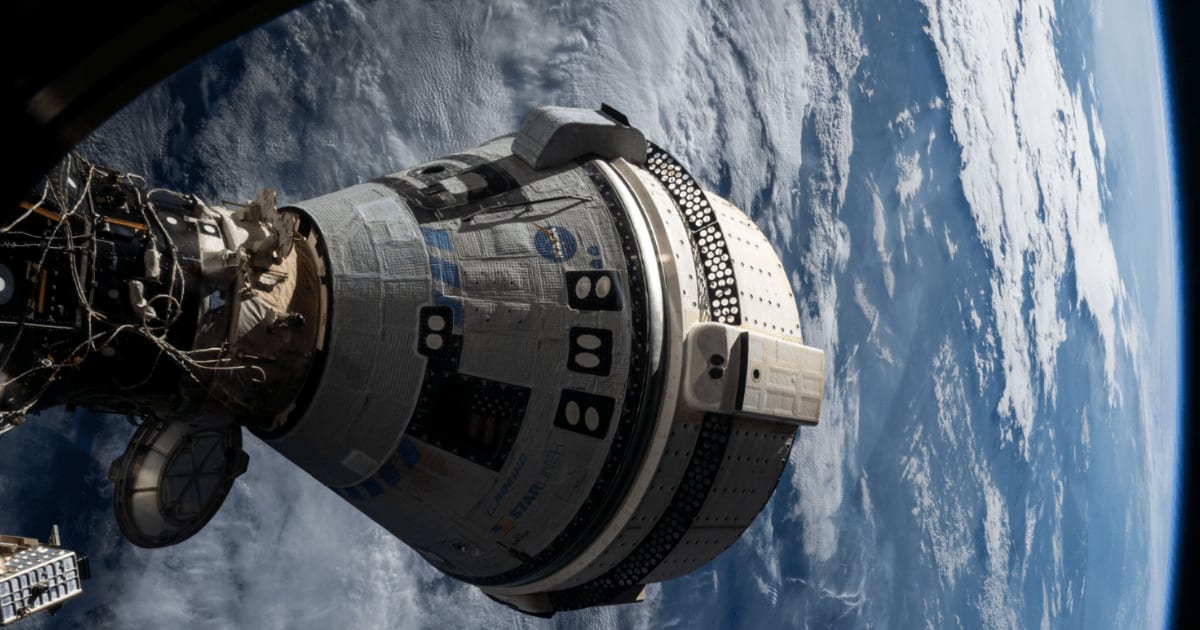
NASA is on the verge of returning Boeing's Starliner to its roster after a 2024 incident left the spacecraft, intended for crewed operations, grounded. In a statement on Monday, NASA said that since then, considerable work had gone into making Starliner safe for transporting astronauts to and from the International Space Station (ISS), with administrator Jared Isaacman saying, "We have worked closely with Boeing to address the issues identified on previous Starliner flights, and we intend to see this vehicle return to flight in support of the International Space Station and future commercial destinations."
On Monday, NASA and @BoeingSpace provided an update on the company’s Starliner spacecraft, including adding additional crew missions and certifying a new rocket for crew transportation to low Earth orbit. Get the details: https://t.co/5UqOYxc4xj pic.twitter.com/6i8t2TIcI0
— NASA (@NASA) September 28, 2026
Ever since the end of the Space Shuttle era, NASA has not had a reusable spacecraft of its own to carry astronauts to space and back. At the moment, the SpaceX Dragon capsule is the only American spacecraft with clearance to transport crews. It does so as part of the Commercial Crew Program, next slated to carry Crew-13 to the orbital outpost on Thursday. "As this domain continues to open, there will be growing demand for launch vehicles, transfer stages, landers, and, of course, spacecraft that carry astronauts. NASA has been committed to having multiple crew transportation options since the beginning of the Commercial Crew Program," said Isaacman.
NASA’s Commercial Crew Program was built to give America multiple ways to put astronauts into orbit.
— NASA Administrator Jared Isaacman (@NASAAdmin) September 28, 2026
Dragon has been an extraordinary success, and we want Starliner to become another reliable option.
Boeing and NASA have worked through the findings from Crew Flight Test, and… pic.twitter.com/vWCuRmchRs
Starliner's troubled history
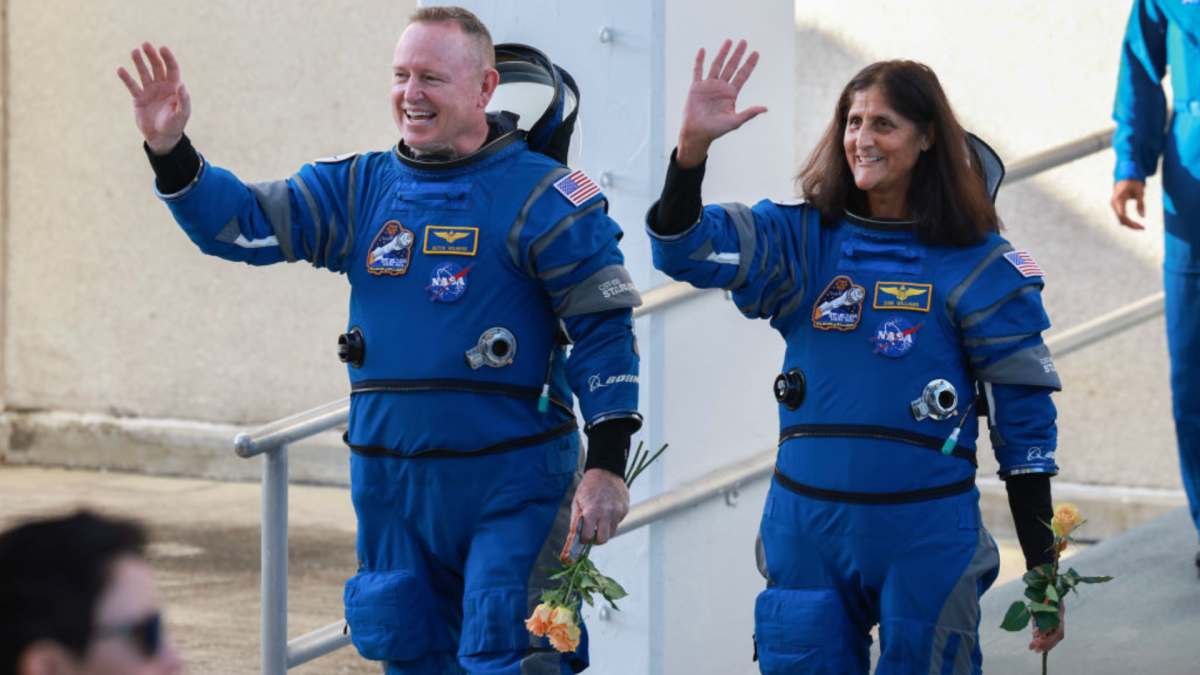
Boeing's Starliner has had a brief flight history, managing only one pad abort test and two orbital flight tests since 2019. While the two orbital flight tests were not entirely successful, Starliner was still chosen to fly NASA astronauts Butch Wilmore and Sunita Williams to the ISS for what was slated to be the spacecraft's first crewed flight test. Although the journey to the ISS went smoothly, Starliner had issues with its propulsion system, and NASA deemed that the spacecraft was not safe enough to bring Wilmore and Williams back to Earth. And so, what was initially planned as an eight-day mission turned into a long-duration stay on the ISS, with Wilmore and Williams spending close to 10 months in the orbital lab before their return to Earth aboard a SpaceX Dragon capsule in March 2025.
An independent review of the incident released earlier this year was scathing in its assessment of the debacle, classifying it as a "Type A mishap" and putting it on par with some of NASA's worst mishaps. It also identified that the reaction control thrusters had been operating beyond their engineering qualifications. Boeing and NASA later found that the issues with Starliner stemmed from the "thermal environment and features inherent in its design." As it stands, in order for Starliner to return to flight, NASA's Program Investigation Team has so far identified 61 points of improvement.
What happens next?
Isaacman and Boeing announced that there will first be an uncrewed test flight, dubbed Starliner-1, that will travel to the ISS in December 2026 or January 2027. This mission will help the agency gather data about the spacecraft's performance. Should any corrective actions be needed, they will be identified by NASA's Program Investigation Team and implemented so as to complete the testing and certification of the next flight. Manager of NASA’s International Space Station Program Dana Weigel stated, "Starliner’s next flight is a critical step on the path to achieving full system certification and ensuring a sustained human presence in low Earth orbit."
The uncrewed Starliner-1 mission is planned for the December 2026/January 2027 timeframe.
— Boeing Space (@BoeingSpace) September 28, 2026
Together with @NASA, we're making Starliner hardware enhancements and adding resources for human spaceflight certification. These changes support the spacecraft as a long-term provider of… pic.twitter.com/ZjjZC4vsHo
After the uncrewed test flight, the agency and Boeing will perform modifications to the thruster valve design of the spacecraft's service module. Starliner's crew module, which houses the astronauts, will also see modifications to its thrusters, the replacement of batteries, and some other small changes to the parachute system. The subsequent flight will be crewed and will be designated Starliner-2, and NASA is eyeing a 2028 launch for the same. These missions could launch using a United Launch Alliance Vulcan rocket, pending a separate launch vehicle certification.