Space accidents that changed history (1960s – 1990s)
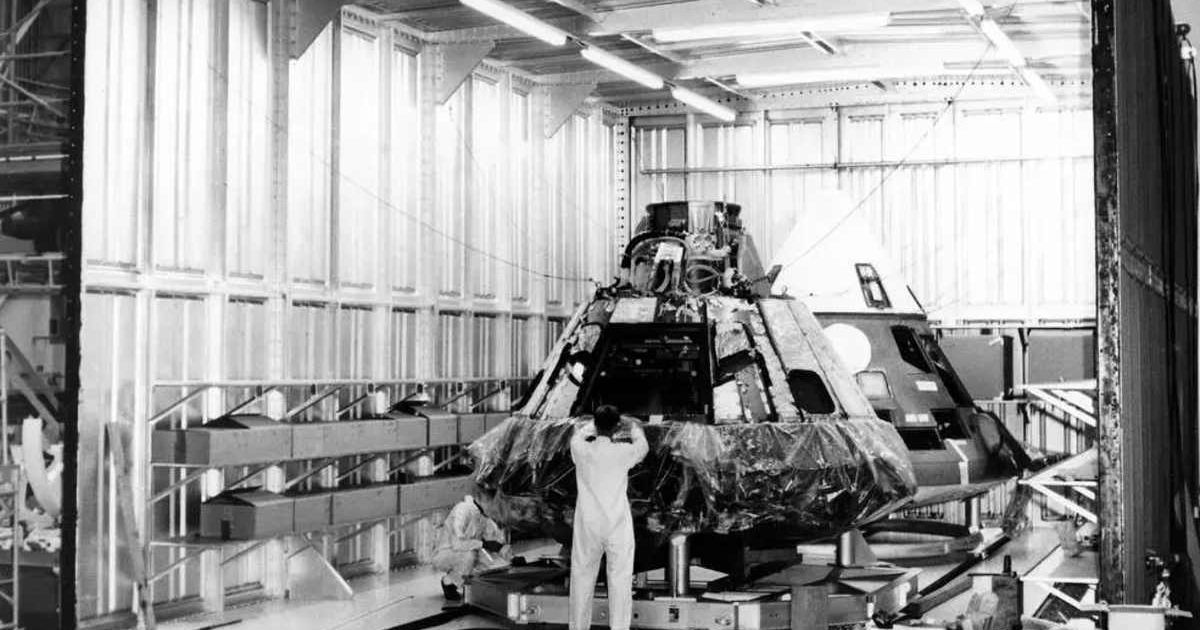
Despite tremendous achievements and feats that have pushed humankind forward, the space industry has experienced catastrophic failures nearly every decade, forcing engineers and scientists to radically rethink their approach to space exploration. As a result, spacecraft are continually redesigned to ensure not just mission success, but the safety and the survival of the humans involved in crewed missions. Here is how one pivotal accident from each decade from the 1960s to the 1990s helped shape the future of space exploration.
Apollo 1, 1967
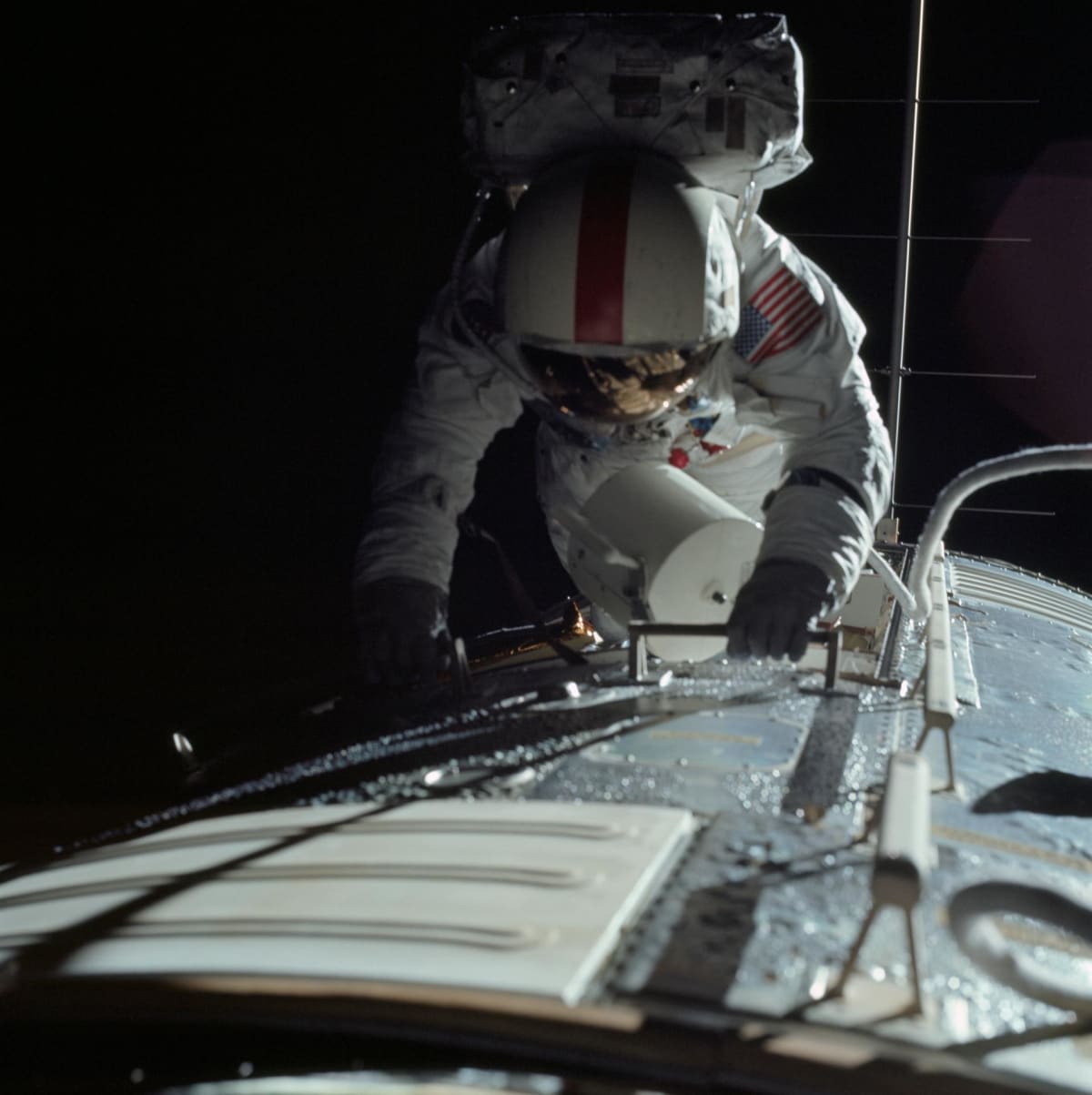
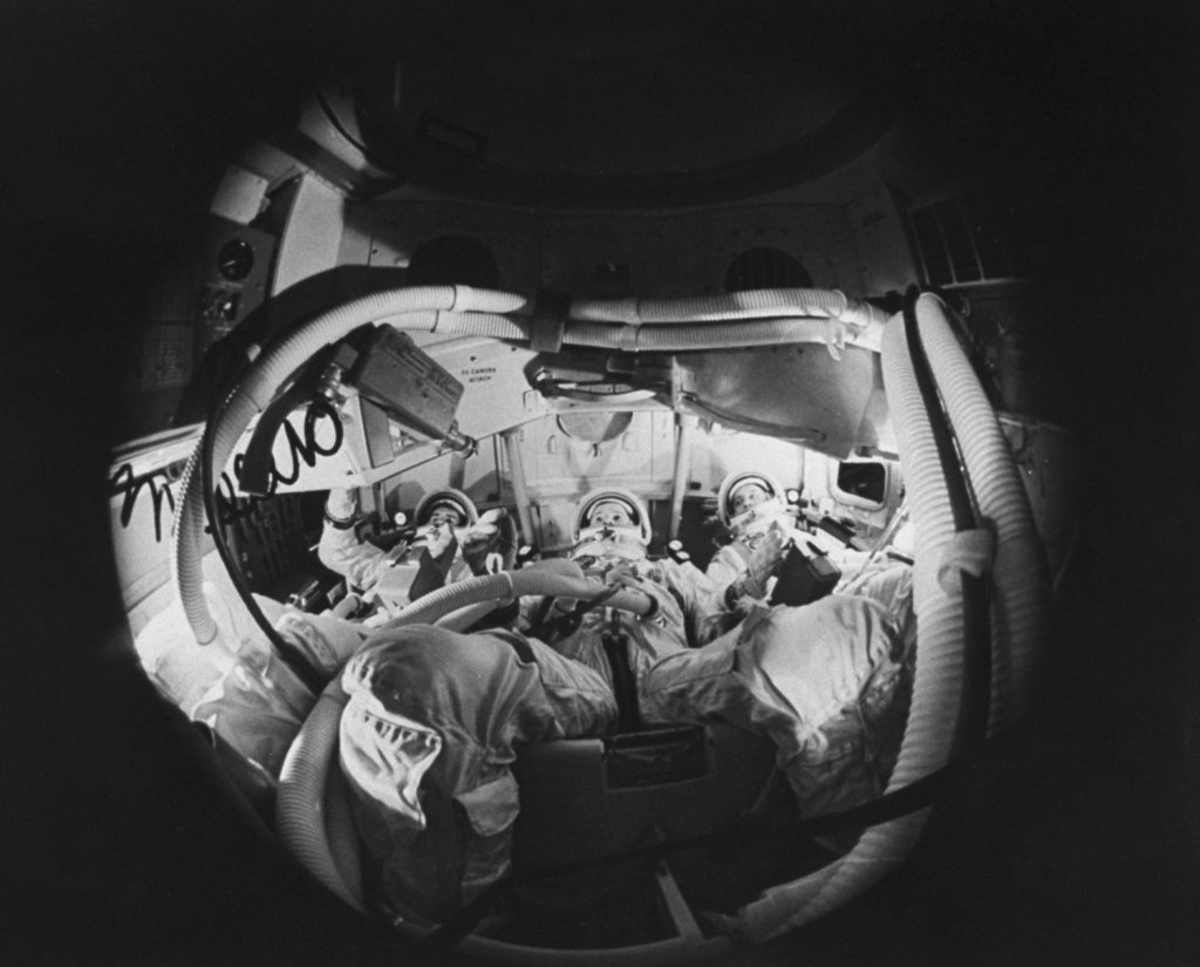
Apollo-Saturn 204 (AS-204) was intended to be the first crewed flight of NASA's Apollo program, scheduled to launch on February 21, 1967. The mission was meant to fulfill President John F. Kennedy’s pledge to land humans on the Moon. “First, I believe that this nation should commit itself to achieving the goal, before this decade is out, of landing a man on the moon and returning him safely to the earth,” Kennedy had stated in his Special Message to Congress. NASA planned the mission to last for up to 14 days, focusing on testing the spaceworthiness of the new command module and the Service Module’s large engine. After two uncrewed orbital tests, NASA assigned three astronauts—Virgil “Gus” Grissom, Edward White, and Roger Chaffee—as the primary crew.
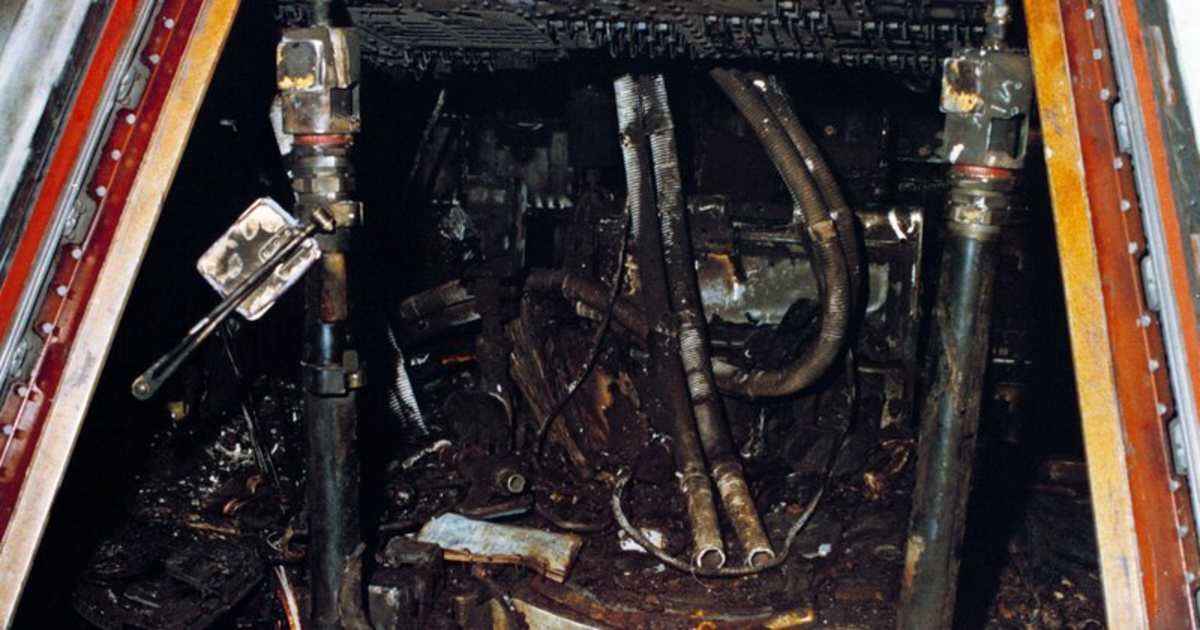
Tragically, AS-204 never launched. On January 27, 1967, during a critical pre-flight test at Launch Complex 34 in Cape Kennedy, a flash fire swept through the spacecraft, killing all three crew members. The incident took place when the command module had been switched to internal power, the astronauts were sealed inside in full spacesuits, and the cabin was pressurized with a highly flammable 100% pure oxygen atmosphere.
So, what went wrong? The issues began early in the test. First, Grissom reported a "sour smell" in his spacesuit loop when he hooked up his oxygen supply. The crew paused to take samples, yet ultimately continued the countdown. Second, an inexplicably high oxygen flow indication triggered alarms, which environmental control personnel wrongly dismissed as the result of the crew shifting in their seats. The most serious failure, however, was communications. Static and dropouts plagued radio communication between Grissom, the operations team, and the blockhouse, forcing a hold on the countdown at 5:40 p.m. By 6:31 p.m., test conductors were ready to resume, but ground instruments suddenly showed a massive spike in oxygen flow to the spacesuits. Four seconds later, Chaffee's voice cut through the intercom: "Fire, I smell fire." Two seconds after that, White's voice was far more urgent: "Fire in the cockpit!" Before anyone could reach them, the command module ruptured. Because the heavy hatch opened inward and was held shut by immense internal pressure, the astronauts had no chance to escape. Medical reports later said that Grissom, White, and Chaffee died of asphyxia from carbon monoxide and toxic gases, compounded by severe burns.
Following the tragedy, NASA established an investigation board. Their exhaustive 3,000-page report identified severe technical and management lapses, leading to a complete redesign of the Apollo command module, including an outward-opening hatch and a mixed nitrogen-oxygen atmosphere for launch. In honor of the fallen crew, the mission was officially designated Apollo 1.
Soyuz 11, 1971
On April 19, 1971, the Soviet Union launched the Salyut 1 Space Station into low Earth orbit. Despite speculation that the launch was a rushed response to America’s upcoming Skylab, Salyut represented a massive leap in space exploration, becoming the world's first successful space station. The 42-foot-long station featured a unique modular design, and came with a treadmill, elastic exercise bands, a refrigerator, and food warmers, all to offer cosmonauts a comfortable environment for long-duration stays.
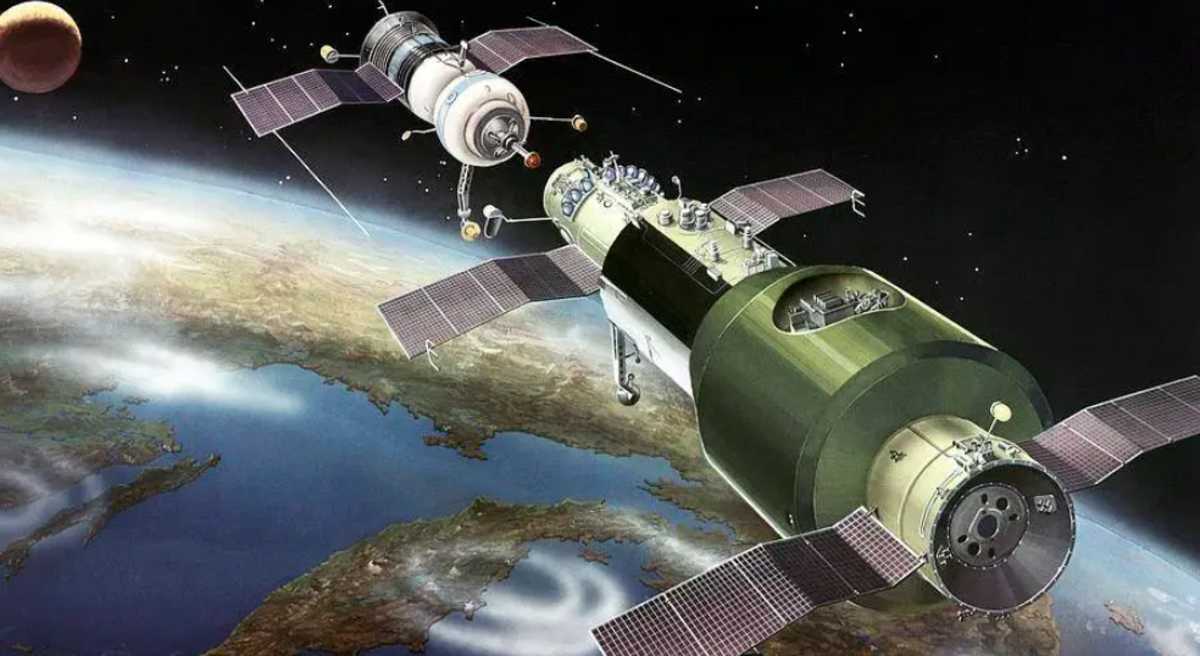
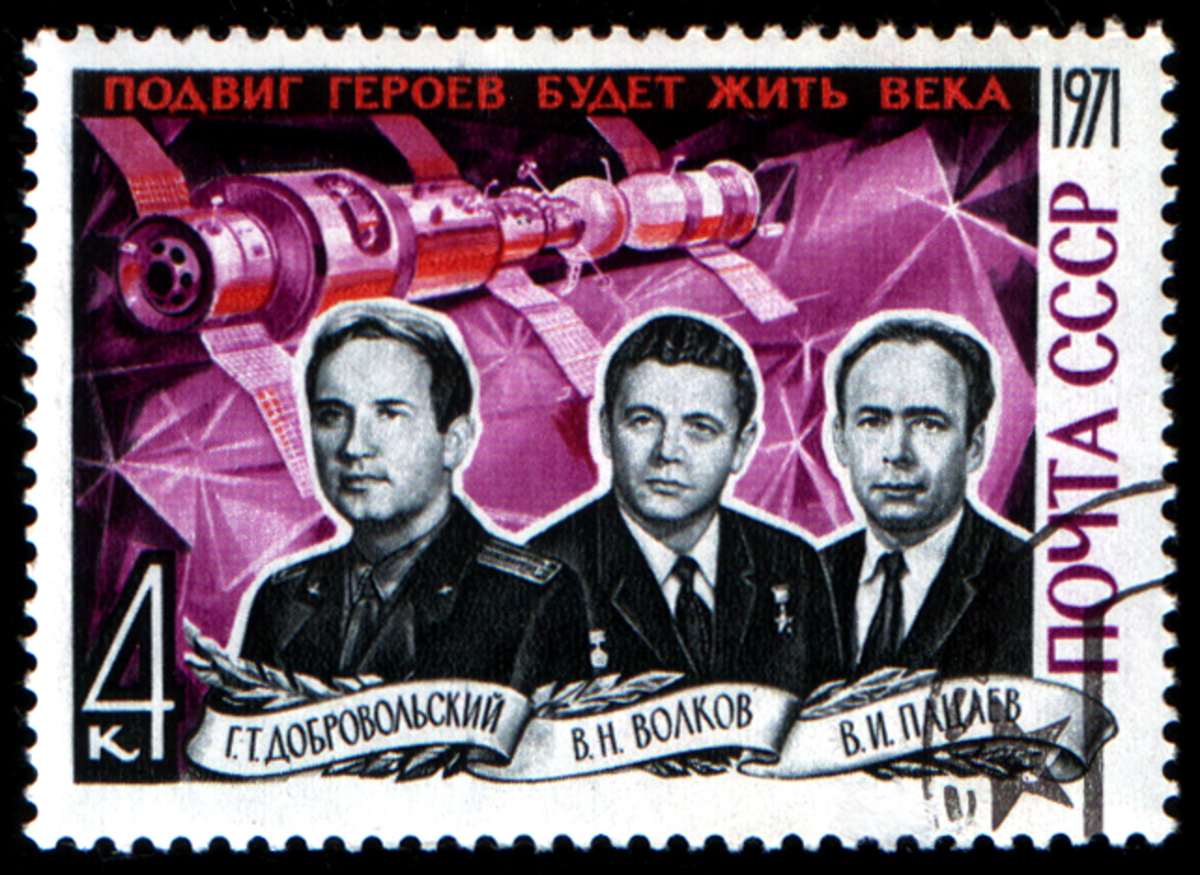
To mark Salyut’s launch, cosmonauts Georgi Dobrovolsky, Vladislav Volkov, and Viktor Patsayev boarded the Soyuz 11 spacecraft on June 6, 1971 and launched into orbit to dock with the space station. They became the first crew to board a space station, spending 22 days conducting biological experiments, material science, and Earth observations. Their flawless launch and record-breaking stay, however, culminated in one of the deadliest spaceflight accidents in history.
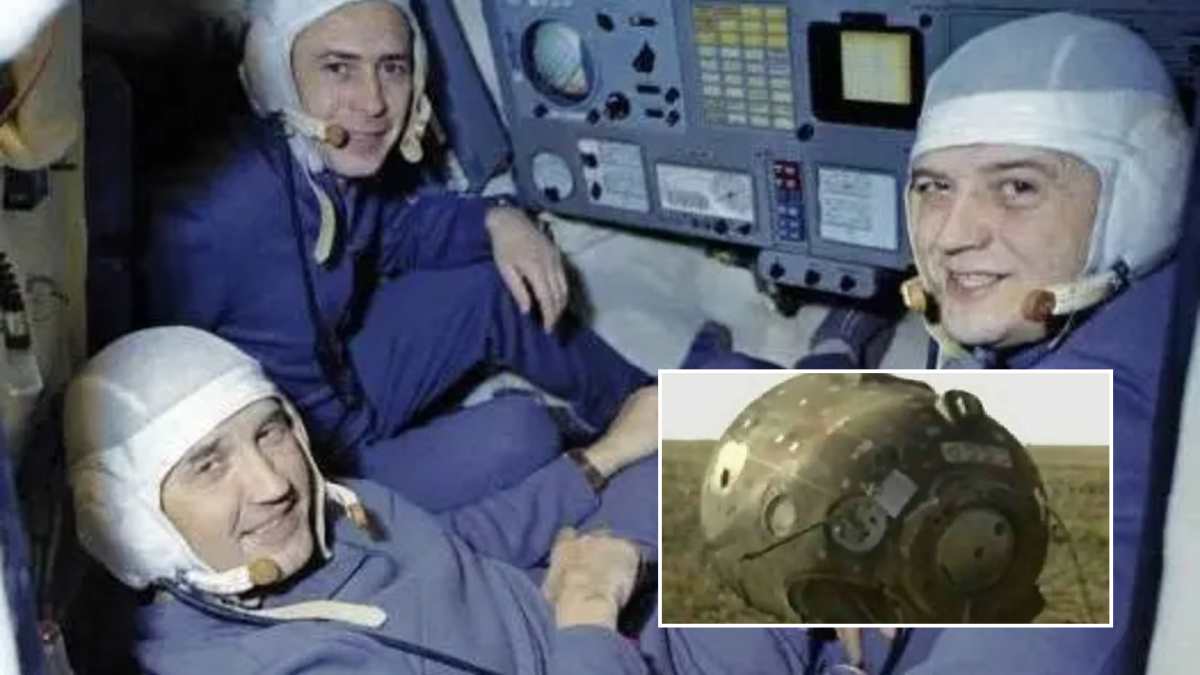
During preparations for their return journey, an instrument panel indicated that the hatch of their descent module was not sealed properly. In response, mission control walked them through opening and cleaning the seal to remove any foreign objects that could be blocking it. However, the warning light stayed on, and mission control eventually concluded that it must be due to a faulty sensor. The crew, therefore, detached Soyuz 11 from Salyut and began their descent.
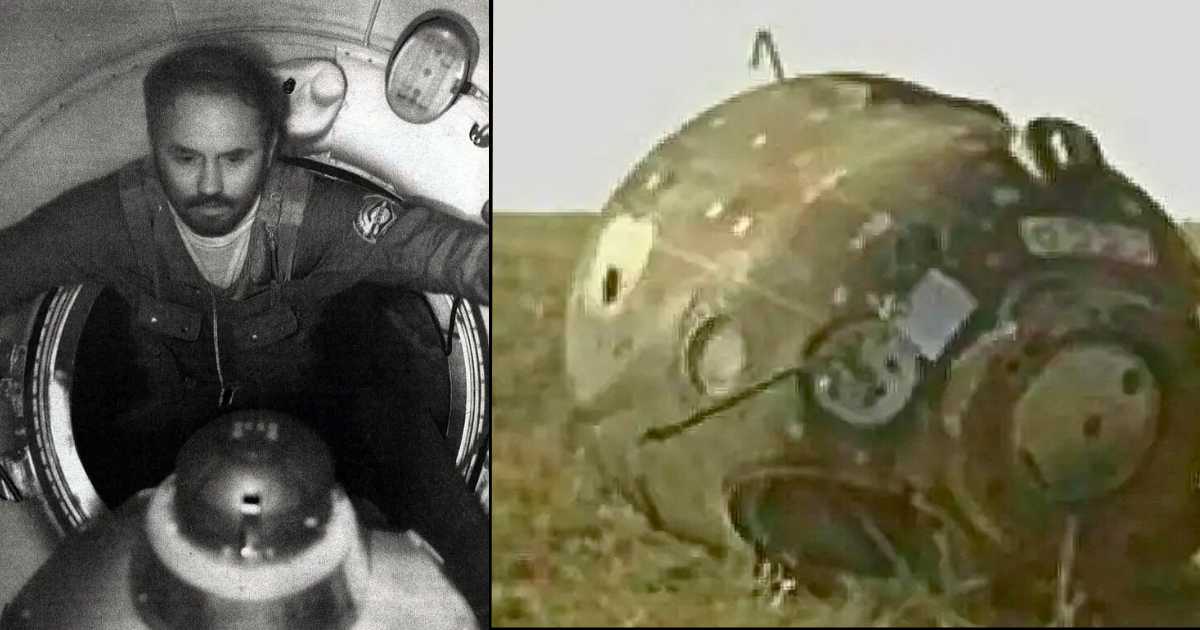
As the spacecraft separated into three modules using explosive bolts—a normal reentry routine—the shock of separation accidentally opened a valve at an altitude of roughly 168 kilometers over the Atlantic Ocean over France. This valve was only supposed to open close to the ground as the spacecraft made its way down, allowing fresh air to enter the capsule. Instead, it opened in the near-vacuum of space. Within less than a minute, air rushed out of the cabin, dropping the internal pressure to lethal levels. Without pressure suits, which were not worn inside spacecraft by Soviet crews at the time due to space constraints, the cosmonauts lost consciousness within seconds. Reports suggest that one of them, likely Patsayev, desperately tried to close the valve manually, but ran out of time. Thus, Dobrovolsky, Volkov, and Patsayev became the only humans to die in space. When the capsule landed automatically, recovery teams opened the hatch to find the crew dead, with autopsies showing cerebral hemorrhages and ruptured eardrums from rapid decompression.
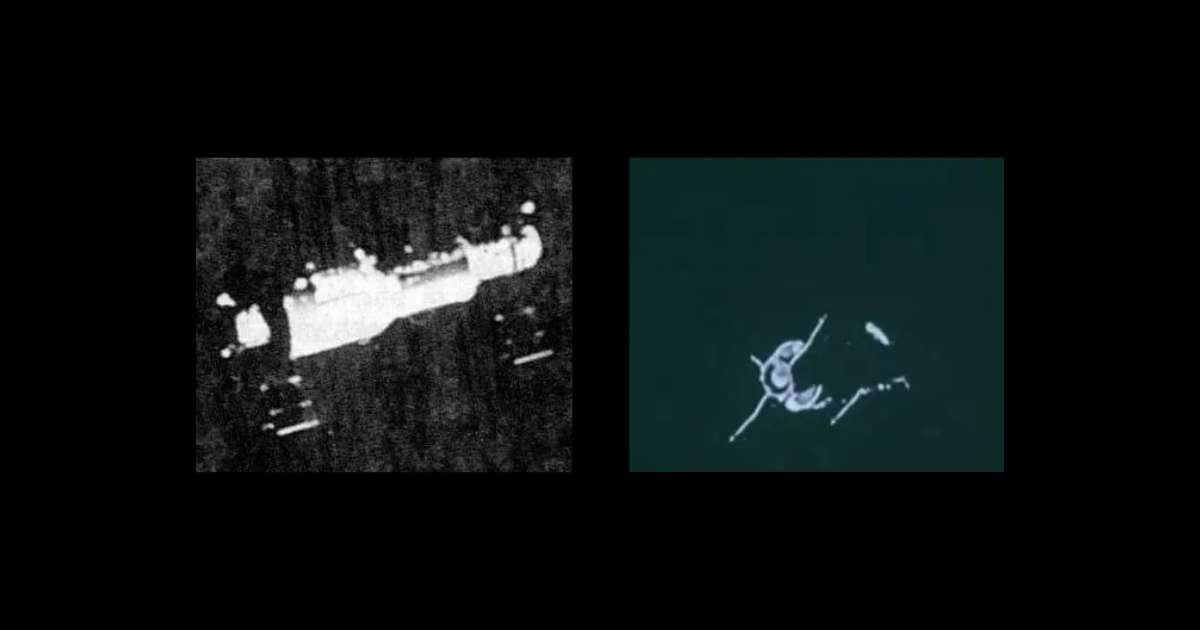
In the aftermath of the tragedy, a state commission found that the faulty valve mechanism was entirely to blame. In response, Soviet engineers reinforced the valves and fundamentally redesigned the Soyuz spacecraft, also requiring all future crews wear Sokol pressure suits during launch and reentry. The tragedy was also mourned globally, with U.S. President Richard Nixon noting, “The whole world followed the exploits of these courageous explorers of the unknown and shares the anguish of their tragedy.”
Space Shuttle Challenger, 1986
In 1986, NASA prepared to launch the space shuttle Challenger. The STS-51-L mission was scheduled to last six days, with objectives including deploying a tracking satellite, releasing the SPARTAN-Halley satellite to observe Halley’s Comet, and conducting fluid dynamics experiments. The mission garnered unprecedented global attention due to the “Teacher in Space” program, which placed Christa McAuliffe, a New Hampshire teacher, alongside veteran NASA astronauts Francis “Dick” Scobee, Michael J. Smith, Judith Resnik, Ronald McNair, Ellison Onizuka, and Gregory Jarvis. Tragically, McAuliffe’s family and the entire nation watched on live television as the shuttle broke apart just 73 seconds into flight, killing all seven crew members on board.

The failure was set in motion long before liftoff. The night before the launch, temperatures at the Kennedy Space Center fell below freezing point, leaving ice on the launchpad. Given the freezing cold, engineers at Morton Thiokol, the contractor that built the shuttle’s Solid Rocket Boosters (SRBs), urgently warned NASA that the rubber O-rings designed to seal the booster joints could. However, NASA management dismissed their concerns and approved the launch anyway. On the day of the launch, when Challenger lifted off at 11:38 a.m. EST, cameras caught a puff of black smoke from the lower joint of the right SRB, a clear sign that the O-ring had failed. For a brief moment, however, combustion residue temporarily sealed the gap, allowing the flight to proceed, but further failures awaited. At roughly 37 seconds, the shuttle encountered severe high-altitude wind shear, and the automated steering commands to maneuver through these winds caused the booster to structurally flex, breaking the temporary seal. Subsequently, between 58 and 64 seconds, a visible plume of fire burned through the side of the right booster, and at 72 seconds, the flame burned through the strut attaching the booster to the external fuel tank. The booster then slammed into the tank, rupturing the liquid hydrogen and liquid oxygen reserves. However, contrary to popular belief, the shuttle did not explode like a bomb; rather, massive aerodynamic forces tore the orbiter apart as it lost structural integrity, igniting the propellant in a massive fireball.
A special commission appointed by President Ronald Reagan—including former astronaut Neil Armstrong and physicist Richard Feynman—concluded that the disaster was caused by the O-ring failure, aided by poor management that ignored engineering warnings.
Mars Climate Orbiter, 1999
Launched on December 11, 1998, the Mars Climate Orbiter is one of NASA’s most infamous mission failures. Part of the Mars Surveyor ’98 program, the orbiter was designed to study the Martian atmosphere, tracking water vapor, dust storms, and seasonal climate changes with its two primary instruments, the Mars Color Imager (MARCI) and the Pressure Modulated Infrared Radiometer (PMIRR). After a smooth nine-month journey, on September 23, 1999, NASA expected the orbiter to carry out an orbit insertion maneuver at an altitude of 140 to 150 kilometers above Mars. Instead, the $327 million mission vanished behind the planet. While mission control waited to hear back in around 20 minutes when it made its way around, the spacecraft was never heard from again. Investigators later determined that the spacecraft had descended to a very low altitude of 57 kilometers, burning up due to atmospheric friction.
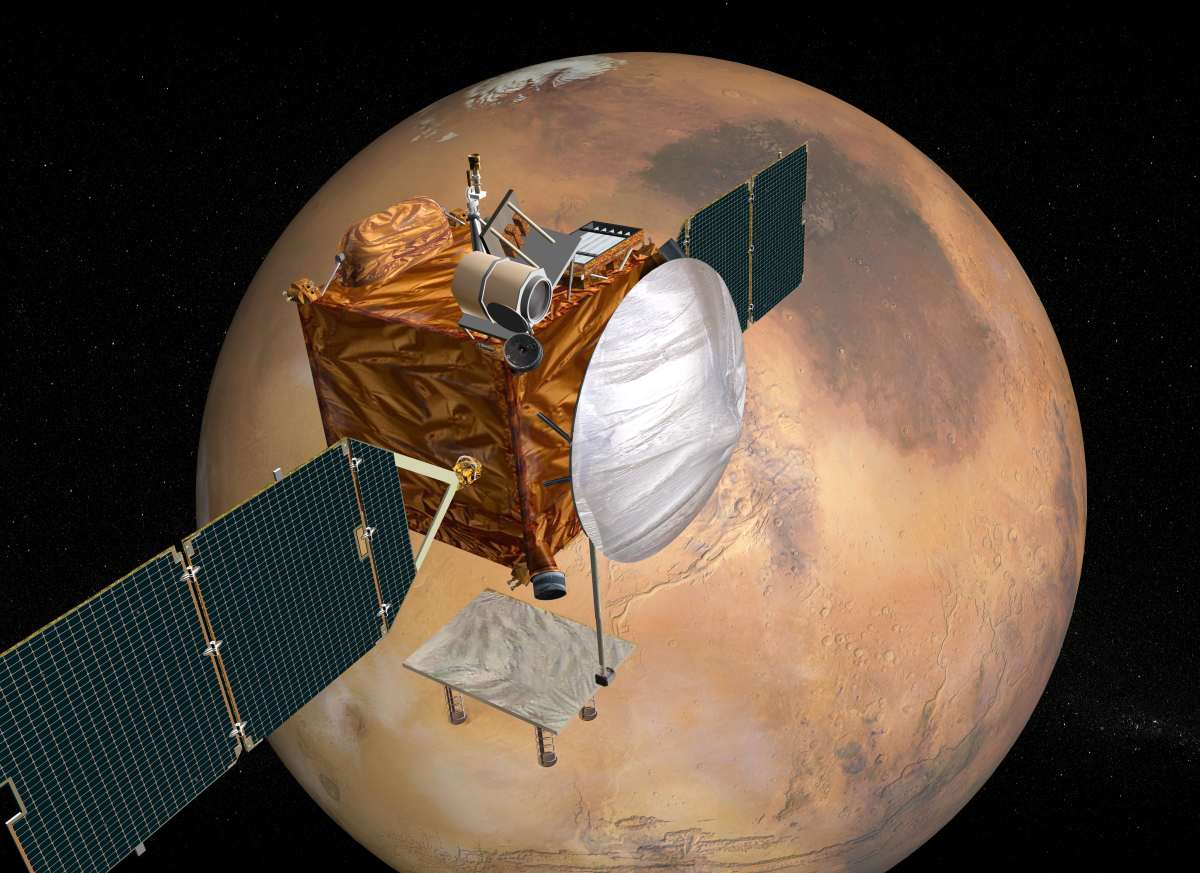
But, what caused this? The spacecraft itself was functionally perfect, but the failure stemmed from an error in unit measurement. Lockheed Martin, the company that built the orbiter, programmed its software in imperial units. However, the navigation software at NASA’s Jet Propulsion Laboratory (JPL) expected that data to arrive in standard metric units. Because of the difference in the two unit measurement systems, NASA’s models massively underestimated the force of the thruster firings, thereby putting the spacecraft on a trajectory it would never recover from.
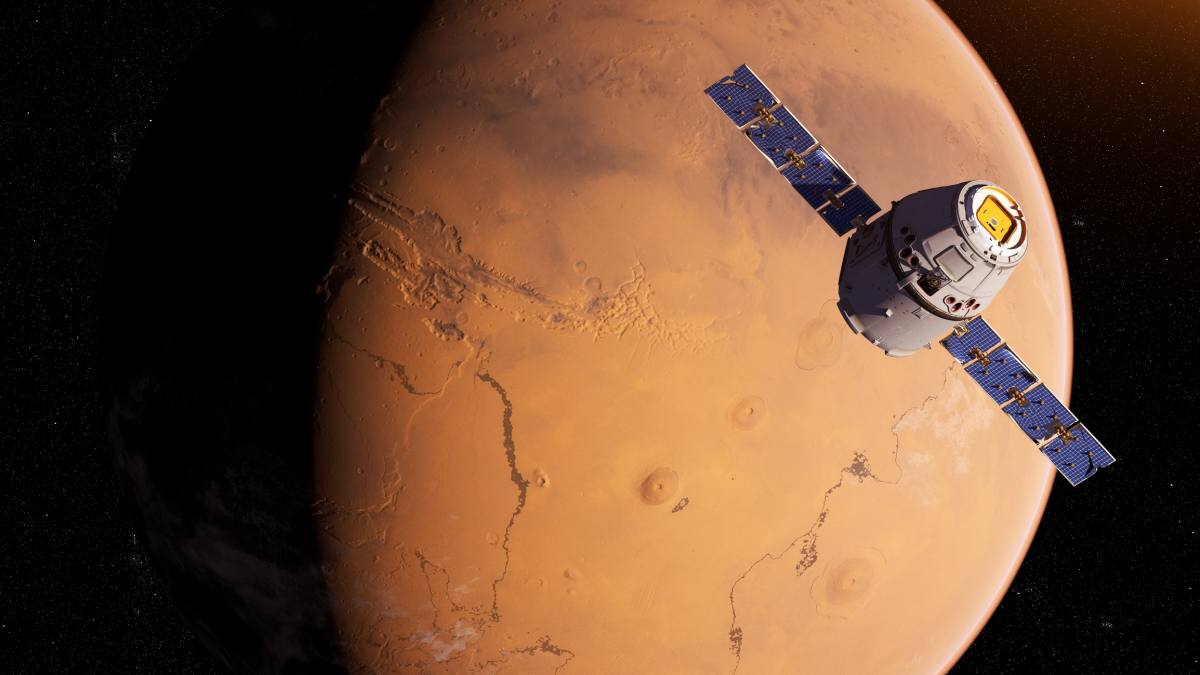
A NASA review board found that while Lockheed Martin propulsion engineers had highlighted their use of the imperial system, standard practice for space missions is to automatically convert to metric. Engineers at NASA simply assumed the conversion had been made, and the mismatch went entirely undetected through months of computer modeling.
Lessons from these mission failures
Space exploration has always pushed the boundaries of engineering, but this progress has sometimes come at a terrible cost, as these accidents remind us. The Apollo 1 tragedy forced NASA to fundamentally redesign its spacecraft, while the Soyuz 11 catastrophe proved that pressurized spacesuits were an absolute necessity to ensure the safety of astronauts, even inside spacecraft. Challenger, meanwhile, demonstrated that warnings must never be ignored, and the Mars Climate Orbiter showed that even the smallest oversight can lead to mission failure. Together, these accidents tell a larger story, reminding us our progress towards the stars is not free of cost, but built on the hard-learned lessons of the past.
More on Starlust:
Meet NASA's NEO Surveyor: A 'one-of-a-kind mission' designed to find the most dangerous asteroids
Roscosmos to launch Soyuz MS-29 with crew of three to ISS on July 14—launch time, livestream details