Europe develops cosmic ray simulator to combat one of space travel's deadliest risks
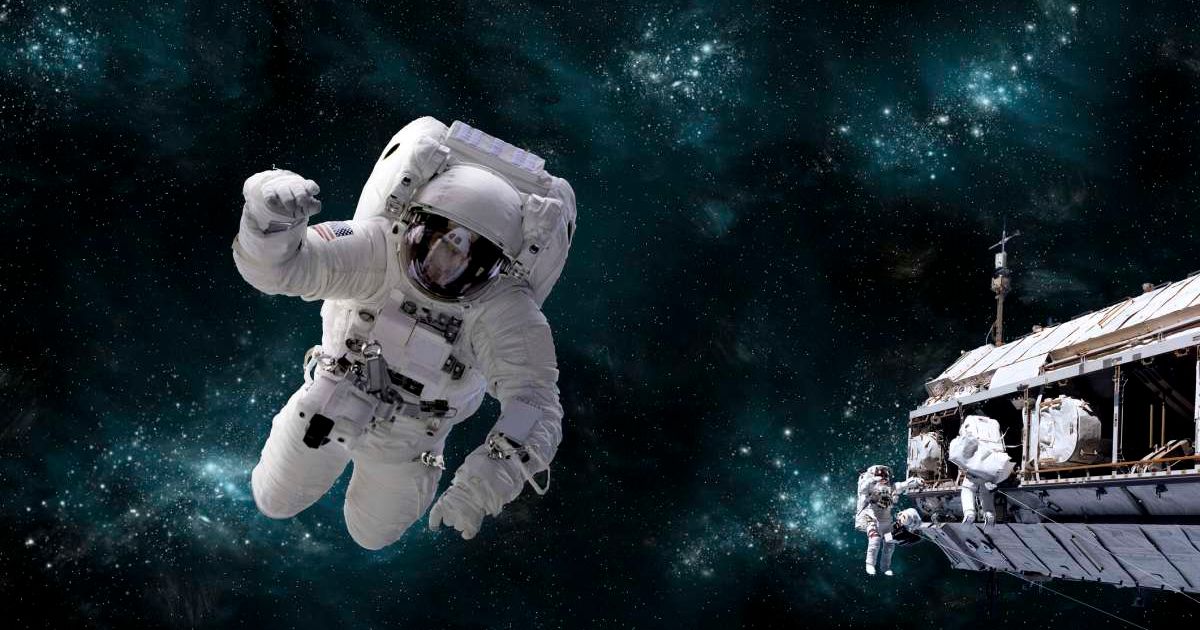
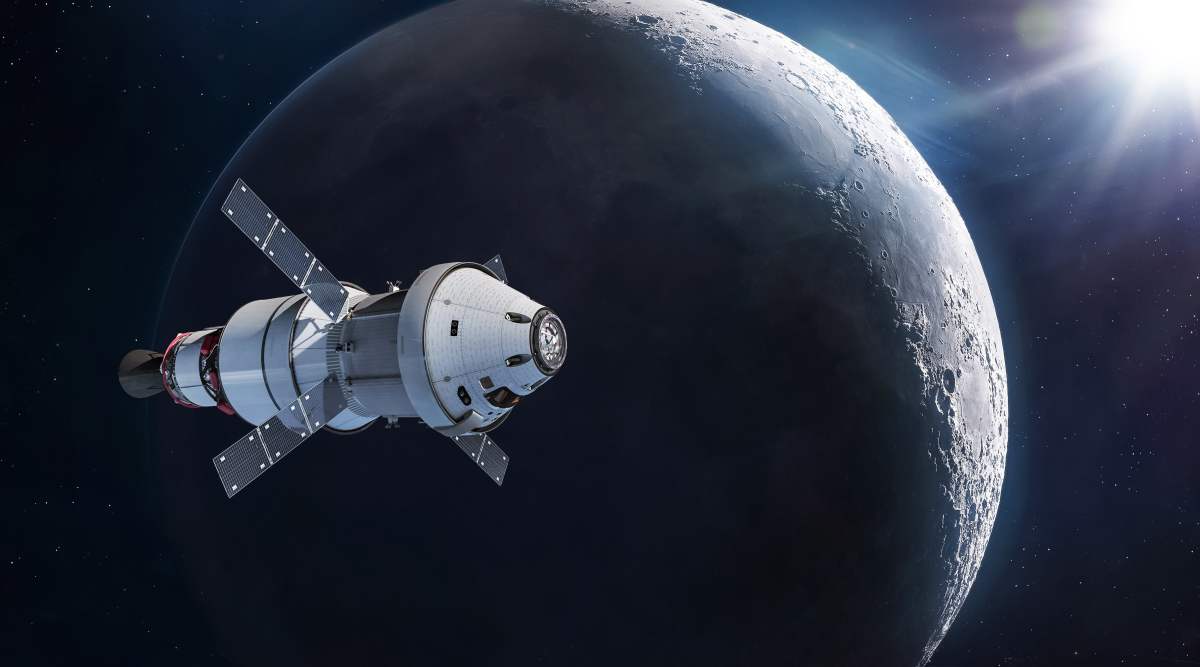
Among the many perils that astronauts must navigate during space travel, galactic cosmic rays (GCRs) are a significant one. Not only do they pose a risk to human biology, but they can also damage electronic systems in spacecraft. To combat this danger, an international research team, in collaboration with the European Space Agency (ESA), has successfully developed a simulator for galactic cosmic rays at the GSI/FAIR accelerator facility in Darmstadt, Germany. It will enable scientists to study the effects of cosmic radiation on astronauts and spacecraft in a controlled environment. Details with regard to the design, optimization, and implementation of the simulator have been reported in two papers (paper 1, paper 2) published in Life Sciences in Space Research.
Galactic cosmic rays
Galactic cosmic rays are highly energetic particles originating from outside our solar system. While they mostly consist of proton and helium nuclei, they also have other highly charged and energetic particles (HZE) that are extremely dangerous for spacefarers. Studies have revealed that in outer space, a proton passes through every cell of an astronaut's body every few days, helium nuclei strike every few weeks, and HZE particles every few months. Additionally, when these charged particles pass through the protective covering of the spacecraft, they generate secondary radiation such as neutrons and fragments. This makes long-term missions to the Moon and Mars even more dangerous, as astronauts are expected to be exposed to higher levels of radiation on such journeys than on missions to low-Earth orbit. Exposure to such levels of radiation can significantly increase the risk of cancer and disorders of the central nervous system, among other ailments.
The cosmic ray simulator
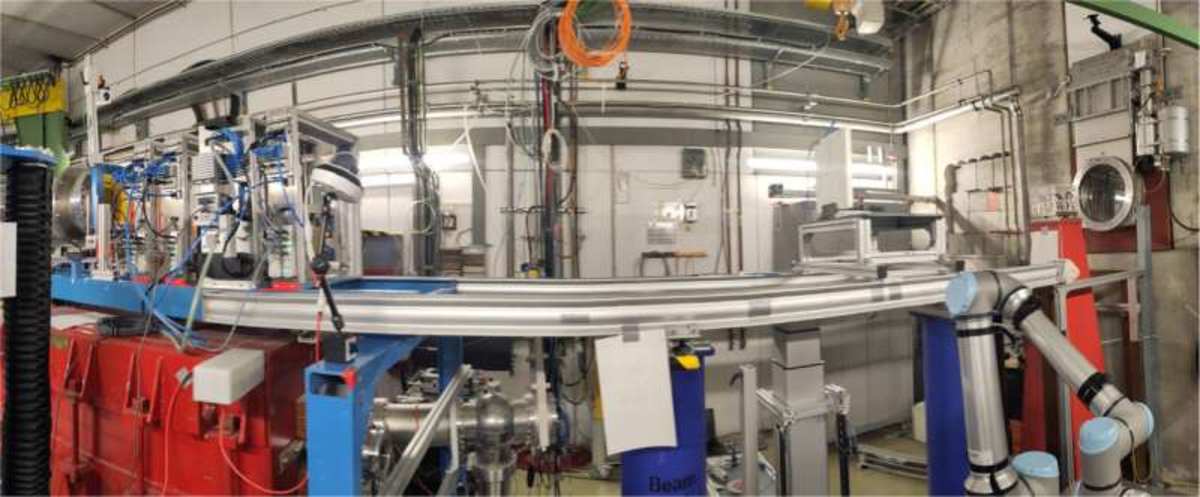
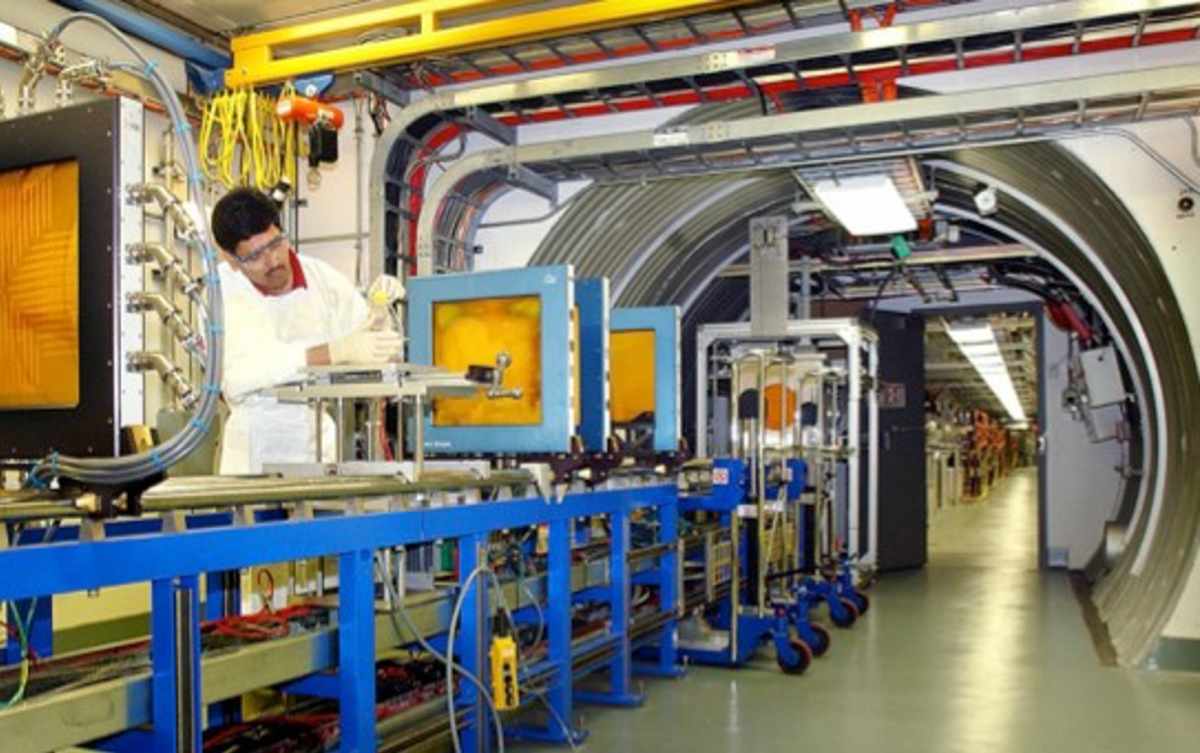
To mitigate the risks posed by the cosmic rays, studying them is crucial to establishing a future of safe and sustainable human space travel. The new facility at GSI allows researchers to do exactly that, as it features high-energy heavy ion accelerators that simulate deep-space radiation conditions in the laboratory. Marco Durante, professor at the Technical University of Darmstadt and head of the biophysics research department at GSI/FAIR, explained the importance of the new system, stating, “Until now, there has been no reliable way to simulate GCRs in Europe. That's why our research team, with the support of our ESA partners, developed a simulator for GCRs and put it into operation at GSI/FAIR as part of the FAIR Phase 0 experiment program. This enables researchers to better understand the doses that affect technical components and human tissue and how these effects can be controlled or limited in a targeted approach."
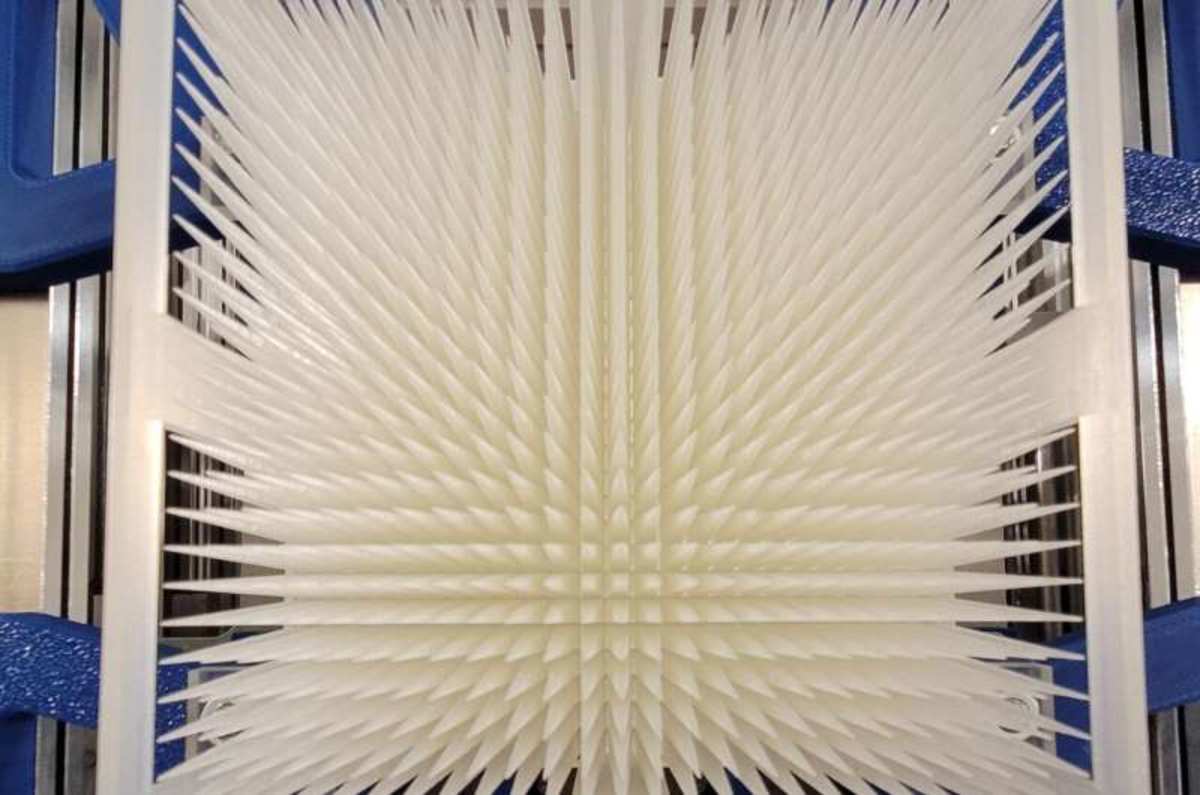
The researchers of the Space Radiation Physics group, led by Dr. Christoph Schuy of the Biophysics department, use the remarkable GSI accelerators, which produce high-energy ion beams made from naturally occurring elements. This simulator has been developed using a hybrid, active-passive methodology, where the energy of the primary beam of iron ions is adjusted before sending it through the passive beam modulators. These modulators are optimized to mimic deep space radiation conditions. "Our results show good agreement with the values known from space missions. This technique can be used to generate a mixed radiation field that replicates the GCR exposure in a lightly shielded habitat like a spacecraft. In the future, we want to make the GCR simulator available to scientists for further space radiation research," said Schuy. "True to our claim, we bring the universe to the lab with this achievement."
What the future holds
The only other GCR simulator is located at the Brookhaven National Laboratory in the U.S., supported by NASA. Both simulators produce particle beams with energies of about one gigaelectronvolt per nucleon, and the upcoming facility of the accelerator center FAIR (Facility for Antiproton and Ion Research) at GSI will significantly expand these capabilities. The energy at FAIR is expected to reach 10 gigaelectronvolts per nucleon, which will make the GCR simulator in Darmstadt the most accurate in the world.
More on Starlust
Artemis II: NASA will monitor the Sun to protect the astronauts from dangerous radiation
What will the Artemis II crew do each day of the mission? A look inside their daily agenda