Vela Supercluster lurking in Milky Way’s blind spot found to have mass close to 30,000 trillion suns
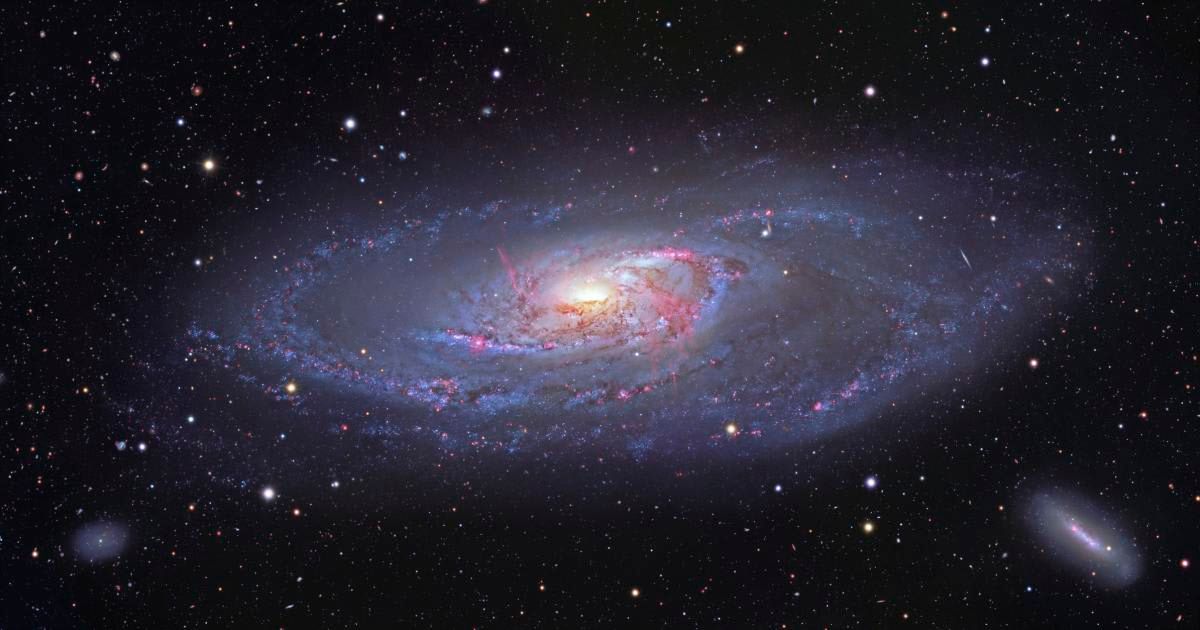
When a team of astronomers discovered a gigantic cluster of galaxies 870 million light-years away a decade back in 2016, the true scale of this cosmic behemoth remained shrouded in mystery. Now, however, a recent study has shed light on this long-standing mystery—researchers have identified a massive 'double-core' structure surrounded by thousands of newly mapped galaxies, revealing a supercluster far more massive than initially expected.
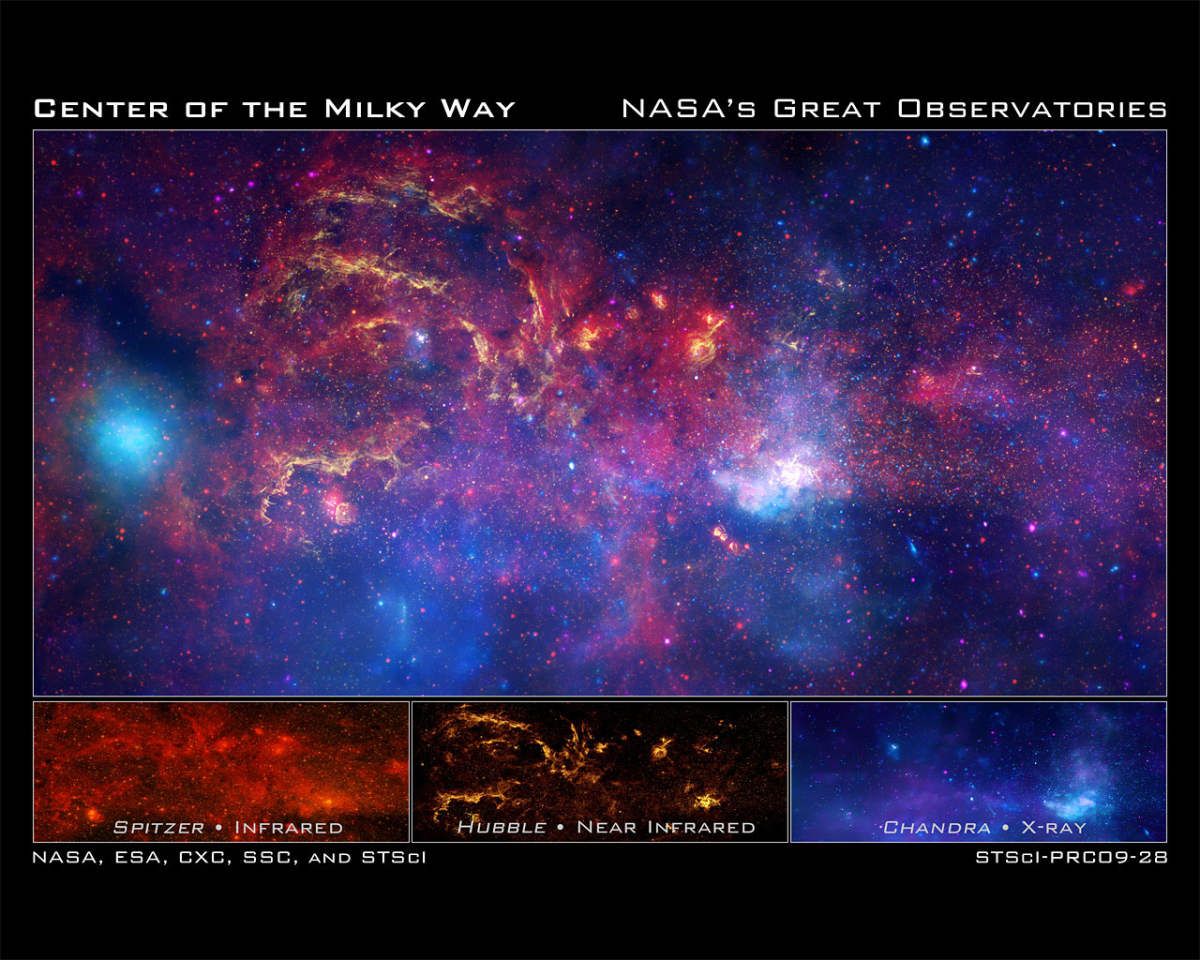
Despite its discovery years ago, details about the Vela Superstructure remained largely unknown, obscured as it was behind the thick dust and starfield of the Milky Way, the so-called Zone of Avoidance that covers 20% of the sky from the Earth's vantage point. However, the new study published on the pre-print arXiv repository, spearheaded by Amber Hollinger of the Lyon 1 Claude Bernard University in France, alongside Renee C. Kraan-Korteweg of the University of Cape Town, has provided a major observational breakthrough, with researchers determining that the Vela Supercluster rivals the mighty Shapley Supercluster in scale, which measures in at 33,800 trillion solar masses.
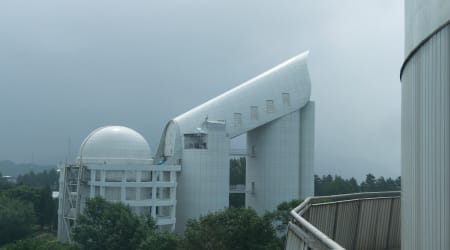
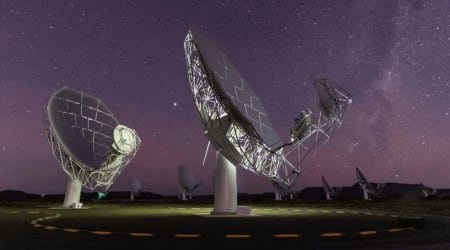
For the study, the team analyzed 65,518 galaxy distance measurements from the updated Cosmicflows-4++ catalog, combining these with data on more than 8,200 newly detected galaxies across the Vela region, a gigantic mapping initiative that utilized two state-of-the-art observatories, namely, the Southern African Large Telescope (SALT) and the MeerKAT radio telescope, with the latter providing crucial observations on galaxies deep inside the most obscured region of the Zone of Avoidance. This was possible as radio waves originating from hydrogen gas were able to pass through the dusty Milky Way without much hindrance.
This data helped astronomers paint a better picture of the Vela Supercluster, with researchers concluding that the cosmic behemoth spans a mind-boggling 300 million light-years, weighing in at a staggering 28,100 trillion times the mass of our Sun. In terms of mass, this makes Vela second only to the Shapley Supercluster, one of the largest known structures in the universe. Given its enormous mass, the researchers also noted Vela's exceptional gravitational influence, stating that its mass was nearly twice that of the Laniakea Supercluster, which houses our own Milky Way galaxy and the famous Great Attractor.
For decades, scientists had been aware of an unseen gravitational anchor tugging on the Milky Way and altering local cosmic flows, and now the new study has brought this powerful force into focus. The mapping of the Vela Supercluster fills a critical gap in our understanding of our cosmic neighborhood and the mysterious Zone of Avoidance, which had till now, kept our understanding of this cosmic behemoth limited. Vela's name itself is perhaps the most fitting tribute to this unraveling: the South African observatories that made Vela's discovery possible had nicknamed the supercluster 'Vela-Banzi', which, in the local isiXhosa language, translates to "revealing widely".
More on Starlust:
Not every galaxy has a supermassive black hole like the Milky Way's, NASA's Chandra Telescope finds
JWST observes distant galaxy revealing evidence of first stars forged after the Big Bang
Astronomers discover the most massive 'binary star system' ever observed in our galaxy