NASA takes accountability for Starliner's botched flight, assigns 'Type A mishap' label
NASA administrator Jared Isaacman stressed the importance of transparency in the press conference held on Thursday, February 19, 2026.
UPDATED FEB 24, 2026
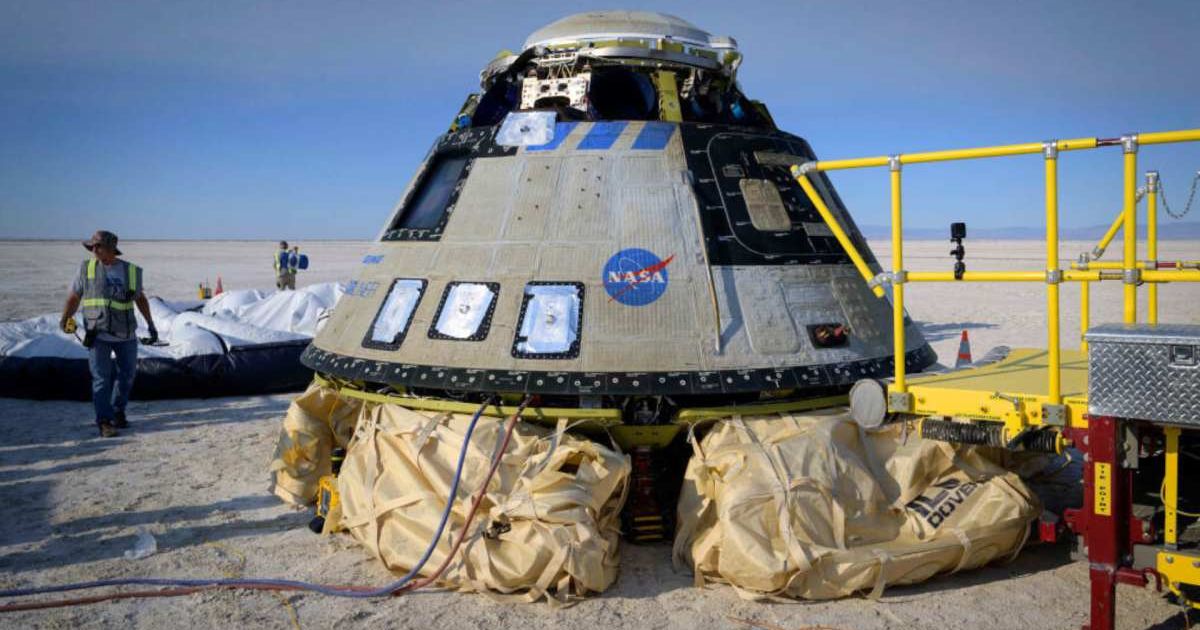
Boeing and NASA teams work around Boeing's CST-100 Starliner spacecraft after it landed at White Sands Missile Range's Space Harbor on May 25, 2022. (Representative Cover Photo by Bill Ingalls / NASA via Getty Images)

On Thursday, February 19, during a press conference, NASA outlined the findings from the Program Investigation Team, which looked into the Boeing CST-100 Starliner Crewed Flight Test (CFT) that left astronauts Sunita Williams and Butch Wilmore stranded on the International Space Station (ISS).
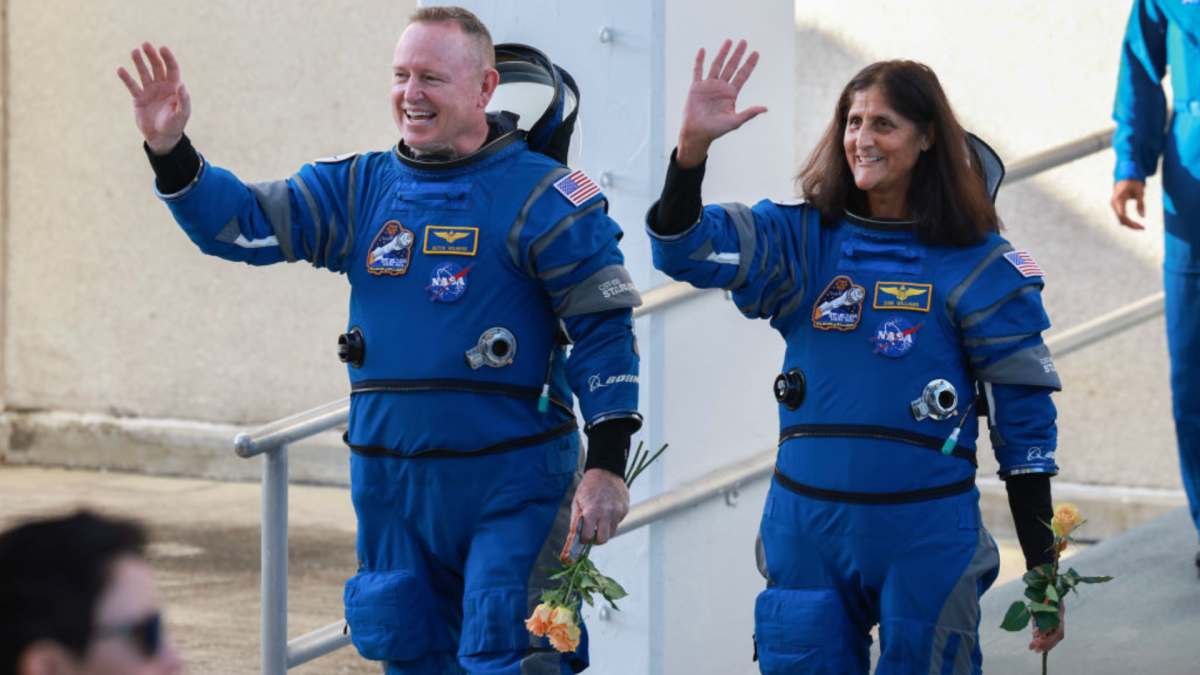
NASA’s Boeing Crew Flight Test Commander Butch Wilmore (L) and Pilot Suni Williams walk out of the Operations and Checkout Building on June 05, 2024 in Cape Canaveral, Florida. (Photo by Joe Raedle/Getty Images)
NASA’s Boeing Crew Flight Test Commander Butch Wilmore and Pilot Suni Williams walk out of the Operations and Checkout Building on June 05, 2024, in Cape Canaveral, Florida. (Image Source: Joe Raedle/Getty Images)

During the presser, NASA Administrator Jared Isaacman took accountability on behalf of the agency, accepting the fact that while Boeing built Starliner, it was NASA who allowed it to carry two astronauts into space. "The technical difficulties encountered during docking with the International Space Station were very apparent," he said. "Beyond technical issues, it is clear that NASA permitted overarching programmatic objectives of having two providers capable of transporting astronauts to-and-from orbit, influencing engineering and operational decisions, especially during and immediately after the mission. We are correcting those mistakes. Today, we are formally declaring a Type A mishap and ensuring leadership accountability so situations like this never reoccur." 
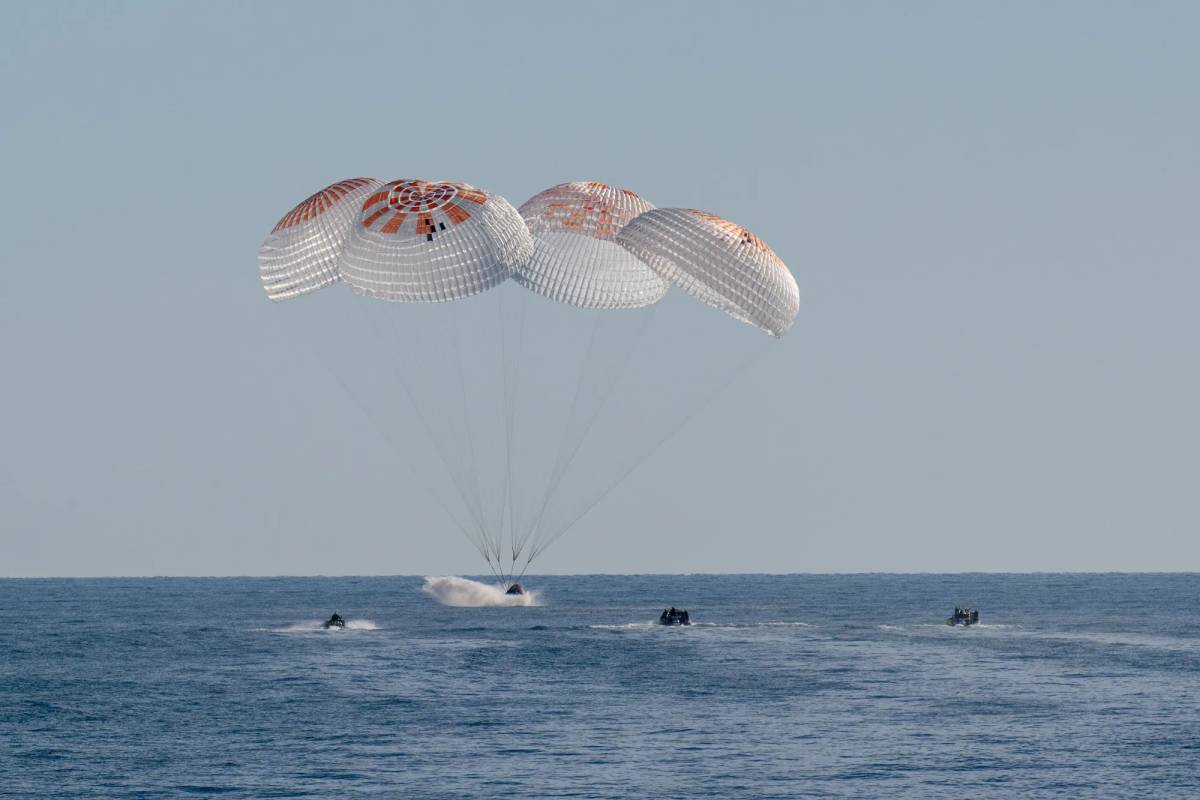
NASA astronauts Nick Hague, Suni Williams, Butch Wilmore, and Roscosmos cosmonaut Aleksandr Gorbunov land in a SpaceX Dragon spacecraft in the water off the coast of Tallahassee, Florida on March 18, 2025. (Image Source: NASA/Keegan Barber)

For the uninitiated, NASA defines a 'Type A mishap' as one that could result in crew fatality or damage of $2,000,000, among other things. While the vehicle did lose maneuverability during its approach towards the International Space Station, control was regained before docking, and neither of the astronauts sustained any injuries. However, NASA's decision to use the 'Type A' label shows that it recognizes that the situation could have caused more harm than it did.

NASA astronaut Suni Williams is helped out of the SpaceX Dragon spacecraft after she and fellow NASA astronauts Nick Hague and Butch Wilmore, and Roscosmos cosmonaut Aleksandr Gorbunov landed on the water on March 18, 2025 off the coast of Tallahassee, Florida. (Photo by Keegan Barber/NASA via Getty Images)
NASA astronaut Suni Williams is helped out of the SpaceX Dragon spacecraft after she and fellow NASA astronauts Nick Hague and Butch Wilmore, and Roscosmos cosmonaut Aleksandr Gorbunov landed on the water on March 18, 2025 off the coast of Tallahassee, Florida. (Image Source: Keegan Barber/NASA via Getty Images)

The investigation claims that a combination of factors—poor decision-making from the leadership, hardware failures, qualification gaps, and even cultural issues—was what led to a situation that was not in line with NASA's safety standards. Since Starliner's return 18 months ago, NASA has been working in tandem with Boeing to pinpoint the technical root cause. As for the independent Program Investigation Team, it was chartered by the agency in February last year. The report of the investigation was completed in November 2025.
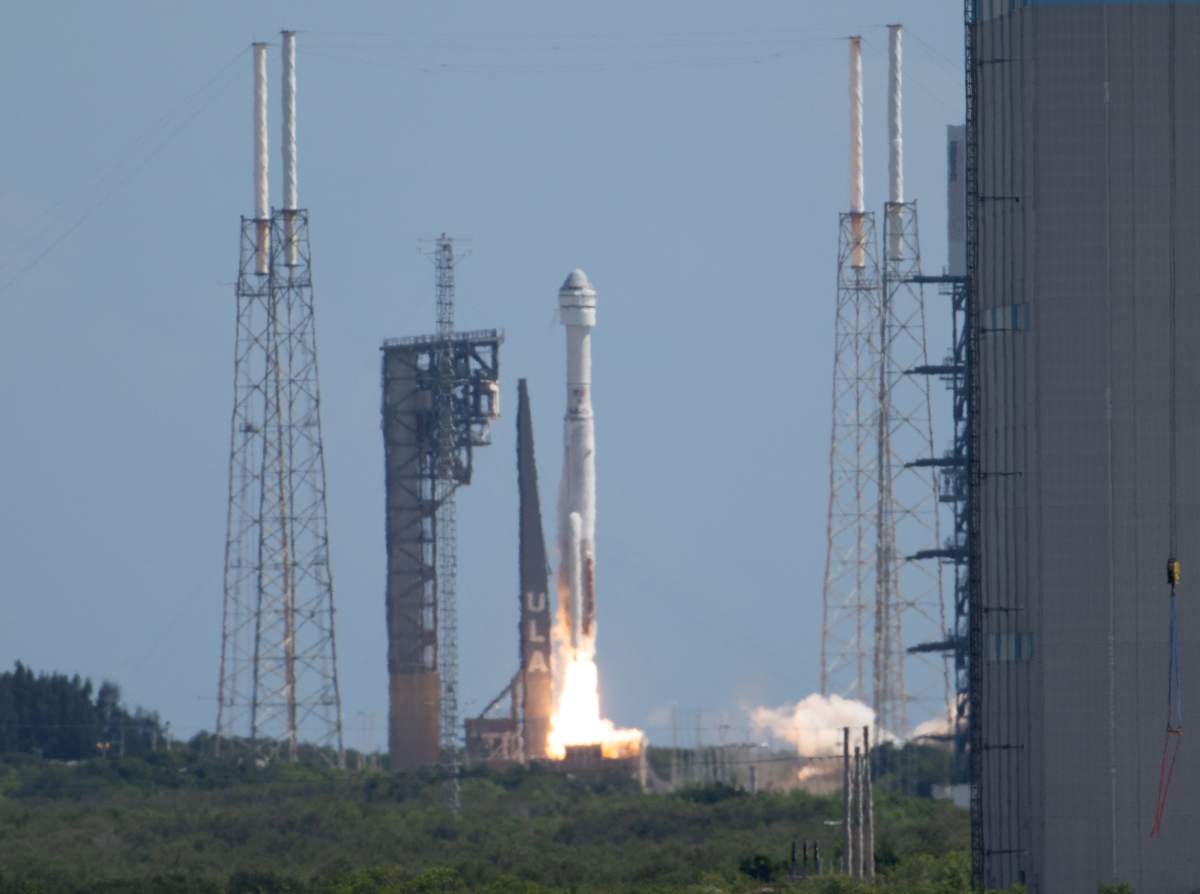
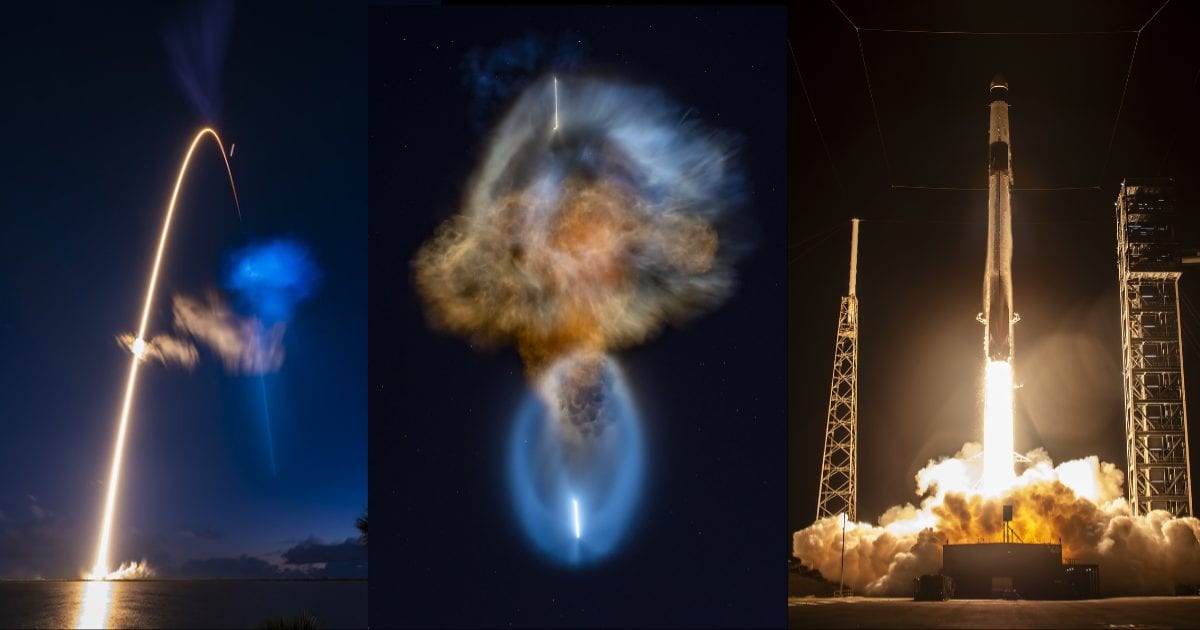
A United Launch Alliance Atlas V rocket with Boeing's CST-100 Starliner spacecraft aboard launches from Space Launch Complex 41 at Cape Canaveral Space Force Station on June 5, 2024 in Cape Canaveral, Florida. (Image Source: NASA via Getty Images/ Photo by Joel Kowsky/)
A United Launch Alliance Atlas V rocket with Boeing's CST-100 Starliner spacecraft aboard launches from Space Launch Complex 41 at Cape Canaveral Space Force Station on June 5, 2024. (Image Source: NASA via Getty Images/Joel Kowsky/)

Starliner was launched on June 5, 2024, carrying astronauts Barry ‘Butch’ Wilmore and Sunita Williams for a planned 8-14 day ISS mission. It was extended to 93 days because propulsion system anomalies were identified while the spacecraft was still nestled in orbit. After conducting thorough ground tests and examinations at White Sands Test Facility, New Mexico, NASA decided to return the spacecraft uncrewed in September 2024. Astronauts Wilmore and Williams, now retired, were brought back to Earth much later aboard a SpaceX Crew-9 Dragon spacecraft on March 18, 2025. 
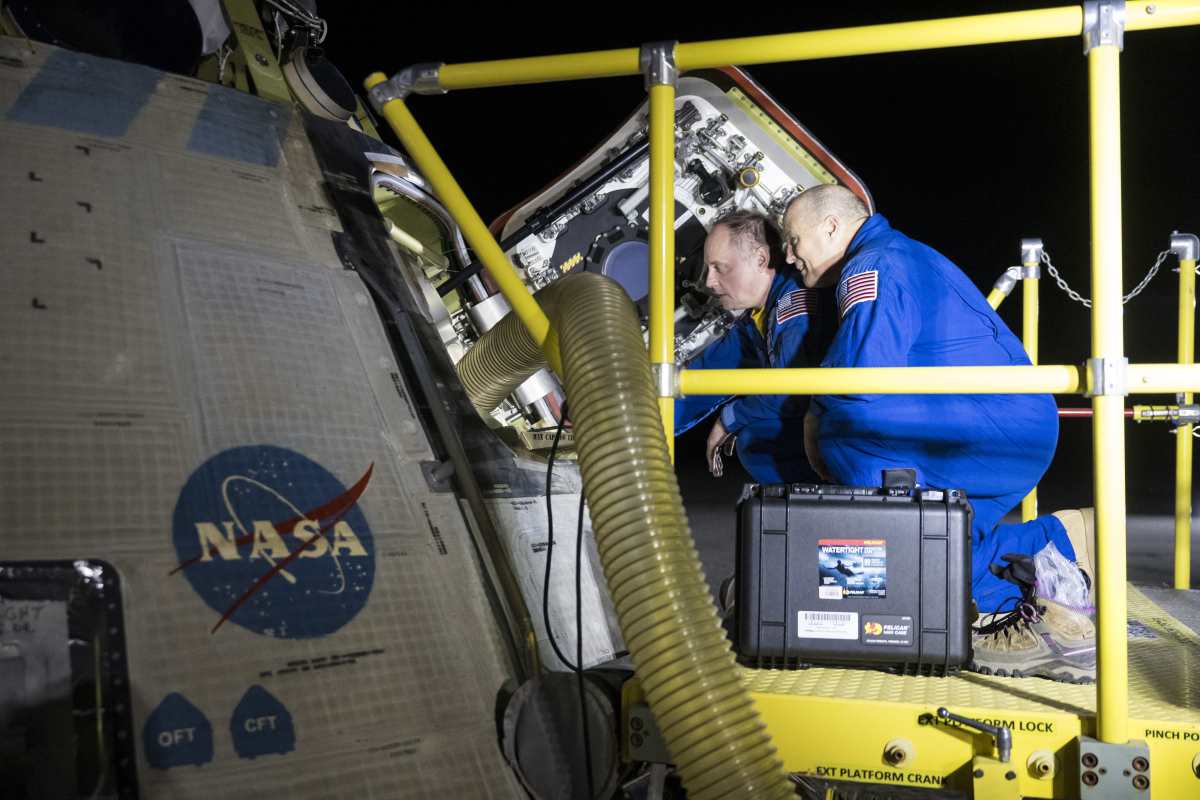
WHITE SANDS, NM - SEPTEMBER 6: NASA astronauts Mike Fincke, left, and Scott Tingle look inside NASA's Boeing Crew Flight Test Starliner spacecraft after it landed uncrewed at White Sands Missile Range's Space Harbor, on September 6, 2024 at White Sands, New Mexico. (Image Source: NASA via Getty Images/ Photo by Aubrey Gemignani)
NASA astronauts Mike Fincke, left, and Scott Tingle look inside NASA's Boeing Crew Flight Test Starliner spacecraft after it landed uncrewed at White Sands Missile Range's Space Harbor, on September 6, 2024, at White Sands, New Mexico. (Image Source: NASA via Getty Images/ Aubrey Gemignani)

"NASA will continue to work closely with Boeing to fully understand and solve the technical challenges with the Starliner vehicle alongside incorporating the investigative recommendations before flying the next mission," a NASA press release stated. Boeing, meanwhile, has stated that the Starliner program will continue and that the findings of the report will aid the company in ensuring crew safety in the future. "In the 18 months since our test flight, Boeing has made substantial progress on corrective actions for technical challenges we encountered and driven significant cultural changes across the team that directly align with the findings in the report," the company said in a statement


This ordeal opens our eyes to much bigger issues, exposing the vulnerabilities of commercial partnerships with something as delicate as human spaceflight. Speaking of Williams and Wilmore, NASA Associate Administrator Amit Kshatriya said, "We failed them."

More on Starlust

NASA 'trailblazer' Sunita Williams retires: Here's a look at her record-breaking career
NASA astronaut Suni Williams reveals the epic ‘first meal’ she had at home after nine months in space

MORE STORIES

The next decade will see commercial entities like Vast carry on research in low-Earth orbit.
17 hours ago
Human waste may be the key in sustainable colonization on Mars and the Moon.
21 hours ago
18 healthy female participants were placed in a simulated microgravity environment as part of the study.
1 day ago
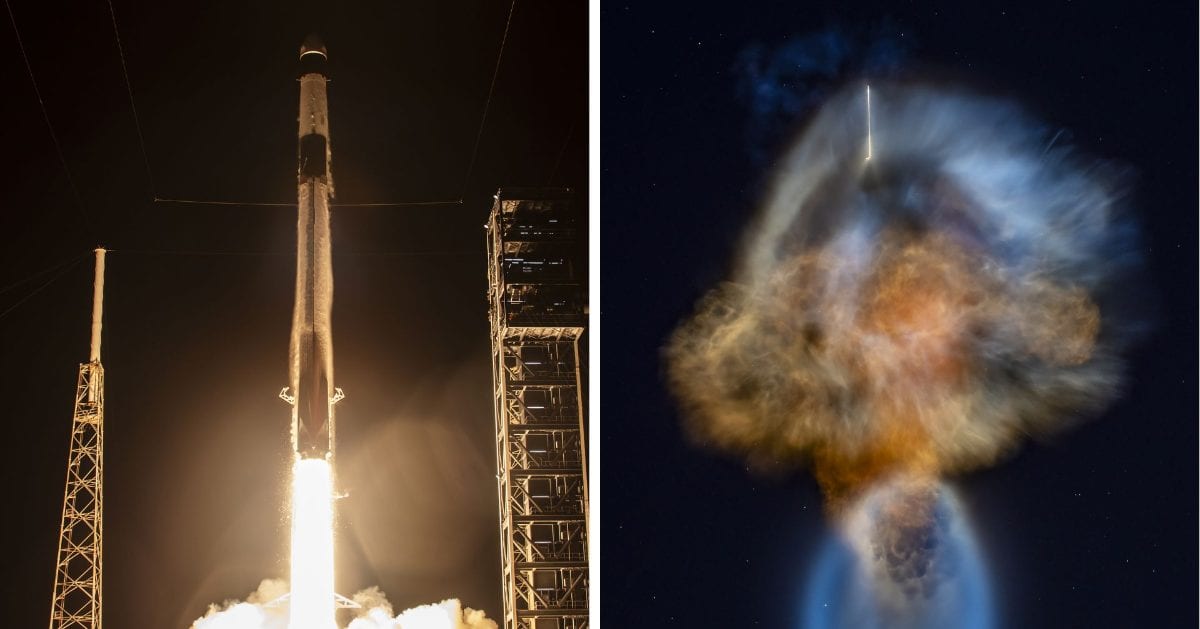
Five satellites were lost as the private rocket mission ended minutes after liftoff.
1 day ago
NASA has released the food menu for the Artemis II mission, and it is rather elaborate.
1 day ago
Artemis IV and V will see astronauts return to the surface of the Moon while Artemis III will essentially be another test flight.
2 days ago
While the primary reason of SLS rollback to VAB has been addressed, more items remain on the agenda.
2 days ago
Suit checks, robotics tests, and cargo loading usher a busy week aboard the International Space Station.
3 days ago
A safety review urges structural fixes as NASA expands Artemis and commercial space ties.
4 days ago
Artemis III will no longer land on the Moon. That objective has been shifted onto the Artemis IV mission.
4 days ago