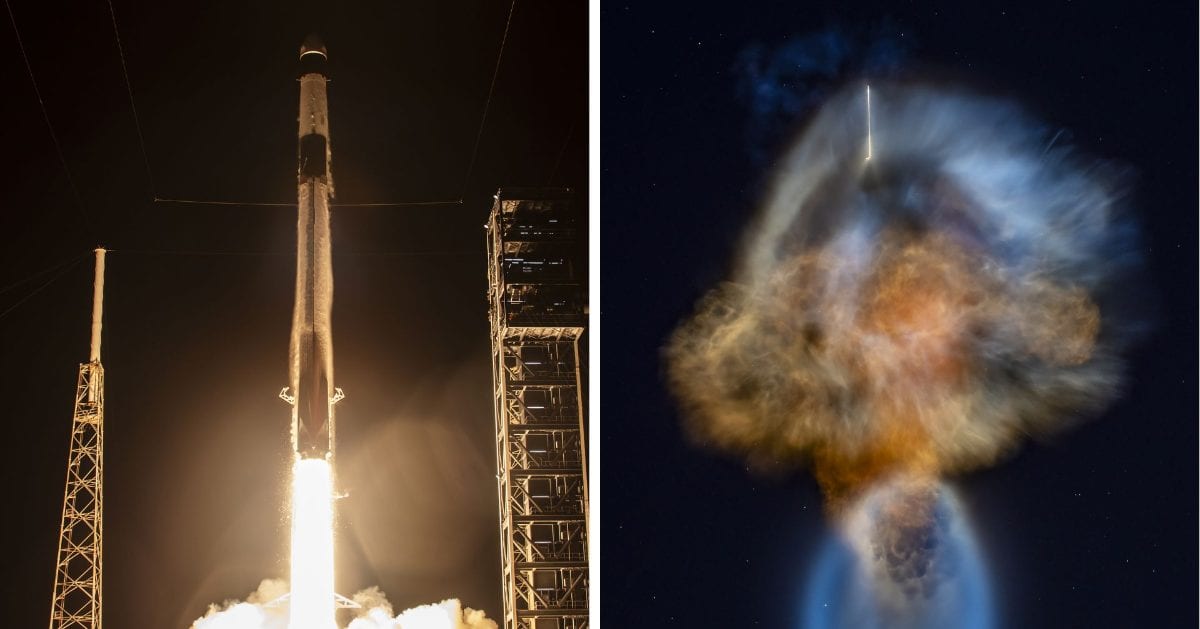
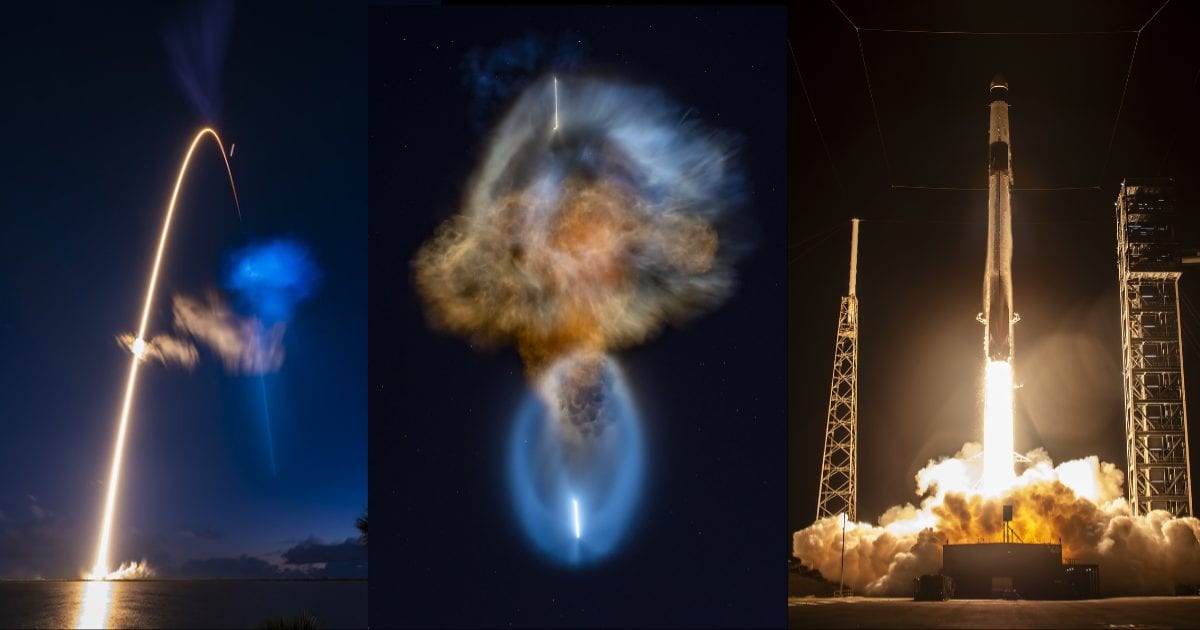
NASA plans early return of all four SpaceX Crew-11 astronauts in first ISS medical evacuation
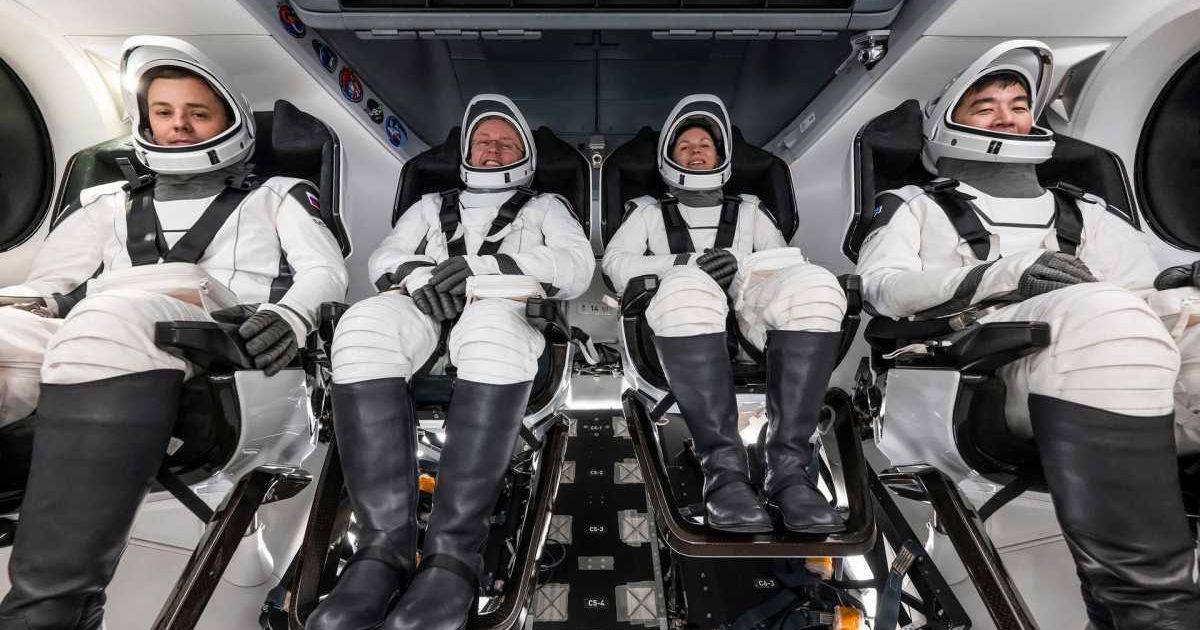
NASA has confirmed that the four astronauts of the SpaceX Crew-11 mission aboard the International Space Station (ISS) will return to Earth earlier than planned after a crew member experienced a medical issue in orbit. This will mark the first medical evacuation in the history of the ISS, which has hosted people since November 2000. Officials, however, made it clear that the astronaut is stable and that the situation does not constitute an emergency.
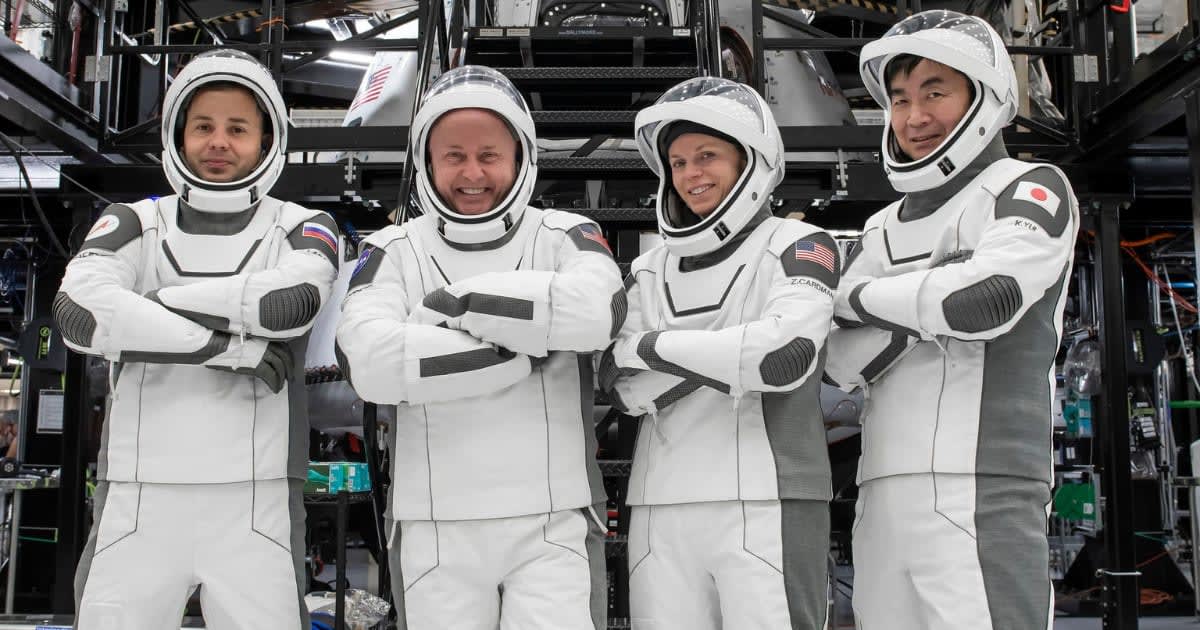
“It is not an emergency de-orbit, even though we always retain that capability, and NASA and our partners train for that routinely,” NASA Administrator Jared Isaacman said during a press conference. According to Isaacman, the key factor behind the decision was the station’s limited ability to fully diagnose and treat certain conditions. “The capability to diagnose and treat this properly does not live on the International Space Station,” he said. Crew-11 includes NASA astronauts Zena Cardman and Michael Fincke, Japan’s Kimiya Yui, and Roscosmos cosmonaut Oleg Platonov. The four launched aboard SpaceX’s Crew Dragon Endeavour on August 1, 2025, for a planned six-month mission.
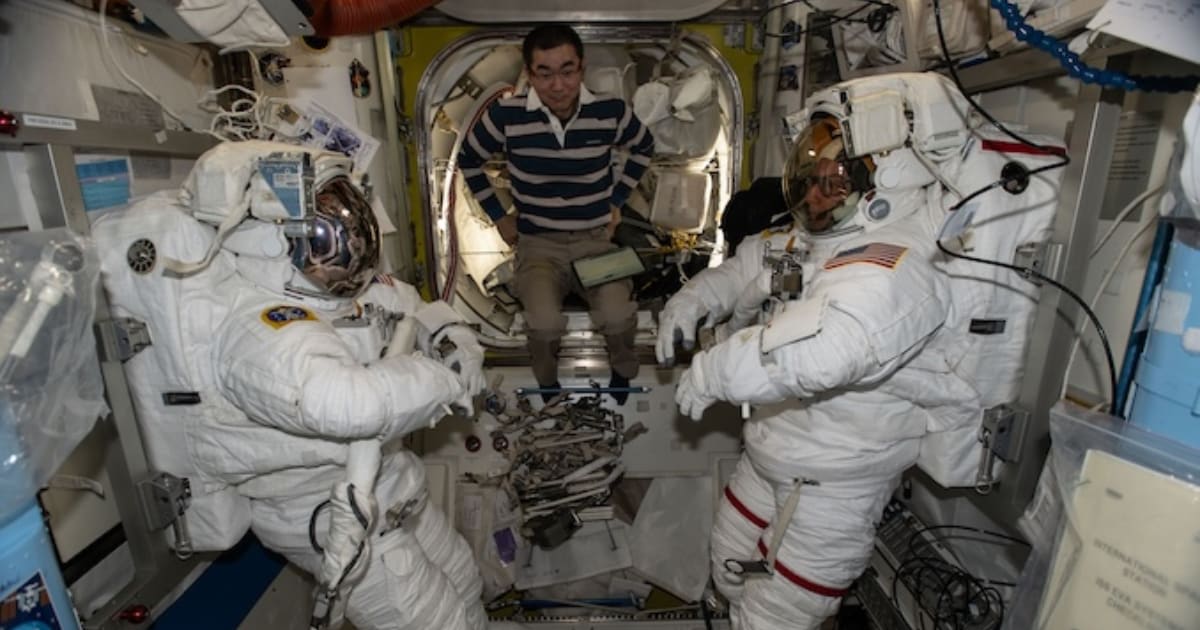
With that mission now nearing completion, NASA officials said the timing made an early return more practical. “We're always going to do the right thing for our astronauts, but it's recognizing it's the end of the Crew-11 mission right now. They've achieved almost all of their mission objectives,” Isaacman said. “Crew-12 is going to launch in a matter of weeks anyway. This is an opportune time — when the vehicle is ready, when weather supports — to bring our crew home.”NASA has not yet finalized a return date but said a decision is expected in the coming days. At the same time, NASA says that it is working closely with SpaceX and its international partners to review options for advancing the launch of the next crewed mission, Crew-12.

The medical issue first came to light on Wednesday, January 7, when NASA postponed a scheduled spacewalk planned for the following day. That spacewalk was to be conducted by Cardman and Fincke. NASA initially cited a “medical concern” but offered few details. Those details remain limited. The agency has not identified the affected astronaut, citing privacy concerns. However, Dr. James Polk, NASA’s chief health and medical officer, clarified that the issue was not related to the spacewalk activities. “This is not an operational issue. This was not an injury that occurred in the pursuit of operations,” Polk said. “It's mostly having a medical issue in the difficult areas of microgravity and with the suite of hardware that we have at our avail to complete a diagnosis.”
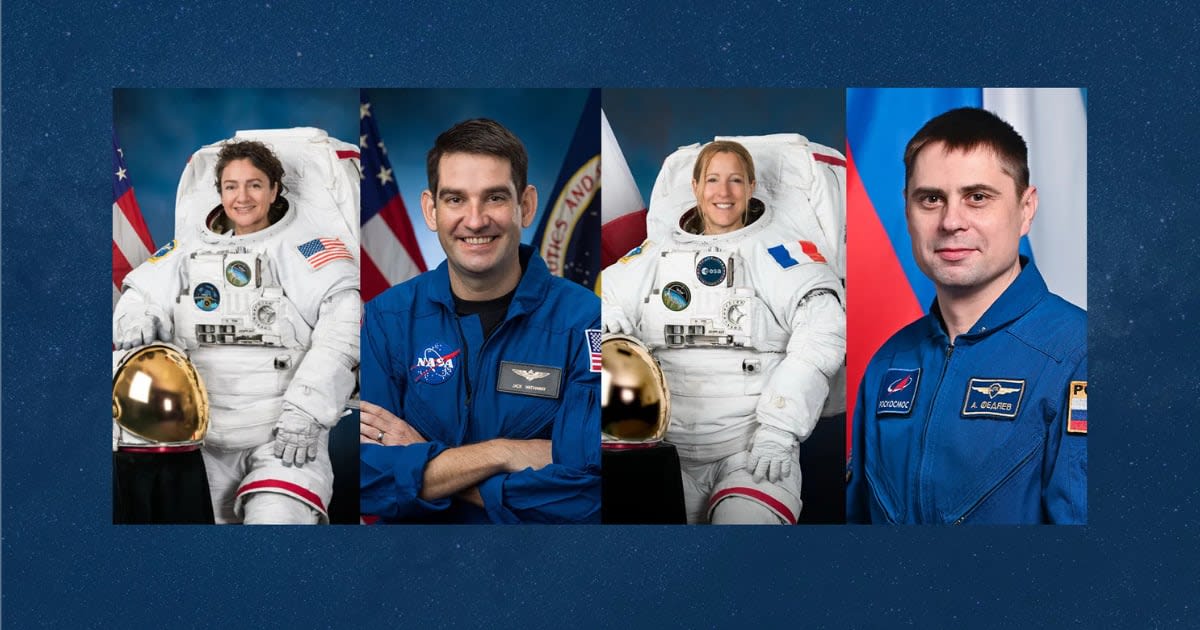
According to NASA, Crew-12 is originally scheduled to launch no earlier than Sunday, February 15, 2026, for a long-duration science expedition aboard the ISS. The Crew-12 mission will carry four astronauts from three space agencies. NASA astronauts Jessica Meir and Jack Hathaway will serve as the spacecraft commander and pilot, respectively. They will be joined by European Space Agency astronaut Sophie Adenot and Roscosmos cosmonaut Andrey Fedyaev, both serving as mission specialists. Crew-12 will be the 12th astronaut rotation flight operated by SpaceX under NASA’s Commercial Crew Program. During their stay, the astronauts will conduct scientific research and technology demonstrations aimed at supporting future human missions to the Moon and Mars, while also delivering benefits for life on Earth.
Following Crew-11’s departure, the ISS may temporarily operate with a reduced crew. NASA astronaut Christopher Williams and Russian cosmonauts Sergey Kud-Sverchkov and Sergei Mikayev are expected to remain aboard. Williams would serve as the only American on the station for a short period. “Chris is trained to do every task that we would ask him to do on the vehicle,” NASA Associate Administrator Amit Kshatriya said. “Of course, we also do a lot of the operations of the vehicle from our various control centers all over the world,” he added. “So he will have thousands of people looking over his shoulder, like our crew do all the time, to help ensure that they continue the groundbreaking science.”
More on Starlust
Scientists have finally discovered how Martian lakes could exist without a warm climate
China eyes lunar water ice as Chang’e 7 gets ready for the Moon's south pole