Scientists stunned by fireworks in nearby galaxy: 'Something unusual is going on in these objects'
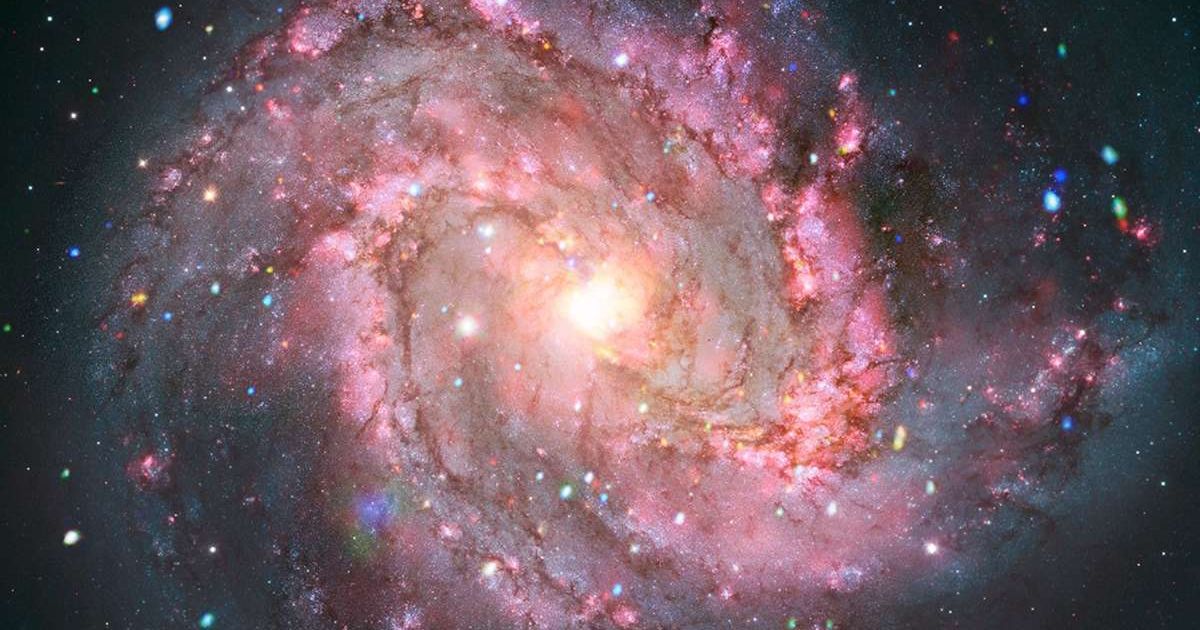
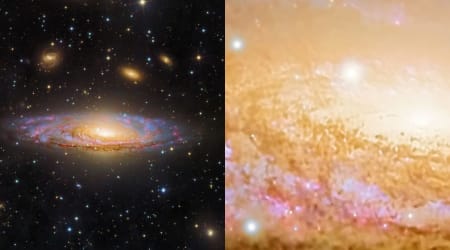
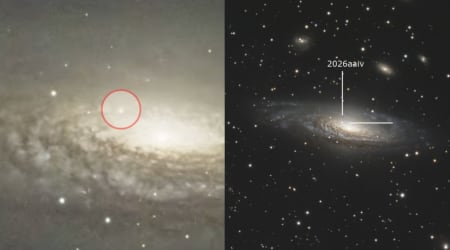
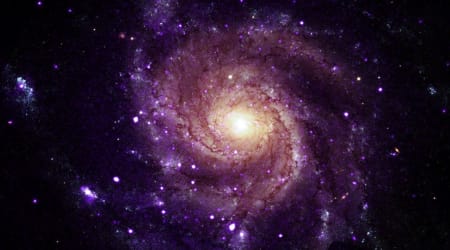
A group of researchers came across something surprising when they turned NASA's Chandra X-ray telescope towards Messier 83 (M83)—a star-forming galaxy located 15 million light-years from Earth. Analyzing 14 years of data gathered by the observatory, the team found sources within the galaxy that had previously been identified as supernova remnants display dramatic variations in X-ray brightness. The corresponding study was published on June 11 in The Astrophysical Journal, and the findings were showcased at the American Astronomical Society meeting in Pasadena, California.
When astronomers pointed NASA's Chandra at nearby galaxy M83, the last thing they expected to find was a population of supernova remnants appearing to dramatically change in brightness. More on the discovery: https://t.co/m7UmcwoaST #AAS248 pic.twitter.com/AudsQl7I9D
— Chandra Observatory (@chandraxray) June 15, 2026
The researchers had expected supernova remnants older than a century to gradually fade in X-rays. However, seeing about half of the 22 sources in the sample show variable X-ray brightness over the 14 years really left them scratching their heads. "We knew that individual X-ray sources could vary dramatically, but finding that so many supernova remnants were behaving this way was a real surprise," said Andrea Prestwich of the Catholic University of America, the lead author of the study, in a statement. "Something unusual is going on in these objects."
So far, the team has been able to find a straightforward explanation for only one of the remnants, called SN 1957D, which was first observed 70 years ago and is colliding with the material around the explosion site, producing X-rays in the process. The same explanation, however, does not apply to other sources, as there is no proof that they were born in the last hundred years or so. That being said, there are a couple of likely scenarios that the researchers are considering.
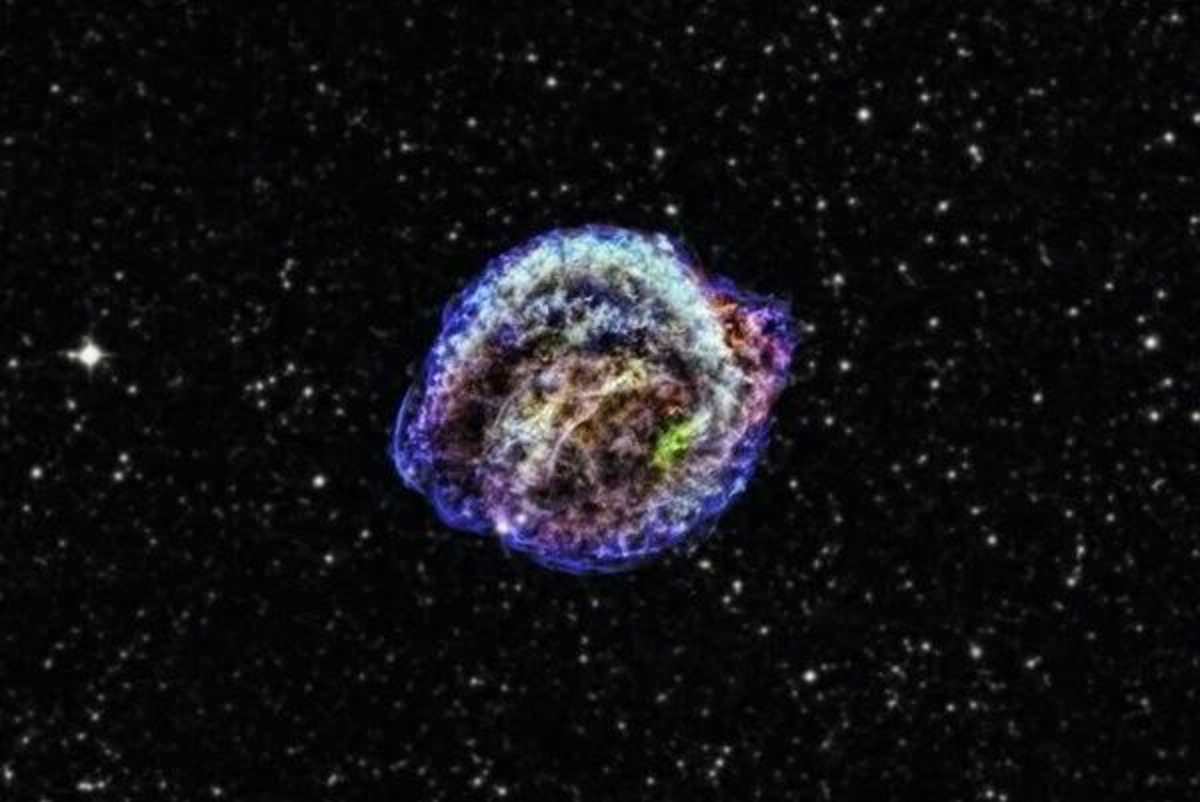
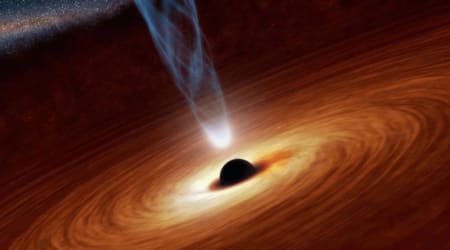
The most likely of the two scenarios is that each X-ray source is one of a pair of massive stars that used to orbit each other, the bigger of which exploded as a supernova, leaving the other to hang around a black hole or an ultra-dense neutron star. Each black hole or neutron star has since been siphoning material off the survivor, with the immense gravitational pull at play heating the material and producing X-rays in the process. Such systems are known as high-mass X-ray binaries (HMXBs). The second possible explanation is that instead of pulling material from the companion star, each black hole or neutron star may be feeding on the remnants of the original explosion. "This could be an example of cosmic recycling, where debris from the explosion falls back onto the very object the supernova created," said co-author Roy Kilgard of Wesleyan University. "And it's quite possible that both explanations are at play—different sources in our sample may have different origins."
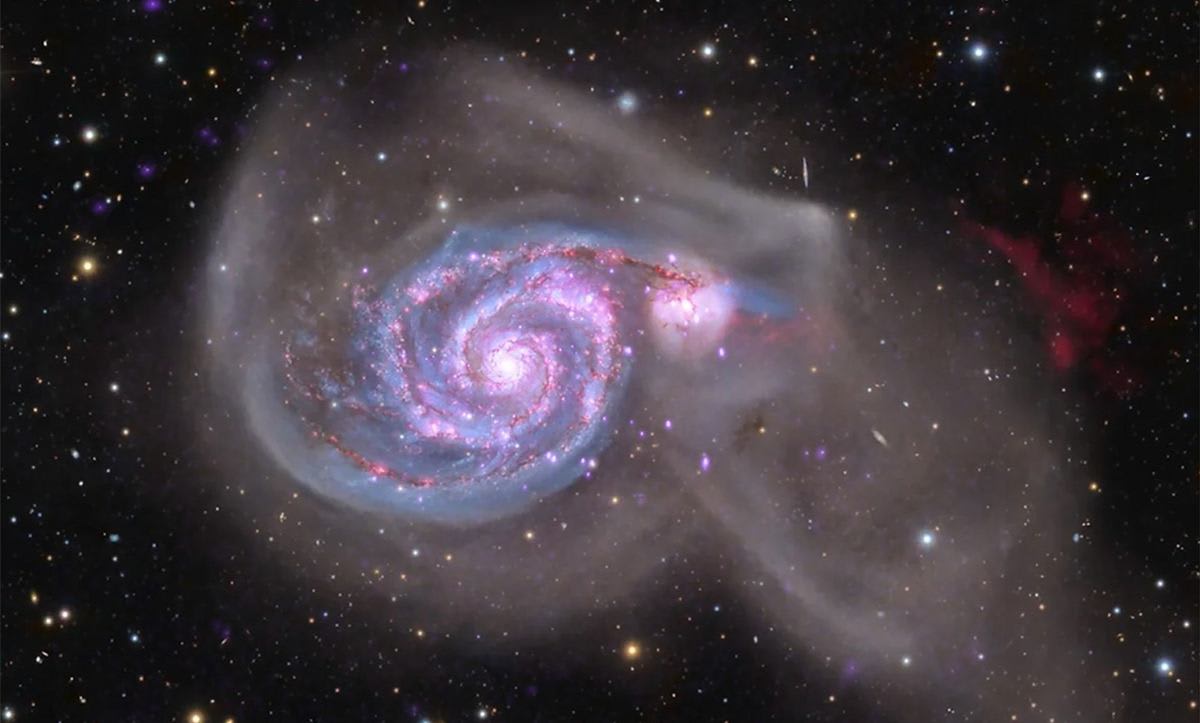
Kilgard was also involved with Zoe Hoiland of Vassar College in the study of another nearby galaxy. Designated M51, the galaxy seems to have a similar population of X-ray sources as M83. This indicates the features in M83, as surprising as they might be, might be common across star-forming galaxies.
More on Starlust
NASA’s Chandra stitches decades of data on supernova remnant into its longest video yet
Not every galaxy has a supermassive black hole like the Milky Way's, NASA's Chandra Telescope finds