Scientists simulated neutron star reaction in a lab. The results fixed a major 'roadblock.'
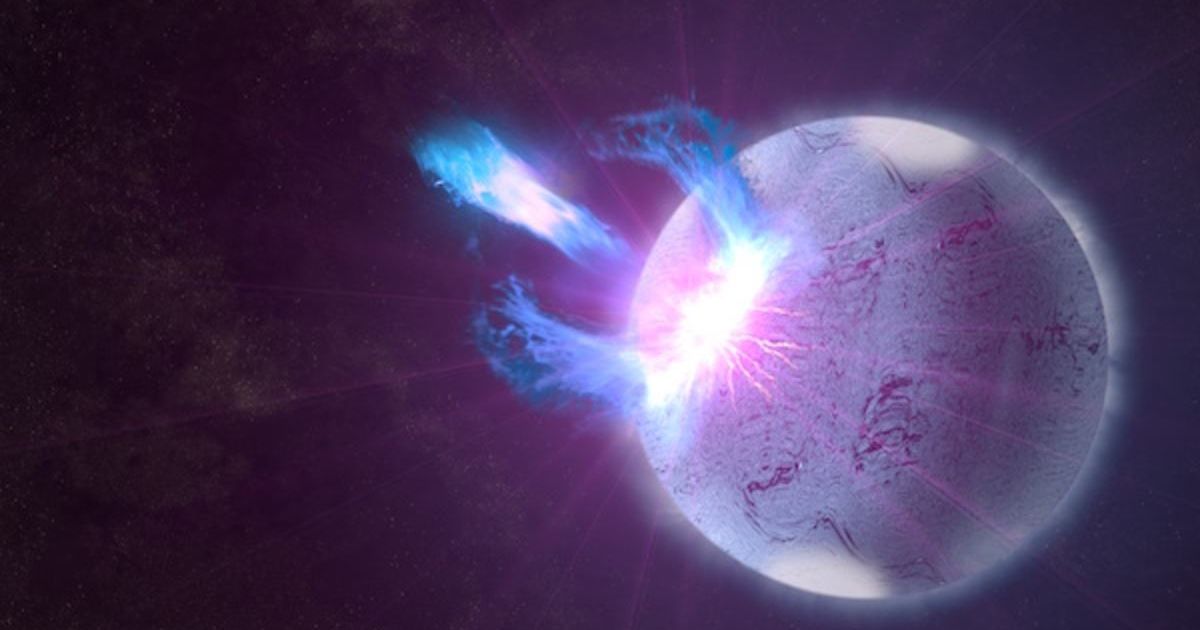
Physicists, led by Jaspreet Randhawa at Mississippi State University (MSU), have recreated a key nuclear reaction in a laboratory that actually occurs during explosive bursts on neutron stars. Such stars cook up heavier elements that form the building blocks of planets and even support the evolution of life on Earth. The team reports their findings in The Astrophysical Journal. “The universe began almost entirely with hydrogen and helium,” said principal investigator Randhawa, assistant professor in MSU’s Department of Physics and Astronomy, in a statement. “Every heavier element — from the oxygen we breathe to the iron in Earth’s core — was forged later in stars and stellar explosions.”

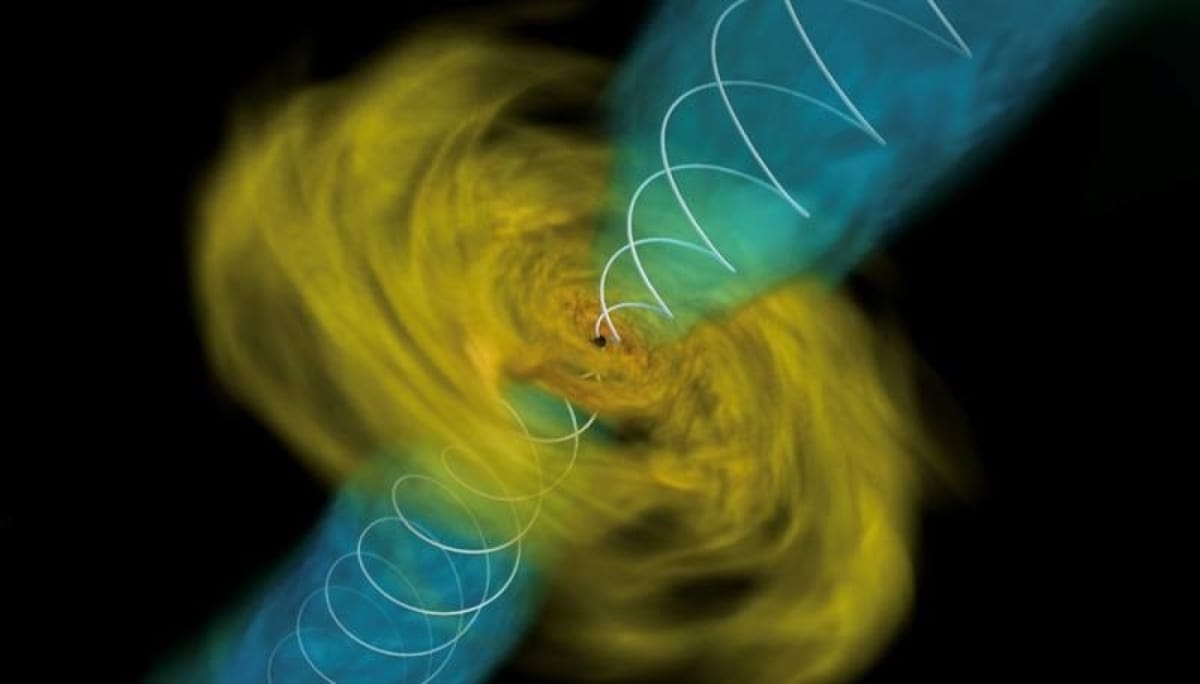
“By identifying how stellar explosions build heavier elements, scientists gain a clearer picture of how the elements that form planets and support life are distributed through the cosmos,” he added. A neutron star is the densest object in the universe. Half a million times Earth’s mass can be squeezed into a sphere that is about 12 miles across or similar in size to a city. If you can make a sugar cube using neutron star material, it will weigh about 1 trillion kilograms (or 1 billion tons) on Earth. Such immense mass causes the core of the star to collapse, crushing together every proton and electron into a neutron. This, in turn, triggers runaway nuclear reactions that eventually lead to thermonuclear explosions and X-ray bursts.
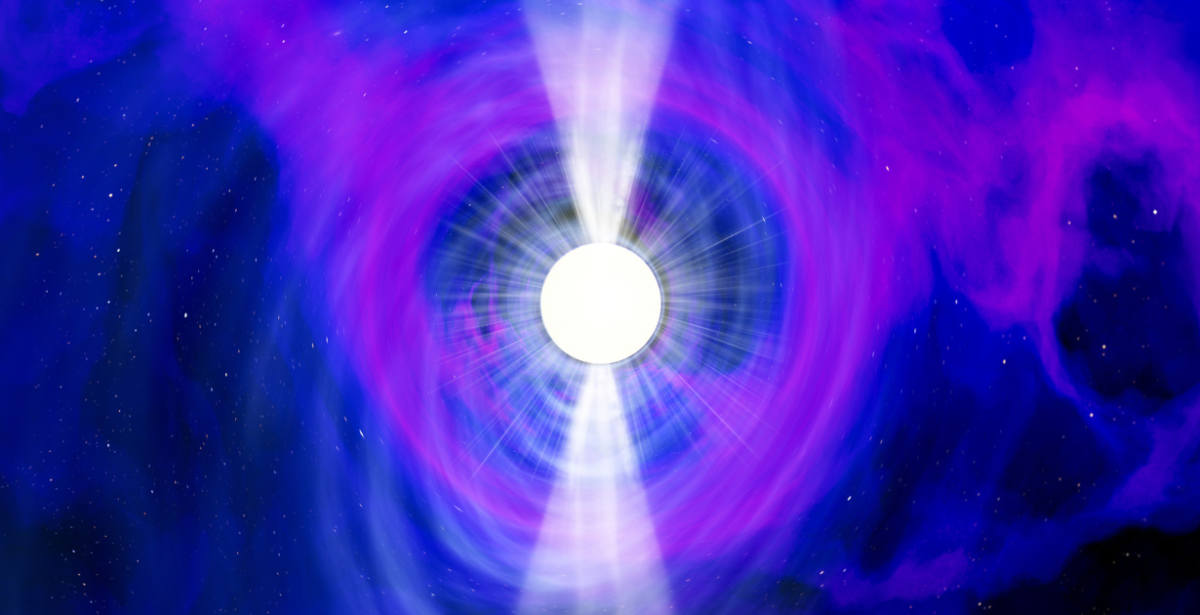
Researchers have long wondered whether the process of forming heavier elements in these bursts could stop at a point where nuclear reactions produce copper-59, a short-lived isotope that decays in less than two minutes. “That brief window has made it difficult for researchers to study the reaction in a laboratory, posing a major challenge for direct measurement,” Randhawa said. His peers and he wanted to probe whether there is any built-in "roadblock" that prevents the formation of such heavier elements when neutron stars flare up with X-ray emissions.
The team produced a copper-59 radioactive beam and accelerated it using a superconducting linear accelerator. Then the beam was passed through an ionization chamber, filled with isobutane gas and eventually directed to strike onto a thin solid hydrogen target. The target was cooled to around 4 degrees Kelvin. “Our measurements show this roadblock is much weaker than expected, meaning the process that builds heavier elements can continue,” said Randhawa. The researchers note that this is the first direct laboratory measurement of this key reaction that happens on the surface of neutron stars.
More on Starlust
Astronomers witness the birth of a magnetar for the first time, confirming a 16-year-old theory