Scientists say Earth-like planets may not be common in the universe
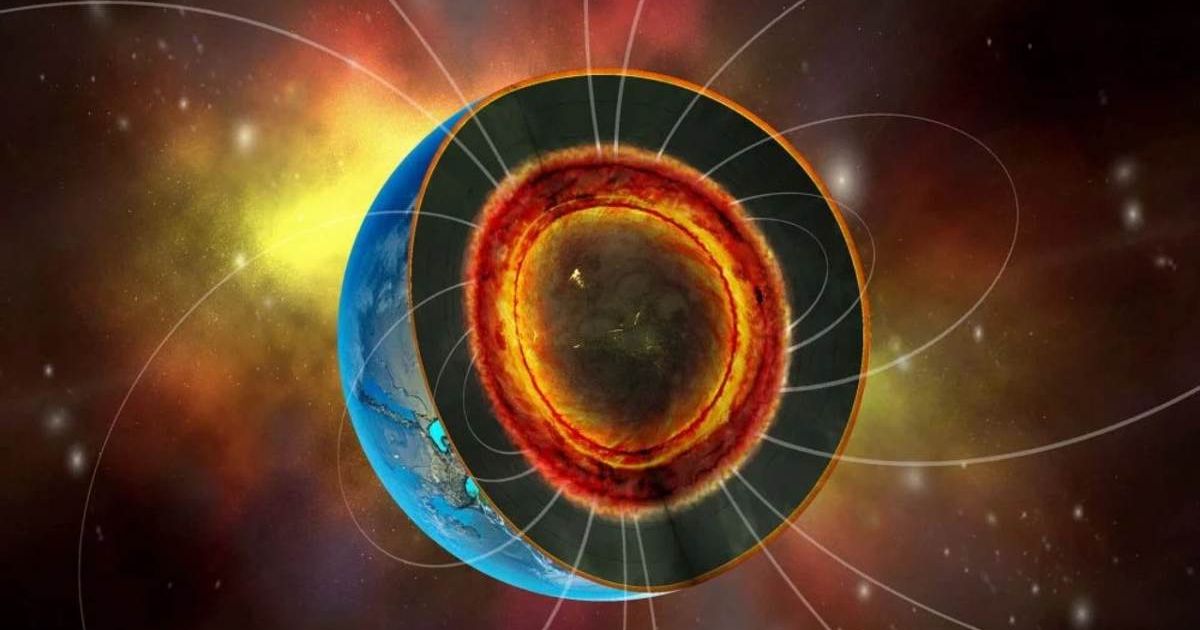
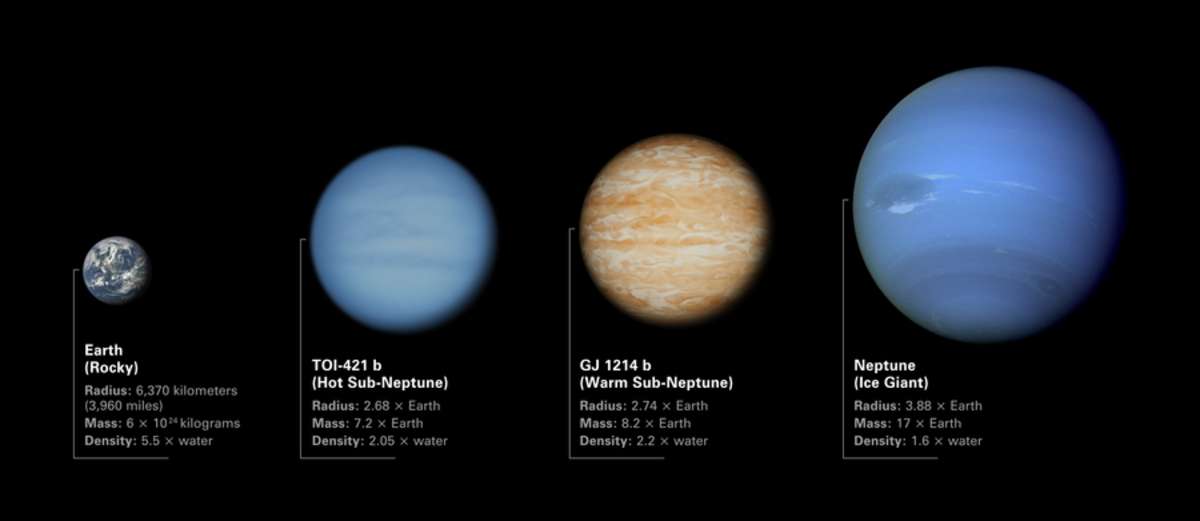
In our solar system, the rocky planets, like our own Earth, have a pretty well-defined structure—a dense metallic core, a silicate mantle, and a thin atmosphere. But is that the case for their cousins located outside our solar neighborhood as well? A new study submitted to the Astrophysical Journal and currently available on the arXiv preprint server says 'no.' Sub-Neptunes, which refer to planets larger than Earth and smaller than Neptune, are the most common class of planets that have been found outside our solar system. And the understanding so far has been that these planets, too, were born out of the same process that Earth was — iron sinking to the middle, silicate rocks settling above, and hydrogen gas sitting on top. However, inside a sub-Neptune planet, the rules change.
At temperatures roughly above 4000 Kelvin, hydrogen and molten silicate stop behaving like separate substances. Under enormous pressures deep inside these planets, they become fully miscible. This means that no layers form. The research team set out to find out what effect this has on the structure of these planets, and the answer is surprising. If a young planet acquires less than 1% of its mass in hydrogen during formation, it still evolves into something Earth-like—a metallic core buried beneath a rocky mantle. But once the hydrogen fraction rises above about one percent of the planet’s mass, the interior may transform into something radically different.
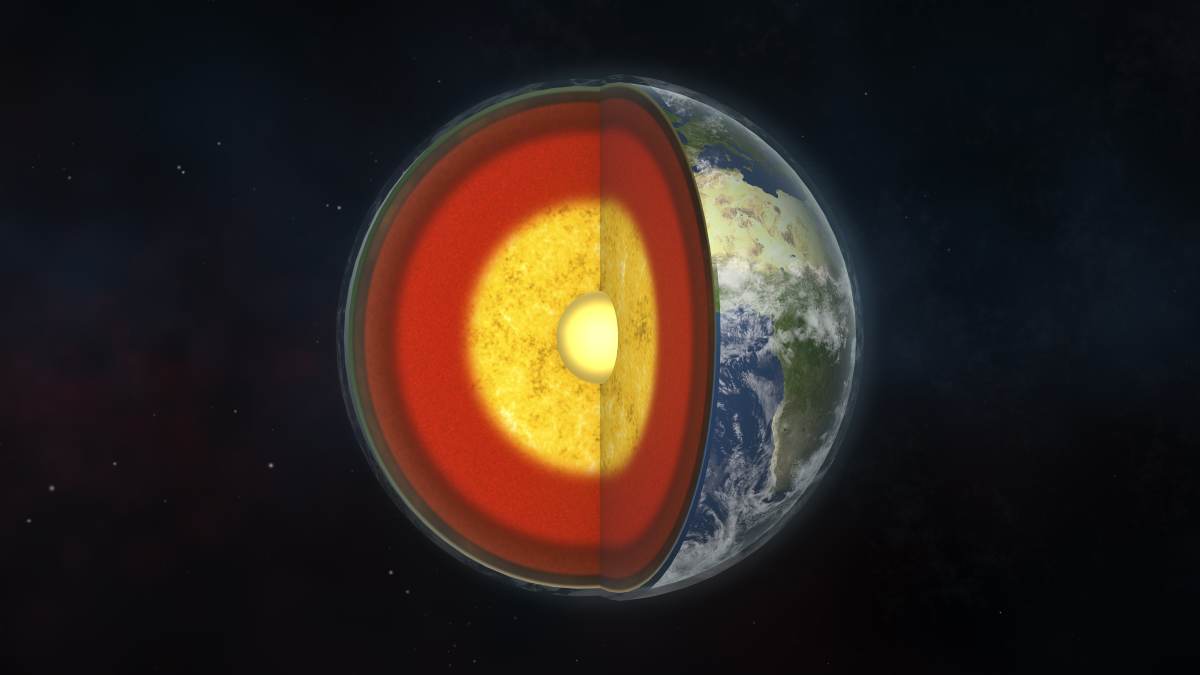
The whole interior of the planet becomes a single, mixed, churning fluid of iron, silicate, and hydrogen. This gives birth to a planet that is devoid of a core and mantle. It becomes a homogeneous blend all the way down to within a few thousand kilometers of the center. These outcomes completely depart from conventional views of the planets when studied inside out. The miscibility framework produces a number of features that can be observed in exoplanets that old layered-cake models cannot explain. The researchers say that one of those features is the radius gap. This refers to the scarcity of planets of sizes between super-Earths (more massive than Earth yet smaller than ice giants) and sub-Neptunes that the James Webb Space Telescope and the Kepler Space Telescope have found. Another is an orbital period, which determines planet radii.

Young sub-Neptunes may initially trap enormous quantities of hydrogen inside their deep interiors, dissolved directly into molten rock. As the planet slowly cools over hundreds of millions of years, the region where hydrogen and rock can remain mixed begins to shrink. The hydrogen starts coming back out, literally bubbling out of the planetary rock and migrating upward into the atmosphere. As a result, the planets look puffier than they should at their age. But all these are theoretical extrapolations. The conditions inside sub-Neptunes are so extreme that no laboratory on Earth can perfectly reproduce them. Yet, the claims are bold and provocative.
More on Starlust
AI tool confirms over 100 exoplanets from NASA's TESS data after scanning 2.2 million stars
On a 'Hot Jupiter', day begins with clouds; by nightfall those clouds vanish—here's why