Scientists rush to coordinate spacecraft as massive comet 3I/ATLAS approaches Mars
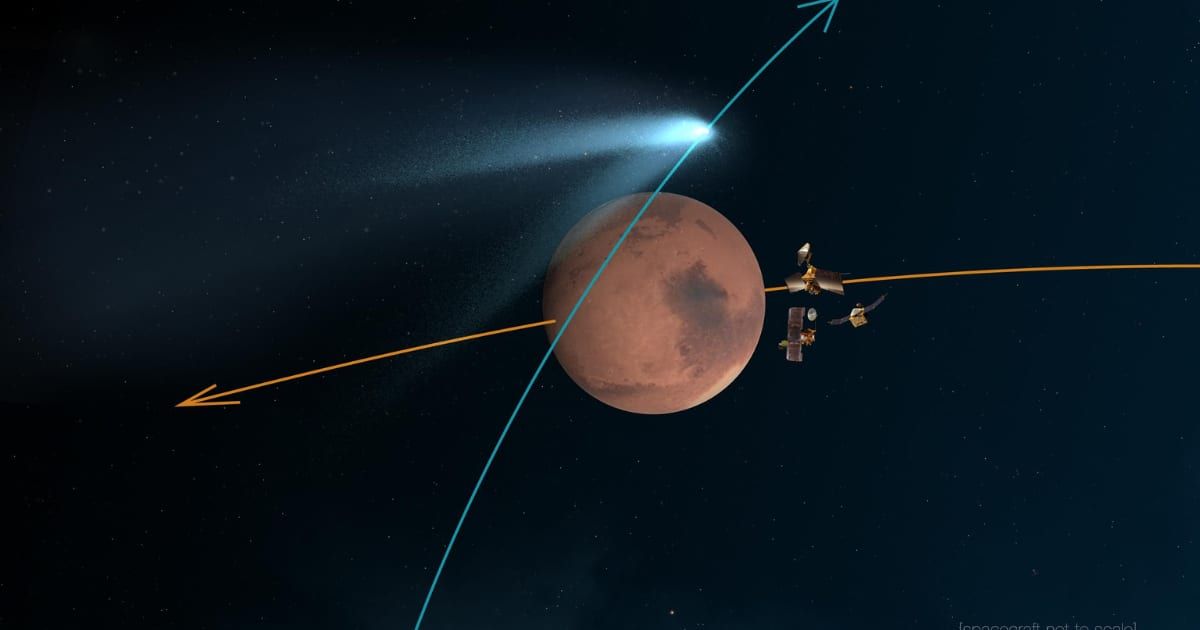
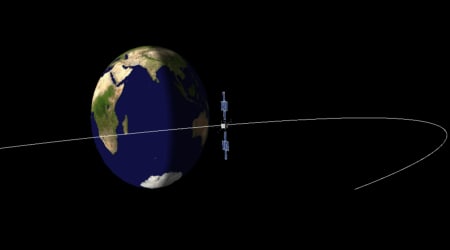
The European Space Agency (ESA) has mobilized its interplanetary fleet near Mars to conduct urgent observations of the newly discovered interstellar visitor, comet 3I/ATLAS. First detected in July 2025 by the ATLAS system in Chile, the celestial body has since passed the Sun. It is now beyond Earth's line of sight, making ground-based observation impossible, according to the European Space Agency.
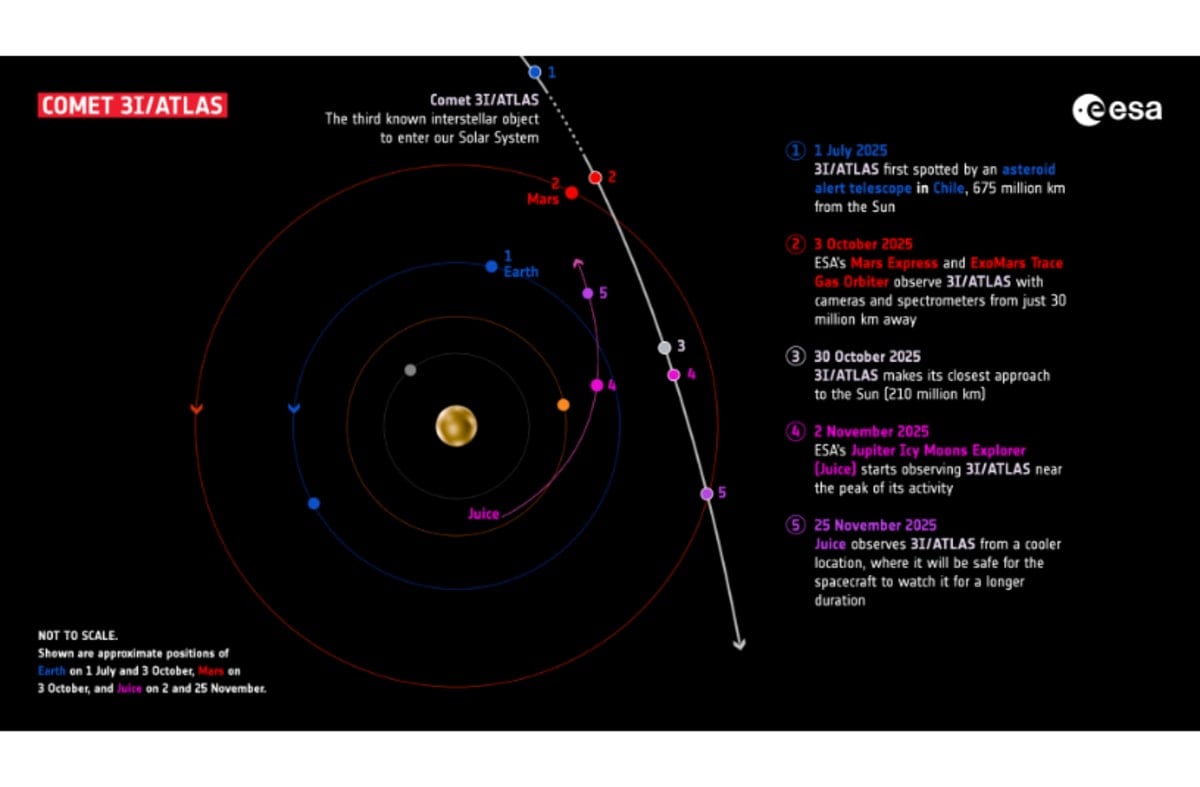
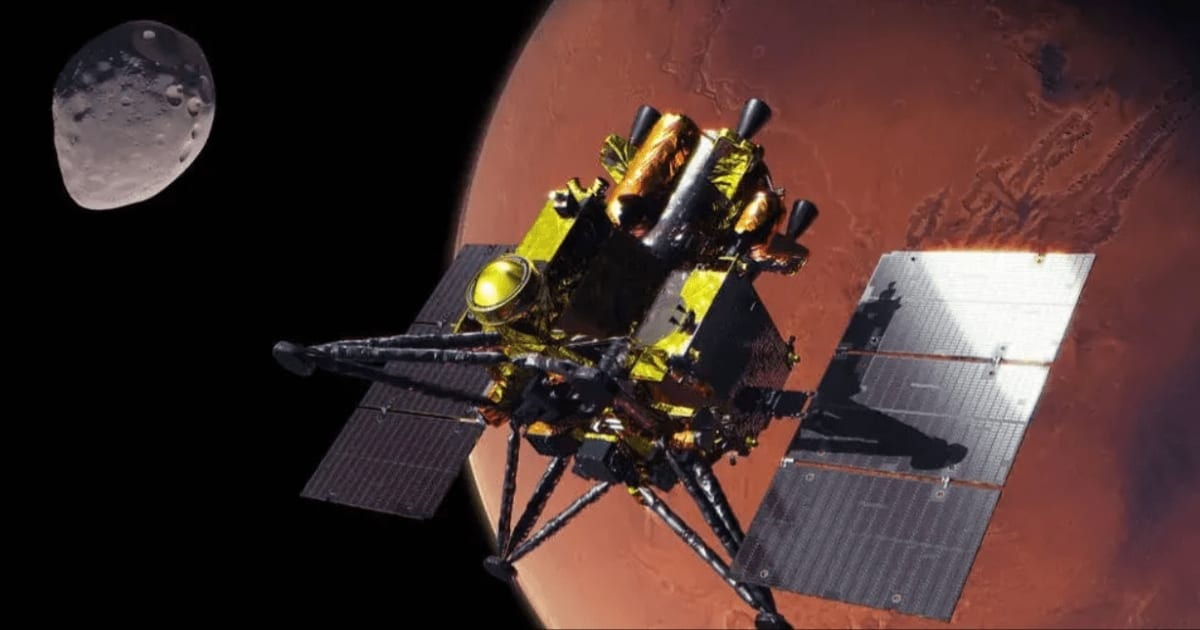
Between October 1 and 7, ESA's twin Mars orbiters, Mars Express and the ExoMars Trace Gas Orbiter, will pivot their instruments toward the comet. The closest encounter is anticipated on October 3, with the spacecraft coming within a still-vast but strategically valuable 30 million kilometers of the object.
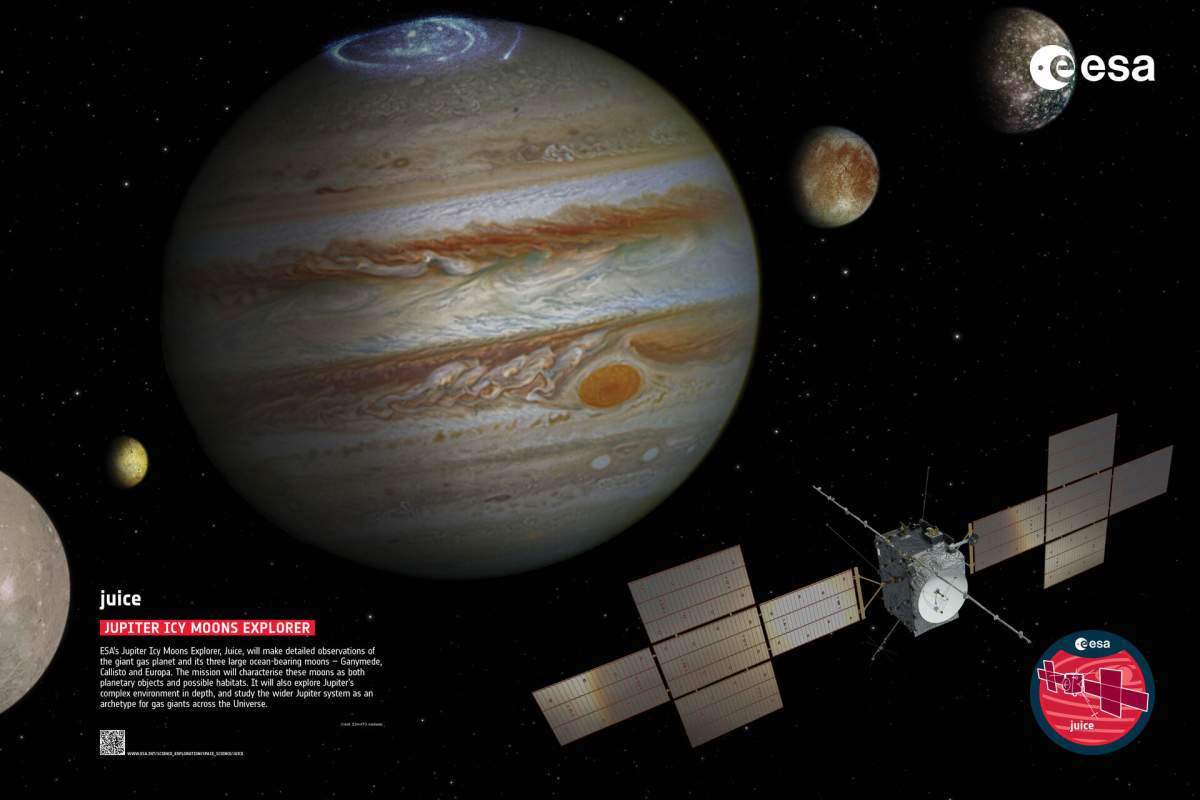
The observation campaign will then shift to ESA’s Jupiter Icy Moons Explorer (Juice) mission. From November 2 to 25, Juice is scheduled to use its array of instruments to study the comet. Experts anticipate this will offer the most vivid and informative look at 3I/ATLAS. The timing, shortly after the object's closest approach to the Sun, is expected to catch the comet at its peak activity, displaying an intensely bright halo around its nucleus and a dramatically extended tail. The data gathered by these missions is considered critical to understanding the composition and behavior of this rare interstellar interloper.
The observation efforts are of particular interest to Harvard University astrophysicist Avi Loeb, who has controversially suggested that the massive interstellar object could be a piece of alien technology, per the New York Post. Loeb emphasized that the upcoming, close-range data from the Mars missions will be critical in resolving the object's mysterious nature, which first appeared on July 1. “The highest resolution image so far was obtained by the Hubble Space Telescope on July 21, 2025, when 3I/ATLAS was at a distance of 570 million kilometers," Loeb told The Post. "This is 20 times farther than the closest approach of 3I/ATLAS to Mars.”
![Hubble captured this image of the interstellar comet 3I/ATLAS on July 21, 2025, when the comet was 277 million miles from Earth. [Image Source: NASA, ESA, David Jewitt (UCLA); Image Processing: Joseph DePasquale (STScI)]](https://de40cj7fpezr7.cloudfront.net/c49eeb4e-e60a-46c0-b39f-68fbb2ee9297.jpeg)
Loeb’s own recent analysis, based on existing imagery, suggests 3I/ATLAS is significantly larger than previously estimated, potentially weighing an astonishing 33 billion tons. "The brightest pixel in the HiRISE image would gauge the surface area of 3I/ATLAS and therefore its diameter," Loeb explained. "In a recent paper, I derived that the diameter of 3I/ATLAS is larger than 5 kilometers, larger than the width of Manhattan Island.” This immense size sets it dramatically apart from the two previously observed interstellar objects: Oumuamua, which was only the size of a football field, and Borisov, which had a diameter of just 0.04 kilometers.
Loeb highlighted the profound size disparity. “Why is the third interstellar object 3I/ATLAS a million times more massive than the first one?" he asked. "The image of HiRISE might exacerbate or weaken the discrepancy. Time will tell.” The astrophysicist also previously made a sensational claim, stating, "If the object makes a maneuver on October 29, the stock market will crash.”
More on Starlust
Interstellar comet 3I/ATLAS will make its closest approach to Earth soon—here's how to spot it now