Scientists find potentially habitable Earth-like planet not too far from our own solar neighborhood
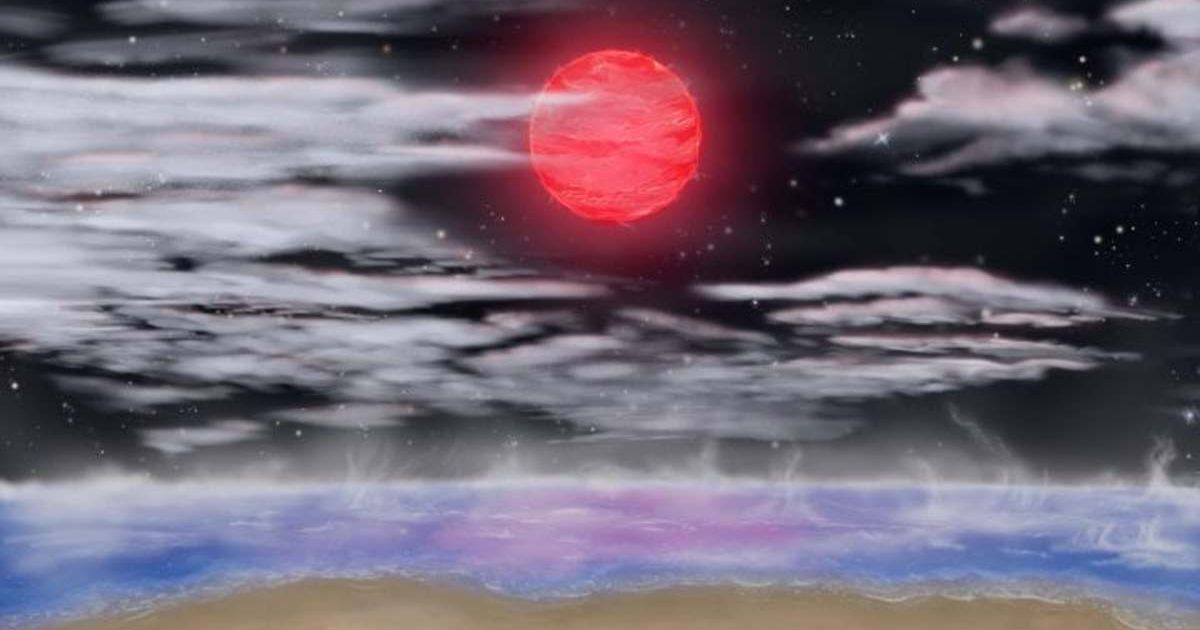
The planet is being described as our "next-door neighbor."
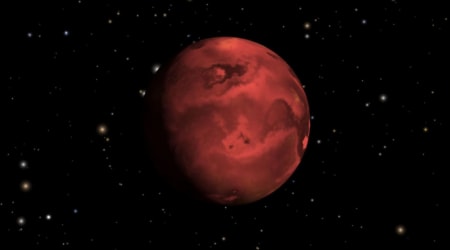
Artist's conception of the view from the surface of the habitable-zone super-Earth exoplanet GJ 3378b. (Representative Cover Image Source:  Nikolai Berman / UC Irvine)
Artist's conception of the view from the surface of the habitable-zone super-Earth exoplanet GJ 3378b. (Representative Cover Image Source: Nikolai Berman / UC Irvine)

A team of astronomers from the University of California, Irvine, has discovered a new Earth-like exoplanet that drifts around a red dwarf star in its habitable zone. The star is also just about 25 light-years away from our solar system. 
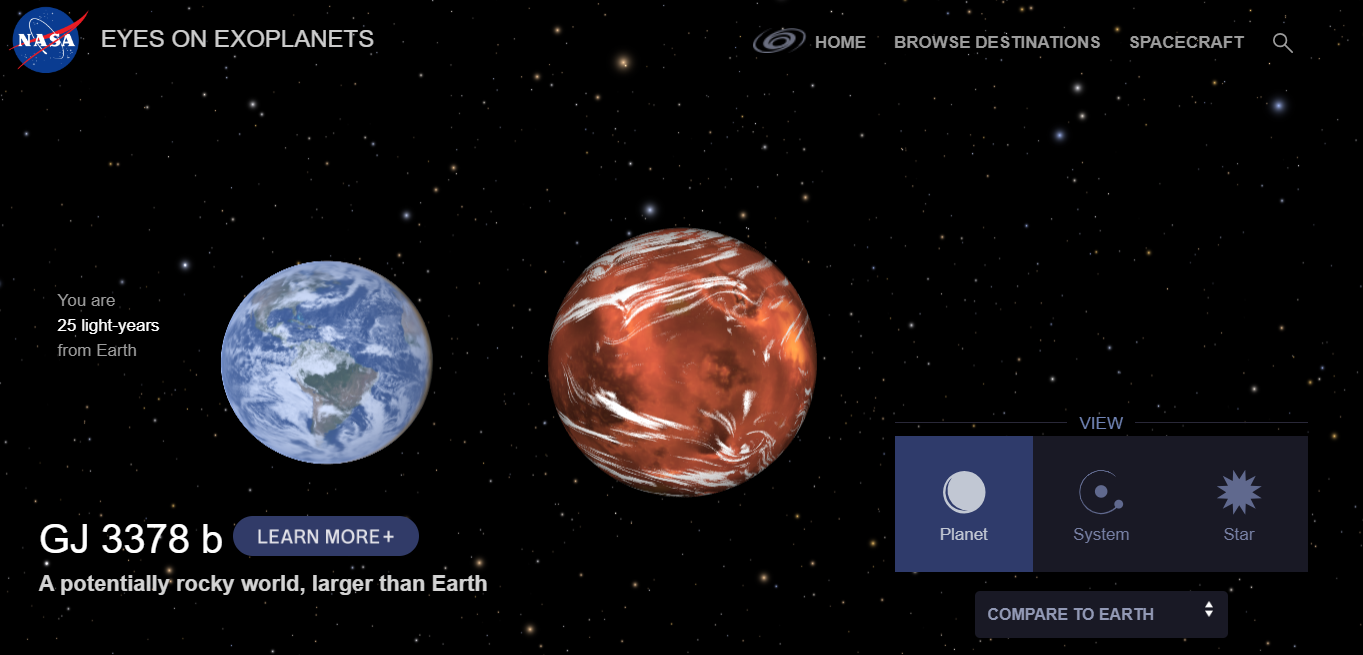
A screengrab from NASA's exoplanet catalog page showing the GJ 3378b planet that was discovered in 2026. (Image Source: NASA| EyesOn Exoplanet)

“This one’s exciting,” said lead author of the study Paul Robertson, UC Irvine assistant professor of astronomy, in a statement. “It’s one of our closest cosmic neighbors. 25 light-years sounds like a long way, but the Milky Way is about 100,000 light-years across, so in that respect it’s our next-door neighbor.” 
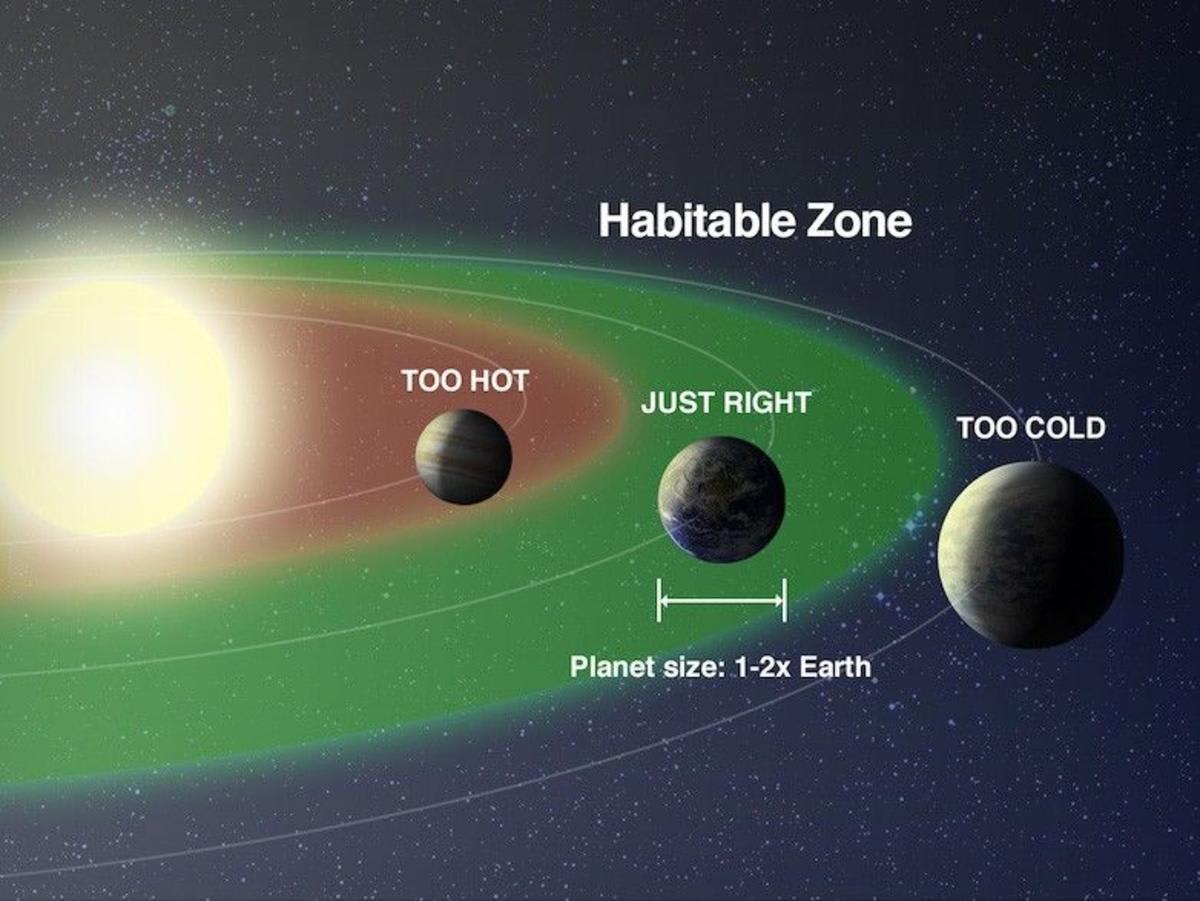
Traditional picture of the habitable zone – not too hot, not too cold (Image Source: NASA)
Illustration of a typical habitable zone—not too hot, not too cold (Representative Image Source: NASA)

The planet, dubbed GJ 3378b, circles a red dwarf star, which is the most common type of star in the Milky Way. For the uninitiated, the habitable zone of a star is the region around it where temperatures are just right for water to exist in its liquid form.
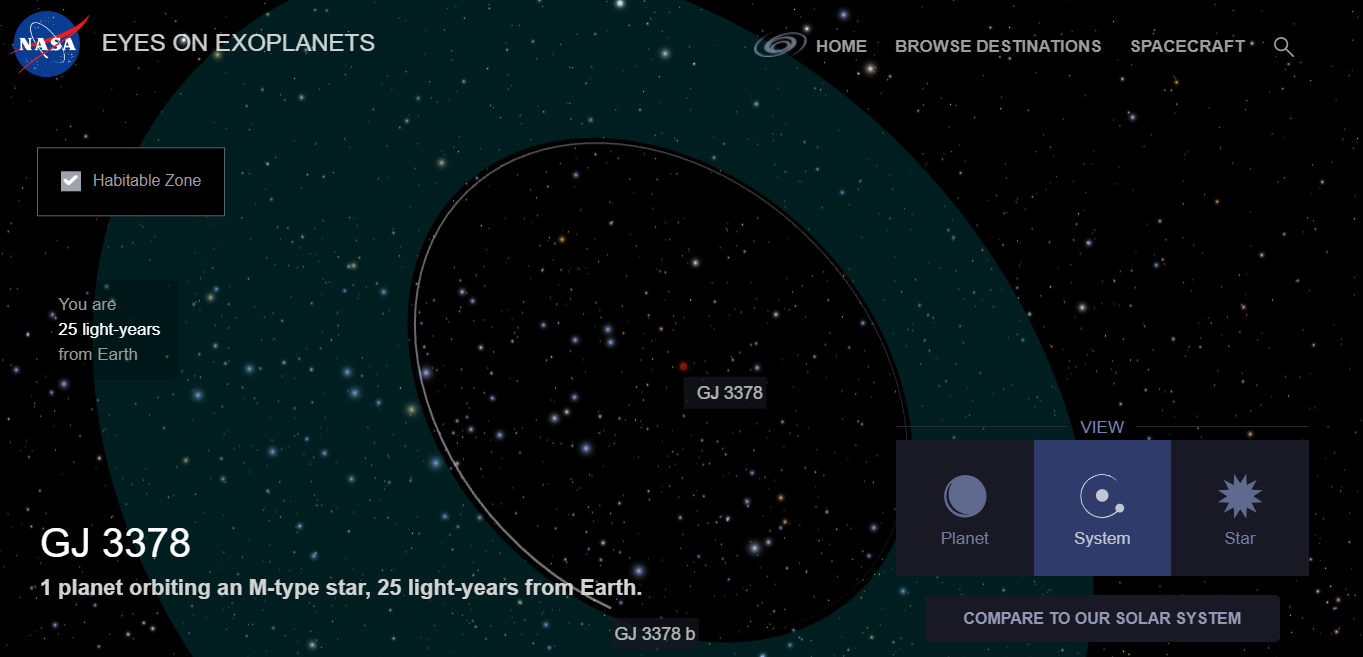
A screengrab from NASA's exoplanet catalog page showing the star system of GJ 3378b planet, discovered in 2026. (Image Source: NASA| EyesOn Exoplanet)

The planet, dubbed GJ 3378b, is roughly twice the size of Earth and was discovered using the Habitable-zone Planet Finder on the 10-meter Hobby-Eberly Telescope at McDonald Observatory in Texas, and the NEID Spectrometer on the WIYN Telescope at Kitt Peak National Observatory in Arizona
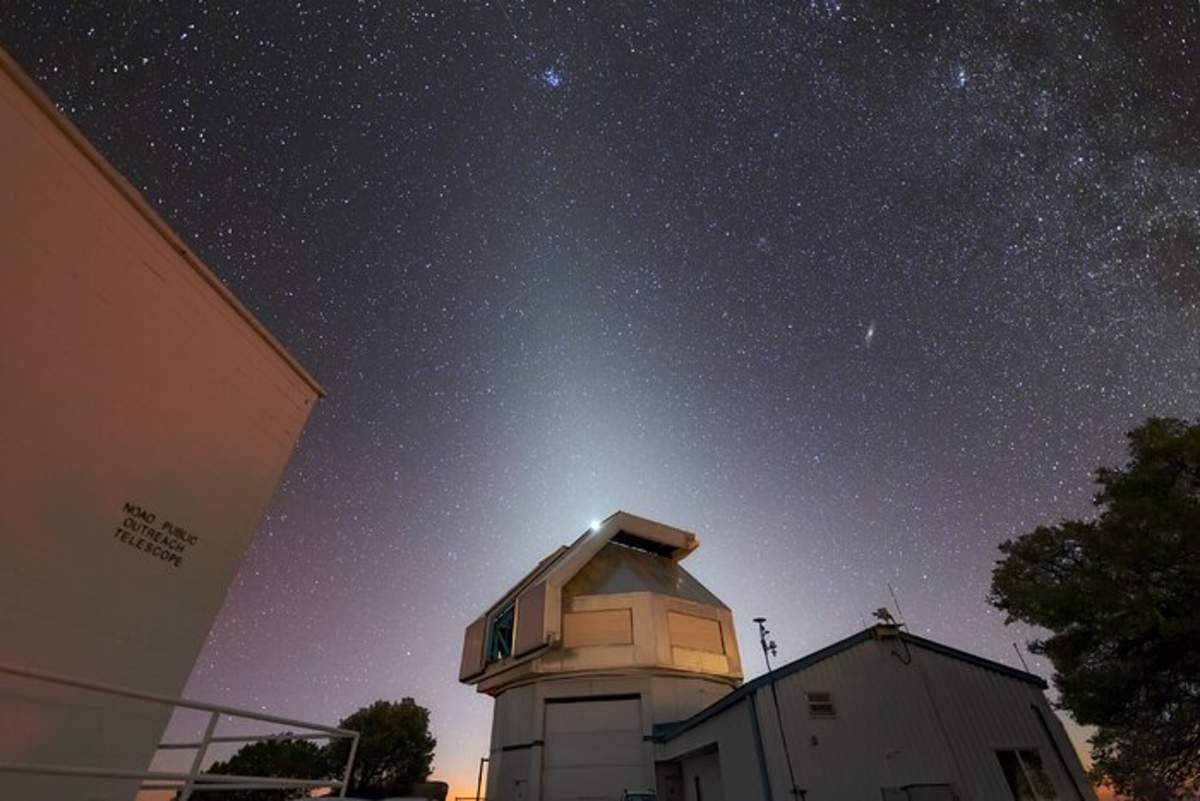
The glow behind the 3.5-meter WIYN telescope looks like a celestial aura, but it is really a phenomenon known as the Zodiacal Light.
The glow behind the 3.5-meter WIYN telescope looks like a celestial aura, but it is really a phenomenon known as the Zodiacal Light. (Image Source: Kitt Peak National Observatory/NOIRLab/NSF/AURA/R. Sparks). 

The Habitable-zone Planet Finder’s design has been upgraded to track infrared light. When stars become cooler and smaller, they mostly emit energy at infrared wavelengths. “So, we put an infrared spectrometer on a 10-meter telescope, and that gives us more raw light-collecting power to observe these faint stars,” said Stevenson in a statement. “This super-Earth gets about 90 percent of the radiation from its host star as Earth gets from its sun, so it’s right in the sweet spot,” said Robertson. But one mystery still lingers. Does this planet have an atmosphere? The planet, the researchers say, sits on the cosmic shoreline—a region around a star where, if a planet sits outside it, the star’s radiation can strip its atmosphere away. This is exactly what happened to Mars, which might have possessed an atmosphere like Earth's once upon a time.
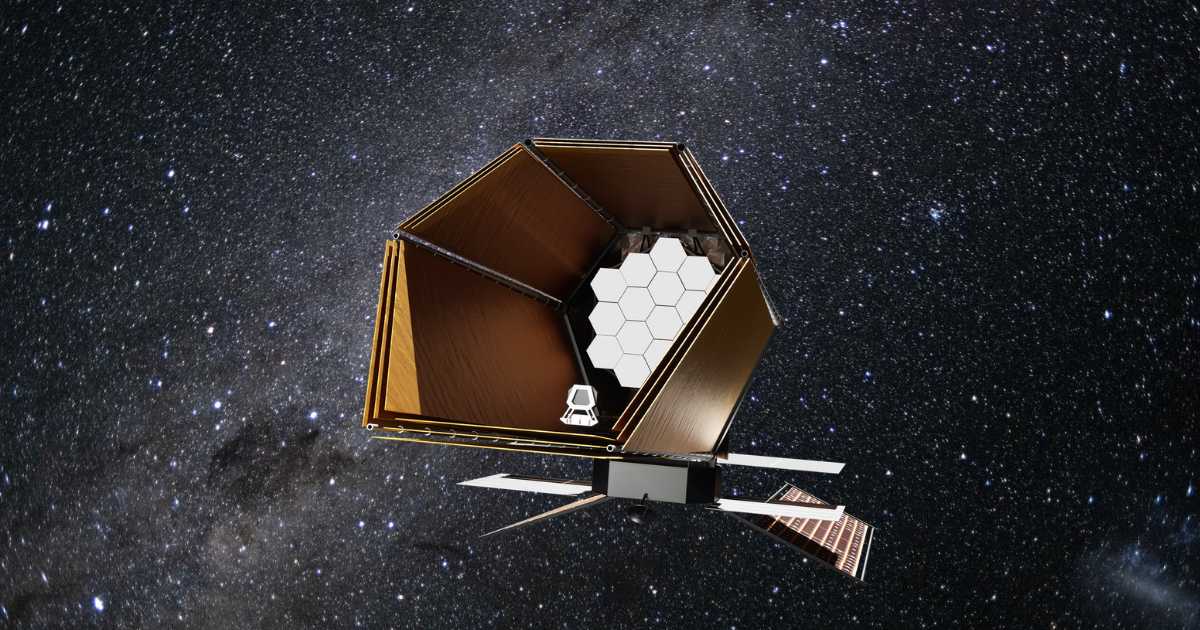
Illustration of the Habitable Worlds Observatory concept in space. (Representative Image Source: NASA; Edited by Starlust staff)

“If you scale the Earth down to the size of an apple, its atmosphere would be about as thick as the skin of the apple,” said Robertson. “That’s just enough to maintain the kinds of surface pressures where you can have liquid water.” While GJ 3378b stands as a promising habitable world candidate, astronomers won't be able to tell for sure if it actually does have an atmosphere until later. NASA's Habitable Worlds Observatory won't launch until the 2040s. But once it does, it will be able to tell whether planets like GJ 3378b have atmospheres or not.

More on Starlust 

Scientists discover a rare Neptune-sized exoplanet that leaves a mark on its host star 

NASA’s TESS mission finds two rare exoplanets with density like that of cotton candy
MORE STORIES

"When TESS launched, no one expected it to ever be capable of finding this kind of planet."
1 day ago
The planet transfer its magnetic energy into the outer atmosphere of its star.
2 days ago
The event horizon of a black hole should be virtually impossible to study, yet an international team of researchers figured out a way.
3 days ago
This discovery provides important insights into how the first galaxies in the early universe grew so massive.
4 days ago
Euclid captured more than 60 million stars, with nebulas and star clusters, and planets among them.
7 days ago
Tightly clustered young stars in an ancient galaxy ionized the early universe's opaque gas.
7 days ago
The two exoplanets, roughly the size of Jupiter, are located 1,113 light-years away from Earth.
7 days ago
Prior observations of M82 were unable to peer through the haze. Here's what James Webb Space Telescope found.
Jun 24, 2026
The data obtained by Webb had two things that took researchers by surprise.
Jun 24, 2026
The study provides clues to how the Sun was born about 4.5 billion years ago.
Jun 23, 2026